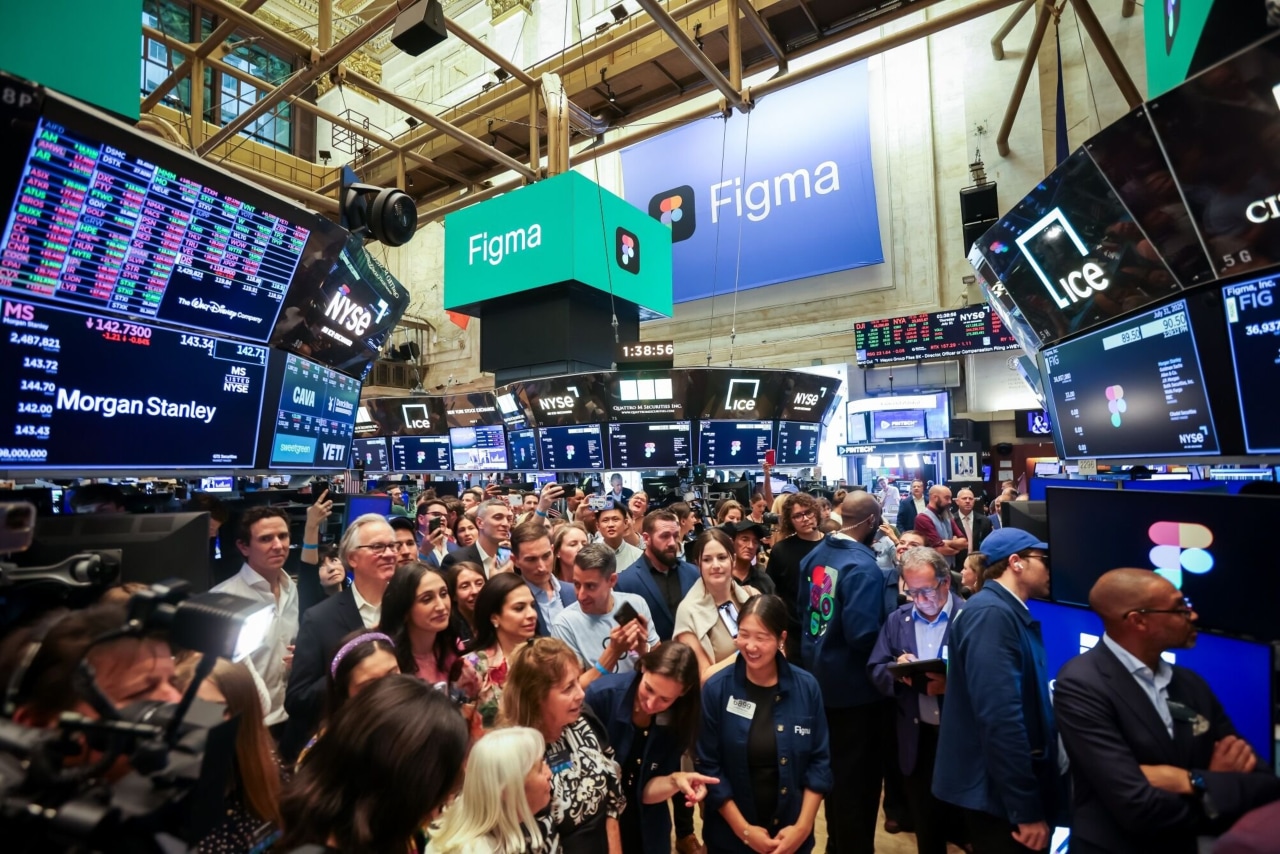
TECH SELLOFF—The year had begun on a high note for technology initial public offerings (IPOs), with expectations of a blockbuster season ahead. However, the abrupt and unforeseen impact of AI-induced tech selloff has significantly dampened these prospects, leaving investors and startups alike scrambling to reassess their strategies.
The Trigger Event: AI-Driven Market Volatility
Introduction to AI-Induced Volatility
The integration of Artificial Intelligence (AI) into various sectors of the technology industry has been a double-edged sword. On one hand, AI has opened up new avenues for innovation and efficiency. On the other hand, its unpredictable nature has led to unforeseen market fluctuations, catching both seasoned investors and fledgling startups off guard.
The Impact on IPOs
The most immediate and noticeable effect of this AI-induced volatility has been on the Initial Public Offering (IPO) market. What was anticipated to be a year of significant growth and numerous successful tech IPOs has instead turned into a cautious and risk-averse environment. Many potential IPO candidates are now hesitant to enter the public market, fearing the unpredictability of investor sentiment and the potential for substantial losses.
Market Mechanics and the Role of AI
Understanding Market Mechanics
At the heart of the current market dynamics is the way AI influences trading decisions. With the ability to analyze vast amounts of data in real-time, AI algorithms can identify patterns and make predictions that human traders cannot. This capability has led to the development of sophisticated trading bots that can execute trades at speeds and frequencies unimaginable to human operators.
The Ripple Effect
The ripple effect of AI-driven trading is felt across the entire market. As AI systems buy and sell stocks based on complex algorithms, they create market movements that are both rapid and unpredictable. This unpredictability scares off potential IPO investors, who are wary of entering a market that seems to be controlled by forces beyond human comprehension or control.
The IPO Parade: Victims of Circumstance
The Promising Startups
A multitude of startups had been gearing up for their public debut, buoyed by the successes of previous years and the promise of a thriving tech industry. These companies, representing a wide range of innovative technologies and business models, had been seen as the vanguard of the next wave of growth in the tech sector.
The Selloff’s Casualties
However, the AI-induced selloff has turned their plans upside down. With investors becoming increasingly risk-averse and the market climate turning hostile, many of these startups are now forced to reconsider their IPO plans. This not only delays their access to much-needed capital but also puts a damper on the overall innovation ecosystem, as funding and growth opportunities become scarce.
Forward Signals and the Road to Recovery
Signs of Resilience
Despite the current challenges, there are signs of resilience within the tech industry. Companies that have managed to successfully navigate the choppy waters of the AI-induced selloff are emerging stronger and more agile. Their ability to adapt to changing market conditions and leverage AI in a positive manner is paving the way for a potential recovery in the IPO market.
A Path Forward
For the tech IPO market to regain its momentum, it is essential for companies to demonstrate a clear understanding of how AI can be harnessed for growth, rather than being at its mercy. This involves developing robust AI strategies that enhance business operations, improve investor confidence, and mitigate the risks associated with market volatility.
Stakeholder Impact and the Way Forward
Investor Confidence
The confidence of investors is crucial for the recovery of the tech IPO market. Investors need to see tangible evidence that companies are not only aware of the AI-induced challenges but are also proactively working to turn these challenges into opportunities. This requires a transparent disclosure of AI strategies and their potential impact on business operations.
Regulatory Environment
Regulators also have a significant role to play in fostering an environment that encourages innovation while protecting investors. By establishing clear guidelines on the use of AI in financial markets and providing support for startups, regulators can help stabilize the market and promote healthy growth.
Conclusion: Navigating the New Normal
A New Era
The intersection of AI and the tech IPO market marks the beginning of a new era in the financial world. As AI continues to evolve and influence market dynamics, it is imperative for companies, investors, and regulators to work together to navigate this new landscape. By doing so, they can unlock the potential of AI to drive innovation and growth, rather than volatility and uncertainty.
A Call to Action
The future of the tech IPO market depends on the ability of its stakeholders to adapt, innovate, and lead. As the industry moves forward, it must embrace the challenges and opportunities presented by AI, ensuring that the tech sector remains a beacon of innovation and progress.
