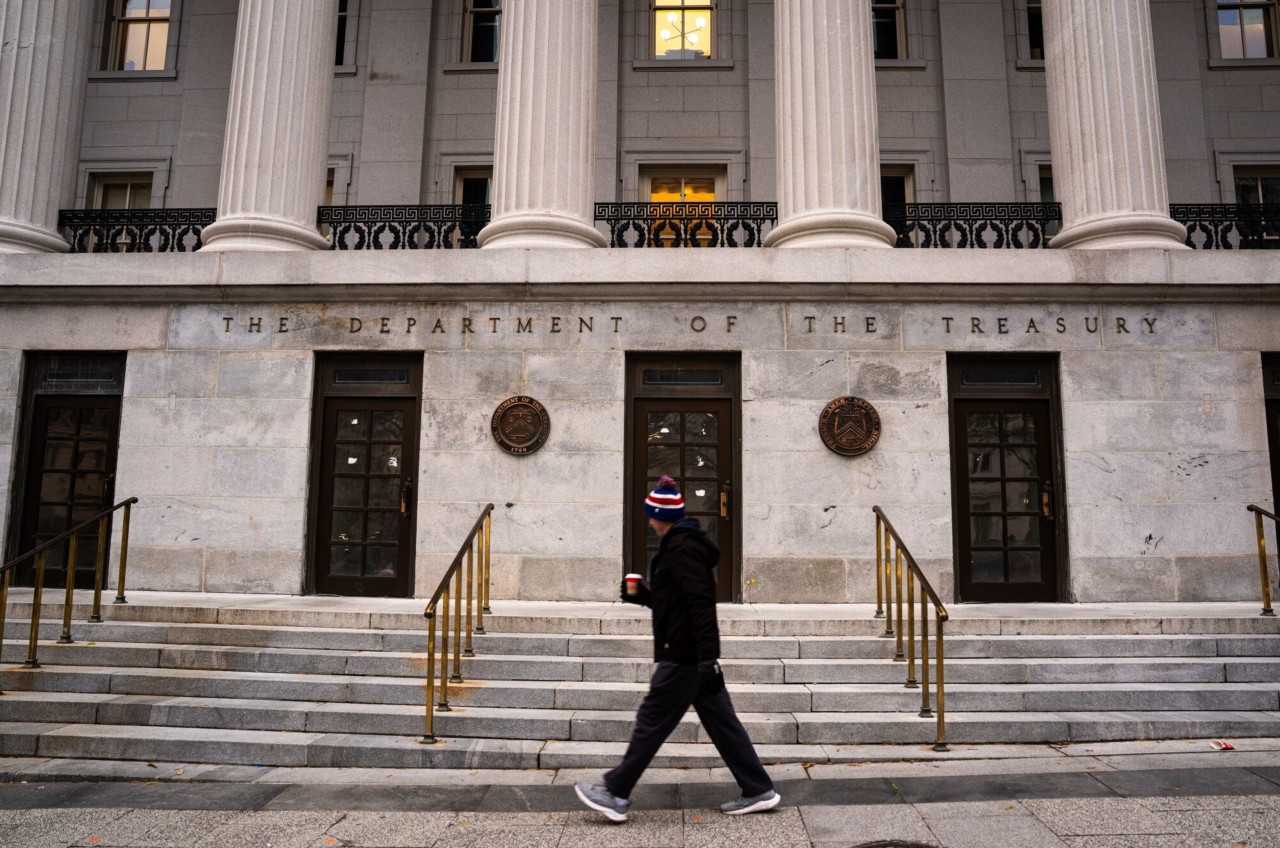
TRUMP ADMINISTRATION—The Trump administration is considering a potential executive order that would mandate banks to collect citizenship information from their customers, marking a significant escalation in its crackdown on illegal immigration. This move, if implemented, would enlist the financial sector in the administration’s efforts to identify and track undocumented individuals. The implications of such a policy are far-reaching, affecting not only the banking industry but also the broader social and economic landscape of the United States.
The Flashpoint of Immigration Policy
Introduction to Immigration Policy Under Trump
The Trump administration has been at the forefront of a stringent immigration policy, aiming to curb illegal immigration through various measures. The consideration of an executive order that involves banks in this effort signifies a novel approach, leveraging the financial system to gather data on individuals’ citizenship status. This strategy, while aimed at enhancing national security and enforcing immigration laws, raises significant concerns regarding privacy, discrimination, and the potential for misuse of personal data.
Legal and Ethical Considerations
The legality and ethics of compelling banks to act as surrogates for immigration enforcement are complex issues. The administration must navigate a web of laws and regulations, including those related to banking secrecy, customer privacy, and anti-discrimination. Furthermore, such a policy could strain relations between the government and the banking sector, potentially leading to increased compliance costs and liabilities for financial institutions.
The Strategic Context of Banking Sector Involvement
Banks as Gatekeepers of Financial Transactions
Banks play a crucial role in the financial system, managing transactions and holding sensitive customer information. By requiring banks to collect citizenship information, the administration aims to create a more robust system for identifying and potentially deporting undocumented immigrants. However, this strategy could also lead to unintended consequences, such as increased discrimination against certain groups, potential violations of international human rights law, and the erosion of trust in the banking system.
Power Dynamics and Stakeholder Interests
The involvement of the banking sector in immigration enforcement introduces a new layer of complexity to the already multifaceted issue of immigration policy. Various stakeholders, including banking industry associations, civil rights groups, and congressional leaders, will likely weigh in on the proposed executive order. The administration must consider the interests of these stakeholders, balancing the need for effective immigration enforcement with the concerns of the banking industry and the rights of individuals.
The Risk and Volatility Layer of Regulatory Compliance
Compliance Challenges for Banks
The potential executive order poses significant compliance challenges for banks, which would need to implement new systems and processes for collecting and verifying citizenship information. This could result in substantial upfront and ongoing costs, potentially affecting the banking industry’s bottom line and competitiveness. Moreover, banks might face increased regulatory scrutiny and the risk of non-compliance penalties, further complicating their role in the administration’s immigration enforcement strategy.
Operational Realities and Implementation
The practical implementation of such a policy would require careful consideration of operational realities, including the development of secure data storage systems, training for bank staff, and the establishment of procedures for handling sensitive customer information. The administration and the banking sector must work together to ensure that any new requirements are feasible, effective, and respectful of individual rights and privacy expectations.
The Geopolitical Friction and Socioeconomic Impact
Global Perspectives and Diplomatic Relations
The Trump administration’s consideration of an executive order involving banks in immigration enforcement could have far-reaching geopolitical implications. Other countries might view this move as an overreach of U.S. authority, potentially straining diplomatic relations and inspiring reciprocal actions. The international community may also criticize the policy as inconsistent with human rights standards and norms of privacy protection.
Socioeconomic Consequences for Communities
The socioeconomic impact of such a policy could be profound, affecting not only undocumented immigrants but also their families, employers, and the broader communities in which they live and work. The potential for increased deportations, coupled with the risk of discrimination and social exclusion, could lead to significant economic and social upheaval, undermining the stability and cohesion of affected communities.
Signals and Regulatory Outlook
Evolution of Immigration Policy and Banking Regulations
The proposed executive order represents a significant development in the ongoing saga of U.S. immigration policy. As the administration continues to explore novel strategies for enforcing immigration laws, the banking sector, policymakers, and the public must remain vigilant, engaging in a nuanced discussion about the implications of such policies. The future of immigration policy and banking regulations will likely be shaped by a complex interplay of political, economic, and social factors, necessitating a forward-looking approach that balances national security concerns with the protection of individual rights and the promotion of economic growth.
Conclusion and Forward-Looking Strategy
In conclusion, the Trump administration’s potential executive order mandating banks to collect citizenship information from customers marks a critical juncture in the debates surrounding immigration policy and financial regulation. As stakeholders navigate the complexities of this issue, it is essential to prioritize a thoughtful, multidisciplinary approach, acknowledging the intricate relationships between national security, economic stability, and social justice. By fostering a deeper understanding of these dynamics, the United States can work towards the development of more effective, humane, and sustainable immigration policies that align with its core values and promote the well-being of all individuals within its borders.
