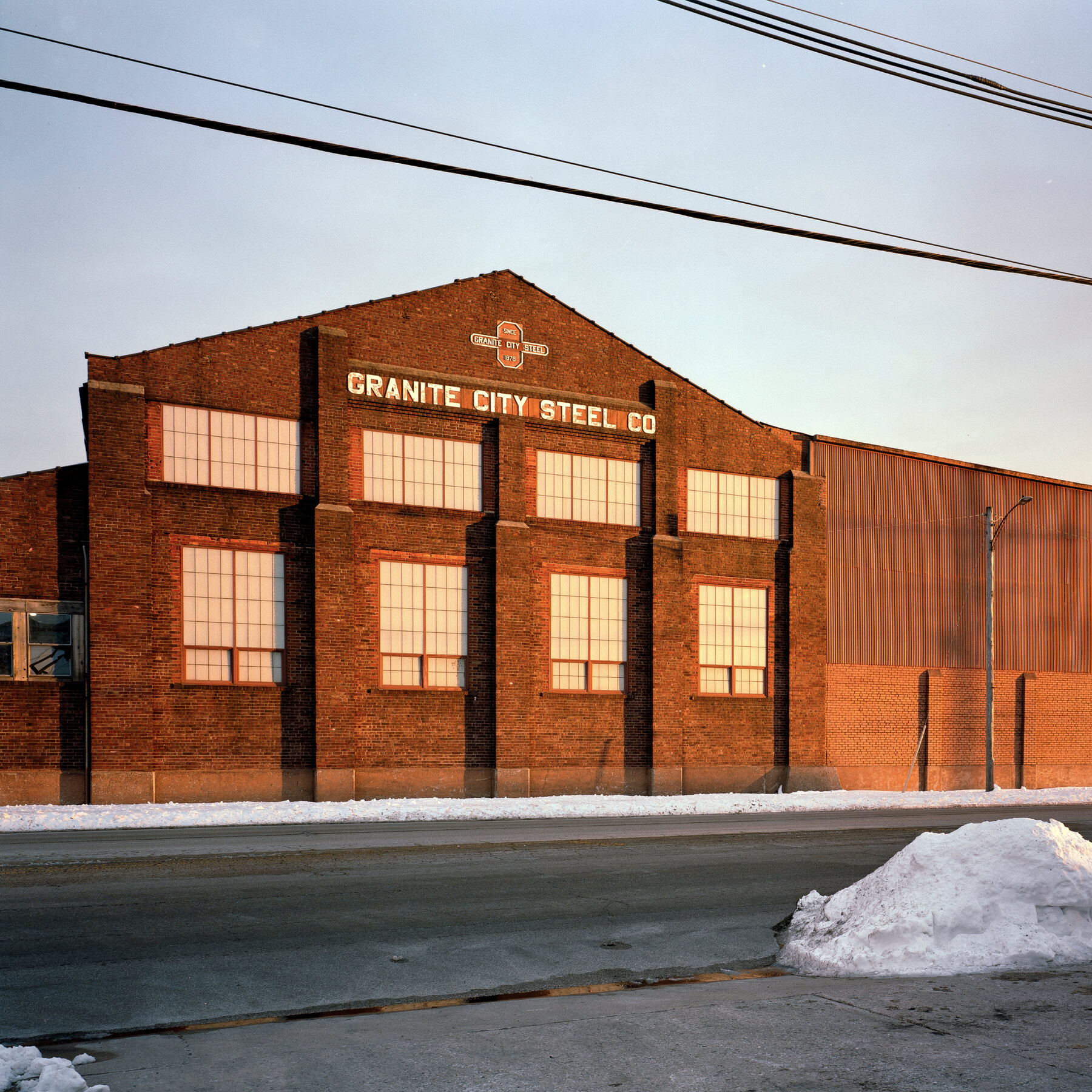
TRUMP TARIFFS—President Trump’s tariffs on steel imports, despite facing a setback at the Supreme Court, continue to have a profound impact on the American economy. While these tariffs have led to an increase in steel mill jobs, they are simultaneously crippling American factories that rely on steel imports, threatening to limit exports and jeopardize jobs in other sectors.
Steel Mill Jobs and the Tariff Effect
Introduction to the Steel Industry
The steel industry, a cornerstone of American manufacturing, has seen a notable boost in employment due to the tariffs imposed by the Trump administration. These tariffs, aimed at protecting American steel producers from foreign competition, have made imported steel more expensive, thereby giving domestic producers a competitive edge.
Economic Implications of the Tariffs
However, the tariffs have also added significant costs for U.S. manufacturers that use steel in their production processes. This increase in costs has limited the competitiveness of American goods in the global market, potentially reducing exports and jeopardizing jobs in industries that rely heavily on steel, such as automotive and construction.
Jobs and Growth in the Steel Sector
Despite the challenges faced by downstream manufacturers, the steel sector itself has experienced growth and an increase in jobs. This is a direct result of the increased demand for domestically produced steel, stimulated by the tariffs. However, the overall impact on the economy remains a subject of debate, with critics arguing that the benefits to the steel industry are outweighed by the costs to other sectors.
American Factories and the Challenge of Tariffs
The Struggle of Downstream Manufacturers
American factories that use steel as a critical component in their production processes are facing significant challenges due to the increased cost of steel resulting from the tariffs. This not only affects their profit margins but also their ability to compete in the global market, leading to reduced exports and a risk of job losses.
Limitations on Exports and Job Security
The tariffs have essentially created a double-edged sword for the U.S. economy. While they protect and promote the domestic steel industry, they also impose a burden on other manufacturing sectors that are heavily reliant on imported steel. This situation threatens the job security of thousands of workers in industries that are not directly related to steel production but are significantly affected by the tariffs.
Possible Solutions and Future Directions
To mitigate these effects, policymakers might need to consider targeted support for industries affected by the tariffs, including potential subsidies or tax breaks to help them absorb the increased costs of steel. Additionally, negotiating trade agreements that reduce or eliminate tariffs on steel imports could provide relief, though this would require a significant shift in the current trade policy.
The Supreme Court Loss and Its Implications
Legal Challenges to the Tariffs
President Trump’s tariffs have faced numerous legal challenges, with opponents arguing that they exceed the authority granted to the president under trade laws. Although the Supreme Court’s decision did not directly overturn the tariffs, it has significant implications for how trade policy is implemented and the limits of executive authority in this area.
Future of Trade Policy
The outcome of these legal battles will have profound implications for the future of U.S. trade policy, particularly concerning the use of tariffs as a tool for protecting domestic industries. It also underscores the complex interplay between the executive branch, Congress, and the judiciary in shaping America’s trade relationships with the world.
Global Trade Relations
The tariffs and the legal challenges they face are part of a broader narrative about global trade relations. As the world’s largest economy, the United States plays a crucial role in setting the tone for international trade policies. The way these tariffs are resolved will send a significant signal to other countries about the U.S. commitment to free and fair trade.
Conclusion: The Balance of Trade Policy
Summary of the Tariffs’ Impact
In conclusion, while the tariffs imposed by President Trump have led to an increase in steel mill jobs, they have also imposed significant costs on American factories that rely on imported steel. This situation poses a challenge for policymakers seeking to balance the need to protect domestic industries with the goal of promoting economic growth and job creation across all sectors.
Future Outlook
The future of U.S. trade policy, particularly regarding the use of tariffs, will depend on finding a delicate balance between these competing interests. This involves not only negotiating trade agreements that benefit American industries but also ensuring that the policies implemented do not inadvertently harm other sectors of the economy.
Global Cooperation
Ultimately, the most effective trade policies will be those that promote cooperation and mutual benefit among nations, rather than relying solely on protective measures like tariffs. By fostering a more open and collaborative global trade environment, the United States can work towards creating jobs, stimulating economic growth, and maintaining its position as a leader in the world economy.
