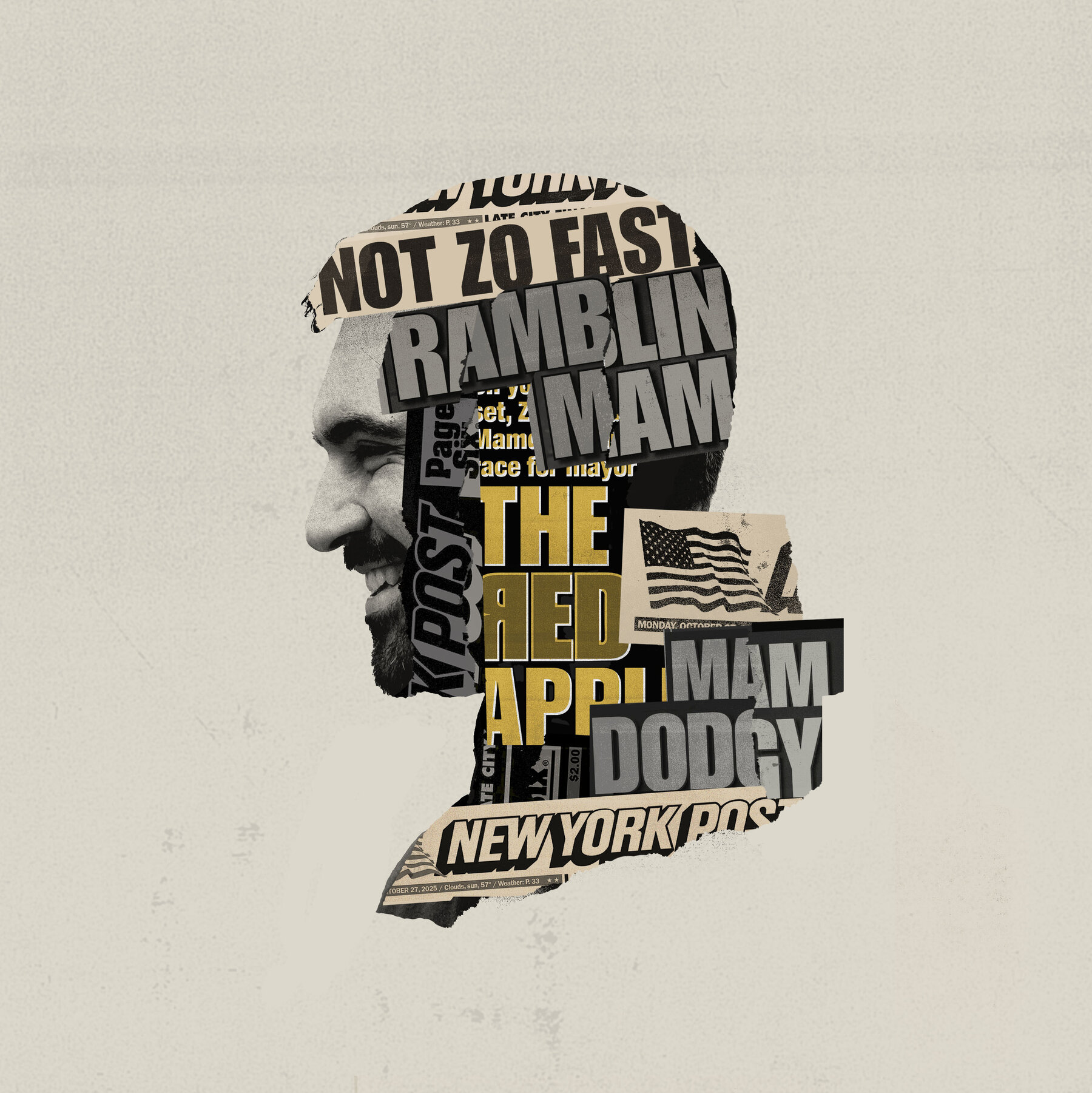
The Nickname Conundrum of Mayor Zohran Mamdani
- Mayor Zohran Mamdani has been given numerous nicknames by New York City’s tabloid newspapers and political class.
- The nicknames range from affectionate to derogatory, reflecting the complex and often contentious nature of city politics.
- The question on everyone’s mind is: which nickname will stick, and what does it say about the city’s perception of its mayor?
Unpacking the Significance of Nicknames in Politics
MAYOR ZOHRAN MAMDANI—Nicknames have long been a part of political culture, often serving as a way to humanize or caricature public figures. In the case of Mayor Zohran Mamdani, the multitude of nicknames has sparked both amusement and controversy. As the city grapples with the implications of these nicknames, it’s essential to examine the context and potential consequences of this phenomenon.
The rise of social media has amplified the spread of nicknames, allowing them to quickly gain traction and become ingrained in the public consciousness. However, this also raises concerns about the potential for misinformation and the blurring of lines between fact and fiction. As Mayor Mamdani navigates the complexities of his role, the nicknames surrounding him serve as a reflection of the city’s values, priorities, and biases.
In this article, we will delve into the world of Mayor Zohran Mamdani’s nicknames, exploring their origins, connotations, and potential impact on his tenure as mayor. By examining the cultural, historical, and social context of these nicknames, we can gain a deeper understanding of the city’s political landscape and the ways in which language shapes our perceptions of public figures.
The Origins of Zohran Mamdani’s Nicknames
The nicknames surrounding Mayor Zohran Mamdani are as diverse as the city he serves. From the affectionate ‘Zo’ to the more playful ‘Mamdani the Magnificent,’ each nickname offers a unique glimpse into the mayor’s personality, policies, and public image. To understand the significance of these nicknames, it’s essential to explore their origins and the contexts in which they emerged.
A closer examination of the city’s tabloid newspapers and social media reveals a complex web of influences, from the mayor’s own statements and actions to the agendas of various stakeholders and interest groups. The nicknames have become a form of shorthand, conveying a range of emotions, attitudes, and expectations that shape the public’s perception of Mayor Mamdani.
One of the earliest and most enduring nicknames is ‘Zo,’ which has been adopted by both supporters and critics of the mayor. This nickname is often seen as a term of endearment, reflecting the mayor’s charismatic personality and willingness to engage with constituents. However, others have used the nickname in a more derogatory manner, implying that the mayor is overly focused on his public image or lacking in substance.
In contrast, the nickname ‘Mamdani the Magnificent’ is a more recent development, emerging in response to the mayor’s ambitious policy initiatives and high-profile appearances. This nickname has been embraced by many of the mayor’s supporters, who see it as a testament to his vision and leadership. Nevertheless, detractors have criticized the nickname as overly flattering or even sarcastic, suggesting that it reflects a lack of seriousness or depth in the mayor’s approach to governance.
As the city continues to debate the merits and implications of these nicknames, it’s clear that they have become an integral part of the political discourse. By examining the origins and evolution of these nicknames, we can gain a deeper understanding of the complex forces shaping the city’s politics and the ways in which language influences our perceptions of public figures.
The rise of social media has played a significant role in the dissemination and amplification of these nicknames, allowing them to spread quickly and gain traction among different segments of the population. However, this also raises concerns about the potential for misinformation and the blurring of lines between fact and fiction. As Mayor Mamdani navigates the complexities of his role, the nicknames surrounding him serve as a reflection of the city’s values, priorities, and biases.
In the next chapter, we will explore the cultural and historical context of nicknames in politics, examining the ways in which they have been used to shape public opinion and influence the course of political events. By delving into the rich history of political nicknames, we can gain a deeper understanding of the significance of Mayor Mamdani’s nicknames and the potential implications for his tenure as mayor.
The Cultural Significance of Nicknames in Politics
Nicknames have long been a feature of political culture, serving as a way to humanize or caricature public figures. In the United States, nicknames have been used to both praise and pillory politicians, from the affectionate ‘Honest Abe’ to the derogatory ‘Tricky Dick.’ The use of nicknames in politics reflects a complex interplay of factors, including cultural values, historical context, and social norms.
One of the most significant aspects of political nicknames is their ability to shape public opinion and influence the course of political events. A well-crafted nickname can become a powerful tool in the hands of a skilled politician, allowing them to connect with voters, build a brand, and establish a distinct identity. However, nicknames can also be used to undermine or ridicule an opponent, creating a negative perception that can be difficult to shake.
In the case of Mayor Zohran Mamdani, the multitude of nicknames reflects the complex and often contentious nature of city politics. The nicknames surrounding the mayor serve as a microcosm of the city’s values, priorities, and biases, offering a unique glimpse into the psyche of the city and its inhabitants. By examining the cultural and historical context of these nicknames, we can gain a deeper understanding of the forces shaping the city’s politics and the ways in which language influences our perceptions of public figures.
A closer examination of the city’s cultural landscape reveals a rich tapestry of influences, from the diverse neighborhoods and communities to the various stakeholders and interest groups. The nicknames surrounding Mayor Mamdani reflect this diversity, encompassing a range of perspectives, attitudes, and expectations. However, they also raise important questions about the role of language in shaping public opinion and the potential for nicknames to be used as a form of social control.
The use of nicknames in politics also raises important questions about the nature of identity and the ways in which we perceive and interact with public figures. Nicknames can serve as a form of shorthand, conveying complex information and emotions in a concise and easily digestible manner. However, they can also be used to reduce or caricature individuals, creating a simplified or distorted image that bears little relation to reality.
In the next chapter, we will explore the social and economic implications of Mayor Mamdani’s nicknames, examining the ways in which they reflect and shape the city’s social norms, economic priorities, and cultural values. By delving into the complex interplay between language, culture, and politics, we can gain a deeper understanding of the significance of the mayor’s nicknames and the potential implications for his tenure as mayor.
The social and economic implications of Mayor Mamdani’s nicknames are far-reaching, reflecting the complex and often contentious nature of city politics. The nicknames surrounding the mayor serve as a microcosm of the city’s values, priorities, and biases, offering a unique glimpse into the psyche of the city and its inhabitants. By examining the social and economic context of these nicknames, we can gain a deeper understanding of the forces shaping the city’s politics and the ways in which language influences our perceptions of public figures.
In the following chapter, we will examine the potential impact of Mayor Mamdani’s nicknames on his tenure as mayor, exploring the ways in which they may shape public opinion, influence policy decisions, and reflect the city’s values and priorities. By delving into the complex interplay between language, culture, and politics, we can gain a deeper understanding of the significance of the mayor’s nicknames and the potential implications for the city’s future.
The Social and Economic Implications of Mayor Mamdani’s Nicknames
The social and economic implications of Mayor Zohran Mamdani’s nicknames are complex and multifaceted, reflecting the diverse perspectives, attitudes, and expectations of the city’s inhabitants. The nicknames surrounding the mayor serve as a microcosm of the city’s values, priorities, and biases, offering a unique glimpse into the psyche of the city and its inhabitants.
One of the most significant aspects of the social and economic implications of Mayor Mamdani’s nicknames is their potential impact on public opinion and policy decisions. A well-crafted nickname can become a powerful tool in the hands of a skilled politician, allowing them to connect with voters, build a brand, and establish a distinct identity. However, nicknames can also be used to undermine or ridicule an opponent, creating a negative perception that can be difficult to shake.
The social and economic implications of Mayor Mamdani’s nicknames also reflect the city’s cultural and historical context, encompassing a range of influences from the diverse neighborhoods and communities to the various stakeholders and interest groups. The nicknames surrounding the mayor serve as a form of shorthand, conveying complex information and emotions in a concise and easily digestible manner. However, they can also be used to reduce or caricature individuals, creating a simplified or distorted image that bears little relation to reality.
A closer examination of the city’s social and economic landscape reveals a complex interplay of factors, including demographic trends, economic priorities, and cultural values. The nicknames surrounding Mayor Mamdani reflect this complexity, encompassing a range of perspectives, attitudes, and expectations. However, they also raise important questions about the role of language in shaping public opinion and the potential for nicknames to be used as a form of social control.
The use of nicknames in politics also raises important questions about the nature of identity and the ways in which we perceive and interact with public figures. Nicknames can serve as a form of shorthand, conveying complex information and emotions in a concise and easily digestible manner. However, they can also be used to reduce or caricature individuals, creating a simplified or distorted image that bears little relation to reality.
In the next chapter, we will explore the potential impact of Mayor Mamdani’s nicknames on his tenure as mayor, examining the ways in which they may shape public opinion, influence policy decisions, and reflect the city’s values and priorities. By delving into the complex interplay between language, culture, and politics, we can gain a deeper understanding of the significance of the mayor’s nicknames and the potential implications for the city’s future.
The potential impact of Mayor Mamdani’s nicknames on his tenure as mayor is significant, reflecting the complex and often contentious nature of city politics. The nicknames surrounding the mayor serve as a microcosm of the city’s values, priorities, and biases, offering a unique glimpse into the psyche of the city and its inhabitants. By examining the potential impact of these nicknames, we can gain a deeper understanding of the forces shaping the city’s politics and the ways in which language influences our perceptions of public figures.
In the following chapter, we will examine the ways in which Mayor Mamdani’s nicknames reflect and shape the city’s social norms, economic priorities, and cultural values. By delving into the complex interplay between language, culture, and politics, we can gain a deeper understanding of the significance of the mayor’s nicknames and the potential implications for the city’s future.
The Potential Impact of Mayor Mamdani’s Nicknames on His Tenure as Mayor
The potential impact of Mayor Zohran Mamdani’s nicknames on his tenure as mayor is significant, reflecting the complex and often contentious nature of city politics. The nicknames surrounding the mayor serve as a microcosm of the city’s values, priorities, and biases, offering a unique glimpse into the psyche of the city and its inhabitants.
One of the most significant aspects of the potential impact of Mayor Mamdani’s nicknames is their potential influence on public opinion and policy decisions. A well-crafted nickname can become a powerful tool in the hands of a skilled politician, allowing them to connect with voters, build a brand, and establish a distinct identity. However, nicknames can also be used to undermine or ridicule an opponent, creating a negative perception that can be difficult to shake.
The potential impact of Mayor Mamdani’s nicknames also reflects the city’s cultural and historical context, encompassing a range of influences from the diverse neighborhoods and communities to the various stakeholders and interest groups. The nicknames surrounding the mayor serve as a form of shorthand, conveying complex information and emotions in a concise and easily digestible manner. However, they can also be used to reduce or caricature individuals, creating a simplified or distorted image that bears little relation to reality.
A closer examination of the city’s social and economic landscape reveals a complex interplay of factors, including demographic trends, economic priorities, and cultural values. The nicknames surrounding Mayor Mamdani reflect this complexity, encompassing a range of perspectives, attitudes, and expectations. However, they also raise important questions about the role of language in shaping public opinion and the potential for nicknames to be used as a form of social control.
The use of nicknames in politics also raises important questions about the nature of identity and the ways in which we perceive and interact with public figures. Nicknames can serve as a form of shorthand, conveying complex information and emotions in a concise and easily digestible manner. However, they can also be used to reduce or caricature individuals, creating a simplified or distorted image that bears little relation to reality.
In the next chapter, we will explore the ways in which Mayor Mamdani’s nicknames reflect and shape the city’s social norms, economic priorities, and cultural values. By delving into the complex interplay between language, culture, and politics, we can gain a deeper understanding of the significance of the mayor’s nicknames and the potential implications for the city’s future.
The ways in which Mayor Mamdani’s nicknames reflect and shape the city’s social norms, economic priorities, and cultural values are complex and multifaceted. The nicknames surrounding the mayor serve as a microcosm of the city’s values, priorities, and biases, offering a unique glimpse into the psyche of the city and its inhabitants. By examining the ways in which these nicknames reflect and shape the city’s social norms, economic priorities, and cultural values, we can gain a deeper understanding of the forces shaping the city’s politics and the ways in which language influences our perceptions of public figures.
In the following chapter, we will examine the potential implications of Mayor Mamdani’s nicknames for the city’s future, exploring the ways in which they may shape public opinion, influence policy decisions, and reflect the city’s values and priorities. By delving into the complex interplay between language, culture, and politics, we can gain a deeper understanding of the significance of the mayor’s nicknames and the potential implications for the city’s future.
The Reflection and Shaping of Social Norms, Economic Priorities, and Cultural Values
The ways in which Mayor Zohran Mamdani’s nicknames reflect and shape the city’s social norms, economic priorities, and cultural values are complex and multifaceted. The nicknames surrounding the mayor serve as a microcosm of the city’s values, priorities, and biases, offering a unique glimpse into the psyche of the city and its inhabitants.
One of the most significant aspects of the ways in which Mayor Mamdani’s nicknames reflect and shape the city’s social norms, economic priorities, and cultural values is their potential impact on public opinion and policy decisions. A well-crafted nickname can become a powerful tool in the hands of a skilled politician, allowing them to connect with voters, build a brand, and establish a distinct identity. However, nicknames can also be used to undermine or ridicule an opponent, creating a negative perception that can be difficult to shake.
The ways in which Mayor Mamdani’s nicknames reflect and shape the city’s social norms, economic priorities, and cultural values also reflect the city’s cultural and historical context, encompassing a range of influences from the diverse neighborhoods and communities to the various stakeholders and interest groups. The nicknames surrounding the mayor serve as a form of shorthand, conveying complex information and emotions in a concise and easily digestible manner. However, they can also be used to reduce or caricature individuals, creating a simplified or distorted image that bears little relation to reality.
A closer examination of the city’s social and economic landscape reveals a complex interplay of factors, including demographic trends, economic priorities, and cultural values. The nicknames surrounding Mayor Mamdani reflect this complexity, encompassing a range of perspectives, attitudes, and expectations. However, they also raise important questions about the role of language in shaping public opinion and the potential for nicknames to be used as a form of social control.
The use of nicknames in politics also raises important questions about the nature of identity and the ways in which we perceive and interact with public figures. Nicknames can serve as a form of shorthand, conveying complex information and emotions in a concise and easily digestible manner. However, they can also be used to reduce or caricature individuals, creating a simplified or distorted image that bears little relation to reality.
In the next chapter, we will explore the potential implications of Mayor Mamdani’s nicknames for the city’s future, examining the ways in which they may shape public opinion, influence policy decisions, and reflect the city’s values and priorities. By delving into the complex interplay between language, culture, and politics, we can gain a deeper understanding of the significance of the mayor’s nicknames and the potential implications for the city’s future.
The potential implications of Mayor Mamdani’s nicknames for the city’s future are significant, reflecting the complex and often contentious nature of city politics. The nicknames surrounding the mayor serve as a microcosm of the city’s values, priorities, and biases, offering a unique glimpse into the psyche of the city and its inhabitants. By examining the potential implications of these nicknames, we can gain a deeper understanding of the forces shaping the city’s politics and the ways in which language influences our perceptions of public figures.
In the final chapter, we will examine the conclusion and implications of Mayor Mamdani’s nicknames, exploring the ways in which they reflect and shape the city’s social norms, economic priorities, and cultural values. By delving into the complex interplay between language, culture, and politics, we can gain a deeper understanding of the significance of the mayor’s nicknames and the potential implications for the city’s future.
Conclusion and Implications of Mayor Mamdani’s Nicknames
The conclusion and implications of Mayor Zohran Mamdani’s nicknames are complex and multifaceted, reflecting the diverse perspectives, attitudes, and expectations of the city’s inhabitants. The nicknames surrounding the mayor serve as a microcosm of the city’s values, priorities, and biases, offering a unique glimpse into the psyche of the city and its inhabitants.
One of the most significant aspects of the conclusion and implications of Mayor Mamdani’s nicknames is their potential impact on public opinion and policy decisions. A well-crafted nickname can become a powerful tool in the hands of a skilled politician, allowing them to connect with voters, build a brand, and establish a distinct identity. However, nicknames can also be used to undermine or ridicule an opponent, creating a negative perception that can be difficult to shake.
The conclusion and implications of Mayor Mamdani’s nicknames also reflect the city’s cultural and historical context, encompassing a range of influences from the diverse neighborhoods and communities to the various stakeholders and interest groups. The nicknames surrounding the mayor serve as a form of shorthand, conveying complex information and emotions in a concise and easily digestible manner. However, they can also be used to reduce or caricature individuals, creating a simplified or distorted image that bears little relation to reality.
A closer examination of the city’s social and economic landscape reveals a complex interplay of factors, including demographic trends, economic priorities, and cultural values. The nicknames surrounding Mayor Mamdani reflect this complexity, encompassing a range of perspectives, attitudes, and expectations. However, they also raise important questions about the role of language in shaping public opinion and the potential for nicknames to be used as a form of social control.
The use of nicknames in politics also raises important questions about the nature of identity and the ways in which we perceive and interact with public figures. Nicknames can serve as a form of shorthand, conveying complex information and emotions in a concise and easily digestible manner. However, they can also be used to reduce or caricature individuals, creating a simplified or distorted image that bears little relation to reality.
In conclusion, the nicknames surrounding Mayor Zohran Mamdani are a complex and multifaceted phenomenon, reflecting the diverse perspectives, attitudes, and expectations of the city’s inhabitants. By examining the origins, cultural significance, social and economic implications, and potential impact of these nicknames, we can gain a deeper understanding of the forces shaping the city’s politics and the ways in which language influences our perceptions of public figures.
Ultimately, the significance of Mayor Mamdani’s nicknames lies in their ability to shape public opinion, influence policy decisions, and reflect the city’s values and priorities. As the city continues to evolve and grow, it is essential to examine the role of language in shaping our perceptions of public figures and the ways in which nicknames can be used to build bridges or create divisions. By doing so, we can gain a deeper understanding of the complex interplay between language, culture, and politics, and work towards a more nuanced and informed understanding of the city’s politics and its inhabitants.
