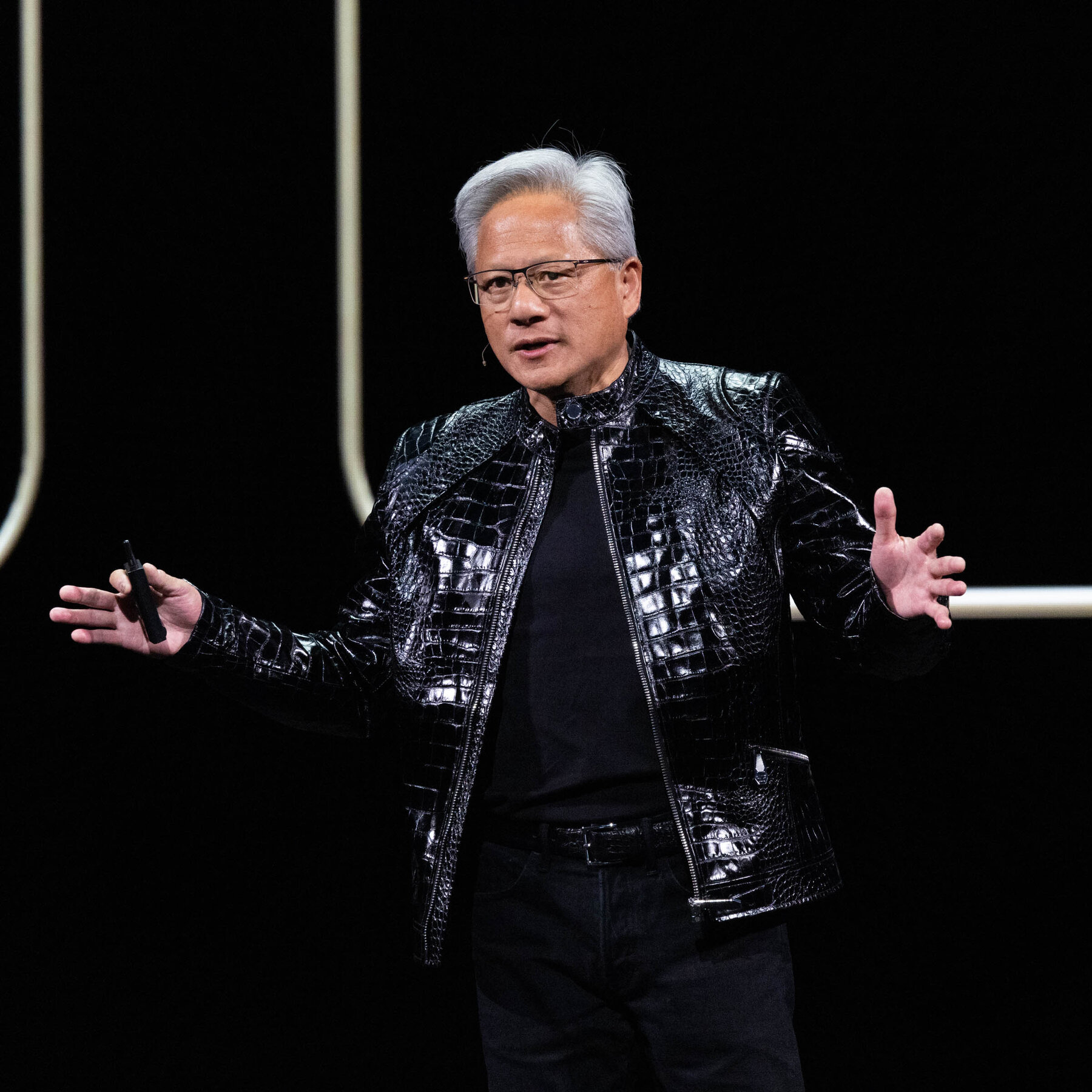
Nvidia’s AI-Driven Success Fails to Lift Market Spirits
- Nvidia’s latest earnings report beat expectations, driven by the booming artificial intelligence sector.
- Despite the company’s success, investor jitters persist, reflecting broader market concerns.
- The disconnect between Nvidia’s profits and market sentiment highlights the complexities of the current tech landscape.
Unpacking the Paradox of Nvidia’s Success
NVIDIA—Nvidia, the chip giant at the forefront of the artificial intelligence revolution, has once again reported record profits, surpassing investor expectations. The company’s commitment to innovation and strategic positioning within the AI sector have yielded impressive financial returns, cementing its status as a leader in the technology industry. However, the market’s reaction to this news has been surprisingly muted, with Nvidia’s stock failing to significantly boost the overall market mood.
This disconnect between Nvidia’s financial performance and the market’s lukewarm response underscores the intricate dynamics at play in the current financial landscape. As investors navigate the challenges and opportunities presented by emerging technologies, their sentiment is influenced by a myriad of factors, including regulatory uncertainty, global economic trends, and the volatile nature of technological innovation. The fact that Nvidia’s impressive earnings were not enough to assuage investor jitters suggests that the market is looking beyond the company’s immediate financial success, towards the broader implications of the AI boom and its potential impact on the global economy.
The paradox of Nvidia’s success, therefore, presents a compelling narrative that warrants a deeper exploration. By examining the underlying causes of the market’s subdued reaction, as well as the long-term implications of Nvidia’s dominance in the AI sector, we can gain a more nuanced understanding of the interconnectedness of technological advancement, financial markets, and societal trends. This story will delve into the complexities of the AI-driven economy, the role of key players like Nvidia, and the implications of their success for the future of technology and investment.
The AI Boom and Nvidia’s Strategic Positioning
The artificial intelligence sector has experienced unprecedented growth in recent years, with applications in fields such as data analytics, robotics, and autonomous vehicles. Nvidia, with its powerful graphics processing units (GPUs), has been at the forefront of this revolution, providing the computational horsepower necessary for complex AI algorithms to function. The company’s strategic decision to focus on the development of AI-specific hardware and software has paid off, with its products becoming the de facto standard for AI research and development.
However, Nvidia’s success in the AI sector is not without its challenges. The company faces intense competition from other tech giants, such as Google and Amazon, which are also investing heavily in AI research and development. Furthermore, the AI landscape is rapidly evolving, with new technologies and approaches emerging all the time. Nvidia must continue to innovate and adapt to stay ahead of the curve, a task that requires significant investment in research and development and a deep understanding of the rapidly changing AI ecosystem.
The implications of Nvidia’s success in the AI sector extend far beyond the company itself, with potential applications in a wide range of fields, from healthcare and finance to education and transportation. As AI technologies continue to advance, we can expect to see significant changes in the way we live and work, with Nvidia playing a key role in shaping this future. In this chapter, we will explore the current state of the AI sector, Nvidia’s position within it, and the potential implications of the company’s success for the broader technology landscape.
Nvidia’s strategic positioning within the AI sector has been driven by a combination of technological innovation and savvy business decisions. The company’s acquisition of DeepLearning.ai, a leading AI research firm, has provided access to cutting-edge AI expertise and technology, further solidifying Nvidia’s position as a leader in the field. Additionally, Nvidia’s partnerships with other tech companies, such as Microsoft and IBM, have enabled the development of new AI applications and services, expanding the company’s reach and influence within the sector.
Despite these successes, Nvidia faces significant challenges in maintaining its position at the forefront of the AI revolution. The company must continue to invest heavily in research and development, staying ahead of the curve in terms of technological innovation and adapting to the rapidly changing AI landscape. Furthermore, Nvidia must navigate the complex and often contentious world of AI ethics, ensuring that its products and services are used responsibly and for the benefit of society as a whole. By examining Nvidia’s strategic positioning within the AI sector, we can gain a deeper understanding of the company’s strengths and weaknesses, as well as the potential risks and opportunities associated with its dominance in the field.
In conclusion, Nvidia’s success in the AI sector is a testament to the company’s technological innovation and strategic vision. However, the AI landscape is rapidly evolving, and Nvidia must continue to adapt and innovate to stay ahead of the curve. As we look to the future, it will be interesting to see how Nvidia navigates the challenges and opportunities presented by the AI revolution, and how the company’s success will shape the broader technology landscape.
The next chapter will explore the market’s reaction to Nvidia’s success, examining the reasons behind the muted response and the implications of this reaction for the company and the broader technology sector. By analyzing the market’s sentiment and the underlying factors driving it, we can gain a deeper understanding of the complex interplay between technological innovation, financial markets, and societal trends.
Ultimately, the story of Nvidia’s success in the AI sector serves as a reminder of the complex and often unpredictable nature of technological innovation. As we move forward into an increasingly AI-driven world, it will be essential to stay informed about the latest developments and trends in the field, and to consider the potential implications of these advancements for our lives and our society. By doing so, we can work towards a future in which the benefits of AI are shared by all, and in which the risks and challenges associated with this technology are mitigated through responsible innovation and regulation.
In the context of Nvidia’s success, it is clear that the company’s commitment to innovation and strategic positioning within the AI sector have been key drivers of its financial performance. However, the market’s reaction to this news highlights the need for a more nuanced understanding of the complex interplay between technological advancement, financial markets, and societal trends. By examining the underlying causes of the market’s subdued response, as well as the long-term implications of Nvidia’s dominance in the AI sector, we can gain a more informed perspective on the future of technology and investment.
The Market’s Muted Reaction: A Deeper Analysis
The market’s muted reaction to Nvidia’s record profits has been a subject of fascination and debate among investors and analysts. Despite the company’s impressive financial performance, the stock market has failed to respond with the level of enthusiasm that might have been expected. This disconnect between Nvidia’s financial success and the market’s reaction raises important questions about the underlying factors driving investor sentiment and the potential implications of this reaction for the company and the broader technology sector.
One possible explanation for the market’s muted reaction is the current state of global economic uncertainty. With trade tensions, geopolitical instability, and concerns about the pace of global economic growth, investors are becoming increasingly cautious, preferring to adopt a wait-and-see approach rather than taking bold bets on the market. Nvidia’s success, while impressive, may not be enough to overcome these broader concerns, particularly if investors are unsure about the sustainability of the company’s growth in the face of increasing competition and regulatory challenges.
Another factor contributing to the market’s subdued response may be the evolving nature of the AI landscape. As AI technologies continue to advance, the competitive landscape is becoming increasingly complex, with new entrants and established players vying for position. Nvidia’s dominance in the AI sector, while significant, is not without its challenges, and investors may be hesitant to commit to the company’s stock until they have a clearer understanding of the long-term implications of these trends and the potential risks and opportunities associated with them.
Furthermore, the market’s reaction to Nvidia’s success may also reflect concerns about the company’s valuation and the potential for a correction. With Nvidia’s stock price having risen significantly in recent years, some investors may be waiting for a pullback before committing to the company, particularly if they believe that the current valuation is unsustainable in the long term. This caution is understandable, given the historical tendency for technology stocks to experience periods of volatility and the potential for unforeseen challenges to emerge in the future.
In this chapter, we will delve deeper into the market’s reaction to Nvidia’s success, examining the underlying factors driving investor sentiment and the potential implications of this reaction for the company and the broader technology sector. By analyzing the complex interplay between technological innovation, financial markets, and societal trends, we can gain a more nuanced understanding of the challenges and opportunities presented by the AI revolution and the role that companies like Nvidia are likely to play in shaping the future of technology and investment.
As we explore the market’s muted reaction to Nvidia’s success, it becomes clear that the company’s financial performance is just one aspect of a much larger narrative. The AI sector is rapidly evolving, with new technologies and trends emerging all the time, and Nvidia must continue to adapt and innovate to stay ahead of the curve. The market’s reaction, while important, is just one indicator of the company’s success, and Nvidia must navigate a complex landscape of technological, financial, and societal factors to maintain its position as a leader in the AI sector.
Ultimately, the story of the market’s reaction to Nvidia’s success serves as a reminder of the complex and often unpredictable nature of technological innovation. As we move forward into an increasingly AI-driven world, it will be essential to stay informed about the latest developments and trends in the field, and to consider the potential implications of these advancements for our lives and our society. By doing so, we can work towards a future in which the benefits of AI are shared by all, and in which the risks and challenges associated with this technology are mitigated through responsible innovation and regulation.
In conclusion, the market’s muted reaction to Nvidia’s success is a complex phenomenon, driven by a combination of factors, including global economic uncertainty, the evolving nature of the AI landscape, and concerns about the company’s valuation. As we look to the future, it will be interesting to see how Nvidia navigates the challenges and opportunities presented by the AI revolution, and how the company’s success will shape the broader technology landscape.
The next chapter will explore the implications of Nvidia’s success for the broader technology sector, examining the potential risks and opportunities associated with the company’s dominance in the AI sector. By analyzing the complex interplay between technological innovation, financial markets, and societal trends, we can gain a deeper understanding of the challenges and opportunities presented by the AI revolution and the role that companies like Nvidia are likely to play in shaping the future of technology and investment.
The Broader Implications of Nvidia’s Success
Nvidia’s success in the AI sector has significant implications for the broader technology landscape, with potential applications in a wide range of fields, from healthcare and finance to education and transportation. As AI technologies continue to advance, we can expect to see significant changes in the way we live and work, with Nvidia playing a key role in shaping this future.
One of the most significant implications of Nvidia’s success is the potential for AI to drive economic growth and productivity. By automating routine tasks and freeing up human resources for more creative and strategic work, AI has the potential to unlock new levels of efficiency and innovation, driving economic growth and improving living standards. Nvidia’s dominance in the AI sector positions the company at the forefront of this trend, with the potential to shape the future of work and commerce.
Another implication of Nvidia’s success is the potential for AI to drive social and environmental change. As AI technologies continue to advance, we can expect to see significant improvements in areas such as healthcare, education, and environmental sustainability. Nvidia’s commitment to responsible innovation and its partnerships with organizations focused on social and environmental causes highlight the company’s potential to drive positive change through its products and services.
However, the implications of Nvidia’s success are not without their challenges and risks. The increasing reliance on AI technologies raises important questions about job displacement, bias, and accountability, with potential implications for social cohesion and economic stability. Furthermore, the concentration of AI expertise and resources in the hands of a few large companies, including Nvidia, raises concerns about the potential for monopolistic practices and the suppression of innovation.
In this chapter, we will explore the broader implications of Nvidia’s success, examining the potential risks and opportunities associated with the company’s dominance in the AI sector. By analyzing the complex interplay between technological innovation, financial markets, and societal trends, we can gain a deeper understanding of the challenges and opportunities presented by the AI revolution and the role that companies like Nvidia are likely to play in shaping the future of technology and investment.
As we consider the implications of Nvidia’s success, it becomes clear that the company’s financial performance is just one aspect of a much larger narrative. The AI sector is rapidly evolving, with new technologies and trends emerging all the time, and Nvidia must continue to adapt and innovate to stay ahead of the curve. The potential risks and opportunities associated with the company’s dominance in the AI sector highlight the need for responsible innovation and regulation, as well as a deeper understanding of the complex interplay between technological advancement, financial markets, and societal trends.
Ultimately, the story of Nvidia’s success serves as a reminder of the complex and often unpredictable nature of technological innovation. As we move forward into an increasingly AI-driven world, it will be essential to stay informed about the latest developments and trends in the field, and to consider the potential implications of these advancements for our lives and our society. By doing so, we can work towards a future in which the benefits of AI are shared by all, and in which the risks and challenges associated with this technology are mitigated through responsible innovation and regulation.
In conclusion, the implications of Nvidia’s success are far-reaching and complex, with potential applications in a wide range of fields and significant risks and opportunities associated with the company’s dominance in the AI sector. As we look to the future, it will be interesting to see how Nvidia navigates the challenges and opportunities presented by the AI revolution, and how the company’s success will shape the broader technology landscape.
The next chapter will explore the potential risks and challenges associated with Nvidia’s dominance in the AI sector, examining the potential implications of the company’s success for the future of work, commerce, and society. By analyzing the complex interplay between technological innovation, financial markets, and societal trends, we can gain a deeper understanding of the challenges and opportunities presented by the AI revolution and the role that companies like Nvidia are likely to play in shaping the future of technology and investment.
The Future of Work and Commerce in an AI-Driven World
The AI revolution is transforming the way we live and work, with significant implications for the future of commerce and society. As AI technologies continue to advance, we can expect to see significant changes in the nature of work, with automation and augmentation becoming increasingly prevalent. Nvidia’s dominance in the AI sector positions the company at the forefront of this trend, with the potential to shape the future of work and commerce.
One of the most significant implications of the AI revolution is the potential for job displacement. As AI technologies become increasingly capable of automating routine tasks, there is a risk that many jobs will become obsolete, potentially leading to significant social and economic disruption. However, the AI revolution also presents opportunities for the creation of new jobs and industries, as well as the augmentation of existing roles, enabling humans to focus on more creative and strategic work.
Nvidia’s commitment to responsible innovation and its partnerships with organizations focused on education and workforce development highlight the company’s potential to drive positive change through its products and services. By investing in the development of AI-related skills and education, Nvidia can help to mitigate the risks associated with job displacement and ensure that the benefits of the AI revolution are shared by all.
Another implication of the AI revolution is the potential for significant changes in the nature of commerce. As AI technologies become increasingly prevalent, we can expect to see the emergence of new business models and industries, as well as the transformation of existing ones. Nvidia’s dominance in the AI sector positions the company at the forefront of this trend, with the potential to shape the future of commerce and drive economic growth.
In this chapter, we will explore the potential risks and challenges associated with Nvidia’s dominance in the AI sector, examining the implications of the company’s success for the future of work, commerce, and society. By analyzing the complex interplay between technological innovation, financial markets, and societal trends, we can gain a deeper understanding of the challenges and opportunities presented by the AI revolution and the role that companies like Nvidia are likely to play in shaping the future of technology and investment.
As we consider the implications of the AI revolution, it becomes clear that the future of work and commerce will be shaped by a complex interplay of technological, economic, and societal factors. Nvidia’s success in the AI sector is just one aspect of a much larger narrative, with significant implications for the future of humanity. By examining the potential risks and opportunities associated with the AI revolution, we can work towards a future in which the benefits of AI are shared by all, and in which the risks and challenges associated with this technology are mitigated through responsible innovation and regulation.
Ultimately, the story of Nvidia’s success serves as a reminder of the complex and often unpredictable nature of technological innovation. As we move forward into an increasingly AI-driven world, it will be essential to stay informed about the latest developments and trends in the field, and to consider the potential implications of these advancements for our lives and our society. By doing so, we can work towards a future in which the benefits of AI are shared by all, and in which the risks and challenges associated with this technology are mitigated through responsible innovation and regulation.
In conclusion, the future of work and commerce in an AI-driven world is complex and uncertain, with significant implications for the future of humanity. As we look to the future, it will be interesting to see how Nvidia navigates the challenges and opportunities presented by the AI revolution, and how the company’s success will shape the broader technology landscape.
The next chapter will explore the potential risks and challenges associated with the concentration of AI expertise and resources in the hands of a few large companies, including Nvidia. By analyzing the complex interplay between technological innovation, financial markets, and societal trends, we can gain a deeper understanding of the challenges and opportunities presented by the AI revolution and the role that companies like Nvidia are likely to play in shaping the future of technology and investment.
The Concentration of AI Expertise and Resources
The concentration of AI expertise and resources in the hands of a few large companies, including Nvidia, raises important questions about the potential risks and challenges associated with this trend. As AI technologies continue to advance, the concentration of expertise and resources in the hands of a few companies could potentially lead to a lack of diversity and innovation in the AI sector, as well as a lack of accountability and transparency.
One of the most significant implications of the concentration of AI expertise and resources is the potential for monopolistic practices. As a few large companies dominate the AI sector, there is a risk that they will use their market power to suppress innovation and limit access to AI technologies, potentially leading to a lack of competition and a decline in innovation. Nvidia’s dominance in the AI sector, while significant, is not without its challenges, and the company must navigate the complex landscape of AI regulation and competition to ensure that its success is sustainable and beneficial to all.
Another implication of the concentration of AI expertise and resources is the potential for a lack of accountability and transparency. As AI technologies become increasingly pervasive, there is a risk that the companies developing and deploying these technologies will not be held accountable for their actions, potentially leading to significant social and economic disruption. Nvidia’s commitment to responsible innovation and its partnerships with organizations focused on AI ethics and governance highlight the company’s potential to drive positive change through its products and services.
In this chapter, we will explore the potential risks and challenges associated with the concentration of AI expertise and resources, examining the implications of this trend for the future of innovation, competition, and accountability in the AI sector. By analyzing the complex interplay between technological innovation, financial markets, and societal trends, we can gain a deeper understanding of the challenges and opportunities presented by the AI revolution and the role that companies like Nvidia are likely to play in shaping the future of technology and investment.
As we consider the implications of the concentration of AI expertise and resources, it becomes clear that the future of the AI sector will be shaped by a complex interplay of technological, economic, and societal factors. Nvidia’s success in the AI sector is just one aspect of a much larger narrative, with significant implications for the future of humanity. By examining the potential risks and opportunities associated with the concentration of AI expertise and resources, we can work towards a future in which the benefits of AI are shared by all, and in which the risks and challenges associated with this technology are mitigated through responsible innovation and regulation.
Ultimately, the story of Nvidia’s success serves as a reminder of the complex and often unpredictable nature of technological innovation. As we move forward into an increasingly AI-driven world, it will be essential to stay informed about the latest developments and trends in the field, and to consider the potential implications of these advancements for our lives and our society. By doing so, we can work towards a future in which the benefits of AI are shared by all, and in which the risks and challenges associated with this technology are mitigated through responsible innovation and regulation.
In conclusion, the concentration of AI expertise and resources in the hands of a few large companies, including Nvidia, raises important questions about the potential risks and challenges associated with this trend. As we look to the future, it will be interesting to see how Nvidia navigates the challenges and opportunities presented by the AI revolution, and how the company’s success will shape the broader technology landscape.
The final chapter will explore the potential future developments in the AI sector, examining the implications of these advancements for the future of technology and investment. By analyzing the complex interplay between technological innovation, financial markets, and societal trends, we can gain a deeper understanding of the challenges and opportunities presented by the AI revolution and the role that companies like Nvidia are likely to play in shaping the future of technology and investment.
Future Developments in the AI Sector
The AI sector is rapidly evolving, with new technologies and trends emerging all the time. As we look to the future, it will be interesting to see how Nvidia navigates the challenges and opportunities presented by the AI revolution, and how the company’s success will shape the broader technology landscape. In this chapter, we will explore the potential future developments in the AI sector, examining the implications of these advancements for the future of technology and investment.
One of the most significant future developments in the AI sector is the potential for the emergence of new AI technologies and applications. As AI research and development continue to advance, we can expect to see significant improvements in areas such as natural language processing, computer vision, and machine learning. Nvidia’s commitment to innovation and its partnerships with organizations focused on AI research and development highlight the company’s potential to drive positive change through its products and services.
Another implication of future developments in the AI sector is the potential for significant changes in the nature of work and commerce. As AI technologies become increasingly pervasive, we can expect to see the emergence of new business models and industries, as well as the transformation of existing ones. Nvidia’s dominance in the AI sector positions the company at the forefront of this trend, with the potential to shape the future of work and commerce.
In conclusion, the future of the AI sector is complex and uncertain, with significant implications for the future of technology and investment. As we look to the future, it will be essential to stay informed about the latest developments and trends in the field, and to consider the potential implications of these advancements for our lives and our society. By doing so, we can work towards a future in which the benefits of AI are shared by all, and in which the risks and challenges associated with this technology are mitigated through responsible innovation and regulation.
Ultimately, the story of Nvidia’s success serves as a reminder of the complex and often unpredictable nature of technological innovation. As we move forward into an increasingly AI-driven world, it will be essential to stay informed about the latest developments and trends in the field, and to consider the potential implications of these advancements for our lives and our society. By doing so, we can work towards a future in which the benefits of AI are shared by all, and in which the risks and challenges associated with this technology are mitigated through responsible innovation and regulation.
In the final analysis, Nvidia’s success in the AI sector is a testament to the company’s technological innovation and strategic vision. However, the AI landscape is rapidly evolving, and Nvidia must continue to adapt and innovate to stay ahead of the curve. As we look to the future, it will be interesting to see how Nvidia navigates the challenges and opportunities presented by the AI revolution, and how the company’s success will shape the broader technology landscape.
