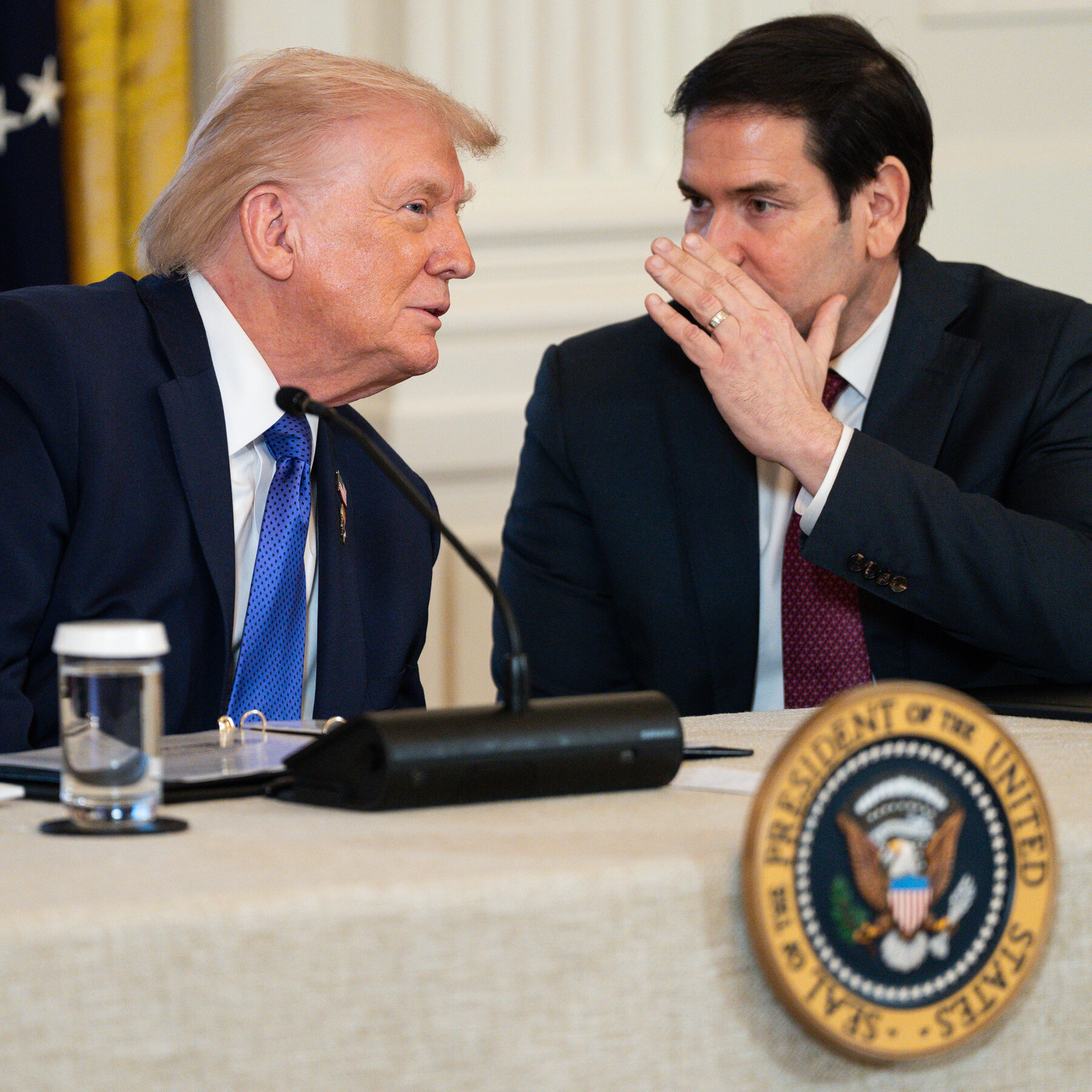
Trump’s Foreign Policy: A New Era of Empire Building
- The Trump administration’s foreign policy approach has been characterized as a revival of the mission of empire, with a focus on acquiring territories and resources of sovereign peoples.
- This approach has sparked controversy and debate among scholars, policymakers, and the general public, with some arguing that it is a necessary measure to protect American interests and others claiming that it is a form of imperialism.
- The implications of this approach are far-reaching, with potential consequences for global stability, international relations, and the future of international law.
Understanding the Concept of Empire in the Modern Era
TRUMP ADMINISTRATION—The concept of empire has a long and complex history, dating back to ancient civilizations. In the modern era, the concept of empire has evolved to encompass not only territorial expansion but also economic and cultural domination. The Trump administration’s foreign policy approach can be seen as a form of neo-imperialism, where the United States seeks to exert its influence and control over other nations through a combination of military power, economic coercion, and cultural hegemony.
The revival of the mission of empire under the Trump administration is not without historical precedent. The United States has a long history of imperialistic tendencies, from the annexation of Hawaii and the Philippines in the late 19th century to the invasion of Iraq in 2003. However, the Trump administration’s approach is distinct in its brazen disregard for international norms and institutions, as well as its willingness to challenge the existing global order.
The implications of this approach are already being felt, from the escalating tensions with China and Russia to the destabilization of the Middle East and the refugee crisis in Europe. As the world grapples with the challenges of the 21st century, it is essential to understand the historical context and theoretical frameworks that underpin the Trump administration’s foreign policy approach, and to consider the potential consequences of this approach for global stability and international relations.
The Historical Context of American Imperialism
The history of American imperialism is a complex and contested topic, with different scholars and historians offering varying interpretations of the nature and extent of American expansionism. However, most accounts agree that the United States has a long history of imperialistic tendencies, dating back to the early 19th century. The concept of Manifest Destiny, which emerged during this period, held that the United States was destined to expand its territory and spread its influence across North America.
The late 19th and early 20th centuries saw a significant expansion of American imperialism, with the annexation of Hawaii and the Philippines, as well as the establishment of American protectorates in Latin America and the Caribbean. The United States also emerged as a major economic power during this period, with American corporations and financial institutions playing a dominant role in the global economy.
The post-World War II period saw a significant shift in American foreign policy, with the United States emerging as one of the two superpowers in a bipolar world. The United States played a leading role in shaping the international order, from the establishment of the United Nations to the creation of the Bretton Woods system. However, this period also saw the emergence of new forms of American imperialism, including the use of covert operations and proxy wars to exert influence over other nations.
Despite the end of the Cold War and the emergence of a unipolar world, American imperialism continues to be a major factor in international relations. The invasion of Iraq in 2003, for example, was widely seen as a form of imperialistic aggression, with the United States seeking to exert its control over the Middle East and its oil resources. The Trump administration’s foreign policy approach can be seen as a continuation of this trend, with a focus on asserting American power and influence in a rapidly changing world.
The historical context of American imperialism is essential to understanding the Trump administration’s foreign policy approach. By examining the evolution of American expansionism over time, it is possible to identify patterns and trends that shape the current approach. This includes the use of military power, economic coercion, and cultural hegemony to exert influence over other nations, as well as the willingness to challenge international norms and institutions.
The study of American imperialism also highlights the importance of critical theory and critical scholarship in understanding the nature and extent of American power. By examining the ways in which American imperialism has been constructed and legitimized over time, it is possible to identify the underlying discourses and ideologies that shape American foreign policy. This includes the concept of American exceptionalism, which holds that the United States is a unique and special nation with a mission to spread its values and institutions to the rest of the world.
The Theoretical Frameworks of Imperialism
Theoretical frameworks play a crucial role in understanding the nature and extent of imperialism, including the Trump administration’s foreign policy approach. One of the most influential frameworks is Lenin’s theory of imperialism, which holds that imperialism is the highest stage of capitalism. According to Lenin, imperialism is a necessary consequence of capitalist development, as capitalist nations seek to expand their markets and resources through the exploitation of colonized peoples.
Another influential framework is the concept of neo-imperialism, which emerged in the post-World War II period. Neo-imperialism refers to the use of economic and cultural forms of domination to exert influence over other nations, rather than relying solely on military power. This approach is often associated with the concept of soft power, which holds that nations can exert influence through attraction and persuasion rather than coercion and force.
The Trump administration’s foreign policy approach can be seen as a form of neo-imperialism, with a focus on using economic and cultural forms of domination to exert influence over other nations. This includes the use of trade agreements and economic sanctions to coerce other nations into complying with American interests, as well as the promotion of American culture and values through social media and other forms of propaganda.
Other theoretical frameworks that are relevant to understanding the Trump administration’s foreign policy approach include the concept of realism, which holds that nations are primarily motivated by self-interest and security concerns. Realist theory suggests that the Trump administration’s approach is a rational response to the challenges of a rapidly changing world, where nations must compete for power and influence in order to survive.
However, realist theory has been criticized for its narrow focus on state interests and its neglect of other factors that shape international relations, such as ideology and culture. Other frameworks, such as constructivism and post-structuralism, offer a more nuanced understanding of the complex interactions and relationships that shape international relations. These frameworks highlight the importance of discourse and ideology in shaping American foreign policy, including the role of exceptionalism and the concept of the ‘other’ in constructing American identity and interests.
Theoretical frameworks are essential to understanding the Trump administration’s foreign policy approach, as they provide a basis for analyzing and interpreting the complex interactions and relationships that shape international relations. By examining the different frameworks and theories that underpin American imperialism, it is possible to identify the underlying assumptions and ideologies that shape American foreign policy, and to consider the potential consequences of this approach for global stability and international relations.
The study of theoretical frameworks also highlights the importance of critical theory and critical scholarship in understanding the nature and extent of American power. By examining the ways in which American imperialism has been constructed and legitimized over time, it is possible to identify the underlying discourses and ideologies that shape American foreign policy, and to consider the potential consequences of this approach for global stability and international relations.
Furthermore, the study of theoretical frameworks emphasizes the need for a nuanced and multifaceted understanding of international relations, one that takes into account the complex interactions and relationships that shape global politics. This includes the role of non-state actors, such as corporations and NGOs, as well as the impact of globalization and technological change on international relations.
The Economic Dimensions of Imperialism
The economic dimensions of imperialism are a critical aspect of understanding the Trump administration’s foreign policy approach. The United States has long been a dominant economic power, with American corporations and financial institutions playing a major role in shaping the global economy. The Trump administration’s approach can be seen as a form of economic imperialism, with a focus on using economic forms of domination to exert influence over other nations.
The use of trade agreements and economic sanctions is a key aspect of the Trump administration’s economic imperialism. The United States has used trade agreements, such as NAFTA and the TPP, to exert its influence over other nations and to promote American economic interests. The Trump administration has also used economic sanctions to coerce other nations into complying with American interests, such as the sanctions imposed on Iran and North Korea.
The Trump administration’s economic imperialism is also reflected in its approach to globalization and technological change. The administration has been critical of globalization, arguing that it has led to the decline of American manufacturing and the loss of American jobs. The administration has also been skeptical of technological change, arguing that it has led to the displacement of American workers and the erosion of American economic power.
However, the Trump administration’s economic imperialism is not without its challenges and contradictions. The administration’s approach has been criticized for its protectionist tendencies, which have led to trade wars and economic tensions with other nations. The administration’s approach has also been criticized for its neglect of the global economy, which has led to a decline in international cooperation and a rise in economic nationalism.
The study of the economic dimensions of imperialism highlights the importance of understanding the complex interactions and relationships that shape international relations. The Trump administration’s economic imperialism is not a new phenomenon, but rather a continuation of a long history of American economic expansionism. By examining the economic dimensions of imperialism, it is possible to identify the underlying drivers and motivations that shape American foreign policy, and to consider the potential consequences of this approach for global stability and international relations.
The economic dimensions of imperialism also emphasize the need for a nuanced and multifaceted understanding of international relations, one that takes into account the complex interactions and relationships that shape global politics. This includes the role of non-state actors, such as corporations and NGOs, as well as the impact of globalization and technological change on international relations.
Furthermore, the study of the economic dimensions of imperialism highlights the importance of critical theory and critical scholarship in understanding the nature and extent of American power. By examining the ways in which American imperialism has been constructed and legitimized over time, it is possible to identify the underlying discourses and ideologies that shape American foreign policy, and to consider the potential consequences of this approach for global stability and international relations.
The economic dimensions of imperialism are a critical aspect of understanding the Trump administration’s foreign policy approach. The use of economic forms of domination, such as trade agreements and economic sanctions, is a key aspect of the administration’s approach. The study of the economic dimensions of imperialism highlights the importance of understanding the complex interactions and relationships that shape international relations, and the need for a nuanced and multifaceted understanding of global politics.
The Cultural Dimensions of Imperialism
The cultural dimensions of imperialism are a critical aspect of understanding the Trump administration’s foreign policy approach. The United States has long been a dominant cultural power, with American culture and values playing a major role in shaping the global cultural landscape. The Trump administration’s approach can be seen as a form of cultural imperialism, with a focus on promoting American culture and values to other nations.
The promotion of American culture and values is a key aspect of the Trump administration’s cultural imperialism. The administration has used a variety of tools, including social media and cultural exchange programs, to promote American culture and values to other nations. The administration has also used cultural diplomacy, such as the use of cultural ambassadors and cultural events, to promote American culture and values.
The Trump administration’s cultural imperialism is also reflected in its approach to globalization and technological change. The administration has been critical of globalization, arguing that it has led to the decline of American culture and the loss of American identity. The administration has also been skeptical of technological change, arguing that it has led to the erosion of American culture and the displacement of American workers.
However, the Trump administration’s cultural imperialism is not without its challenges and contradictions. The administration’s approach has been criticized for its narrow and exclusive definition of American culture, which has led to the marginalization of minority cultures and the erosion of cultural diversity. The administration’s approach has also been criticized for its neglect of the global cultural landscape, which has led to a decline in international cooperation and a rise in cultural nationalism.
The study of the cultural dimensions of imperialism highlights the importance of understanding the complex interactions and relationships that shape international relations. The Trump administration’s cultural imperialism is not a new phenomenon, but rather a continuation of a long history of American cultural expansionism. By examining the cultural dimensions of imperialism, it is possible to identify the underlying drivers and motivations that shape American foreign policy, and to consider the potential consequences of this approach for global stability and international relations.
The cultural dimensions of imperialism also emphasize the need for a nuanced and multifaceted understanding of international relations, one that takes into account the complex interactions and relationships that shape global politics. This includes the role of non-state actors, such as corporations and NGOs, as well as the impact of globalization and technological change on international relations.
Furthermore, the study of the cultural dimensions of imperialism highlights the importance of critical theory and critical scholarship in understanding the nature and extent of American power. By examining the ways in which American imperialism has been constructed and legitimized over time, it is possible to identify the underlying discourses and ideologies that shape American foreign policy, and to consider the potential consequences of this approach for global stability and international relations.
The cultural dimensions of imperialism are a critical aspect of understanding the Trump administration’s foreign policy approach. The promotion of American culture and values is a key aspect of the administration’s approach, and the study of the cultural dimensions of imperialism highlights the importance of understanding the complex interactions and relationships that shape international relations.
The Geopolitical Implications of Imperialism
The geopolitical implications of imperialism are a critical aspect of understanding the Trump administration’s foreign policy approach. The United States has long been a dominant geopolitical power, with American military and economic power playing a major role in shaping the global landscape. The Trump administration’s approach can be seen as a form of geopolitical imperialism, with a focus on using American power to exert influence over other nations.
The use of military power is a key aspect of the Trump administration’s geopolitical imperialism. The administration has used military force to exert influence over other nations, such as the use of drone strikes and special operations forces. The administration has also used economic forms of coercion, such as sanctions and trade agreements, to exert influence over other nations.
The Trump administration’s geopolitical imperialism is also reflected in its approach to global governance and international institutions. The administration has been critical of international institutions, such as the United Nations and the European Union, arguing that they are ineffective and corrupt. The administration has also been skeptical of global governance, arguing that it is a threat to American sovereignty and power.
However, the Trump administration’s geopolitical imperialism is not without its challenges and contradictions. The administration’s approach has been criticized for its narrow and exclusive definition of American interests, which has led to the marginalization of other nations and the erosion of international cooperation. The administration’s approach has also been criticized for its neglect of the global security landscape, which has led to a decline in international stability and a rise in global tensions.
The study of the geopolitical implications of imperialism highlights the importance of understanding the complex interactions and relationships that shape international relations. The Trump administration’s geopolitical imperialism is not a new phenomenon, but rather a continuation of a long history of American geopolitical expansionism. By examining the geopolitical implications of imperialism, it is possible to identify the underlying drivers and motivations that shape American foreign policy, and to consider the potential consequences of this approach for global stability and international relations.
The geopolitical implications of imperialism also emphasize the need for a nuanced and multifaceted understanding of international relations, one that takes into account the complex interactions and relationships that shape global politics. This includes the role of non-state actors, such as corporations and NGOs, as well as the impact of globalization and technological change on international relations.
Furthermore, the study of the geopolitical implications of imperialism highlights the importance of critical theory and critical scholarship in understanding the nature and extent of American power. By examining the ways in which American imperialism has been constructed and legitimized over time, it is possible to identify the underlying discourses and ideologies that shape American foreign policy, and to consider the potential consequences of this approach for global stability and international relations.
The geopolitical implications of imperialism are a critical aspect of understanding the Trump administration’s foreign policy approach. The use of military power and economic forms of coercion is a key aspect of the administration’s approach, and the study of the geopolitical implications of imperialism highlights the importance of understanding the complex interactions and relationships that shape international relations.
Conclusion: The Future of American Imperialism
The future of American imperialism is a critical aspect of understanding the Trump administration’s foreign policy approach. The administration’s approach can be seen as a form of neo-imperialism, with a focus on using economic and cultural forms of domination to exert influence over other nations. However, this approach is not without its challenges and contradictions, and it remains to be seen whether the administration’s approach will be successful in achieving its goals.
The study of American imperialism highlights the importance of understanding the complex interactions and relationships that shape international relations. By examining the historical context, theoretical frameworks, economic dimensions, cultural dimensions, and geopolitical implications of imperialism, it is possible to identify the underlying drivers and motivations that shape American foreign policy, and to consider the potential consequences of this approach for global stability and international relations.
The future of American imperialism is uncertain, and it remains to be seen whether the Trump administration’s approach will be successful in achieving its goals. However, one thing is clear: the study of American imperialism is essential to understanding the complex interactions and relationships that shape international relations, and to considering the potential consequences of this approach for global stability and international relations.
The Trump administration’s foreign policy approach is a critical aspect of understanding the future of American imperialism. The administration’s approach can be seen as a form of neo-imperialism, with a focus on using economic and cultural forms of domination to exert influence over other nations. However, this approach is not without its challenges and contradictions, and it remains to be seen whether the administration’s approach will be successful in achieving its goals.
The study of American imperialism highlights the importance of critical theory and critical scholarship in understanding the nature and extent of American power. By examining the ways in which American imperialism has been constructed and legitimized over time, it is possible to identify the underlying discourses and ideologies that shape American foreign policy, and to consider the potential consequences of this approach for global stability and international relations.
The future of American imperialism is a critical aspect of understanding the Trump administration’s foreign policy approach. The administration’s approach can be seen as a form of neo-imperialism, with a focus on using economic and cultural forms of domination to exert influence over other nations. However, this approach is not without its challenges and contradictions, and it remains to be seen whether the administration’s approach will be successful in achieving its goals.
