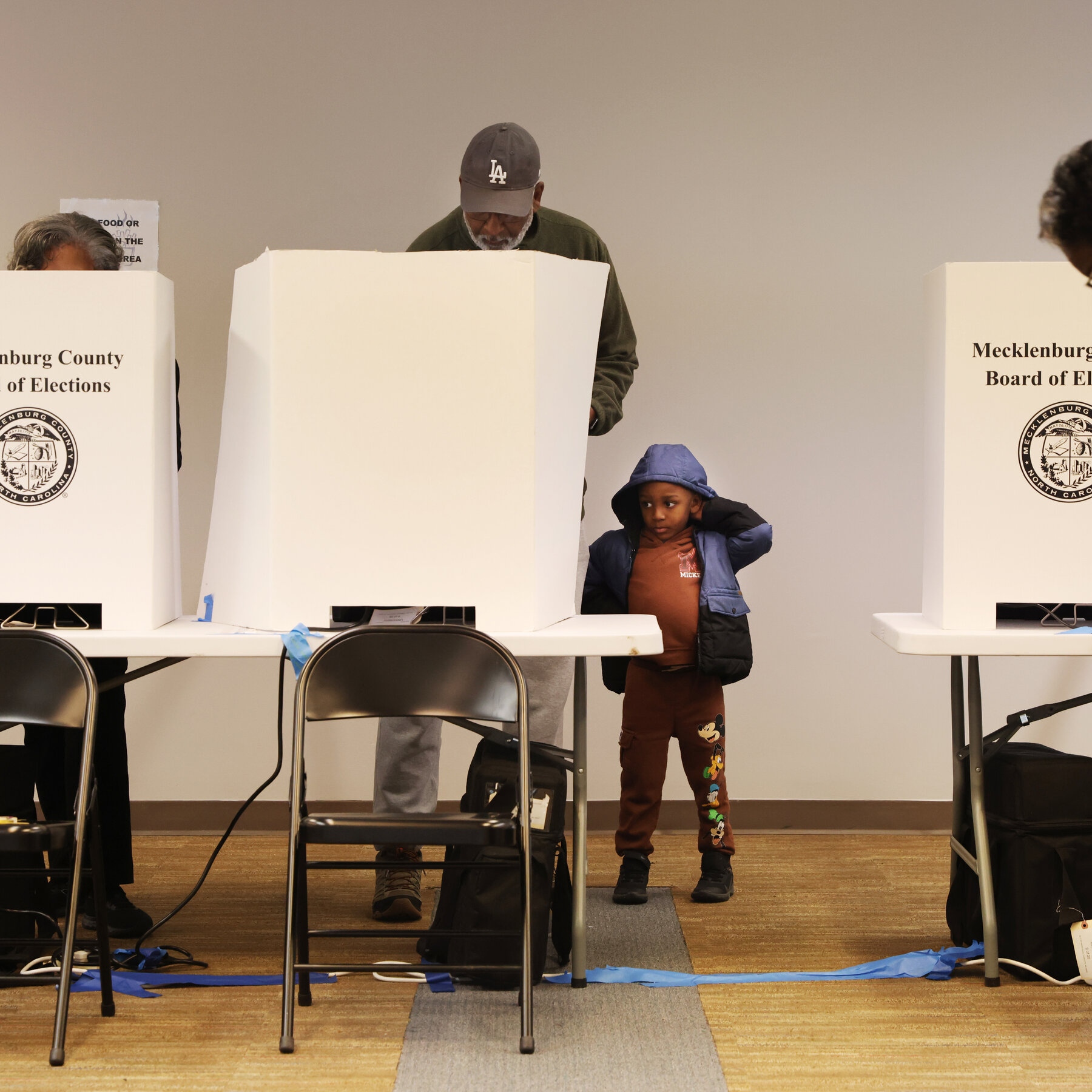
North Carolina Primaries: A Turning Point for Democrats
- The North Carolina primaries are witnessing a surge in left-wing candidates challenging traditional Democratic stalwarts.
- From the Charlotte-area House race to three statehouse races, liberals are making their presence felt.
- The primaries may signal a shift in the Democratic Party’s ideology and a growing demand for more progressive policies.
A New Era in North Carolina Politics
NORTH CAROLINA PRIMARIES—The North Carolina primaries have historically been a battleground for Democrats and Republicans, with each side vying for control of the state’s governance. However, this year’s primaries are different. The left-wing of the Democratic Party is becoming increasingly vocal, with several candidates challenging traditional Democratic incumbents. This surge in left-wing activism is not limited to a single region, with candidates from various parts of the state stepping forward to challenge the status quo.
The rise of left-wing candidates in North Carolina is not an isolated phenomenon. It reflects a broader trend within the Democratic Party, where progressives are demanding more radical policies to address issues like income inequality, climate change, and social justice. The party’s leadership is being forced to confront the changing demographics and values of its base, which is becoming increasingly diverse and left-leaning.
As the primaries unfold, it remains to be seen whether the left-wing insurgency will succeed in unseating traditional Democratic incumbents. However, one thing is clear: the North Carolina primaries mark a significant turning point in the state’s politics, with the potential to reshape the Democratic Party’s ideology and trajectory.
The Rise of Left-Wing Activism in North Carolina
The left-wing movement in North Carolina has been gaining momentum over the past few years, with activists and organizations working tirelessly to promote progressive policies and challenge the state’s conservative establishment. This movement has been driven by a range of factors, including the state’s growing diversity, the increasing visibility of social and economic inequalities, and the perceived failure of traditional Democratic politicians to address these issues.
At the forefront of this movement are a number of left-wing candidates who are challenging traditional Democratic incumbents in the primaries. These candidates are running on platforms that emphasize the need for radical change, including policies like Medicare for All, free college tuition, and a $15 minimum wage. They are also highlighting the need for greater transparency and accountability within the Democratic Party, which they see as being too beholden to special interests and corporate donors.
One of the key factors driving the left-wing surge in North Carolina is the state’s changing demographics. The state is becoming increasingly diverse, with growing Latino and African American populations. These communities are bringing new perspectives and values to the political process, and are demanding greater representation and inclusion within the Democratic Party. At the same time, the state’s traditional liberal strongholds, such as the Research Triangle and Charlotte, are becoming increasingly progressive, with voters seeking out candidates who will champion bold, transformative policies.
Despite these trends, the left-wing movement in North Carolina faces significant challenges. The state’s conservative establishment is powerful and well-entrenched, and will stop at nothing to maintain its grip on power. The Democratic Party’s leadership is also divided, with some leaders hesitant to embrace the more radical policies being advocated by left-wing activists. Nevertheless, the left-wing surge in North Carolina is an important development, one that reflects a broader shift within the Democratic Party and the nation as a whole.
The implications of this shift are far-reaching. If left-wing candidates succeed in unseating traditional Democratic incumbents, it could lead to a more progressive Democratic Party, one that is more willing to challenge the status quo and push for radical change. This, in turn, could have significant consequences for the nation, as the Democratic Party is a major force in American politics. Alternatively, if the left-wing insurgency fails, it could lead to a period of soul-searching and introspection within the party, as activists and leaders seek to understand what went wrong and how to rebuild for the future.
The Battle for the Charlotte-Area House Seat
The Charlotte-area House seat is one of the most closely watched races in the North Carolina primaries. The seat is currently held by a traditional Democratic incumbent, who is being challenged by a left-wing candidate. The challenger is running on a platform that emphasizes the need for greater economic equality, environmental protection, and social justice. They are also highlighting the incumbent’s record on issues like healthcare, education, and labor rights, which they see as being too conservative and out of touch with the needs of the community.
The battle for the Charlotte-area House seat reflects the broader trends within the Democratic Party. The incumbent represents the old guard of the party, which is seen as being too beholden to special interests and corporate donors. The challenger, on the other hand, represents the new wave of left-wing activism that is sweeping the nation. They are part of a movement that is demanding greater transparency and accountability within the party, and is pushing for more radical policies to address the pressing issues of our time.
The implications of this race are significant. If the left-wing challenger succeeds in unseating the traditional Democratic incumbent, it could send a powerful message to the party’s leadership and the nation as a whole. It would demonstrate that the left-wing movement is a force to be reckoned with, and that voters are hungry for bold, transformative policies. On the other hand, if the incumbent retains their seat, it could be seen as a setback for the left-wing movement, and a sign that the party’s leadership is still wedded to the status quo.
Despite the high stakes, the battle for the Charlotte-area House seat is not just about the candidates or their policies. It is also about the future of the Democratic Party and the nation as a whole. The party is at a crossroads, with the left-wing movement pushing for radical change and the traditional leadership resisting these efforts. The outcome of this race will be closely watched by supporters and opponents of the left-wing movement, and will have significant implications for the party’s trajectory in the years to come.
The Charlotte-area House seat is just one of several races in the North Carolina primaries that are being closely watched. There are also several statehouse races, where left-wing candidates are challenging traditional Democratic incumbents. These races reflect the broader trends within the party, with the left-wing movement pushing for greater representation and inclusion. They also highlight the challenges facing the party’s leadership, which must balance the demands of its left-wing base with the need to appeal to a broader electorate.
As the primaries unfold, it remains to be seen which candidates will emerge victorious. However, one thing is clear: the North Carolina primaries mark a significant turning point in the state’s politics, with the potential to reshape the Democratic Party’s ideology and trajectory. The left-wing movement is on the rise, and its implications will be felt for years to come.
The Statehouse Races: A Test of Left-Wing Strength
The statehouse races in North Carolina are a key test of the left-wing movement’s strength and organization. There are several races where left-wing candidates are challenging traditional Democratic incumbents, and the outcomes will be closely watched by supporters and opponents of the movement. The races reflect the broader trends within the party, with the left-wing movement pushing for greater representation and inclusion, and the traditional leadership resisting these efforts.
One of the key factors driving the left-wing surge in the statehouse races is the growing dissatisfaction with the party’s traditional leadership. Many voters feel that the party’s leaders are out of touch with their needs and concerns, and are seeking out candidates who will champion bold, transformative policies. The left-wing movement is responding to this demand, with candidates who are running on platforms that emphasize the need for radical change and greater accountability within the party.
Despite the challenges facing the left-wing movement, the statehouse races offer a significant opportunity for the movement to make gains and build momentum. The movement has been gaining strength and organization over the past few years, with activists and organizations working tirelessly to promote progressive policies and challenge the state’s conservative establishment. The statehouse races are a key part of this effort, as they offer a chance for the movement to elect candidates who will champion its values and push for radical change.
The implications of the statehouse races are far-reaching. If the left-wing movement succeeds in electing several candidates, it could lead to a more progressive state legislature, one that is more willing to challenge the status quo and push for radical change. This, in turn, could have significant consequences for the state and the nation, as North Carolina is a key battleground in the struggle for progressive policies and values.
On the other hand, if the traditional Democratic incumbents retain their seats, it could be seen as a setback for the left-wing movement, and a sign that the party’s leadership is still wedded to the status quo. This could lead to a period of soul-searching and introspection within the party, as activists and leaders seek to understand what went wrong and how to rebuild for the future.
The statehouse races in North Carolina are just one part of a broader national trend. The left-wing movement is rising across the country, with activists and organizations working to promote progressive policies and challenge the conservative establishment. The movement is driving a wedge within the Democratic Party, with some leaders embracing its values and others resisting its efforts. As the primaries unfold, it remains to be seen which candidates will emerge victorious, and what the implications will be for the party and the nation as a whole.
Despite the uncertainty surrounding the statehouse races, one thing is clear: the North Carolina primaries mark a significant turning point in the state’s politics. The left-wing movement is on the rise, and its implications will be felt for years to come. Whether the movement succeeds in its efforts to challenge the traditional Democratic incumbents and push for radical change remains to be seen. However, the very fact that the movement is rising and gaining strength is a significant development, one that reflects a broader shift within the Democratic Party and the nation as a whole.
The Future of the Democratic Party: Implications and Consequences
The North Carolina primaries are just one part of a broader national trend. The left-wing movement is rising across the country, with activists and organizations working to promote progressive policies and challenge the conservative establishment. The movement is driving a wedge within the Democratic Party, with some leaders embracing its values and others resisting its efforts.
The implications of this trend are far-reaching. If the left-wing movement succeeds in its efforts to challenge the traditional Democratic incumbents and push for radical change, it could lead to a more progressive Democratic Party, one that is more willing to challenge the status quo and push for radical change. This, in turn, could have significant consequences for the nation, as the Democratic Party is a major force in American politics.
On the other hand, if the traditional Democratic incumbents resist the left-wing movement and maintain their grip on power, it could lead to a period of stagnation and decline within the party. The party’s leadership would be seen as out of touch with its base, and the party would struggle to appeal to a broader electorate. This could have significant consequences for the nation, as the Democratic Party would be less able to challenge the conservative establishment and push for progressive policies.
Despite the uncertainty surrounding the future of the Democratic Party, one thing is clear: the North Carolina primaries mark a significant turning point in the state’s politics. The left-wing movement is on the rise, and its implications will be felt for years to come. Whether the movement succeeds in its efforts to challenge the traditional Democratic incumbents and push for radical change remains to be seen. However, the very fact that the movement is rising and gaining strength is a significant development, one that reflects a broader shift within the Democratic Party and the nation as a whole.
The future of the Democratic Party is uncertain, but one thing is clear: the party is at a crossroads. The left-wing movement is pushing for radical change, and the traditional leadership is resisting these efforts. The outcome of this struggle will have significant implications for the party and the nation, and will shape the course of American politics for years to come.
As the primaries unfold, it remains to be seen which candidates will emerge victorious, and what the implications will be for the party and the nation as a whole. However, one thing is clear: the North Carolina primaries are a significant development, one that reflects a broader shift within the Democratic Party and the nation as a whole. The left-wing movement is on the rise, and its implications will be felt for years to come.
Conclusion: The North Carolina Primaries and the Future of American Politics
The North Carolina primaries are a significant development in American politics. The left-wing movement is on the rise, and its implications will be felt for years to come. Whether the movement succeeds in its efforts to challenge the traditional Democratic incumbents and push for radical change remains to be seen. However, the very fact that the movement is rising and gaining strength is a significant development, one that reflects a broader shift within the Democratic Party and the nation as a whole.
The North Carolina primaries mark a significant turning point in the state’s politics, with the potential to reshape the Democratic Party’s ideology and trajectory. The left-wing movement is a force to be reckoned with, and its implications will be felt for years to come. As the primaries unfold, it remains to be seen which candidates will emerge victorious, and what the implications will be for the party and the nation as a whole.
Despite the uncertainty surrounding the future of the Democratic Party, one thing is clear: the party is at a crossroads. The left-wing movement is pushing for radical change, and the traditional leadership is resisting these efforts. The outcome of this struggle will have significant implications for the party and the nation, and will shape the course of American politics for years to come.
The North Carolina primaries are just one part of a broader national trend. The left-wing movement is rising across the country, with activists and organizations working to promote progressive policies and challenge the conservative establishment. The movement is driving a wedge within the Democratic Party, with some leaders embracing its values and others resisting its efforts.
As the primaries unfold, it remains to be seen which candidates will emerge victorious, and what the implications will be for the party and the nation as a whole. However, one thing is clear: the North Carolina primaries are a significant development, one that reflects a broader shift within the Democratic Party and the nation as a whole. The left-wing movement is on the rise, and its implications will be felt for years to come.
In conclusion, the North Carolina primaries are a significant development in American politics. The left-wing movement is on the rise, and its implications will be felt for years to come. The primaries mark a significant turning point in the state’s politics, with the potential to reshape the Democratic Party’s ideology and trajectory. As the primaries unfold, it remains to be seen which candidates will emerge victorious, and what the implications will be for the party and the nation as a whole.
