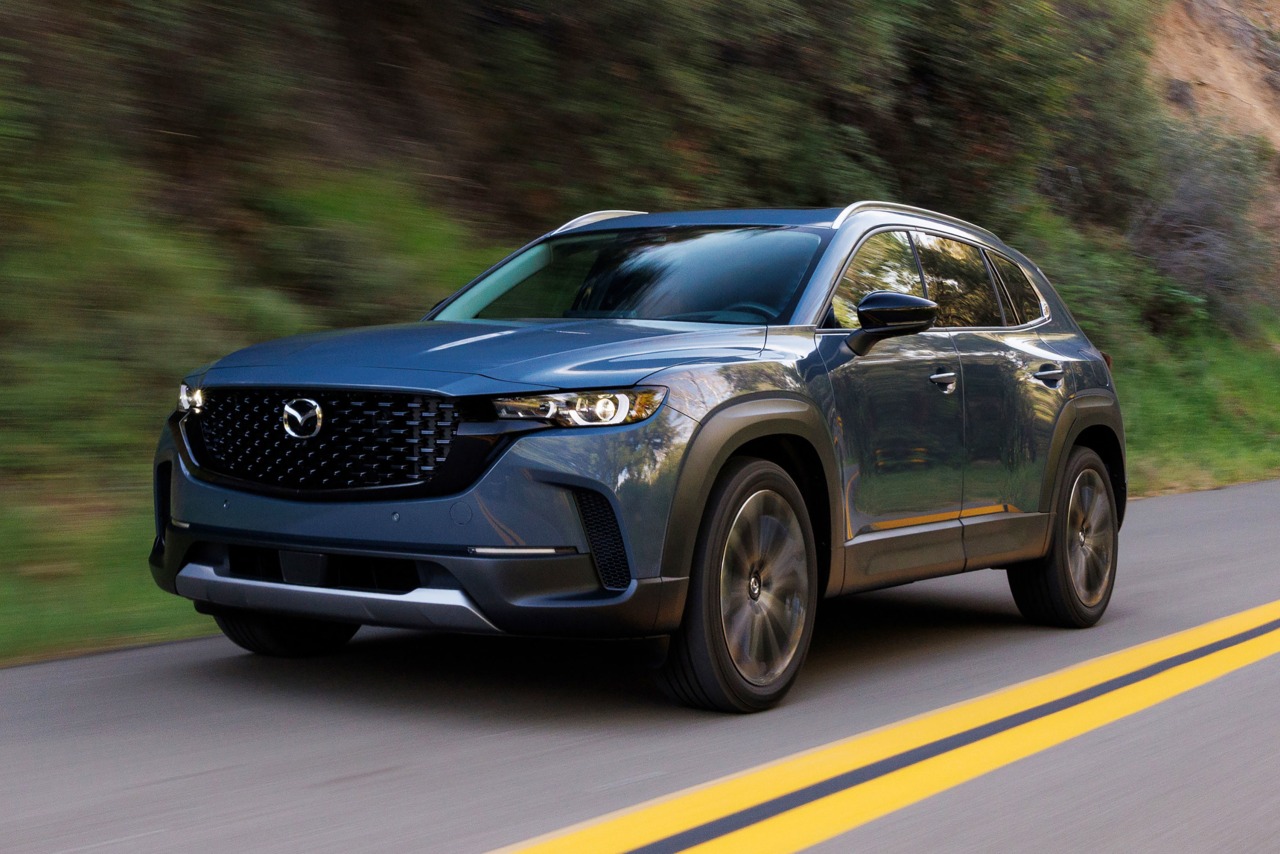
A Mazda Stays Relevant By Staying the Course
- The Mazda CX-50 embodies a unique blend of modern technology and timeless design principles.
- By embracing serene interiors and analog controls, Mazda offers a distinct driving experience.
- In an era of overwhelming tech integration, the CX-50 stands out as a haven for those seeking a more human-centric approach to automotive design.
Finding Solace in Simplicity
MAZDA—In a world where technology advances at a breakneck pace, it’s refreshing to encounter a brand that not only acknowledges the value of tradition but also incorporates it into its design philosophy. The Mazda CX-50 is more than just a vehicle; it’s a statement of intent—a commitment to creating a driving experience that resonates with those who yearn for a simpler, more tactile connection with their car.
The interior of the CX-50 is a masterclass in understated elegance, combining premium materials with a thoughtful approach to ergonomics. Every element, from the analog controls to the meticulously crafted dashboard, speaks to a design ethos that prioritizes coherence and simplicity over the whims of fleeting trends. This approach doesn’t merely result in a visually pleasing environment; it also fosters a deeper sense of driver engagement, encouraging a more intuitive and enjoyable driving experience.
As the automotive world hurtles towards an increasingly digital future, the appeal of the Mazda CX-50 lies in its nuanced embrace of both the old and the new. It’s a vehicle that recognizes the benefits of advanced technology without sacrificing the fundamental joys of driving. Whether navigating through bustling city streets or cruising down a serene highway, the CX-50 promises a journey that’s as much about the traveler as it is about the destination.
The Philosophy Behind Mazda’s Design
Mazda’s commitment to its design philosophy is deeply rooted in the concept of Jinba Ittai, or ‘horse and rider as one.’ This ethos, borrowed from the ancient Japanese art of archery, underscores the importance of a harmonious relationship between the driver and the vehicle. The CX-50 is a tangible manifestation of this philosophy, with every design element carefully considered to enhance the driving experience.
The use of analog controls, for instance, is not merely a nostalgic nod to the past but a deliberate design choice aimed at reducing the cognitive load on the driver. By minimizing the need to interact with complex digital interfaces, Mazda creates an environment that allows drivers to focus on the road ahead, fostering a more immersive and engaging driving experience.
Furthermore, the emphasis on serene interiors reflects Mazda’s understanding of the psychological impact of the driving environment on the driver’s state of mind. The meticulous attention to detail, from the premium feel of the materials to the considered placement of each control, contributes to a sense of tranquility and comfort. This approach is particularly noteworthy in an era where the pervasive influence of technology can often lead to a sense of overwhelm and distraction.
The design of the CX-50 also highlights Mazda’s adherence to the principle of Kodo, or ‘soul of motion,’ which seeks to capture the dynamic movement and energy of living creatures in the vehicle’s form. The result is a vehicle that not only looks sleek and modern but also conveys a sense of vitality and movement, even when standing still.
In adopting this multifaceted design approach, Mazda distinguishes itself from competitors who might prioritize technological gimmicks over timeless design principles. The CX-50, therefore, serves as a beacon for those who value a more holistic driving experience, one that combines the benefits of modern technology with the elegance and simplicity of classic design.
As the automotive landscape continues to evolve, Mazda’s dedication to its core design philosophy positions the brand for long-term success. By staying true to its principles, Mazda can continue to attract a loyal following of drivers who appreciate the unique blend of innovation, aesthetics, and driving enjoyment that the brand consistently delivers.
The essence of Mazda’s design philosophy, as embodied by the CX-50, is not just about creating cars; it’s about crafting experiences. It’s about understanding the intricate dance between the driver, the vehicle, and the environment, and then using that understanding to create a symphony of motion that is both exhilarating and serene. In a world that is increasingly fast-paced and digital, Mazda offers a refreshing respite, a chance to reconnect with the joy of driving in its purest form.
The Human-Centric Approach to Technology
The integration of technology in the Mazda CX-50 is a prime example of how innovation can be harnessed to enhance, rather than overwhelm, the driving experience. By adopting a human-centric approach to technology, Mazda ensures that each feature serves a tangible purpose, whether it’s to improve safety, enhance comfort, or simply make the drive more enjoyable.
One of the standout aspects of the CX-50’s technology suite is its intuitive interface. Recognizing that the proliferation of touchscreens and complex menus can detract from the driving experience, Mazda has opted for a more balanced approach. The combination of physical controls and a thoughtfully designed infotainment system means that drivers can access the information and functions they need without becoming distracted from the road.
This balanced integration of technology also extends to safety features. The CX-50 is equipped with a comprehensive suite of advanced safety technologies, including adaptive cruise control, lane departure warning, and automatic emergency braking. These features not only provide an additional layer of protection but also contribute to a more relaxed and confident driving experience.
Moreover, Mazda’s approach to technology underscores the brand’s commitment to enhancing the human experience, rather than simply showcasing technological prowess. This is evident in the subtle yet effective ways in which technology is used to facilitate a more enjoyable drive. For example, the premium audio system is designed to provide crystal-clear sound, creating an immersive listening experience that complements the serene ambiance of the interior.
The incorporation of technology in the CX-50 also reflects Mazda’s vision for the future of driving. As the automotive industry moves towards greater electrification and autonomy, Mazda is poised to leverage its human-centric design philosophy to create vehicles that not only embrace these technologies but also ensure that the driver remains at the forefront of the experience.
In this context, the CX-50 can be seen as a precursor to a new era of Mazda vehicles, ones that will seamlessly integrate the latest technological advancements with the timeless principles of good design. By focusing on the interplay between the driver, the vehicle, and technology, Mazda is essentially redefining what it means to drive in the 21st century, creating a synthesis that is both futuristic and rooted in tradition.
This human-centric approach to technology, coupled with Mazda’s dedication to its design principles, positions the CX-50 as a leader in its class. It’s a vehicle that appeals not just to the senses but also to the desire for a more authentic, more engaging driving experience—a desire that is increasingly overlooked in the rush towards technological sophistication.
The Evolution of Automotive Design
The history of automotive design is a rich tapestry of innovation, influenced by technological advancements, cultural trends, and changing societal values. From the sleek, aerodynamic lines of the early 20th century to the complex, computer-aided designs of today, the evolution of automotive design has been shaped by a multitude of factors.
One of the most significant influences on modern automotive design has been the rise of digital technology. Computer-aided design (CAD) software and computational fluid dynamics (CFD) have allowed designers to create and test vehicle designs with unprecedented precision and speed. This has enabled the creation of vehicles with optimized aerodynamics, improved performance, and enhanced safety features.
However, the increasing reliance on digital tools has also raised questions about the role of the human designer in the creative process. Mazda’s approach, as seen in the CX-50, suggests a balance between technological capability and human intuition. By combining the precision of digital design with the emotional resonance of traditional craftsmanship, Mazda creates vehicles that are not only functional and efficient but also beautiful and evocative.
The CX-50 also reflects the growing awareness of sustainability in automotive design. As consumers become more environmentally conscious, manufacturers are responding with vehicles that are more fuel-efficient, produce fewer emissions, and incorporate recyclable materials. Mazda’s commitment to reducing its environmental footprint is evident in the CX-50, from its efficient powertrain options to its eco-friendly interior materials.
In the broader context of automotive history, the CX-50 represents a significant milestone. It embodies the transition from a purely functional approach to vehicle design, focused on performance and practicality, to a more holistic understanding that encompasses aesthetics, comfort, and emotional connection. This shift is reflective of changing consumer preferences, as buyers increasingly seek vehicles that not only meet their practical needs but also resonate with them on an emotional level.
Mazda’s success with the CX-50 is a testament to the brand’s ability to navigate this evolving landscape. By staying true to its design philosophy while embracing the opportunities presented by technological innovation, Mazda has created a vehicle that is both a celebration of the past and a vision for the future.
The story of the CX-50, and indeed of Mazda itself, is one of evolution and adaptation. It’s a narrative that highlights the importance of balancing tradition with innovation, and of understanding the complex interplay between design, technology, and human experience. As the automotive industry continues to evolve, the principles that have guided Mazda’s approach to design will remain essential, serving as a foundation for the creation of vehicles that are not only remarkable in their own right but also deeply meaningful to those who drive them.
The Cultural Significance of Automotive Design
Cars have long been more than just modes of transportation; they are also cultural icons, reflecting the values, aspirations, and aesthetic sensibilities of their time. The design of a car can evoke emotions, spark imagination, and even influence societal trends. In this context, the Mazda CX-50 is not just a vehicle but a cultural artifact, embodying the ideals of its era while also contributing to the ongoing narrative of automotive design.
The influence of cars on culture is multifaceted. From the sleek, futuristic lines of concept cars that inspire generations of designers to the humble, dependable vehicles that become ingrained in daily life, cars have a profound impact on how we live, work, and play. They are status symbols, freedom enablers, and sometimes, works of art in their own right.
The CX-50, with its serene interior and analog controls, taps into a cultural zeitgeist that values simplicity, authenticity, and human connection. In an age dominated by digital interfaces and virtual experiences, the appeal of a vehicle that prioritizes tactile interaction and real-world engagement is significant. It speaks to a deeper longing for meaningful experiences, for a sense of community and shared values that transcends the boundaries of the digital realm.
Moreover, the CX-50’s design reflects a broader cultural shift towards sustainability and environmental awareness. As consumers become more conscious of their ecological footprint, vehicles like the CX-50, with their focus on efficiency, recyclability, and reduced emissions, are not just practical choices but also ethical statements. They represent a commitment to a more responsible, more mindful approach to personal transportation, one that acknowledges the impact of our choices on the world around us.
The cultural significance of the CX-50 is also evident in its role as a symbol of personal expression. Cars have long been a means of self-expression, reflecting the personality, lifestyle, and values of their owners. The CX-50, with its unique blend of modernity and tradition, offers a distinct identity that sets it apart from more generic, mass-market vehicles. It’s a statement piece, a reflection of the owner’s appreciation for design, quality, and the simple joys of driving.
In conclusion, the Mazda CX-50 is more than just a car; it’s a cultural phenomenon, a reflection of our times, and a glimpse into the future of automotive design. Its impact extends beyond the realm of transportation, influencing how we think about technology, sustainability, and personal expression. As a cultural artifact, the CX-50 will continue to evoke emotions, spark conversations, and inspire new generations of designers, drivers, and dreamers alike.
The Future of Driving
The future of driving is fraught with uncertainty, as technological, environmental, and societal factors converge to redefine the automotive landscape. The rise of electric vehicles, autonomous driving, and shared mobility services is transforming the way we think about cars and transportation. In this context, the Mazda CX-50 represents a bridge between the past and the future, embodying the brand’s commitment to evolving with the times while remaining true to its core values.
One of the most significant trends shaping the future of driving is the shift towards electrification. As governments and consumers increasingly prioritize environmental sustainability, electric vehicles (EVs) are becoming more mainstream. Mazda, with its plans to expand its EV lineup, is well-positioned to capitalize on this trend. The CX-50, with its efficient powertrain options, serves as a precursor to a new generation of Mazda vehicles that will not only be more environmentally friendly but also deliver enhanced performance and driving enjoyment.
The advent of autonomous driving technology is another area where the automotive industry is undergoing a seismic shift. While fully autonomous vehicles are still in the developmental stage, semi-autonomous features are becoming more common, enhancing safety and convenience. Mazda’s approach to autonomous technology, as reflected in the CX-50’s advanced safety features, demonstrates a commitment to using technology to augment the driving experience, rather than replace it.
Shared mobility services are also changing the way people access and use vehicles. With the rise of car-sharing and ride-hailing platforms, the traditional model of car ownership is being challenged. Mazda, by focusing on the creation of vehicles that offer a unique driving experience, is essentially future-proofing its brand. Whether drivers own their vehicles outright or access them through shared services, the appeal of a well-designed, engaging car like the CX-50 will endure.
In this future landscape, the Mazda CX-50 stands out as a beacon of driving enjoyment, a testament to the brand’s dedication to creating vehicles that inspire passion and evoke emotion. As the industry continues to evolve, Mazda’s focus on the human-centric aspects of driving, coupled with its embrace of technological innovation, will remain essential to its success.
The story of the CX-50 is, therefore, not just about a car but about the future of mobility itself. It’s a narrative that intertwines technology, design, and human experience, reflecting our aspirations for a more sustainable, more connected, and more fulfilling relationship with our surroundings. As we navigate the twists and turns of this journey, vehicles like the CX-50 will play a pivotal role, shaping our perceptions of what driving should be and inspiring us to reimagine the possibilities of personal transportation.
Conclusion: The Enduring Appeal of the Mazda CX-50
In the ever-changing landscape of the automotive world, the Mazda CX-50 emerges as a beacon of timeless design, human-centric technology, and driving enjoyment. Its appeal is not merely a function of its features or specifications but stems from a deeper connection it fosters between the driver, the vehicle, and the environment. As a cultural artifact, a technological marvel, and a statement of Mazda’s design philosophy, the CX-50 embodies the essence of what driving should be: a harmonious blend of functionality, aesthetics, and emotional resonance.
The journey of the CX-50, from its inception to its current status as a leader in its class, is a testament to Mazda’s dedication to its craft. It’s a story of evolution, of adaptation, and of an unwavering commitment to the principles that have guided the brand since its inception. As the automotive industry continues on its path of rapid transformation, the lessons from the CX-50—about the importance of human connection, the value of simplicity, and the power of design to evoke emotion—will remain invaluable.
For those who have had the privilege of experiencing the CX-50, the memories of its serene interior, its responsive handling, and its unmistakable style will linger. For those who are yet to encounter it, the promise of a driving experience that is at once exhilarating and serene awaits. The Mazda CX-50 is more than just a car; it’s an invitation to rediscover the joy of driving, to reconnect with the road, and to find solace in the simplicity and elegance of a well-crafted vehicle.
In the end, the enduring appeal of the Mazda CX-50 lies in its ability to transcend the mundane, to touch our hearts, and to inspire our senses. It’s a reminder that, even in the age of advanced technology and rapid innovation, there is still room for beauty, for craftsmanship, and for the simple, uncomplicated joy of driving. As we look to the future, with all its uncertainties and promises, vehicles like the CX-50 will remain essential, bridging the past and the future, and reminding us of the timeless allure of the open road.
