Backstage Heroes: The Men and Women Keeping Broadway Alive
- A single misstep in lighting can make or break a performance, underscoring the importance of skilled electricians.
- From frantic pre-show preparations to the precise execution of cues, the life of a Broadway electrician is a whirlwind of activity.
- Despite their critical role, these individuals often remain in the shadows, their contributions unseen by the audience but felt deeply in the quality of the show.
The High-Stakes World of Broadway Lighting
BROADWAY—Broadway shows are known for their grandeur and spectacle, a fusion of music, dance, and drama that captivates audiences night after night. However, the magic of these performances does not happen by chance; it is the result of meticulous planning and execution by a team of skilled professionals, among whom are the electricians. These are the men and women who ensure that the lights, the heart of any theatrical production, are always perfectly in sync with the action on stage.
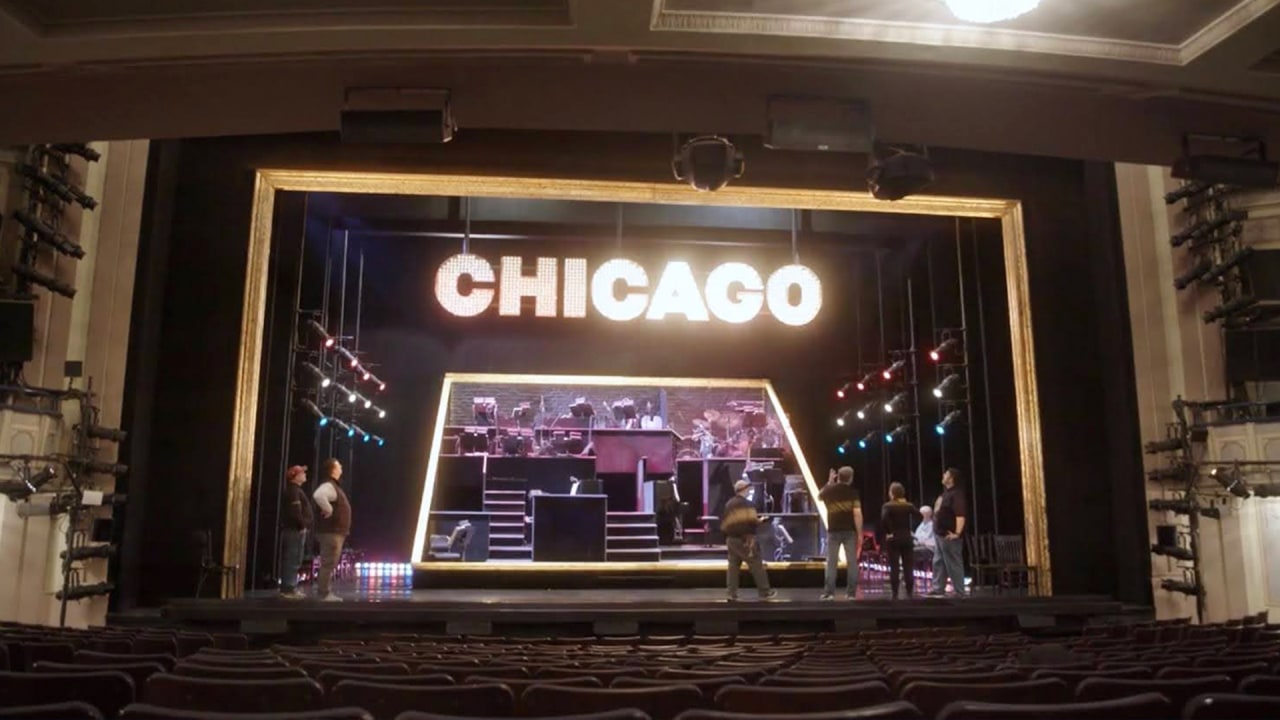
The story of a Broadway electrician is one of dedication, precision, and a deep passion for the craft. It is a tale that unfolds in the shadows, away from the spotlight that shines so brightly on the performers. Yet, without these backstage heroes, the shows that dazzle us would not be the same. The Wall Street Journal’s journey with a Broadway electrician in the lead-up to a nearly sold-out performance of “Chicago” offers a rare glimpse into this high-stakes world.
As the curtains prepare to open on another night of razzle-dazzle, the electricians are hard at work, ensuring that every light cue is perfect, every spotlight hits its mark, and the entire production unfolds with the precision of a well-oiled machine. It is a task that requires not just technical skill, but an artistic eye and a deep understanding of the performance itself.
The Pre-Show Rush
The hours leading up to the opening of the curtains are a flurry of activity for the electricians. Checks and double-checks are the order of the day, as every aspect of the lighting system is meticulously tested. From the simplest static lights to the most complex automated rigs, each element must be functioning flawlessly to ensure a smooth performance. The electricians move with a sense of urgency, their focus solely on their tasks as they work against the clock.
This pre-show rush is not just about ensuring the technical aspects are in place; it is also a time for the electricians to get into their zone. Like the performers, they have a role to play, one that requires concentration and a deep connection to the rhythm of the show. As they work, they are not just technicians; they are artists, using their medium to enhance the overall theatrical experience.
The complexity of the task at hand cannot be overstated. Modern theater lighting is a sophisticated blend of traditional stagecraft and cutting-edge technology. The electricians must be adept at handling both, able to troubleshoot issues that range from faulty bulbs to sophisticated computer programming. Their work is a testament to the evolving nature of theater, where innovation and tradition blend seamlessly together.
In the chaos of these pre-show moments, there is a sense of camaraderie among the crew. The electricians work closely with the rest of the technical team, from sound engineers to stage managers, each playing their part in the grand symphony of the performance. It is a collaborative effort, one that requires trust, communication, and a shared vision for the show.
As the final minutes tick away before the curtains open, the electricians take their positions, ready to bring the show to life. Their work is not just about operating the lights; it is about interpreting the director’s vision, understanding the choreographer’s intent, and enhancing the emotional impact of each scene. It is a role that demands flexibility, creativity, and a deep respect for the craft of theater.
The Art of Lighting Design
Lighting design is an art form that complements the performances on stage, adding depth, atmosphere, and emotional resonance to each scene. The electricians are the executors of this design, bringing to life the concepts and ideas of the lighting designers. It is a precise and painstaking process, requiring a keen eye for detail and a thorough understanding of how lighting can influence the audience’s perception of the performance.
The process begins long before the show opens, with the lighting designer working closely with the director and other members of the creative team to develop a lighting plan. This plan is then translated into a series of cues, each one carefully programmed to achieve a specific effect. The electricians must then interpret these cues, using their technical expertise to ensure that the lighting enhances the overall impact of the show.
One of the most challenging aspects of lighting design is achieving consistency while also allowing for spontaneity. Each performance is unique, with the actors bringing their own energy and interpretations to their roles. The lighting must therefore be flexible, able to adapt to these nuances while still maintaining the overall aesthetic of the show. This balance between planning and spontaneity is what makes live theater so compelling, and the electricians play a crucial role in this dynamic.
Furthermore, the art of lighting design is not static; it evolves with each performance. The electricians must be observant, noting how the lighting interacts with the actors, the set, and the audience. They make adjustments as necessary, honing the lighting to perfection with each show. This continuous process of refinement is a hallmark of professional theater, where the pursuit of excellence is ongoing.
In the world of Broadway, where shows are often performed eight times a week, this process of refinement can be particularly demanding. The electricians must maintain their focus and creativity over a long period, ensuring that the quality of the lighting remains consistently high. It is a testament to their professionalism and dedication that they can achieve this, show after show, season after season.
Behind the Curtain: The Technical Magic
Behind the glamour of the stage, a complex technical infrastructure supports the magic of the performance. This is the domain of the electricians and other technical crew members, who work tirelessly to ensure that every aspect of the show runs smoothly. From the lighting and sound systems to the automation and special effects, each element is critical to the overall success of the production.
The technical magic of Broadway is not just about the equipment; it is also about the people who operate it. The electricians are part of a larger team that includes sound engineers, stage managers, and carpenters, among others. Each member of this team brings their unique skills and expertise to the table, contributing to a seamless and engaging theatrical experience.
One of the fascinating aspects of technical theater is the blend of traditional techniques with modern technology. While some aspects of the craft remain unchanged, such as the importance of a well-designed lighting plot, others have evolved significantly with the advent of new technologies. Automated lighting systems, for example, allow for greater precision and flexibility in lighting design, enabling the creation of complex and dynamic lighting effects that were previously impossible to achieve.
Despite these advances, the core principles of technical theater remain the same. The electricians and other crew members must still possess a deep understanding of the fundamental aspects of their craft, including the behavior of light, the principles of sound reinforcement, and the mechanics of stage automation. These foundational skills are then augmented by training in the latest technologies and techniques, allowing the technical crew to stay at the forefront of their field.
The work of the technical crew is not limited to the performance itself; it also involves extensive preparation and maintenance. The electricians, along with other crew members, are responsible for ensuring that all equipment is in good working order, performing routine checks and repairs as necessary. This preventative maintenance is crucial, as it helps to minimize the risk of technical issues during the show, ensuring that the performance can proceed without interruption.
A Night at the Theater: The Electrician’s Perspective
As the curtains open on another performance of “Chicago,” the electricians take their positions, ready to bring the show to life. Their night is a complex blend of technical expertise, artistic interpretation, and adrenaline, as they work to create an unforgettable experience for the audience. It is a role that requires focus, creativity, and a deep passion for the craft of theater.
From the electrician’s perspective, the performance is a dynamic and interactive process. They must be fully engaged, responding to cues, adjusting lighting levels, and ensuring that every aspect of the show’s technical infrastructure is functioning flawlessly. It is a high-pressure environment, but one that is also intensely rewarding, as the electricians play their part in creating a live theatrical experience that is unique and captivating.
As the show progresses, the electricians remain vigilant, anticipating every cue, every scene change, and every moment of drama or comedy. They are the guardians of the performance, ensuring that the technical aspects of the show support and enhance the action on stage. Their work is a testament to the power of collaboration in theater, where every member of the crew, from the performers to the technicians, contributes to a shared vision of excellence.
The electricians’ connection to the show goes beyond their technical role; they are also deeply invested in the artistic and emotional impact of the performance. They understand how lighting can evoke feelings, create mood, and guide the audience’s attention. This empathy with the director’s vision and the performers’ craft allows them to make nuanced decisions, enhancing the overall quality of the show and ensuring that it resonates with the audience on a deeper level.
As the final curtain call approaches, the electricians reflect on another job well done. Their work may not always be visible to the audience, but they know that they have played a critical role in creating a memorable theatrical experience. It is a sense of pride and fulfillment that comes from being part of a team that brings joy, excitement, and inspiration to thousands of people every night.
Beyond the Footlights: The Lives of Broadway Electricians
Beyond their roles as guardians of the technical magic on Broadway, the electricians have lives and stories that are as fascinating as the shows they help to bring to life. They are individuals with unique backgrounds, motivations, and passions, united by their love for the craft of theater and their dedication to their work.
For many, the path to becoming a Broadway electrician is not a straightforward one. It may involve years of training, apprenticeships, and working in smaller theaters or on touring productions. Along the way, they hone their skills, learn from their experiences, and develop the expertise and flexibility that are essential for success in the demanding world of Broadway.
Despite the challenges, the rewards of being a Broadway electrician are numerous. There is the thrill of being part of a live performance, the satisfaction of knowing that one’s work is contributing to the enjoyment of thousands of people, and the camaraderie of being part of a tight-knit community of professionals who share a common passion. For those who are dedicated to their craft, the long hours, the pressure, and the constant demand for innovation and excellence are all worth it.
The personal stories of the electricians also highlight the importance of mentorship and community in the world of theater. Many have been guided by experienced professionals who have shared their knowledge and expertise, helping them to navigate the complex and often daunting world of Broadway. This sense of community extends beyond the individual shows, with electricians and other technical crew members often working together on multiple productions, forming close bonds and professional relationships that last a lifetime.
As the theater world continues to evolve, with new technologies and innovations changing the face of live performance, the role of the electrician remains vital. They are at the forefront of this evolution, embracing new challenges and opportunities while remaining true to the traditional values of their craft. Their stories, both on and off stage, are a testament to the enduring power of theater to inspire, to educate, and to bring people together in a shared experience of wonder and joy.
The Future of Broadway Lighting: Trends and Innovations
The world of Broadway lighting is on the cusp of a new era, driven by advancements in technology and a growing awareness of the importance of sustainability in the entertainment industry. As theaters look to reduce their environmental footprint and improve the efficiency of their operations, the role of the electrician is evolving to incorporate new skills and responsibilities.
One of the most significant trends in Broadway lighting is the move towards more energy-efficient solutions. This includes the adoption of LED lighting, which offers significant reductions in power consumption compared to traditional lighting technologies. The electricians must be adept at specifying, installing, and programming these systems, ensuring that they meet the artistic and technical demands of the performance while also contributing to a more sustainable future for the theater.
Another area of innovation is in the field of automated lighting systems. These systems allow for greater precision and flexibility in lighting design, enabling the creation of complex and dynamic lighting effects that were previously impossible to achieve. The electricians must be skilled in the programming and operation of these systems, working closely with the lighting designers to realize their creative vision.
The integration of digital technologies into the lighting design process is also transforming the world of Broadway. From the use of computer-aided design software to the incorporation of digital media into the performance, the electricians must be proficient in a range of digital tools and techniques. This includes the ability to work with video and projection mapping, creating immersive and interactive environments that enhance the overall theatrical experience.
Despite these advances, the fundamental principles of good lighting design remain unchanged. The electricians must still possess a deep understanding of the behavior of light, the principles of color theory, and the importance of contrast and texture in creating a visually engaging performance. These foundational skills are then augmented by training in the latest technologies and techniques, allowing the electricians to stay at the forefront of their field and drive innovation in the world of Broadway lighting.
