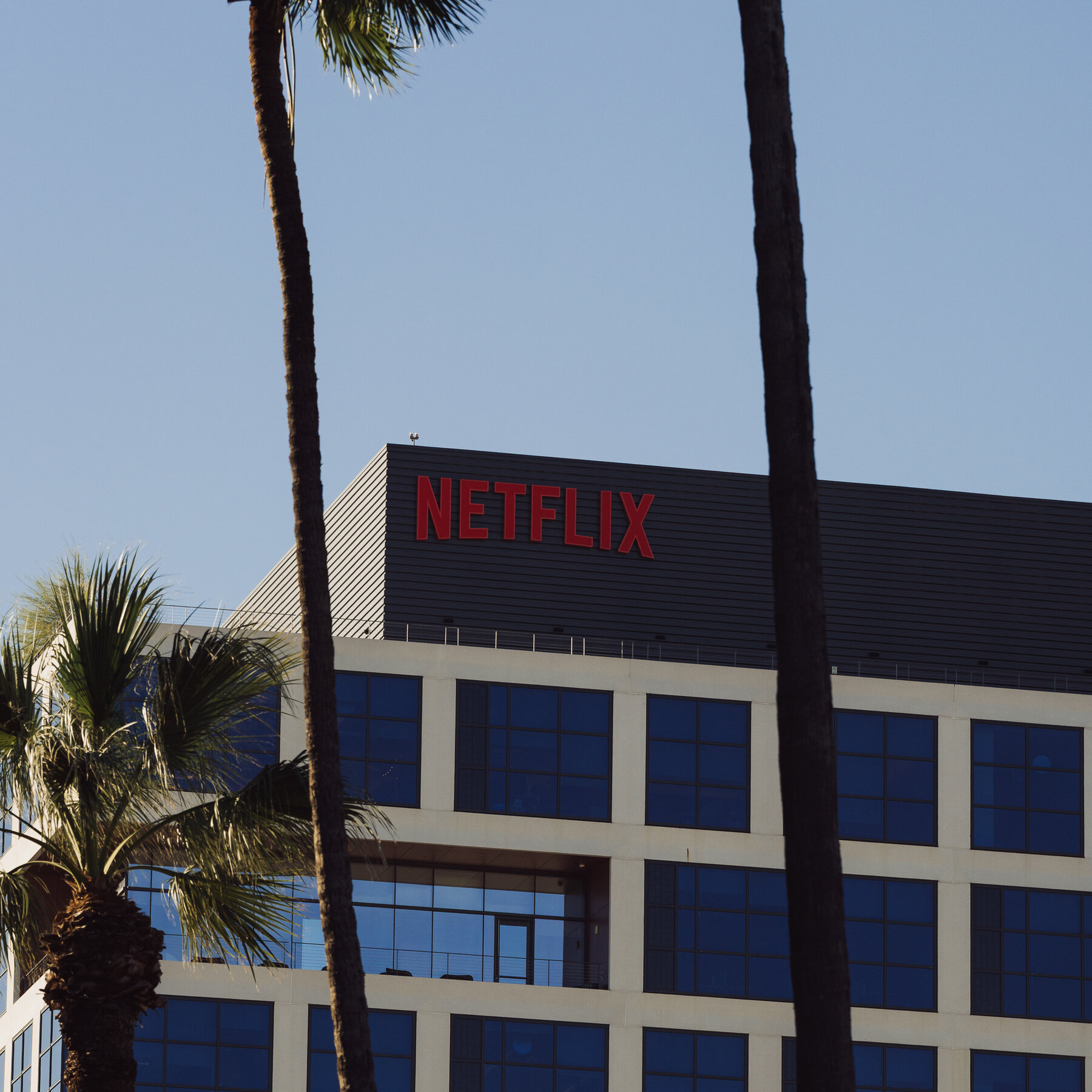
Netflix’s Warner Bros. Deal: A Lost Opportunity or a New Beginning?
- The streaming giant’s decision to bail on its $83 billion deal with Warner Bros. Discovery could be a strategic move to focus on original content.
- Analysts believe that Netflix might be better off without the deal, citing the potential for increased creativity and control over its content library.
- The departure from the deal could also lead to a shift in Netflix’s business strategy, with a greater emphasis on niche content and international productions.
A New Era for Netflix?
NETFLIX—The news of Netflix’s decision to abandon its deal with Warner Bros. Discovery sent shockwaves through the entertainment industry. The $83 billion deal, which was initially seen as a major coup for the streaming giant, is now being viewed as a potential blessing in disguise. With the rise of new streaming services and the increasing competition for viewers’ attention, Netflix’s decision to focus on its own original content could be a savvy move.
According to analysts, the deal with Warner Bros. Discovery would have given Netflix access to a vast library of content, including popular TV shows and movies. However, it would also have meant that the streaming giant would have had to share creative control and revenue with its partner. By bailing on the deal, Netflix can now focus on producing its own content, which could lead to more innovative and engaging programming.
The implications of Netflix’s decision are far-reaching, and it will be interesting to see how the company navigates this new landscape. Will the departure from the Warner Bros. deal lead to a resurgence in Netflix’s fortunes, or will it mark the beginning of a decline? Only time will tell, but one thing is certain – the entertainment industry will be watching Netflix’s next moves with great interest.
The Rise of Streaming Services
The rise of streaming services has transformed the entertainment industry in recent years. With the launch of new players such as Disney+, HBO Max, and Apple TV+, the competition for viewers’ attention has become fiercer than ever. Netflix, which was once the dominant player in the market, has seen its market share decline in recent years. However, the company has been working hard to stay ahead of the curve, investing heavily in original content and expanding its reach into new markets.
One of the key factors that has contributed to the rise of streaming services is the increasing demand for on-demand content. Consumers are no longer satisfied with traditional linear TV, where they have to wait for their favorite shows to air at a specific time. Instead, they want to be able to watch what they want, when they want. Streaming services have capitalized on this trend, offering users a vast library of content that they can access at any time.
However, the rise of streaming services has also led to a surge in competition, with many players vying for a share of the market. This has made it difficult for companies to differentiate themselves and stand out from the crowd. Netflix’s decision to focus on original content could be a key differentiator, as it will allow the company to offer unique programming that can’t be found elsewhere.
The impact of the rise of streaming services on the traditional TV industry has been significant. Many traditional TV networks have seen their ratings decline, as viewers migrate to online platforms. This has forced TV networks to adapt, investing in their own streaming services and producing more online content. The rise of streaming services has also led to a shift in the way that content is consumed, with many viewers now watching TV shows and movies on their mobile devices or laptops.
As the streaming services market continues to evolve, it will be interesting to see how companies like Netflix navigate the changing landscape. Will the company’s decision to focus on original content pay off, or will it succumb to the increasing competition? Only time will tell, but one thing is certain – the entertainment industry will be watching Netflix’s next moves with great interest.
The future of streaming services is likely to be shaped by a number of factors, including technological advancements, changes in consumer behavior, and the rise of new players in the market. As the market continues to evolve, companies like Netflix will need to stay ahead of the curve, investing in new technologies and producing high-quality content that meets the changing needs of consumers.
In conclusion, the rise of streaming services has transformed the entertainment industry, offering consumers a vast array of content options and forcing traditional TV networks to adapt. Netflix’s decision to focus on original content could be a key differentiator, as it will allow the company to offer unique programming that can’t be found elsewhere. As the market continues to evolve, it will be interesting to see how companies like Netflix navigate the changing landscape.
The Importance of Original Content
Original content has become a key differentiator for streaming services, as it allows companies to offer unique programming that can’t be found elsewhere. Netflix has been at the forefront of this trend, investing heavily in original content and producing a wide range of TV shows and movies. From hit series like ‘Stranger Things’ and ‘The Crown’ to movies like ‘Roma’ and ‘The Irishman’, Netflix has established itself as a major player in the world of original content.
However, producing original content is a costly and time-consuming process. It requires a significant investment of resources, including talent, equipment, and marketing. Additionally, there is always a risk that the content may not resonate with audiences, which can be a major setback for the company. Despite these challenges, Netflix has continued to invest in original content, recognizing the importance of offering unique programming to its users.
The benefits of original content are numerous. For one, it allows companies to differentiate themselves from their competitors and stand out in a crowded market. Original content also provides a unique selling point, as it can’t be found elsewhere. This can be a major draw for consumers, who are often looking for new and exciting content to watch.
Furthermore, original content can also help to drive engagement and loyalty among users. When consumers are invested in a particular show or movie, they are more likely to stick with the service and recommend it to their friends and family. This can lead to a significant increase in word-of-mouth marketing, which can be a powerful tool for driving growth and acquisition.
Netflix’s decision to focus on original content could also lead to a shift in the way that the company produces and distributes its content. With the rise of new technologies like AI and machine learning, companies are now able to produce high-quality content more efficiently and effectively than ever before. This could lead to a significant reduction in production costs, which could be passed on to consumers in the form of lower prices or more content.
In addition, the focus on original content could also lead to a greater emphasis on niche programming. With the rise of streaming services, companies are now able to target specific audiences and produce content that is tailored to their needs and interests. This can be a major advantage for companies like Netflix, which can use data and analytics to identify areas of demand and produce content that meets those needs.
As the streaming services market continues to evolve, it will be interesting to see how companies like Netflix navigate the changing landscape. Will the company’s decision to focus on original content pay off, or will it succumb to the increasing competition? Only time will tell, but one thing is certain – the importance of original content will only continue to grow in the coming years.
The Impact of the Warner Bros. Deal on Netflix’s Business Strategy
The deal between Netflix and Warner Bros. Discovery was seen as a major coup for the streaming giant, as it would have given the company access to a vast library of content. However, the deal would also have meant that Netflix would have had to share creative control and revenue with its partner. This could have limited the company’s ability to produce original content and innovate in the market.
By bailing on the deal, Netflix can now focus on its own original content, which could lead to more innovative and engaging programming. The company can also use the money it would have spent on the deal to invest in new technologies and produce more content. This could lead to a significant increase in the company’s market share and revenue, as consumers are drawn to the unique programming and high-quality content that Netflix offers.
The impact of the Warner Bros. deal on Netflix’s business strategy could also be significant. The company may now focus more on niche content and international productions, which could help it to stand out in a crowded market. Netflix may also invest more in marketing and advertising, as it seeks to attract new customers and retain existing ones.
The deal could also have implications for the wider entertainment industry. If Netflix is successful in its focus on original content, it could lead to a shift in the way that other companies produce and distribute their content. This could lead to a more diverse and vibrant entertainment industry, with a wider range of content options available to consumers.
However, the deal could also have negative implications for the entertainment industry. If Netflix is unable to produce enough high-quality content to meet the demands of its users, it could lead to a decline in the company’s market share and revenue. This could have a ripple effect throughout the industry, as other companies are forced to adapt to the changing landscape.
In conclusion, the impact of the Warner Bros. deal on Netflix’s business strategy could be significant. The company’s decision to focus on original content could lead to more innovative and engaging programming, and help the company to stand out in a crowded market. However, it could also have negative implications for the entertainment industry, if Netflix is unable to produce enough high-quality content to meet the demands of its users.
The future of the entertainment industry will be shaped by a number of factors, including technological advancements, changes in consumer behavior, and the rise of new players in the market. As the market continues to evolve, companies like Netflix will need to stay ahead of the curve, investing in new technologies and producing high-quality content that meets the changing needs of consumers.
One of the key challenges facing Netflix and other streaming services is the need to balance the demand for high-quality content with the need to keep costs under control. This can be a difficult balance to strike, as the production of high-quality content is often a costly and time-consuming process. However, companies that are able to strike this balance will be well-placed to succeed in the competitive world of streaming services.
In addition, the rise of new technologies like AI and machine learning could also have a significant impact on the entertainment industry. These technologies could be used to produce high-quality content more efficiently and effectively than ever before, which could lead to a significant reduction in production costs. This could be a major advantage for companies like Netflix, which could use the savings to invest in new content and technologies.
The Future of Streaming Services
The future of streaming services is likely to be shaped by a number of factors, including technological advancements, changes in consumer behavior, and the rise of new players in the market. As the market continues to evolve, companies like Netflix will need to stay ahead of the curve, investing in new technologies and producing high-quality content that meets the changing needs of consumers.
One of the key trends that is likely to shape the future of streaming services is the rise of niche content. With the increasing competition for viewers’ attention, companies will need to find ways to stand out in a crowded market. This could involve producing content that is tailored to specific audiences, such as fans of science fiction or comedy.
Another trend that is likely to shape the future of streaming services is the increasing importance of international productions. As the global market for streaming services continues to grow, companies will need to find ways to produce content that appeals to a wide range of audiences. This could involve partnering with international production companies or investing in local talent and productions.
The rise of new technologies like AI and machine learning could also have a significant impact on the future of streaming services. These technologies could be used to produce high-quality content more efficiently and effectively than ever before, which could lead to a significant reduction in production costs. This could be a major advantage for companies like Netflix, which could use the savings to invest in new content and technologies.
In addition, the future of streaming services could also be shaped by changes in consumer behavior. As consumers become increasingly accustomed to watching content on demand, they may begin to expect more flexibility and control over their viewing experience. This could involve the ability to watch content on multiple devices, or to access exclusive content that is not available elsewhere.
As the market for streaming services continues to evolve, it will be interesting to see how companies like Netflix navigate the changing landscape. Will the company’s decision to focus on original content pay off, or will it succumb to the increasing competition? Only time will tell, but one thing is certain – the future of streaming services will be shaped by a complex interplay of technological, cultural, and economic factors.
In conclusion, the future of streaming services is likely to be shaped by a number of factors, including technological advancements, changes in consumer behavior, and the rise of new players in the market. Companies like Netflix will need to stay ahead of the curve, investing in new technologies and producing high-quality content that meets the changing needs of consumers. As the market continues to evolve, it will be interesting to see how the major players navigate the changing landscape and adapt to the new realities of the streaming services market.
The implications of the future of streaming services are far-reaching, and will have a significant impact on the entertainment industry as a whole. As the market continues to evolve, it will be important for companies to stay flexible and adapt to the changing needs of consumers. This could involve investing in new technologies, producing high-quality content, and finding ways to stand out in a crowded market.
Ultimately, the future of streaming services will be shaped by the complex interplay of technological, cultural, and economic factors that are driving the market forward. As the market continues to evolve, it will be interesting to see how companies like Netflix navigate the changing landscape and adapt to the new realities of the streaming services market.
The Role of Data and Analytics in Streaming Services
Data and analytics have become a crucial part of the streaming services industry, as companies seek to understand their audiences and tailor their content to meet their needs. With the rise of streaming services, companies have access to a vast amount of data on their users, including their viewing habits, demographics, and preferences.
This data can be used to inform a wide range of decisions, from content acquisition and production to marketing and advertising. For example, a company like Netflix can use data on its users’ viewing habits to identify trends and patterns, and use this information to inform its content acquisition and production strategies.
One of the key ways that data and analytics are used in streaming services is to personalize the user experience. By analyzing data on a user’s viewing habits and preferences, companies can create personalized recommendations that are tailored to their individual needs. This can help to increase user engagement and retention, as users are more likely to watch content that is relevant and interesting to them.
Data and analytics can also be used to optimize the streaming experience, by identifying areas where the service can be improved. For example, a company like Netflix can use data on its users’ viewing habits to identify areas where the service is slow or buffering, and use this information to optimize its infrastructure and improve the user experience.
In addition, data and analytics can also be used to inform marketing and advertising strategies. By analyzing data on its users, a company like Netflix can identify trends and patterns in their behavior, and use this information to create targeted marketing campaigns that are more effective and efficient.
The use of data and analytics in streaming services is not without its challenges, however. One of the key challenges is the need to balance the use of data with the need to protect user privacy. As companies collect and analyze more data on their users, there is a risk that this data could be used in ways that are not transparent or fair.
To address this challenge, companies like Netflix will need to be transparent about their use of data and analytics, and ensure that they are using this data in ways that are fair and respectful of user privacy. This could involve providing users with clear and concise information about how their data is being used, and giving them control over their data and how it is used.
In conclusion, data and analytics have become a crucial part of the streaming services industry, as companies seek to understand their audiences and tailor their content to meet their needs. By using data and analytics to personalize the user experience, optimize the streaming experience, and inform marketing and advertising strategies, companies like Netflix can create a more engaging and effective streaming service that meets the needs of their users.
The future of data and analytics in streaming services will be shaped by a number of factors, including technological advancements, changes in consumer behavior, and the rise of new players in the market. As the market continues to evolve, it will be interesting to see how companies like Netflix navigate the changing landscape and adapt to the new realities of the streaming services market.
One of the key trends that is likely to shape the future of data and analytics in streaming services is the increasing use of AI and machine learning. These technologies can be used to analyze large amounts of data and identify patterns and trends that may not be visible to human analysts. This could lead to a significant improvement in the accuracy and effectiveness of data-driven decision making, and could help companies like Netflix to stay ahead of the curve in the competitive world of streaming services.
In addition, the future of data and analytics in streaming services could also be shaped by changes in consumer behavior and the rise of new players in the market. As consumers become increasingly accustomed to watching content on demand, they may begin to expect more flexibility and control over their viewing experience. This could involve the ability to watch content on multiple devices, or to access exclusive content that is not available elsewhere.
Ultimately, the future of data and analytics in streaming services will be shaped by the complex interplay of technological, cultural, and economic factors that are driving the market forward. As the market continues to evolve, it will be interesting to see how companies like Netflix navigate the changing landscape and adapt to the new realities of the streaming services market.
Conclusion
In conclusion, the decision by Netflix to bail on its $83 billion deal with Warner Bros. Discovery could be a strategic move to focus on original content and improve its market share. The deal would have given Netflix access to a vast library of content, but it would also have meant that the company would have had to share creative control and revenue with its partner.
By focusing on original content, Netflix can differentiate itself from its competitors and offer unique programming that can’t be found elsewhere. The company can also use the money it would have spent on the deal to invest in new technologies and produce more content. This could lead to a significant increase in the company’s market share and revenue, as consumers are drawn to the unique programming and high-quality content that Netflix offers.
The implications of Netflix’s decision are far-reaching, and will have a significant impact on the entertainment industry as a whole. The company’s focus on original content could lead to a shift in the way that other companies produce and distribute their content, and could help to create a more diverse and vibrant entertainment industry.
As the streaming services market continues to evolve, it will be interesting to see how companies like Netflix navigate the changing landscape and adapt to the new realities of the market. Will the company’s decision to focus on original content pay off, or will it succumb to the increasing competition? Only time will tell, but one thing is certain – the future of streaming services will be shaped by a complex interplay of technological, cultural, and economic factors.
Ultimately, the decision by Netflix to bail on its deal with Warner Bros. Discovery could be a turning point for the company, as it seeks to establish itself as a major player in the world of original content. As the market continues to evolve, it will be interesting to see how Netflix navigates the changing landscape and adapts to the new realities of the streaming services market.
The future of Netflix and the streaming services market as a whole will be shaped by a number of factors, including technological advancements, changes in consumer behavior, and the rise of new players in the market. As the market continues to evolve, it will be important for companies like Netflix to stay flexible and adapt to the changing needs of consumers.
In the end, the decision by Netflix to focus on original content could be a strategic move that helps the company to establish itself as a major player in the world of streaming services. As the market continues to evolve, it will be interesting to see how Netflix navigates the changing landscape and adapts to the new realities of the streaming services market.
