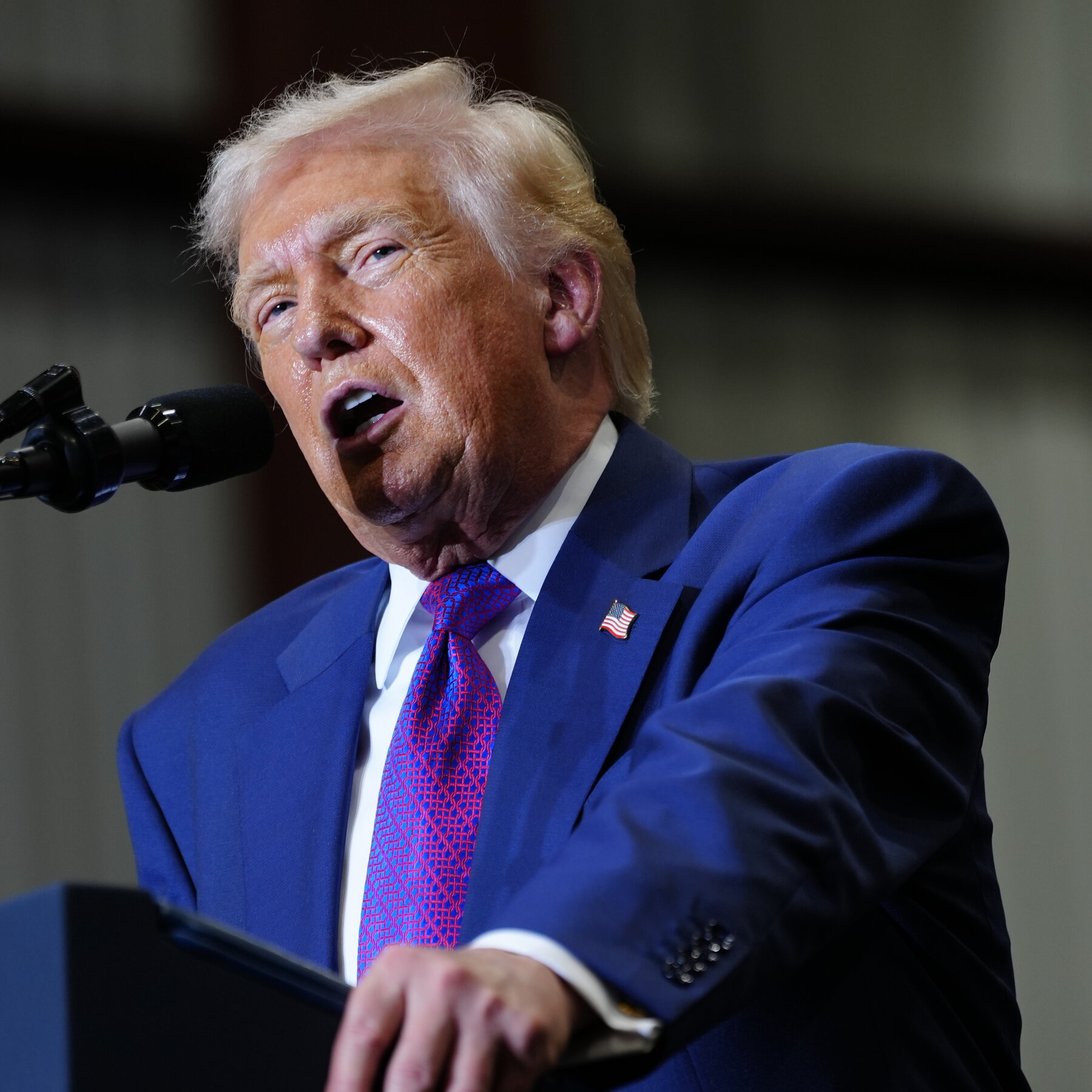
Trump’s Claims Under Scrutiny: Unpacking the Facts Behind Jobs, Inflation, and Crime
- Job market trends that predated Trump’s return to office have continued, with mixed indicators of growth and stagnation.
- Inflation rates have shown a complex pattern, influenced by global events and domestic policies.
- Crime rates, a focal point of Trump’s campaign, have seen fluctuations, prompting a closer examination of the statistics and their interpretation.
A Year in Review: Assessing the Impact of Trump’s Policies on the Economy and Society
DONALD TRUMP—As the first year of Donald Trump’s return to office comes to a close, it’s essential to fact-check his claims on key issues such as jobs, inflation, and crime. These topics, crucial to the well-being of Americans, have been subject to various trends and fluctuations. Understanding the actual state of these issues requires delving into the data and considering the broader context.
The continuation of pre-existing trends in jobs, inflation, and crime suggests that the complex interplay of factors influencing these areas cannot be solely attributed to any single policy or administration. However, it’s also important to examine how specific actions and decisions made during Trump’s presidency may have contributed to the current landscape.
This in-depth analysis aims to provide clarity on the claims made by Trump regarding jobs, inflation, and crime, offering a fact-based assessment that cuts through the rhetoric to uncover the reality of these critical issues.
The State of the Job Market: Growth, Stagnation, and the Role of Policy
The job market, a central focus of any presidential administration, has seen its share of successes and challenges during Trump’s first year back in office. On one hand, there have been periods of significant job creation, with certain sectors experiencing substantial growth. On the other hand, there are indications of stagnation, particularly in industries heavily impacted by global economic trends and technological changes.
Trump has frequently highlighted the positive aspects of job market performance, often attributing these successes to his policies. However, a closer examination reveals a more nuanced picture. The role of policy in shaping the job market is complex, with factors such as tax reforms, trade agreements, and investments in education and infrastructure playing significant parts. Furthermore, the job market’s performance can be influenced by broader economic conditions, both domestically and internationally.
To fully understand the impact of Trump’s policies on the job market, it’s necessary to look beyond the headline numbers and delve into the specifics of different sectors and demographics. For instance, while overall unemployment rates may have decreased, certain groups may still face significant challenges in finding employment or achieving wage growth. This nuanced understanding is crucial for developing effective strategies to address the needs of all segments of the workforce.
The interplay between policy decisions and the job market is also reflective of a larger debate about the appropriate role of government in economic affairs. Trump’s approach, emphasizing deregulation and tax cuts, represents one end of the spectrum. Critics argue that such measures primarily benefit large corporations and the wealthy, potentially at the expense of workers and the environment. Supporters, meanwhile, contend that these policies stimulate economic growth and job creation by reducing the burden on businesses.
As the job market continues to evolve, fact-checking Trump’s claims on this topic requires ongoing monitoring of employment statistics, policy announcements, and their real-world impacts. It’s also essential to consider the job market within the context of broader economic trends, including inflation and the cost of living, to gain a comprehensive understanding of the challenges and opportunities faced by American workers.
In conclusion, the state of the job market under Trump’s presidency is multifaceted, with both positive and negative trends. While some of his policies may have contributed to job growth, others have been criticized for their potential to exacerbate income inequality and undermine worker protections. A balanced assessment, considering both the achievements and the challenges, is necessary to evaluate the effectiveness of Trump’s job market strategies.
Moreover, looking forward, it will be crucial to assess how future policy decisions, including potential reforms or continuations of existing initiatives, may influence the job market. This includes considering the impact of technological advancements, global economic shifts, and demographic changes on the nature of work and the skills required by the modern workforce. By doing so, policymakers can work towards creating a more resilient, inclusive, and dynamic job market that benefits all Americans.
Ultimately, the goal of any job market policy should be to ensure that economic growth is accompanied by opportunities for all, regardless of background or circumstance. Achieving this goal will require a deep understanding of the complex factors influencing the job market, as well as a commitment to evidence-based policymaking that prioritizes the well-being of both workers and the broader economy.
This chapter has explored the complexities of the job market, highlighting the need for a nuanced understanding of the trends and challenges at play. The next chapter will delve into the issue of inflation, examining how Trump’s policies have impacted price stability and the cost of living for Americans.
Inflation: Understanding the Numbers and the Policies Behind Them
Inflation, a key indicator of economic health, has been a focal point of discussion during Trump’s presidency. The administration’s policies, particularly those related to taxation, trade, and monetary policy, have had significant implications for inflation rates. Trump has made various claims about his ability to control inflation, often pointing to low unemployment rates and economic growth as evidence of his success.
However, a closer look at the data reveals a more complex picture. Inflation rates have fluctuated, influenced by a range of factors including global commodity prices, the strength of the dollar, and domestic demand. The impact of Trump’s policies on inflation is multifaceted, with some measures, such as tax cuts, potentially stimulating economic activity and thus pushing up prices, while others, like tariffs, could lead to higher production costs and, consequently, higher consumer prices.
One of the challenges in assessing Trump’s claims on inflation is the variability of the data. Monthly inflation figures can be volatile, reflecting transient factors such as weather events or supply chain disruptions. Therefore, it’s essential to consider longer-term trends and the overall direction of inflation, rather than focusing solely on short-term fluctuations.
The Federal Reserve, tasked with maintaining price stability, has also played a crucial role in managing inflation. Monetary policy decisions, including interest rate adjustments, have significant implications for borrowing costs, consumption, and, ultimately, inflation. Trump’s relationship with the Fed has been contentious at times, with the president criticizing the central bank for its policy decisions, which he believes could hinder economic growth.
Fact-checking Trump’s claims on inflation requires a detailed analysis of economic data, policy initiatives, and their effects on the broader economy. It’s also important to consider the global context, as international economic trends and trade policies can significantly influence domestic inflation rates. By examining the evidence and evaluating the administration’s policies in the context of economic theory and practice, it’s possible to gain a clearer understanding of the factors driving inflation and the effectiveness of Trump’s strategies to manage it.
In the realm of inflation, as with jobs, the role of policy is critical but must be considered in conjunction with other factors. The interplay between fiscal policy, monetary policy, and external economic conditions creates a complex landscape that policymakers must navigate to achieve the delicate balance between economic growth and price stability.
Looking ahead, the management of inflation will remain a key challenge for any administration, requiring a deep understanding of economic dynamics and the ability to respond effectively to both domestic and international developments. This involves not only monitoring inflation rates closely but also being prepared to adjust policy as needed to mitigate the risks of either high inflation or deflation.
Moreover, the impact of inflation on different segments of society must be considered. While low inflation can be beneficial for consumers by maintaining the purchasing power of their income, high inflation can erode the value of savings and fixed incomes, disproportionately affecting vulnerable populations. Thus, any strategy to manage inflation must be balanced and take into account the potential consequences for all groups within the economy.
This examination of inflation highlights the complexities of economic policymaking and the challenges of achieving and maintaining price stability. The next chapter will explore the issue of crime, an area where Trump has made significant claims about his policies’ effectiveness.
Crime and Justice: Evaluating Trump’s Claims and Policies
Crime rates, a critical concern for public safety and social order, have been a prominent theme in Trump’s rhetoric. He has frequently asserted that his policies are leading to a decrease in crime, often citing statistics that appear to support this claim. However, a comprehensive assessment of crime trends and the impact of Trump’s policies requires a more detailed examination of the data and the complexities of the criminal justice system.
One of the challenges in evaluating Trump’s claims on crime is the variability of crime rates across different regions and types of crime. While some areas may experience decreases in certain types of crime, others may see increases, reflecting a range of factors including policing strategies, community engagement, and socioeconomic conditions. Furthermore, the relationship between policy initiatives and crime rates is not always direct or immediate, as the effects of policy changes can take time to manifest.
Trump’s approach to crime has been characterized by a tough-on-crime stance, emphasizing the need for stricter laws and harsher penalties. This approach has been controversial, with some arguing that it fails to address the root causes of crime and may lead to increased incarceration rates without corresponding reductions in crime. Others contend that a strong law-and-order approach is necessary to deter criminal activity and ensure public safety.
Fact-checking Trump’s claims on crime involves examining the available data on crime rates, policing strategies, and the outcomes of different policy interventions. This includes considering the impact of policies aimed at reducing recidivism, improving community-police relations, and addressing the social and economic factors that contribute to criminal behavior. By looking at the evidence and evaluating the effectiveness of various approaches, it’s possible to determine which policies are most likely to achieve lasting reductions in crime and improve justice outcomes.
In addition to the domestic context, international trends and cooperations in combating crime should also be considered. Global issues such as drug trafficking, cybercrime, and terrorism require collaborative efforts and coordinated strategies between nations. Trump’s foreign policy initiatives, including his approach to international law enforcement cooperation and border security, have significant implications for the global fight against crime.
The debate over crime policy highlights the need for a balanced and informed approach, one that considers both the need for public safety and the importance of justice and rehabilitation. Effective crime reduction strategies must be grounded in evidence and tailored to the specific needs and circumstances of different communities. By engaging in a nuanced discussion about crime and justice, policymakers can work towards creating safer, more just societies for all.
Ultimately, the goal of any crime policy should be to reduce crime while also ensuring that the response to criminal activity is fair, proportionate, and focused on rehabilitation where possible. Achieving this balance requires a deep understanding of the complex factors contributing to crime, as well as a commitment to implementing policies that are based on the best available evidence and tailored to the specific needs of different communities.
This chapter has explored the complexities of crime and justice, emphasizing the need for a nuanced and evidence-based approach to policymaking in this area. The final chapter will summarize the key findings from this fact-checking exercise, providing an overview of the main issues and challenges related to Trump’s claims on jobs, inflation, and crime.
Conclusion: Fact-Checking Trump’s Claims on Jobs, Inflation, and Crime
This in-depth analysis has fact-checked Trump’s claims on jobs, inflation, and crime, providing a detailed examination of the data, policies, and broader context surrounding these critical issues. Through this exercise, it’s clear that the reality of these topics is more complex and nuanced than often presented in political rhetoric.
The job market, inflation, and crime rates are all influenced by a multitude of factors, including policy decisions, global trends, and socioeconomic conditions. Effective policymaking in these areas requires a deep understanding of these complexities and a commitment to evidence-based decision-making. By examining the evidence and evaluating the impact of different policy approaches, it’s possible to develop strategies that address the needs of all Americans and contribute to a more prosperous, safe, and just society.
One of the key takeaways from this fact-checking exercise is the importance of nuanced and informed discourse in the public sphere. Political claims and counter-claims often simplify complex issues, which can lead to misunderstandings and misinformed decisions. By seeking out accurate information and engaging with the complexities of critical issues, citizens can make more informed decisions and hold their leaders accountable for the policies they implement.
Moreover, this analysis highlights the need for ongoing monitoring and evaluation of policy impacts. As new data emerges and trends evolve, policymakers must be willing to adjust their strategies to better address the challenges at hand. This includes being open to critiques and suggestions from experts, opposition parties, and the public, recognizing that the development of effective policies is often a collaborative and iterative process.
In conclusion, fact-checking Trump’s claims on jobs, inflation, and crime reveals a complex landscape of trends, challenges, and policy responses. By delving into the specifics of each issue and considering the broader context, it’s possible to gain a deeper understanding of the factors at play and the potential paths forward. As the nation continues to grapple with these critical issues, a commitment to evidence, nuance, and open dialogue will be essential in navigating the challenges ahead and building a better future for all Americans.
This comprehensive fact-checking exercise serves as a reminder of the importance of critical thinking and media literacy in the digital age. By promoting a culture of fact-based discourse and encouraging citizens to engage deeply with the issues that affect their lives, we can foster a more informed, active, and responsible citizenry. Ultimately, the pursuit of truth and the commitment to evidence-based policymaking are essential for the health of democracy and the well-being of society as a whole.
Future Directions: Policy Implications and Challenges Ahead
As the United States looks to the future, the policy implications of Trump’s claims on jobs, inflation, and crime will continue to evolve. The challenges ahead will require a nuanced and multifaceted approach, one that balances competing priorities and considers the long-term consequences of different policy choices.
In the realm of jobs, policymakers will need to address the ongoing shifts in the global economy, technological advancements, and demographic changes that are redefining the nature of work. This includes investing in education and training programs that prepare workers for the jobs of the future, as well as implementing policies that support entrepreneurship, innovation, and fair competition.
For inflation, the key challenge will be maintaining price stability while promoting economic growth and employment. This may involve a combination of fiscal and monetary policy measures, as well as regulatory reforms aimed at enhancing competition and reducing barriers to entry in various industries.
Regarding crime, the focus should be on developing comprehensive strategies that address the root causes of criminal behavior, improve community-police relations, and ensure that the criminal justice system is fair, effective, and rehabilitative. This includes investing in community programs, supporting evidence-based policing practices, and implementing sentencing reforms that prioritize rehabilitation over punishment whenever possible.
Across all these areas, the importance of evidence-based policymaking cannot be overstated. By relying on data, research, and expert analysis, policymakers can develop strategies that are tailored to the specific needs and challenges of different communities, thereby maximizing the impact of their interventions.
Additionally, the role of international cooperation and global governance will become increasingly important as the world grapples with shared challenges such as economic inequality, climate change, and transnational crime. The United States, as a global leader, has a critical role to play in promoting collaborative solutions and setting standards for best practices in these areas.
In the end, the future of U.S. policy on jobs, inflation, and crime will depend on the ability of policymakers to engage with the complexities of these issues, to listen to a wide range of perspectives, and to prioritize the well-being and prosperity of all Americans. By doing so, the nation can build a stronger, more resilient economy and a more just, equitable society for generations to come.
This final chapter concludes the fact-checking exercise by emphasizing the need for forward-thinking, collaborative, and evidence-based policymaking. As the United States navigates the challenges of the 21st century, a commitment to these principles will be essential for addressing the complex issues at hand and creating a brighter future for all.
The Broader Context: Global Trends and Domestic Implications
The issues of jobs, inflation, and crime are not isolated to the United States but are part of a broader global landscape. Understanding the international context and how global trends impact domestic policy is crucial for developing effective and sustainable solutions.
Globalization, technological change, and demographic shifts are reshaping the world economy, creating new opportunities and challenges for nations. The rise of emerging markets, the growth of international trade, and the increasing interconnectedness of financial systems all have implications for U.S. policy on jobs, inflation, and crime.
In the job market, globalization has led to the outsourcing of certain jobs and the creation of new ones, emphasizing the need for workers to acquire skills that are in demand in the global economy. Similarly, technological advancements, such as automation and artificial intelligence, are transforming the nature of work, requiring policymakers to consider the implications for employment, education, and social welfare.
Regarding inflation, global commodity prices, exchange rates, and trade policies can all impact domestic inflation rates. The management of inflation in a globalized economy often requires coordination with other countries and international institutions, highlighting the importance of diplomacy and cooperation in economic policymaking.
Crime, too, has a global dimension, with transnational organized crime, cybercrime, and terrorism posing significant threats to national and international security. Effective strategies to combat these threats require international cooperation, information sharing, and collaborative law enforcement efforts.
By considering the global context of jobs, inflation, and crime, policymakers can develop more effective and sustainable solutions that take into account the interconnected nature of the world economy and society. This includes investing in international cooperation, promoting global governance, and supporting development initiatives that address the root causes of poverty, inequality, and instability.
Ultimately, the future of U.S. policy on these critical issues will be shaped by its ability to engage with the global community, to lead by example, and to foster a more just, peaceful, and prosperous world. By recognizing the global dimensions of domestic challenges, the United States can work towards creating a better future not just for its own citizens but for people around the world.
