Raising Resilient Children in a World of Overprotection
- Michaeleen Doucleff’s new book, “Dopamine Kids,” challenges conventional parenting wisdom by suggesting that children need more autonomy and risk in their lives.
- By letting kids engage with fire, knives, and other potentially dangerous elements, parents can help them develop essential life skills and resilience.
- The approach, though unconventional, promises to make family life easier and more fulfilling in the long run by fostering independence, self-reliance, and a deeper connection with nature.
Revisiting the Basics of Child Rearing
PARENTING TECHNIQUES—In an era where parenting is often characterized by overprotection and excessive supervision, Michaeleen Doucleff’s ideas come as a breath of fresh air. Her latest book, “Dopamine Kids,” builds upon the principles outlined in her previous work, “Hunt, Gather, Parent,” where she explored how adopting certain practices from indigenous cultures could simplify family life. This time, she delves into the importance of allowing children to experience risk and challenge as a means of promoting healthy development and happiness.
Doucleff’s thesis is not just about throwing caution to the wind; it’s about understanding the psychological and physiological benefits that come from engaging with the natural world and taking calculated risks. By examining the ways in which children in different cultures are raised to be more independent and self-sufficient, Doucleff provides a compelling argument for why parents in modern societies might need to rethink their approach to parenting.
The concept of giving children more freedom to explore, to make mistakes, and to learn from those mistakes is at the heart of Doucleff’s philosophy. It’s an approach that requires patience, trust, and a willingness to let go of the need to control every aspect of a child’s life. As we delve into the chapters that follow, we’ll explore the practical implications of this philosophy and how it can be applied in everyday life.
The Psychology of Risk and Reward
The human brain is wired to respond positively to experiences that involve risk and challenge. This is because such experiences trigger the release of dopamine, a neurotransmitter associated with pleasure, motivation, and learning. In the context of child development, this means that children who are given the opportunity to engage in activities that involve a degree of risk are more likely to develop a sense of resilience and competence. They learn to navigate challenges, to problem-solve, and to adapt to new situations, all of which are essential skills for thriving in an unpredictable world.
However, the modern parenting culture often prioritizes safety above all else, inadvertently depriving children of these formative experiences. By shielding them from every possible risk, parents may actually be doing their children a disservice. Children who are overly protected may grow up to be more anxious, less confident, and less capable of dealing with adversity. This is not to say that all risk is good or that parents should be negligent in their duty to protect their children. Rather, it’s about finding a balance between safety and the need for children to experience and learn from the world around them.
Doucleff’s work emphasizes the importance of distinguishing between different types of risk. Some risks are indeed unnecessary and should be mitigated, such as the risk of physical harm from playing with sharp objects without supervision. However, other risks, like the risk of failure or the risk of making a mistake, are essential for growth and should be embraced rather than avoided. It’s this nuanced understanding of risk that parents need to develop in order to create an environment that is both safe and challenging for their children.
The implications of this approach are far-reaching. It suggests that parents should reassess their role in their children’s lives, moving from being constant protectors to being facilitators of growth. This involves creating opportunities for children to engage in risky play, to explore their surroundings, and to take on responsibilities that challenge them. It also means being available to offer guidance and support when needed, without intervening unless absolutely necessary. By doing so, parents can help their children develop the resilience and confidence that are critical for success in all areas of life.
Nature as the Ultimate Teacher
Nature has long been recognized as an ideal setting for learning and development. Being outdoors provides children with a wide range of experiences that are essential for their physical, emotional, and cognitive growth. From exploring forests and climbing trees to playing in streams and watching wildlife, nature offers a dynamic and ever-changing environment that is full of learning opportunities. However, in today’s world, where screen time and indoor activities dominate the lives of many children, the importance of nature in child development is often overlooked.
Doucleff argues that nature should be at the forefront of any parenting strategy aimed at fostering resilience and well-roundedness in children. Nature provides a unique setting where children can engage in risky play, challenge themselves physically, and develop a deep appreciation for the natural world. Whether it’s learning to start a fire, to use a knife safely, or to navigate through the wilderness, these experiences not only build practical skills but also contribute to a child’s sense of self-efficacy and confidence.
One of the key benefits of outdoor education and nature-based learning is its ability to promote a sense of awe and wonder. When children are given the opportunity to explore and discover the natural world, they begin to appreciate its complexity, beauty, and interconnectedness. This can lead to a deeper understanding of their place in the world and a greater sense of responsibility towards the environment. Furthermore, outdoor activities have been shown to have a positive impact on mental health, reducing symptoms of anxiety and depression while improving overall well-being.
For parents looking to incorporate more nature-based learning into their children’s lives, there are many practical steps that can be taken. This might involve setting up a backyard garden or a small outdoor workspace where children can engage in hands-on activities like woodworking or pottery. It could also mean planning regular outings to local parks, forests, or other natural areas, where children can explore and learn in a more informal setting. The key is to provide children with the freedom to explore and discover at their own pace, under the guidance of a supportive and watchful adult.
The Role of Parents in Fostering Independence
Fostering independence in children is one of the most critical tasks that parents face. It involves creating an environment where children feel encouraged to take on challenges, to make decisions, and to learn from their mistakes. However, in a culture that often emphasizes protection and safety above all else, it can be challenging for parents to know where to draw the line between support and overprotection.
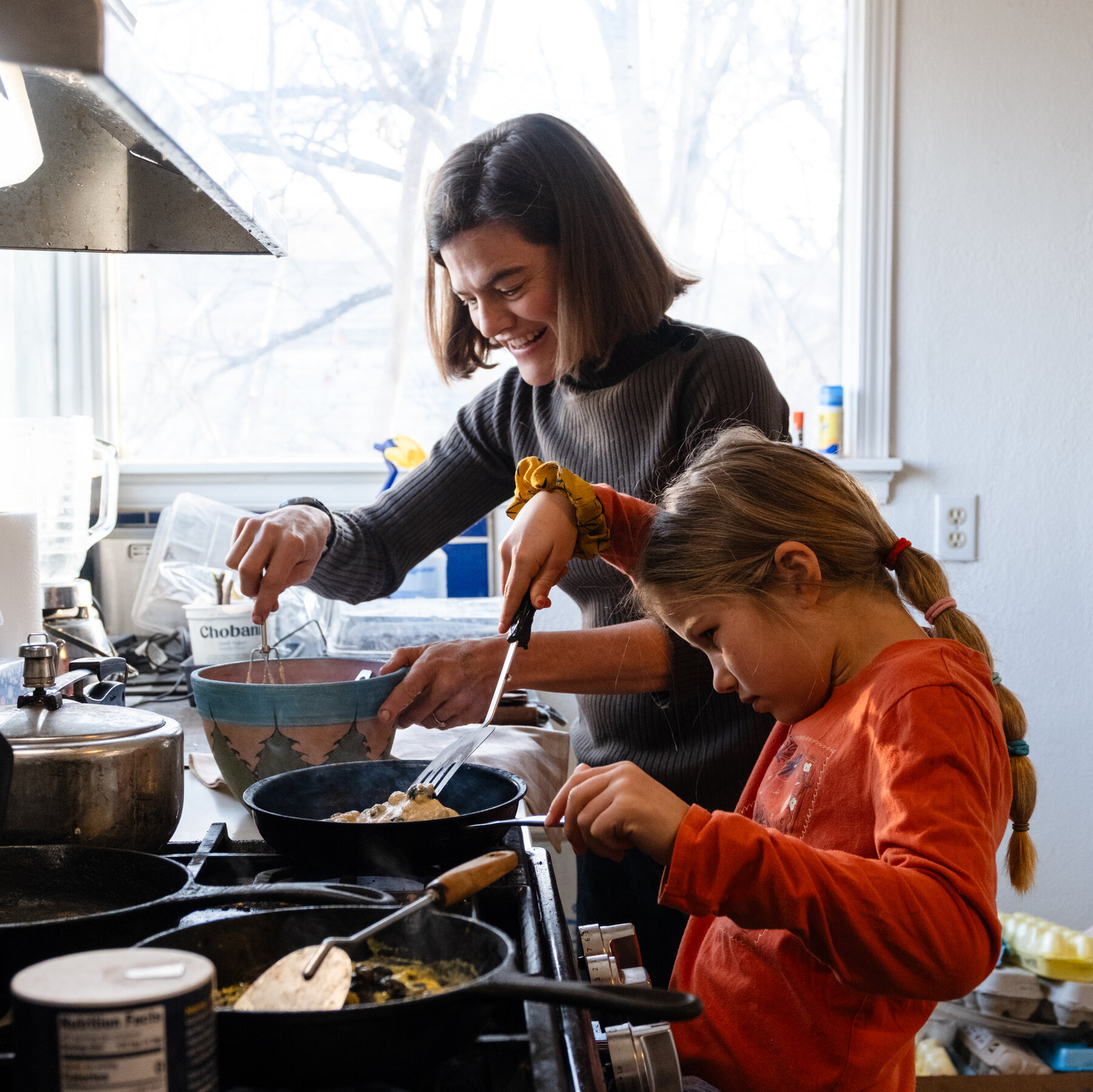
According to Doucleff, one of the most effective ways that parents can foster independence in their children is by letting them engage in activities that involve a degree of risk. This might include tasks like cooking, where children can learn to handle sharp objects and heat, or outdoor activities like hiking, where they can develop navigation skills and learn to assess risk. By giving children the autonomy to make decisions and take calculated risks, parents can help them develop a sense of self-reliance and confidence that is essential for navigating the challenges of adulthood.
Another key aspect of fostering independence is modeling the behavior that you want to see in your children. Parents who are themselves independent, self-reliant, and open to new experiences are more likely to raise children who possess these qualities. This involves being a role model, not just in terms of the activities that you engage in, but also in terms of your attitudes towards risk, failure, and challenge. By embracing a growth mindset and viewing challenges as opportunities for growth, parents can create a home environment that is conducive to the development of resilient and independent children.
Furthermore, it’s essential for parents to recognize the value of failure and mistake-making in the learning process. Rather than intervening to prevent children from making mistakes or rescuing them when they fail, parents should focus on providing support and guidance that helps children learn from their experiences. This might involve asking open-ended questions that encourage children to reflect on their actions, or providing feedback that is constructive and focused on the process rather than the outcome. By doing so, parents can help their children develop a growth mindset, where challenges are seen as opportunities for growth and learning, rather than threats to their ego or well-being.
Applying the Principles in Everyday Life
Applying the principles outlined in “Dopamine Kids” to everyday life requires a shift in mindset for many parents. It involves moving away from a culture of overprotection and towards a more balanced approach that emphasizes autonomy, risk, and resilience. For parents who are used to being highly involved in every aspect of their children’s lives, this can be a challenging transition. However, by starting small and making gradual changes, parents can create a more supportive and empowering environment for their children.
For parents looking for more significant challenges to introduce to their children, activities like camping, hiking, or outdoor skills workshops can provide a rich environment for learning and growth. These activities not only teach practical skills but also provide opportunities for children to develop teamwork, communication, and problem-solving skills. Furthermore, they offer a chance for families to bond and create lasting memories, which are essential for building strong, supportive relationships.
Ultimately, the key to successfully applying the principles outlined in “Dopamine Kids” is to approach parenting with a sense of curiosity, openness, and willingness to learn. It’s about being responsive to the unique needs and interests of your children, while also providing the support and guidance that they need to thrive. By embracing this mindset and making a commitment to foster resilience, independence, and a deep connection with nature, parents can set their children up for a lifetime of happiness, success, and fulfillment.
Nurturing a Growth Mindset in Children
Nurturing a growth mindset in children is one of the most powerful ways that parents can influence their long-term success and happiness. A growth mindset, as opposed to a fixed mindset, is the belief that abilities and intelligence can be developed through hard work, dedication, and persistence. When children possess a growth mindset, they are more likely to embrace challenges, to view failures as learning opportunities, and to persist in the face of obstacles.
According to Doucleff, one of the most effective ways to nurture a growth mindset in children is by praising effort rather than ability. When parents focus on praising their children’s intelligence or natural talent, they inadvertently create a fixed mindset, where children begin to believe that their abilities are innate and unchangeable. On the other hand, when parents praise effort, persistence, and progress, they encourage children to view challenges as opportunities for growth and learning.
Another key strategy for fostering a growth mindset is by modeling the behavior that you want to see in your children. Parents who themselves possess a growth mindset, who are open to learning, and who view challenges as opportunities for growth, are more likely to raise children who share these qualities. This involves being transparent about your own learning process, sharing your mistakes and failures, and demonstrating how you learn from them. By doing so, parents can create a home environment that values effort, progress, and persistence, and where children feel encouraged to take on challenges and view failures as stepping stones to success.
Furthermore, it’s essential for parents to recognize the role of nature and outdoor activities in fostering a growth mindset. Being in nature has a way of putting things into perspective, of reminding us of our place in the world, and of encouraging us to adopt a long-term view. When children engage in outdoor activities, they are more likely to develop a sense of awe, wonder, and curiosity, all of which are essential for maintaining a growth mindset. By providing children with regular opportunities to engage with nature, parents can help them develop a deeper appreciation for the world around them and a greater sense of responsibility towards their own learning and development.
Conclusion: Raising Resilient Children for a Changing World
In conclusion, raising resilient children who are equipped to thrive in a rapidly changing world requires a fundamental shift in our approach to parenting. It involves moving away from a culture of overprotection and towards a more balanced approach that emphasizes autonomy, risk, and resilience. By giving children the freedom to explore, to take risks, and to learn from their mistakes, parents can help them develop the essential skills and qualities needed to succeed in all areas of life.
Doucleff’s work provides a powerful reminder of the importance of nature, challenge, and risk in child development. By embracing these elements and incorporating them into our parenting strategies, we can help our children develop a deeper connection with the world around them, a greater sense of self-reliance, and a more resilient approach to life’s challenges. It’s a philosophy that requires patience, trust, and a willingness to let go of the need to control every aspect of a child’s life, but the rewards are well worth the effort.
As we look to the future, it’s clear that the world our children will inherit will be vastly different from the one we know today. It will be more complex, more interconnected, and more challenging. But by raising resilient, independent, and growth-minded children, we can equip them with the skills and qualities needed to thrive in this new world. It’s a daunting task, but with the right approach, the right mindset, and a deep commitment to our children’s well-being, we can set them up for a lifetime of happiness, success, and fulfillment.
