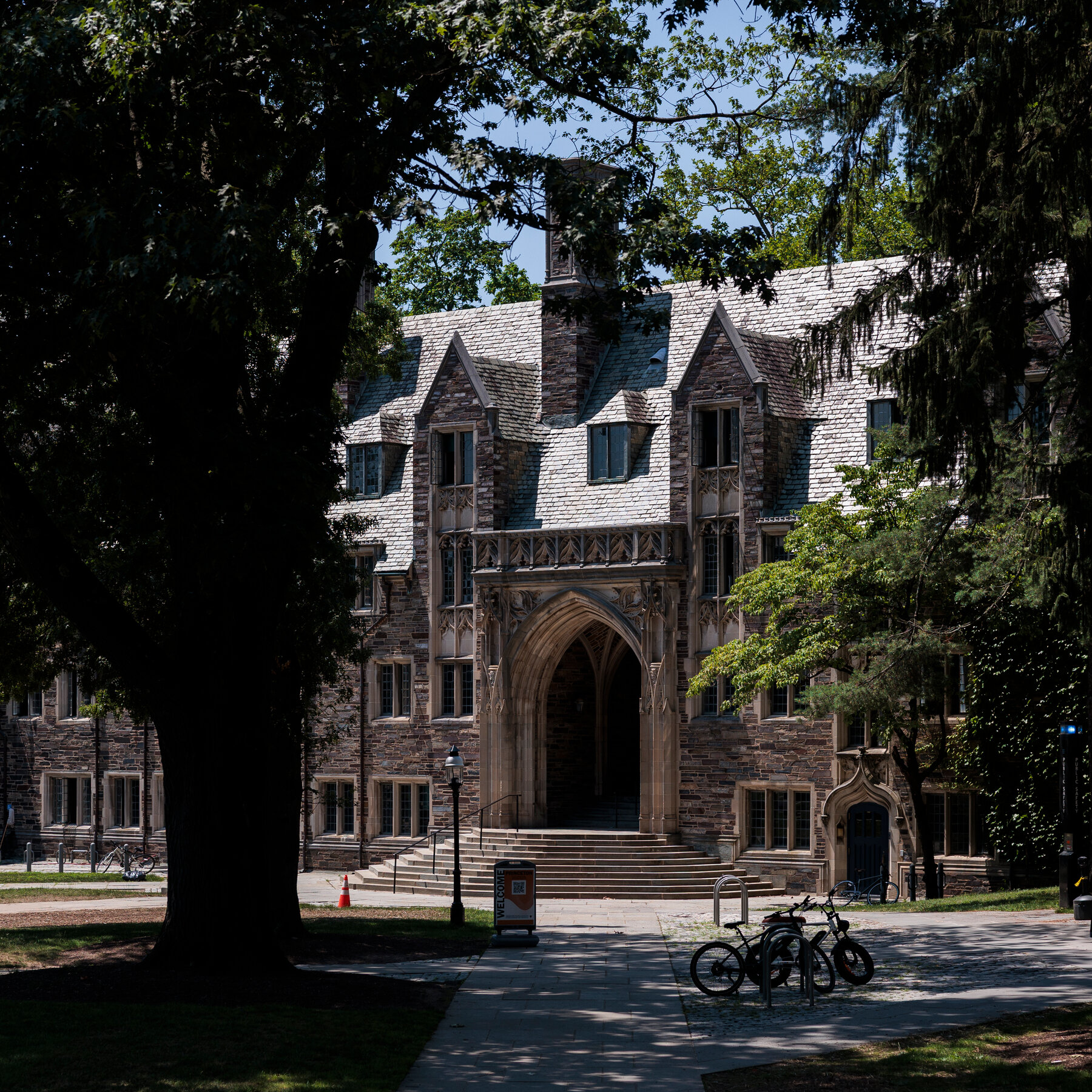
Hegseth Takes a Stand: Cutting Ties with Elite Universities
- Pete Hegseth, the Defense Secretary, has announced a ban on attendance at several top universities including Yale, Princeton, and Brown.
- The decision comes amidst accusations that these institutions are indoctrinating service members with liberal ideologies.
- This move has sparked a heated debate about the role of politics in education and the extent to which universities should be involved in shaping the ideologies of their students.
The Politics of Education: A Growing Concern
PETE HEGSETH—The announcement by Pete Hegseth has brought to the forefront a long-standing concern about the influence of liberal ideologies in higher education. Many have argued that elite universities have become bastions of progressive thought, often at the expense of more conservative viewpoints. This perceived imbalance has led to accusations of indoctrination, with some claiming that these institutions are failing to provide students with a balanced education.
At the heart of this debate is the question of what role universities should play in shaping the ideologies of their students. Should they strive to create an environment that is neutral, allowing students to form their own opinions, or is it their responsibility to challenge students’ beliefs and encourage them to think critically about the world around them? The answer to this question is complex and multifaceted, reflecting the diverse range of opinions and values that exist within society.
As the debate surrounding Hegseth’s decision continues to unfold, it is clear that this issue will have far-reaching implications for the future of education and the military. The extent to which universities are willing to accommodate diverse viewpoints and the degree to which they prioritize academic freedom will be closely scrutinized in the coming months and years.
The Accusation of Indoctrination
The accusation that elite universities such as Yale, Princeton, and Brown are indoctrinating students with liberal ideologies is not a new one. For years, conservative commentators and politicians have argued that these institutions are biased towards progressive thought, often at the expense of more conservative viewpoints. This perceived imbalance has led to accusations of indoctrination, with some claiming that these institutions are failing to provide students with a balanced education.
One of the primary concerns is that the faculty at these universities are overwhelmingly liberal, with some studies suggesting that the ratio of liberal to conservative professors can be as high as 10 to 1. This, it is argued, creates an environment in which conservative students feel marginalized and excluded, and in which liberal ideologies are presented as the only valid perspective.
Furthermore, the curriculum at many of these universities has been criticized for being overly focused on progressive issues such as identity politics, social justice, and critical theory. While these subjects are undoubtedly important and relevant to modern society, the lack of diversity in the curriculum has led to accusations that students are not being provided with a well-rounded education.
Despite these criticisms, many have come to the defense of these universities, arguing that they are simply providing students with the critical thinking skills and knowledge necessary to navigate an increasingly complex and interconnected world. They argue that the goal of education is not to indoctrinate students with a particular ideology, but rather to challenge them to think critically and to question the assumptions that underpin their beliefs.
The debate surrounding the accusation of indoctrination is complex and multifaceted, reflecting the diverse range of opinions and values that exist within society. As the discussion continues to unfold, it is clear that this issue will have far-reaching implications for the future of education and the role that universities play in shaping the ideologies of their students.
In order to fully understand the implications of this debate, it is necessary to examine the historical context in which it is taking place. The rise of progressive thought in higher education is a relatively recent phenomenon, dating back to the 1960s and 1970s when universities became hotbeds of social and political activism. Since then, the influence of progressive ideologies has continued to grow, with many universities incorporating social justice and critical theory into their curricula.
However, this shift towards progressive thought has not been without its challenges. Many conservatives have argued that the emphasis on social justice and critical theory has come at the expense of more traditional subjects such as history, philosophy, and literature. They argue that this has led to a lack of balance in the curriculum, with students being provided with a narrow and limited perspective on the world.
As the debate surrounding the accusation of indoctrination continues to unfold, it is clear that this issue will have significant implications for the future of education. The extent to which universities are willing to accommodate diverse viewpoints and the degree to which they prioritize academic freedom will be closely scrutinized in the coming months and years.
The Role of Politics in Education
The role of politics in education is a complex and contentious issue, with many arguing that universities should strive to create an environment that is neutral and free from political bias. However, others argue that politics is an inherent part of education, and that universities have a responsibility to challenge students to think critically about the world around them.
At the heart of this debate is the question of what role universities should play in shaping the ideologies of their students. Should they prioritize academic freedom, allowing students to explore a wide range of perspectives and ideas, or should they strive to create an environment that is more prescriptive, with a focus on promoting specific values and ideologies?
One of the primary concerns is that the influence of politics in education can lead to a lack of diversity in the curriculum, with certain perspectives and ideas being marginalized or excluded. This can create an environment in which students are not being provided with a well-rounded education, and in which they are not being challenged to think critically about the world around them.
Furthermore, the role of politics in education can also have significant implications for the future of society. If universities are seen as being overly politicized, it can create a lack of trust and confidence in the education system, and can undermine the ability of universities to provide students with the skills and knowledge necessary to succeed in an increasingly complex and interconnected world.
Despite these concerns, many argue that politics is an essential part of education, and that universities have a responsibility to challenge students to think critically about the world around them. They argue that the goal of education is not to indoctrinate students with a particular ideology, but rather to provide them with the skills and knowledge necessary to navigate an increasingly complex and interconnected world.
In order to fully understand the implications of this debate, it is necessary to examine the historical context in which it is taking place. The rise of progressive thought in higher education is a relatively recent phenomenon, dating back to the 1960s and 1970s when universities became hotbeds of social and political activism. Since then, the influence of progressive ideologies has continued to grow, with many universities incorporating social justice and critical theory into their curricula.
However, this shift towards progressive thought has not been without its challenges. Many conservatives have argued that the emphasis on social justice and critical theory has come at the expense of more traditional subjects such as history, philosophy, and literature. They argue that this has led to a lack of balance in the curriculum, with students being provided with a narrow and limited perspective on the world.
As the debate surrounding the role of politics in education continues to unfold, it is clear that this issue will have significant implications for the future of education. The extent to which universities are willing to accommodate diverse viewpoints and the degree to which they prioritize academic freedom will be closely scrutinized in the coming months and years.
The Impact on the Military
The decision by Pete Hegseth to cut ties with elite universities such as Yale, Princeton, and Brown has significant implications for the military. The ban on attendance at these institutions will undoubtedly have a major impact on the education and training of military personnel, and will raise important questions about the role of education in the military.
One of the primary concerns is that the ban will limit the opportunities available to military personnel, and will create a lack of diversity in the education and training that they receive. Many of the universities that have been banned are among the most prestigious in the world, and provide students with access to some of the most renowned faculty and research facilities.
Furthermore, the ban will also have significant implications for the future of the military. If military personnel are not being provided with the skills and knowledge necessary to succeed in an increasingly complex and interconnected world, it can create a lack of confidence and trust in the military, and can undermine its ability to operate effectively.
Despite these concerns, many have come to the defense of Hegseth’s decision, arguing that it is necessary to protect the military from the influence of liberal ideologies. They argue that the military should be a place where individuals can come together and serve their country, free from the influence of politics and ideology.
However, others have argued that the ban is a mistake, and that it will have significant and far-reaching implications for the future of the military. They argue that the military should be a place where individuals can come together and learn from one another, and that the ban will create a lack of diversity and inclusivity.
In order to fully understand the implications of this decision, it is necessary to examine the historical context in which it is taking place. The military has a long and complex history, dating back to the founding of the United States. Over the years, the military has played a significant role in shaping the country and its values, and has been instrumental in protecting the nation from external threats.
However, the military has also been the subject of controversy and debate, with many arguing that it is overly politicized and that it has been used as a tool of foreign policy. The ban on attendance at elite universities is the latest in a long line of controversies, and will undoubtedly have significant implications for the future of the military.
As the debate surrounding the ban continues to unfold, it is clear that this issue will have significant implications for the future of the military. The extent to which the military is willing to accommodate diverse viewpoints and the degree to which it prioritizes academic freedom will be closely scrutinized in the coming months and years.
The Response from Universities
The response from universities to the ban on attendance has been swift and decisive. Many of the universities that have been banned have spoken out against the decision, arguing that it is a mistake and that it will have significant implications for the future of education.
Yale University, one of the institutions that has been banned, has released a statement arguing that the decision is a mistake and that it will have significant implications for the future of education. The university has argued that it is committed to providing students with a well-rounded education, and that it will continue to do so despite the ban.
Princeton University, another institution that has been banned, has also spoken out against the decision. The university has argued that the ban is a mistake and that it will have significant implications for the future of education. The university has also argued that it is committed to providing students with a well-rounded education, and that it will continue to do so despite the ban.
Brown University, which has also been banned, has released a statement arguing that the decision is a mistake and that it will have significant implications for the future of education. The university has argued that it is committed to providing students with a well-rounded education, and that it will continue to do so despite the ban.
Despite the response from universities, it is clear that the ban on attendance will have significant implications for the future of education. The extent to which universities are willing to accommodate diverse viewpoints and the degree to which they prioritize academic freedom will be closely scrutinized in the coming months and years.
In order to fully understand the implications of this decision, it is necessary to examine the historical context in which it is taking place. The relationship between universities and the military is complex and multifaceted, dating back to the founding of the United States. Over the years, universities have played a significant role in shaping the military and its values, and have been instrumental in providing military personnel with the skills and knowledge necessary to succeed.
However, the relationship between universities and the military has also been the subject of controversy and debate. Many have argued that universities have become too politicized, and that they have lost sight of their core mission to provide students with a well-rounded education. The ban on attendance at elite universities is the latest in a long line of controversies, and will undoubtedly have significant implications for the future of education.
As the debate surrounding the ban continues to unfold, it is clear that this issue will have significant implications for the future of education. The extent to which universities are willing to accommodate diverse viewpoints and the degree to which they prioritize academic freedom will be closely scrutinized in the coming months and years.
The Future of Education
The future of education is a complex and contentious issue, with many arguing that it is at a crossroads. The ban on attendance at elite universities has sparked a heated debate about the role of politics in education, and has raised important questions about the extent to which universities should be involved in shaping the ideologies of their students.
One of the primary concerns is that the ban will limit the opportunities available to students, and will create a lack of diversity in the education and training that they receive. Many of the universities that have been banned are among the most prestigious in the world, and provide students with access to some of the most renowned faculty and research facilities.
Furthermore, the ban will also have significant implications for the future of education. If universities are not being provided with the skills and knowledge necessary to succeed in an increasingly complex and interconnected world, it can create a lack of confidence and trust in the education system, and can undermine its ability to operate effectively.
Despite these concerns, many have come to the defense of Hegseth’s decision, arguing that it is necessary to protect the military from the influence of liberal ideologies. They argue that the military should be a place where individuals can come together and serve their country, free from the influence of politics and ideology.
However, others have argued that the ban is a mistake, and that it will have significant and far-reaching implications for the future of education. They argue that the military should be a place where individuals can come together and learn from one another, and that the ban will create a lack of diversity and inclusivity.
In order to fully understand the implications of this decision, it is necessary to examine the historical context in which it is taking place. The relationship between education and the military is complex and multifaceted, dating back to the founding of the United States. Over the years, education has played a significant role in shaping the military and its values, and has been instrumental in providing military personnel with the skills and knowledge necessary to succeed.
However, the relationship between education and the military has also been the subject of controversy and debate. Many have argued that education has become too politicized, and that it has lost sight of its core mission to provide students with a well-rounded education. The ban on attendance at elite universities is the latest in a long line of controversies, and will undoubtedly have significant implications for the future of education.
As the debate surrounding the ban continues to unfold, it is clear that this issue will have significant implications for the future of education. The extent to which education is willing to accommodate diverse viewpoints and the degree to which it prioritizes academic freedom will be closely scrutinized in the coming months and years.
Conclusion
In conclusion, the decision by Pete Hegseth to cut ties with elite universities such as Yale, Princeton, and Brown has sparked a heated debate about the role of politics in education. The ban on attendance at these institutions has raised important questions about the extent to which universities should be involved in shaping the ideologies of their students, and has sparked a controversy that will have significant implications for the future of education.
The debate surrounding the ban is complex and multifaceted, reflecting the diverse range of opinions and values that exist within society. While some have argued that the ban is necessary to protect the military from the influence of liberal ideologies, others have argued that it is a mistake and that it will have significant and far-reaching implications for the future of education.
As the debate continues to unfold, it is clear that this issue will have significant implications for the future of education. The extent to which universities are willing to accommodate diverse viewpoints and the degree to which they prioritize academic freedom will be closely scrutinized in the coming months and years.
Ultimately, the decision by Hegseth to cut ties with elite universities is a symptom of a larger problem – the politicization of education. The extent to which education is willing to accommodate diverse viewpoints and the degree to which it prioritizes academic freedom will be the key to determining the future of education, and will have significant implications for the future of society as a whole.
As we move forward, it is essential that we prioritize academic freedom and the pursuit of knowledge, and that we create an environment in which students can come together and learn from one another, free from the influence of politics and ideology. Only by doing so can we ensure that education remains a powerful tool for shaping the future of society, and that it continues to play a vital role in promoting critical thinking, creativity, and innovation.
