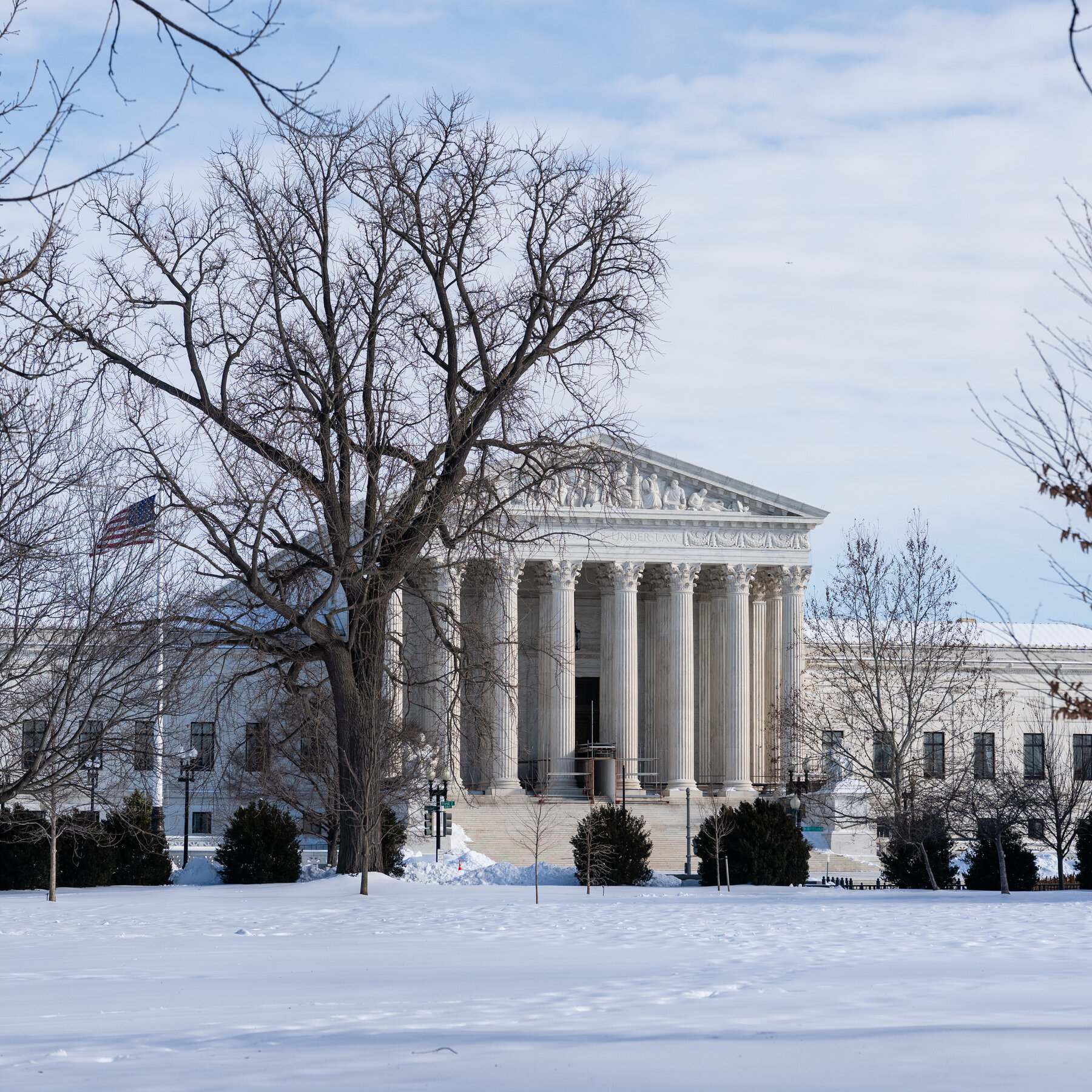
Trump’s Tariff Legacy: A Supreme Court Rebuke
- Potential economic repercussions
- Impact on international trade relations
- Questions about executive power
A New Era in Trade Policy
TRUMP TARIFFS—The Supreme Court’s decision to strike down Trump’s tariffs marks a significant shift in the ongoing debate about trade policy and executive authority. By invoking the International Emergency Economic Powers Act of 1977, President Trump had imposed tariffs on imported goods from over 100 countries, sparking widespread controversy and legal challenges.
This move was unprecedented, as Trump was the first president to utilize this act in such a manner. The implications of the Supreme Court’s ruling are far-reaching, with potential consequences for the economy, international relations, and the balance of power between the legislative and executive branches of government.
Understanding the International Emergency Economic Powers Act
The International Emergency Economic Powers Act of 1977 grants the president the authority to declare national emergencies and impose Economic Sanctions in response to unusual and extraordinary threats to the United States. This law was enacted to provide a framework for the president to take swift and decisive action in times of crisis, while also ensuring that such actions are subject to congressional oversight.
President Trump’s decision to invoke the IEEPA to impose tariffs on imported goods from over 100 countries was seen by many as an expansion of executive power, prompting concerns about the potential for abuse and the impact on the global economy. The Supreme Court’s ruling on this matter has significant implications for the future of trade policy and the role of the executive branch in shaping the country’s economic agenda.
The use of the IEEPA to impose tariffs also raises important questions about the nature of national emergencies and the criteria used to determine when such actions are justified. As the global economy continues to evolve and new challenges emerge, it is essential to reexamine the IEEPA and its application in modern trade policy, ensuring that it remains an effective tool for addressing legitimate threats while preventing potential abuses of power.
In the context of Trump’s tariffs, the Supreme Court’s decision serves as a reminder of the importance of checks and balances in the US system of government. By striking down the tariffs, the Court has reaffirmed the role of the legislative branch in shaping trade policy and the need for executive actions to be grounded in a clear and compelling rationale. As policymakers and scholars continue to debate the merits of the IEEPA and its application, the Supreme Court’s ruling provides a critical framework for evaluating the use of executive power in trade policy.
The implications of the Supreme Court’s decision extend beyond the realm of trade policy, with potential consequences for the balance of power between the legislative and executive branches. The ruling serves as a reminder that the US system of government is designed to prevent the concentration of power and ensure that each branch has a vital role to play in shaping the country’s agenda. As the nation moves forward, it is essential to consider the long-term implications of the Supreme Court’s decision and its potential impact on the future of executive power and trade policy.
The Impact of Trump’s Tariffs on the Global Economy
The imposition of tariffs by President Trump using the IEEPA has had far-reaching consequences for the global economy. The tariffs, which affected goods imported from over 100 countries, led to a significant increase in trade tensions and sparked a wave of retaliatory measures from affected nations. The resulting trade war had a profound impact on global trade flows, leading to increased costs for consumers and businesses alike.
The economic repercussions of the tariffs were felt across various sectors, from manufacturing and agriculture to services and technology. The increased costs associated with the tariffs led to a decline in demand for certain goods, resulting in job losses and economic disruption in affected industries. Furthermore, the tariffs also had a negative impact on the US economy, as higher prices for imported goods led to decreased consumer spending and reduced economic growth.
The Supreme Court’s decision to strike down the tariffs provides an opportunity for the US to reassess its trade policy and work towards a more cooperative and multilateral approach to international trade. By engaging with other nations and negotiating mutually beneficial trade agreements, the US can promote economic growth, reduce trade tensions, and strengthen its position as a global leader in international trade.
The experience of the Trump Tariffs also highlights the importance of considering the potential consequences of trade policy decisions. The use of tariffs as a tool of trade policy can have far-reaching and unintended consequences, from damaging relationships with key trading partners to disrupting global supply chains. As policymakers move forward, it is essential to adopt a more nuanced and evidence-based approach to trade policy, one that takes into account the complex interdependencies of the global economy and the need for cooperation and collaboration in addressing shared challenges.
In conclusion, the Supreme Court’s decision to strike down Trump’s tariffs marks an important turning point in the ongoing debate about trade policy and executive power. As the US and the global economy continue to evolve, it is essential to prioritize cooperation, multilateralism, and a commitment to evidence-based decision-making in shaping the future of international trade. By doing so, we can promote economic growth, reduce trade tensions, and build a more stable and prosperous global economy for all.
