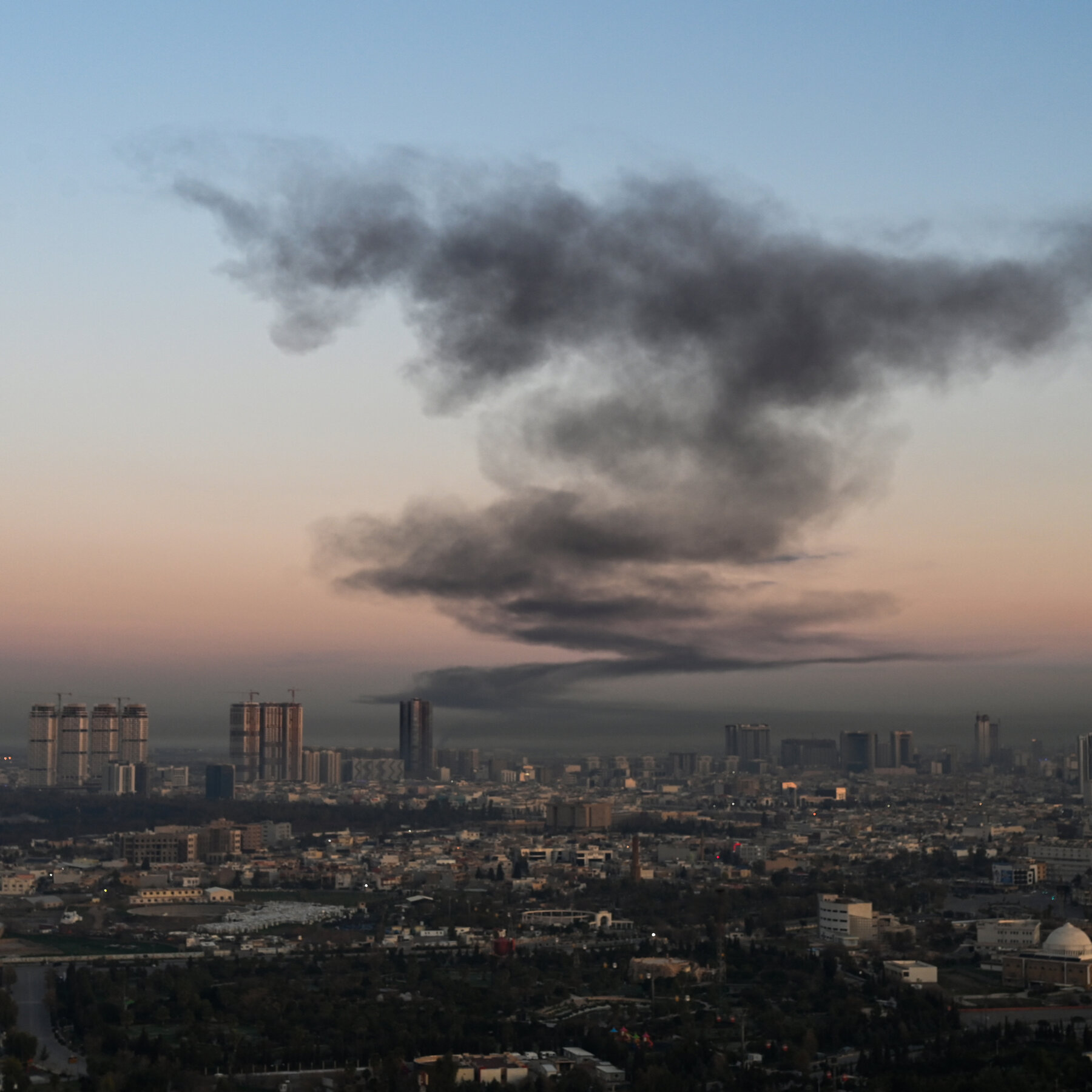
Iran War: Rising Stakes for the U.S.
- Rising casualties, including 3 U.S. service members killed
- Iran’s preparedness for war exceeds U.S. expectations
- Escalating conflict poses significant risks for global stability
Understanding the Conflict
IRAN WAR—The recent escalation of the Iran War has resulted in a grim toll, with 3 U.S. service members killed, signaling that Iran is more prepared for war than the Trump administration anticipated, according to U.S. Military officials.
This turn of events has significant implications for the U.S., as it suggests that the conflict may be more complex and challenging than initially thought, with rising stakes for the U.S. military and global stability.
The Escalating Conflict
The Iran war has been escalating rapidly, with both sides exchanging blows and rhetoric. The killing of 3 U.S. service members is a significant development, as it highlights the human cost of the conflict and the risks faced by U.S. military personnel. According to U.S. military officials, Iran’s preparedness for war was underestimated, which has led to a re-evaluation of the U.S. strategy in the region.
The conflict has also sparked a wider debate about the role of the U.S. in the Middle East and the effectiveness of its military strategy. As the situation continues to unfold, it is likely that the U.S. will face increasing pressure to reassess its approach and consider new options for resolving the conflict.
The rising stakes of the Iran war are not limited to the U.S. military, as the conflict also has significant implications for global stability and the regional balance of power. The escalation of the conflict could lead to a wider war, drawing in other countries and causing significant humanitarian and economic consequences.
Furthermore, the conflict has also sparked concerns about the potential for miscalculation and unintended consequences, as both sides engage in a war of words and military actions. The U.S. and Iran must navigate a complex web of alliances and rivalries, as they seek to advance their interests and protect their citizens.
In conclusion, the escalating conflict in Iran poses significant challenges for the U.S., from the human cost of the war to the risks of wider instability and the need for a coordinated international response. As the situation continues to evolve, it is essential that the U.S. and its allies work together to find a peaceful resolution to the conflict and prevent further escalation.
The Geopolitical Implications
The Iran war has significant geopolitical implications, as it affects the balance of power in the Middle East and beyond. The conflict has sparked a wider debate about the role of the U.S. in the region and the effectiveness of its military strategy. The U.S. must navigate a complex web of alliances and rivalries, as it seeks to advance its interests and protect its citizens.
The conflict has also sparked concerns about the potential for wider instability, as other countries in the region may be drawn into the conflict. The U.S. and its allies must work together to prevent further escalation and find a peaceful resolution to the conflict.
The Iran war also has significant implications for global stability, as it could lead to a wider war and cause significant humanitarian and economic consequences. The conflict has sparked concerns about the potential for miscalculation and unintended consequences, as both sides engage in a war of words and military actions.
In conclusion, the Iran war poses significant geopolitical challenges for the U.S., from the balance of power in the Middle East to the risks of wider instability and the need for a coordinated international response. As the situation continues to evolve, it is essential that the U.S. and its allies work together to find a peaceful resolution to the conflict and prevent further escalation.
The U.S. must also consider the long-term implications of the conflict, as it seeks to advance its interests and protect its citizens. The conflict has sparked a wider debate about the role of the U.S. in the Middle East and the effectiveness of its military strategy, and it is likely that the U.S. will face increasing pressure to reassess its approach and consider new options for resolving the conflict.
Ultimately, the Iran war poses significant challenges for the U.S., from the human cost of the war to the risks of wider instability and the need for a coordinated international response. As the situation continues to evolve, it is essential that the U.S. and its allies work together to find a peaceful resolution to the conflict and prevent further escalation.
