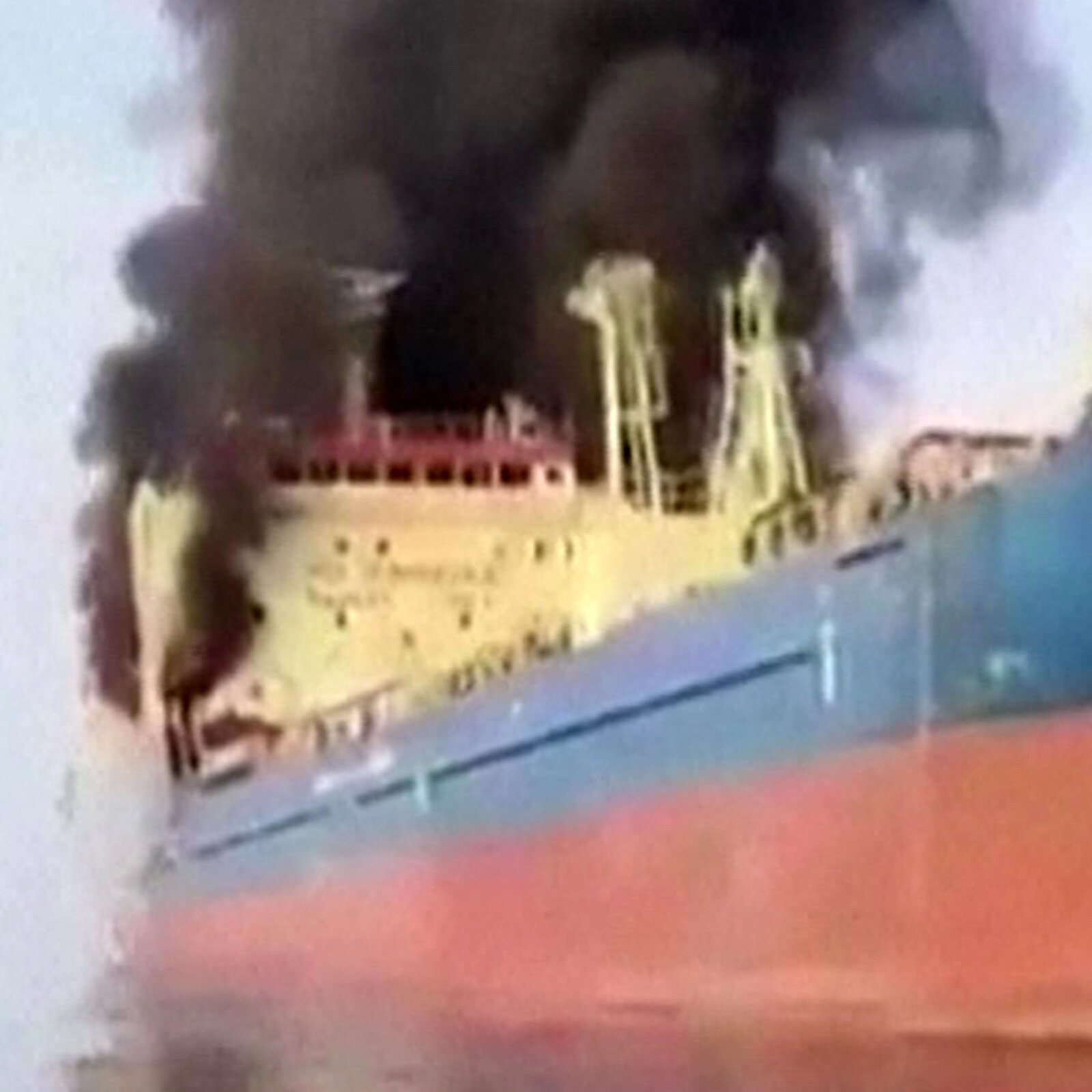
Oil Prices and Geopolitical Tensions
- Potential for prolonged price hikes
- Global economic implications
- Diplomatic responses from major world powers
Aftermath of the Iran Attack
OIL PRICES—The recent attack on Iran has sent shockwaves through the Global Energy Market, leading to a significant jump in Oil Prices. This sudden increase has raised concerns about the potential for prolonged price hikes and the broader implications for the global economy.
As the situation continues to unfold, the actions of the United States, Israel, and Iran will be closely watched, as their next moves could significantly influence the trajectory of oil prices and the stability of the region.
Oil Prices and the Iran Attack
The attack on Iran has highlighted the delicate balance of power in the Middle East and the potential for geopolitical tensions to impact global energy markets. As oil prices continue to fluctuate, it is essential to understand the underlying factors driving these changes and the potential consequences for the global economy.
The immediate effects of the attack on oil prices were significant, with prices jumping in response to the perceived increase in risk. This reaction is not surprising, given the critical role that Iran plays in the global oil market. However, the extent to which prices will remain high depends on various factors, including the responses of the US, Israel, and Iran.
One key consideration is the potential for further escalation in the region. If the situation continues to deteriorate, it could lead to a more significant and prolonged increase in oil prices. On the other hand, if diplomatic efforts are successful in reducing tensions, prices may stabilize or even decrease.
Another important factor is the impact of the attack on global oil supplies. Iran is a major oil producer, and any disruption to its production could have significant consequences for the global market. The extent to which other oil-producing countries can compensate for any losses will be critical in determining the overall impact on prices.
As the situation continues to evolve, it is crucial to monitor the actions of the US, Israel, and Iran closely. Their next moves will be instrumental in shaping the future of oil prices and the stability of the region. The international community will be watching with bated breath, hoping for a peaceful resolution to the crisis.
The global implications of the Iran attack are far-reaching, with potential consequences for economies around the world. The increase in oil prices could have a significant impact on inflation, economic growth, and trade balances. As such, it is essential for policymakers and business leaders to be aware of the potential risks and to develop strategies to mitigate them.
In conclusion, the attack on Iran has sent shockwaves through the global energy market, leading to a significant increase in oil prices. The actions of the US, Israel, and Iran will be critical in determining the future trajectory of prices and the stability of the region. As the situation continues to unfold, it is essential to remain vigilant and to be prepared for any eventuality.
The Role of the US, Israel, and Iran in Shaping Oil Prices
The US, Israel, and Iran are key players in the Middle East, and their actions will be instrumental in shaping the future of oil prices. The US, as a major consumer of oil, has a significant interest in maintaining stable and secure oil supplies. Israel, as a regional ally of the US, is also closely watching the situation, and its actions could have significant consequences for the region.
Iran, on the other hand, is a major oil producer, and its actions will be critical in determining the future trajectory of oil prices. The country’s nuclear program and its relations with the US and Israel are key factors that will influence the situation. The extent to which Iran is willing to compromise on its nuclear program and engage in diplomatic efforts will be crucial in reducing tensions and stabilizing oil prices.
The US has been actively engaged in efforts to reduce Iran’s nuclear capabilities, and its actions will be closely watched. The US has imposed significant sanctions on Iran, which have had a major impact on the country’s economy. However, the effectiveness of these sanctions in achieving their intended goals is a subject of debate.
Israel has also been actively engaged in efforts to counter Iran’s nuclear program, and its actions have been a major factor in the escalation of tensions in the region. The country’s military strikes against Iranian targets have raised concerns about the potential for further escalation and the impact on oil prices.
The interactions between the US, Israel, and Iran will be critical in shaping the future of oil prices. The extent to which these countries can engage in diplomatic efforts and reduce tensions will be instrumental in stabilizing the region and maintaining secure oil supplies. The international community will be watching closely, hoping for a peaceful resolution to the crisis.
The situation is complex, and there are many factors at play. However, one thing is clear: the actions of the US, Israel, and Iran will have significant consequences for the global energy market and the stability of the region. As such, it is essential to remain vigilant and to be prepared for any eventuality.
In the short term, the increase in oil prices will have significant consequences for the global economy. The impact on inflation, economic growth, and trade balances will be closely watched. However, in the long term, the situation presents an opportunity for the US, Israel, and Iran to engage in diplomatic efforts and reduce tensions.
A peaceful resolution to the crisis would have significant benefits for the global economy and the stability of the region. It would reduce the risk of further escalation and maintain secure oil supplies. The international community should encourage diplomatic efforts and support initiatives that promote peace and stability in the region.
The Global Impact of the Iran Attack on Oil Prices
The attack on Iran has had significant consequences for the global economy, with the increase in oil prices being a major factor. The impact on inflation, economic growth, and trade balances will be closely watched, and policymakers will need to develop strategies to mitigate the effects.
The increase in oil prices will have significant consequences for consumers, businesses, and governments around the world. The impact on inflation will be a major concern, as higher oil prices feed through to higher prices for goods and services. This could have significant consequences for economic growth, as higher prices reduce demand and slow down economic activity.
The impact on trade balances will also be significant, as higher oil prices affect the competitiveness of economies around the world. Countries that are major oil importers will be particularly affected, as they will need to pay more for their oil imports. This could have significant consequences for their trade balances and economic growth.
The situation presents significant challenges for policymakers, who will need to develop strategies to mitigate the effects of the oil price shock. This could involve monetary policy responses, such as reducing interest rates, or fiscal policy responses, such as increasing government spending.
The international community will need to work together to address the challenges posed by the oil price shock. This could involve cooperation on energy policy, such as investing in renewable energy sources, or cooperation on economic policy, such as coordinating monetary and fiscal policy responses.
In conclusion, the attack on Iran has had significant consequences for the global economy, with the increase in oil prices being a major factor. The impact on inflation, economic growth, and trade balances will be closely watched, and policymakers will need to develop strategies to mitigate the effects. The situation presents significant challenges, but it also presents opportunities for cooperation and innovation.
The global economy is highly interconnected, and the consequences of the oil price shock will be felt around the world. However, the situation also presents opportunities for growth and development, particularly in the renewable energy sector. As the world transitions to a low-carbon economy, the demand for oil will decrease, and the impact of oil price shocks will be reduced.
The Iran attack has highlighted the importance of energy security and the need for cooperation on energy policy. The international community should work together to promote energy security, invest in renewable energy sources, and reduce the impact of oil price shocks. By doing so, we can create a more sustainable and resilient global economy, and reduce the risks associated with oil price volatility.