Data Centers and Power Grid Stability
- Potential risks to grid stability
- Emergency actions by operators
- Impact on Energy Management
The Emerging Threat of Synchronized Unplugging
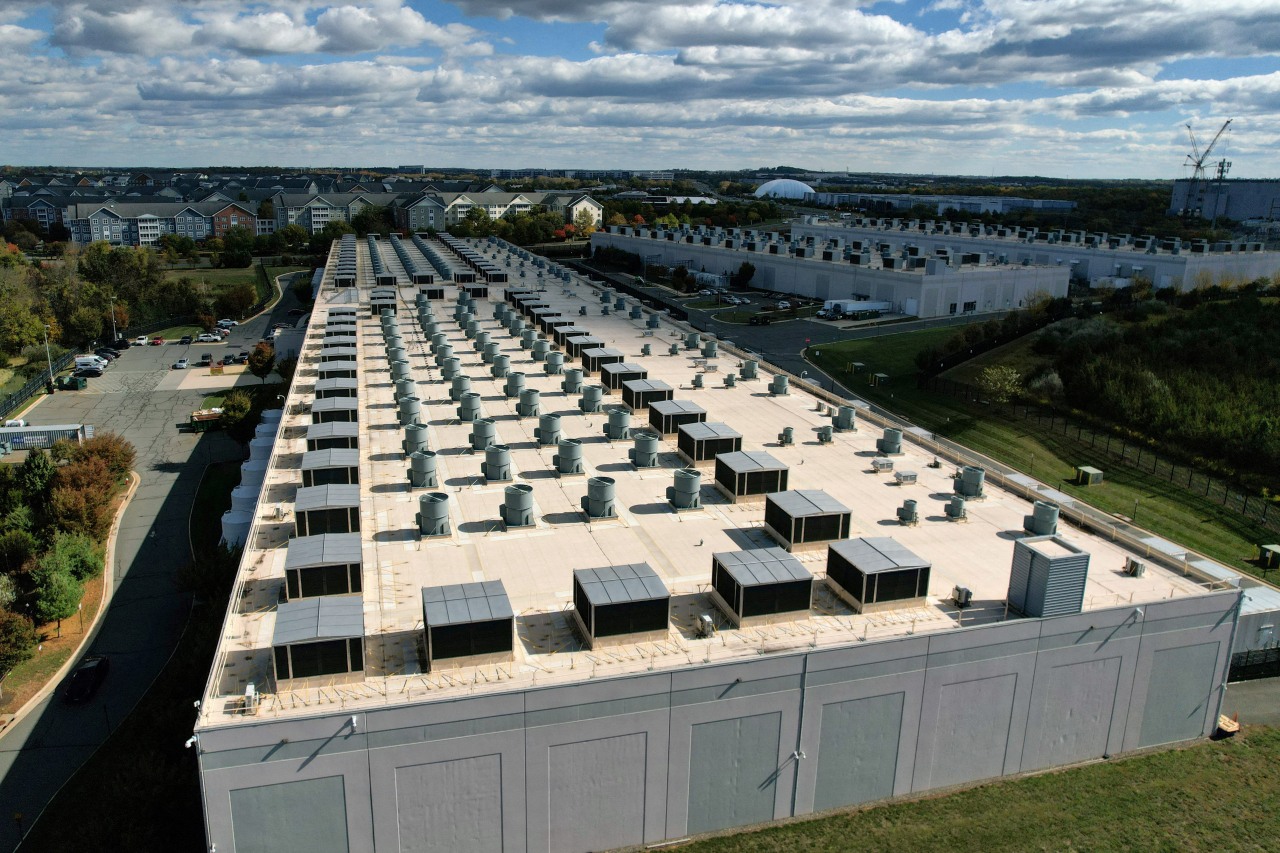
DATA CENTERS—In a disturbing trend, dozens of Data Centers have been abruptly dropping off the power grid, forcing operators to take swift and decisive action to mitigate the effects. This phenomenon has been observed in two recent instances in Virginia, raising concerns about the stability and reliability of the power grid.
The implications of such events are far-reaching, with potential consequences for energy management, grid stability, and the overall functioning of critical infrastructure. As the demand for data storage and processing continues to grow, the strain on power grids will only intensify, making it essential to address this emerging threat and develop strategies to prevent or mitigate its impact.
The Risks of Synchronized Unplugging to Power Grids
The recent instances of data centers unplugging at once in Virginia have highlighted the potential risks to power grid stability. When dozens of data centers drop off the grid simultaneously, it can lead to a significant loss of load, causing grid operators to scramble to balance supply and demand. This can result in frequency fluctuations, voltage dips, and even equipment damage, ultimately compromising the reliability of the power grid.
The impact of such events can be far-reaching, affecting not only the data centers themselves but also the surrounding communities and industries that rely on the power grid. Moreover, the increasing demand for data storage and processing will only exacerbate the strain on power grids, making it essential to develop strategies to mitigate the risks associated with synchronized unplugging.
One potential approach to addressing this issue is to implement advanced energy management systems that can detect and respond to changes in grid conditions in real-time. This could involve the use of smart grid technologies, such as IoT sensors and predictive analytics, to monitor grid performance and identify potential risks before they become major incidents.
Additionally, data center operators and grid managers can work together to develop contingency plans and emergency response protocols to minimize the impact of synchronized unplugging events. This could include the implementation of backup power systems, such as diesel generators or energy storage systems, to provide a reliable source of power in the event of a grid outage.
Ultimately, the key to mitigating the risks associated with synchronized unplugging is to foster a culture of collaboration and cooperation between data center operators, grid managers, and other stakeholders. By working together to develop and implement effective strategies, we can reduce the risks to power grid stability and ensure the reliable operation of critical infrastructure.
The Impact of Data Centers on Power Grids and Energy Management
Data centers are among the most energy-intensive facilities in the world, consuming massive amounts of power to operate their servers, cooling systems, and other equipment. As the demand for data storage and processing continues to grow, the energy requirements of data centers will only increase, placing a significant strain on power grids and energy management systems.
The impact of data centers on power grids is multifaceted, with potential consequences for grid stability, energy efficiency, and environmental sustainability. On the one hand, data centers can help to drive the adoption of renewable energy sources, such as solar and wind power, by providing a stable and reliable source of demand for clean energy.
On the other hand, the energy requirements of data centers can also lead to increased greenhouse gas emissions, particularly if the power is generated from fossil fuels. Moreover, the concentration of data centers in certain regions can create hotspots of energy demand, straining local power grids and infrastructure.
To address these challenges, data center operators and energy managers must work together to develop and implement sustainable energy strategies that prioritize energy efficiency, renewable energy, and grid resilience. This could involve the use of energy-efficient equipment and design principles, such as air-side and water-side economization, to reduce the energy requirements of data centers.
Additionally, data center operators can explore opportunities to integrate on-site renewable energy generation, such as solar panels or wind turbines, to reduce their reliance on grid power and lower their carbon footprint. By adopting sustainable energy practices and collaborating with grid managers and other stakeholders, data center operators can help to mitigate the impact of their facilities on power grids and energy management systems.
