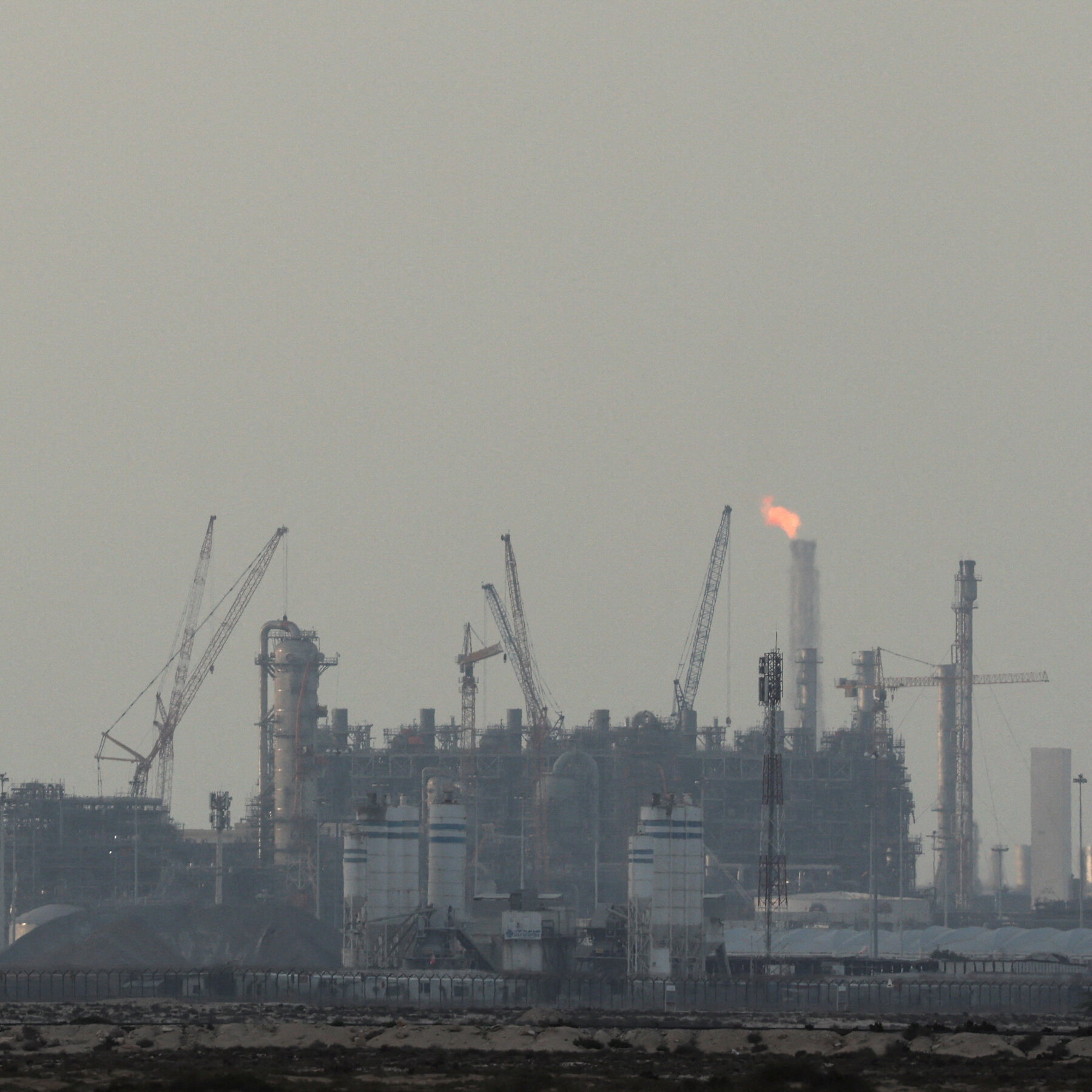
Natural Gas Prices Surge After Attacks Hit Facilities in Qatar
- Global energy markets face uncertainty
- Qatar’s LNG production halted
- Buyers scramble for alternative supplies
Impact on Global Energy Markets
NATURAL GAS—Natural gas prices have surged after attacks hit facilities in Qatar, prompting the country to halt production of liquefied Natural Gas (LNG).
This sudden disruption has sent shockwaves through global energy markets, as buyers are forced to compete for supplies elsewhere, leading to a significant increase in natural gas prices.
Understanding the Impact of Qatar’s LNG Production Halt
The halt in Qatar’s LNG production has significant implications for the global energy market. As one of the world’s largest producers of LNG, Qatar’s production halt has created a supply vacuum that buyers are struggling to fill. This has led to a surge in natural gas prices, as buyers compete for limited supplies from other producers.
The impact of this disruption is being felt across the globe, with energy-intensive industries such as manufacturing and transportation being particularly affected. The increase in natural gas prices is also likely to have a ripple effect on the economy, leading to higher production costs and potentially even higher prices for consumers.
According to reports, Qatar has halted production of LNG due to attacks on its facilities. This has raised concerns about the security of energy infrastructure and the potential for further disruptions to global energy supplies. As the situation continues to unfold, it is likely that energy markets will remain volatile, with prices fluctuating in response to any new developments.
The halt in Qatar’s LNG production is also likely to have significant geopolitical implications. As a major player in the global energy market, Qatar’s production halt has the potential to shift the balance of power in the region. Other energy-producing countries may seek to capitalize on Qatar’s misfortune, potentially leading to a shift in global energy dynamics.
Furthermore, the attack on Qatar’s facilities has raised concerns about the potential for similar attacks on other energy infrastructure. This has led to a renewed focus on energy security, with countries and companies seeking to diversify their energy supplies and reduce their reliance on any one particular source.
Natural Gas Prices and the Global Energy Market
The surge in natural gas prices has significant implications for the global energy market. As a major source of energy, natural gas is used to power homes, businesses, and industries across the globe. The increase in prices is likely to have a significant impact on energy-intensive industries, such as manufacturing and transportation.
The impact of the price surge is being felt across the globe, with countries that rely heavily on natural gas for energy production being particularly affected. This has led to a renewed focus on energy efficiency and conservation, as countries seek to reduce their energy consumption and mitigate the impact of the price surge.
In addition to the impact on energy-intensive industries, the surge in natural gas prices is also likely to have a significant impact on consumers. As energy costs rise, consumers may be forced to pay more for their energy, potentially leading to higher bills and a decreased standard of living.
The natural gas price surge is also likely to have significant implications for the environment. As countries seek to reduce their energy consumption and mitigate the impact of the price surge, there may be a renewed focus on renewable energy sources, such as solar and wind power. This could potentially lead to a decrease in greenhouse gas emissions and a reduction in the environmental impact of energy production.
Furthermore, the surge in natural gas prices has significant implications for the global economy. As energy costs rise, businesses may be forced to increase their prices, potentially leading to inflation and a decrease in economic growth. This has led to a renewed focus on energy policy, with countries seeking to develop strategies to mitigate the impact of the price surge and ensure a stable and secure energy supply.
The Future of Natural Gas and Global Energy Markets
The future of natural gas and global energy markets is uncertain, as the impact of the price surge and Qatar’s production halt continues to unfold. However, one thing is clear: the global energy market is undergoing a significant transformation, driven by changes in energy demand, advances in technology, and shifting geopolitical dynamics.
As countries seek to reduce their reliance on fossil fuels and transition to a low-carbon economy, the demand for natural gas is likely to decrease. This has significant implications for natural gas producers, who may need to adapt to a changing market and develop new strategies to remain competitive.
In addition to the impact of the energy transition, the future of natural gas is also likely to be shaped by advances in technology. The development of new technologies, such as liquefied natural gas (LNG) and floating liquefied natural gas (FLNG), is likely to increase the efficiency and flexibility of natural gas production, potentially leading to a decrease in costs and an increase in global demand.
The future of natural gas is also likely to be shaped by shifting geopolitical dynamics. As countries seek to secure their energy supplies and reduce their reliance on any one particular source, the global energy market is likely to become increasingly complex and interconnected. This has significant implications for energy policy, as countries seek to develop strategies to navigate this new landscape and ensure a stable and secure energy supply.
Furthermore, the future of natural gas is likely to be shaped by the development of new energy sources, such as renewable energy and hydrogen. As these new sources become increasingly cost-competitive and technologically advanced, they may potentially disrupt the natural gas market and lead to a decrease in demand. This has significant implications for natural gas producers, who may need to adapt to a changing market and develop new strategies to remain competitive.
