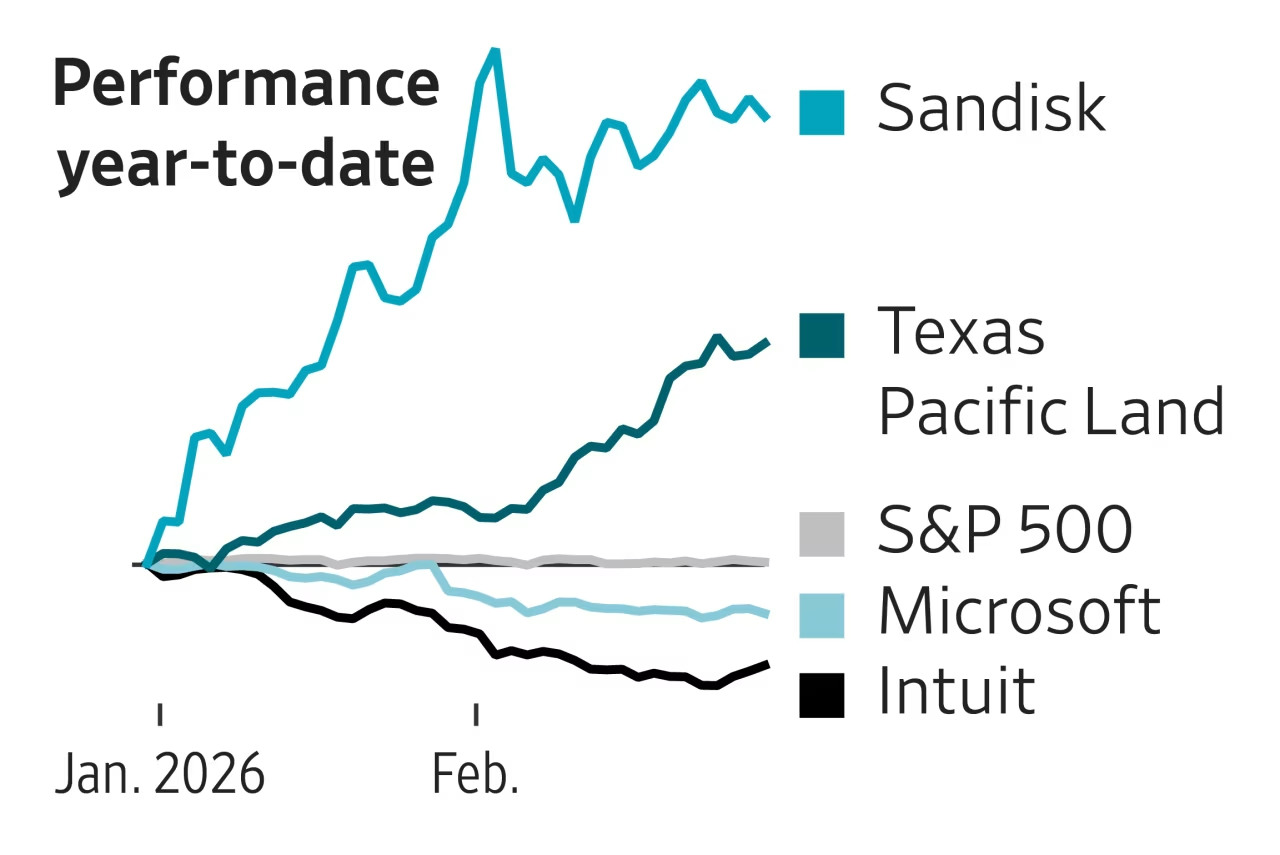
Market Volatility: A 1% S&P 500 Gain Hides Wild Stock Swings
- Microsoft’s stock has slumped 18% this year, losing over $500 billion in market value
- Intuit has lost 37% of its stock value in 2026
- Sandisk’s stock has nearly tripled in value this year
Uncovering the Chaos Beneath the Calm Surface of the Stock Market
S&P 500—As of 2026, the S&P 500 is experiencing a relatively calm year, with a yearly gain of less than 1%. However, beneath this unremarkable surface, violent swings are occurring at the single-stock level, with some companies experiencing significant losses or gains.
The stakes are high, as these wild swings can have a substantial impact on investors’ portfolios and the overall health of the stock market. It is essential to understand the underlying factors driving these fluctuations to make informed investment decisions.
The Discrepancy Between the S&P 500 and Single-Stock Performance
The S&P 500’s minimal yearly gain of less than 1% in 2026 might suggest a stable stock market. However, this overall trend hides the extreme volatility occurring at the single-stock level. For instance, Microsoft‘s stock has plummeted 18% this year, resulting in a loss of over half a trillion dollars in market value. In contrast, Sandisk’s stock has nearly tripled in value, while Texas Pacific Land has seen an 85% increase.
These significant disparities between the S&P 500’s performance and that of individual stocks can be attributed to various factors, including changes in investor sentiment, industry trends, and company-specific events. Understanding these factors is crucial for investors to navigate the market effectively and make informed decisions.
The Impact of Violent Swings on Investors and the Market
The violent swings in individual stocks can have far-reaching consequences for investors and the overall stock market. For example, Microsoft’s 18% decline this year can significantly impact investors who have a substantial portion of their portfolio allocated to the company’s stock. Similarly, the substantial gains experienced by Sandisk and Texas Pacific Land can lead to increased investor confidence and a potential surge in their stock prices.
Furthermore, these wild swings can also influence the overall market sentiment, potentially leading to a ripple effect that impacts other stocks and the broader market. As such, it is essential for investors to stay informed about market trends and adjust their strategies accordingly to minimize potential losses and maximize gains.
Uncovering the Drivers of Market Volatility
To better understand the underlying factors driving the violent swings in individual stocks, it is essential to examine the specific company performance and industry trends. For instance, Intuit’s 37% decline this year may be attributed to changes in the tax preparation software market or increased competition. On the other hand, Sandisk’s significant gain can be linked to the growing demand for memory chips and the company’s successful strategic decisions.
By analyzing these factors and staying up-to-date with market news, investors can gain valuable insights into the drivers of market volatility and make more informed investment decisions. This, in turn, can help mitigate potential risks and capitalize on opportunities in the ever-changing stock market landscape.
