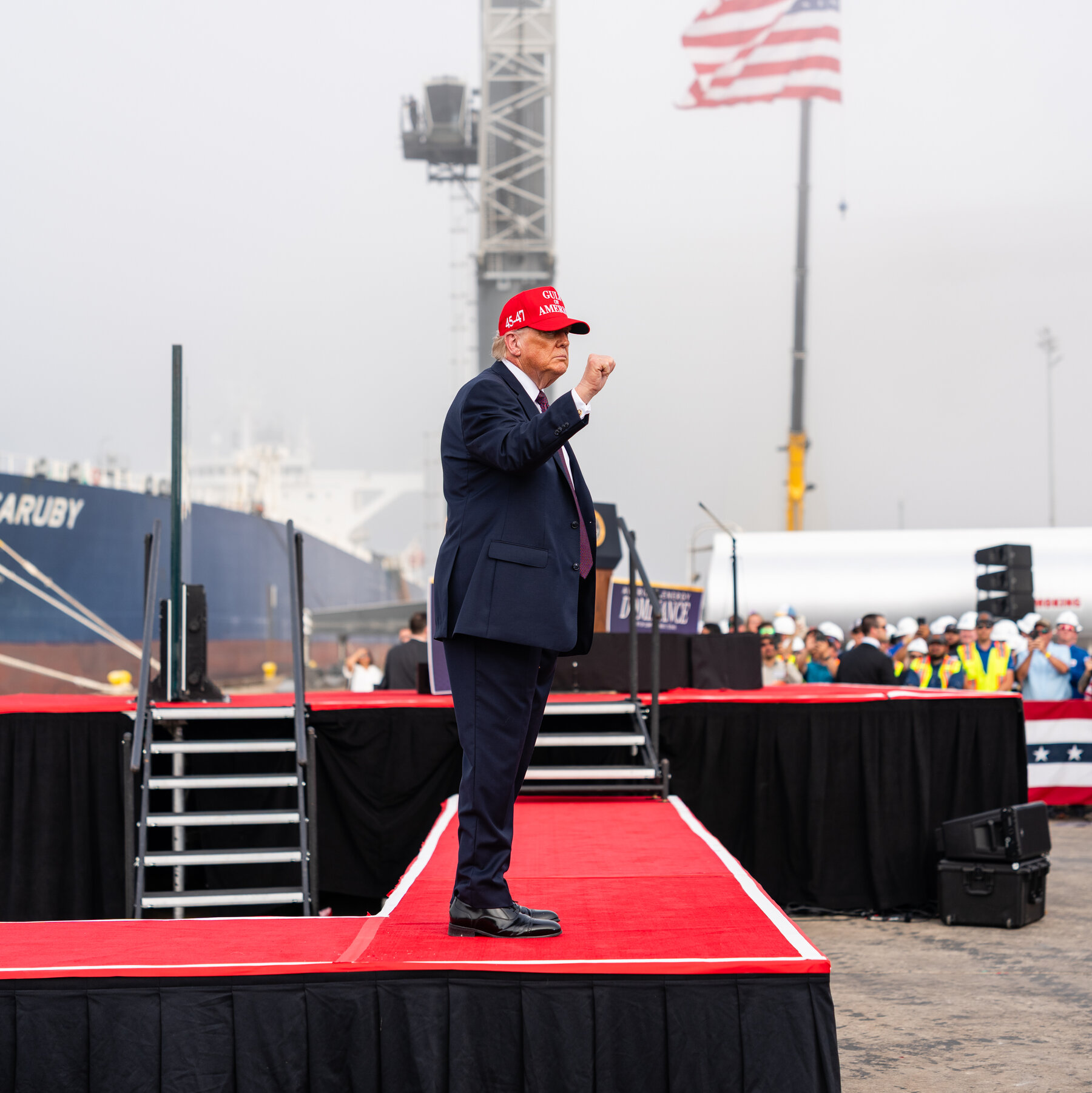
Trump Embraces US Military Power After Years of Caution
- Donald Trump’s presidency has marked a significant shift in US military power, with a renewed emphasis on Intervention.
- In his three runs for the presidency, Trump spoke of the limits of US military power, especially in the Middle East.
- However, one year into his second term, Trump seems to have shed his earlier skepticism and turned repeatedly to the US military as a low-cost, high-payoff means of solving problems.
A New Era of US Military Intervention
DONALD TRUMP—As of 2026, the US has seen a significant shift in its military power and intervention policies under the Trump administration. Despite initial caution, Trump has increasingly turned to the US military as a means of solving problems that have bedeviled American presidents for decades.
The implications of this shift are far-reaching, with potential consequences for US Foreign Policy, global stability, and the role of the US military in international affairs. With the US having recently dispatched B-2 bombers on a mission to strike Iran’s nuclear facilities and given the green light to a high-stakes raid that resulted in the capture of President Nicolás Maduro of Venezuela, it is clear that the US is embracing a more interventionist approach.
The Evolution of Trump’s Stance on US Military Power
Trump’s stance on US military power has undergone significant evolution since his first presidential campaign in 2016. Initially, he blasted the Iraq invasion as a ‘big, fat mistake’ and emphasized the need for a more cautious approach to military intervention. However, as his presidency has progressed, Trump has increasingly turned to the US military as a means of solving problems.
This shift is reflected in his actions, including the dispatch of B-2 bombers to strike Iran’s nuclear facilities and the green light given to a high-stakes raid that resulted in the capture of President Nicolás Maduro of Venezuela. These actions demonstrate a renewed emphasis on US military power and intervention, marking a significant departure from Trump’s initial caution.
The Implications of Trump’s Shift on US Foreign Policy
The implications of Trump’s shift on US foreign policy are far-reaching and complex. On one hand, a more interventionist approach could potentially lead to greater stability and security in certain regions. On the other hand, it also risks exacerbating existing conflicts and creating new ones.
Furthermore, Trump’s emphasis on US military power raises questions about the role of the US in international affairs and the potential consequences for global stability. As the US continues to navigate complex geopolitical relationships and evolving global threats, the implications of Trump’s shift on US foreign policy will be closely watched and debated.
The Role of the US Military in Trump’s Foreign Policy
The US military has played a central role in Trump’s foreign policy, with the president increasingly turning to the military as a means of solving problems. This has been reflected in a range of actions, from the dispatch of B-2 bombers to strike Iran’s nuclear facilities to the green light given to a high-stakes raid that resulted in the capture of President Nicolás Maduro of Venezuela.
As the US continues to navigate complex geopolitical relationships and evolving global threats, the role of the US military in Trump’s foreign policy will be critical. With the US facing a range of challenges, from terrorism and proliferation to great power competition and cyber threats, the US military will be called upon to play a key role in addressing these challenges and advancing US interests.
