Weight-Loss Drugs Change Everything for exercise Haters
- Jamie Selzler, 47, went from dreading exercise to becoming a certified personal trainer after taking the weight-loss drug Wegovy
- GLP-1 medications are helping people redefine their relationship with exercise, focusing on enjoyment rather than burning calories
- Exercise professionals have an opportunity to help people discover the benefits of physical activity beyond weight loss
A New Era in Exercise and Weight Loss
GLP-1 MEDICATIONS—Dateline: Fargo, N.D. – For years, Jamie Selzler struggled with his weight, fearing he would become completely immobile. But after starting the weight-loss drug Wegovy in 2023, he discovered a new love for exercise and physical activity. He is not alone; many Americans are finding that GLP-1 medications are transforming their experience with exercise, helping them connect with what they enjoy about movement.
The implications are significant, with potential benefits for both physical and mental health. As the fitness industry adapts to this new landscape, exercise professionals have the opportunity to help people find joy and meaning in exercise, rather than just focusing on weight loss.
From Hating Exercise to Finding Joy
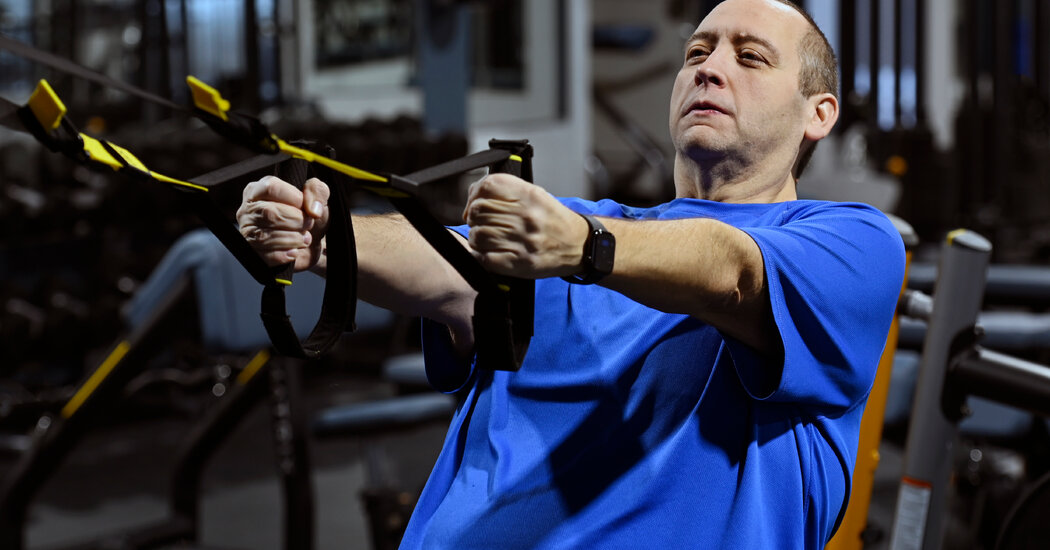
For Jamie Selzler, the journey to loving exercise was unexpected. After years of struggling with his weight, he started taking Wegovy and discovered that physical activity was no longer a chore. He is now a certified personal trainer and enjoys hiking and strength training. His story is not unique; many people taking GLP-1 medications are finding that they are able to connect with what they enjoy about exercise, rather than just viewing it as a means to burn calories.
Summer Kessel, a registered dietitian who specializes in obesity management, notes that these medications can free people up to make different exercise decisions. By reducing the pressure to exercise for weight loss, individuals can focus on finding activities that bring them joy and help them feel good.
This shift in perspective is significant, as it has the potential to improve both physical and mental health. By focusing on enjoyment rather than weight loss, people may be more likely to stick with exercise and develop a sustainable, long-term relationship with physical activity.
Redefining the Role of Exercise in Weight Loss
For decades, the fitness industry has been entwined with weight loss, despite the fact that exercise alone is not usually an effective strategy for losing weight. However, with the rise of GLP-1 medications, exercise professionals have the opportunity to help people redefine the role of movement in their lives. Renee Rogers, an exercise physiologist and obesity researcher, notes that these medications can help people discover the benefits of exercise beyond weight loss.
Many people taking GLP-1 medications are finding that they are motivated to strength train, as some evidence suggests a link between the medications and muscle loss. While it is still unclear whether this loss is directly caused by the medication or is simply a byproduct of losing a significant amount of weight, the potential benefits of strength training are clear. By building muscle, individuals can improve their overall health and increase their metabolism.
Dana Greene, 59, is a prime example of the benefits of strength training. After starting the medication Mounjaro, she felt excited to hit the weight machines at her gym and has since chopped and cleared a large oak tree that fell on her property. Her story highlights the potential of GLP-1 medications to help people find joy and meaning in exercise, and to discover the benefits of physical activity beyond weight loss.
The Fitness Industry Adapts to a New Era
The fitness industry is slowly adapting to a world in which promises of dramatic weight loss may no longer bring people in the door. Some fitness professionals see weight-loss drugs as a threat, while others have responded by marketing fitness programs specifically for people on the medications. However, Dr. Rogers is wary of these programs, as it is not clear what evidence they are based on.
Instead, Dr. Rogers sees the medications as an opportunity to help more people find joy and meaning in exercise, and to discover what works best for them. By focusing on sustainable, long-term relationships with physical activity, exercise professionals can help individuals develop a positive body image and improve their overall health.
Becky Hinman, 38, is a competitive recreational tennis player who has experienced the benefits and challenges of taking the medication Zepbound. While losing weight relieved her knee pain and made her faster on the court, she got tired more quickly and had trouble making it through a singles’ match. Eventually, she lowered her dose and improved her nutrition and hydration, and found that the side effects improved.
Her story highlights the importance of individualized approaches to exercise and weight loss. By working with a healthcare professional and listening to their body, individuals can find a balance between physical activity and overall health, and develop a sustainable, long-term relationship with exercise.
A New Perspective on Food and Exercise
For many people taking GLP-1 medications, the experience of exercise is not just about physical activity, but also about their relationship with food. Jamie Selzler notes that he used to view food as a reward for exercising, but now sees it as fuel for his movement. This shift in perspective is significant, as it has the potential to improve both physical and mental health.
Lee Anglea, 57, is another example of the benefits of GLP-1 medications. After starting the medication Mounjaro, she felt a constant ache in her ankles, knees, hips, and lower back ease, and she gradually increased her daily step count. She also started resistance training and doing chair yoga, and found that moving calmed her mind.
Her story highlights the potential of GLP-1 medications to help people find joy and meaning in exercise, and to discover the benefits of physical activity beyond weight loss. By focusing on sustainable, long-term relationships with physical activity, individuals can develop a positive body image and improve their overall health.
