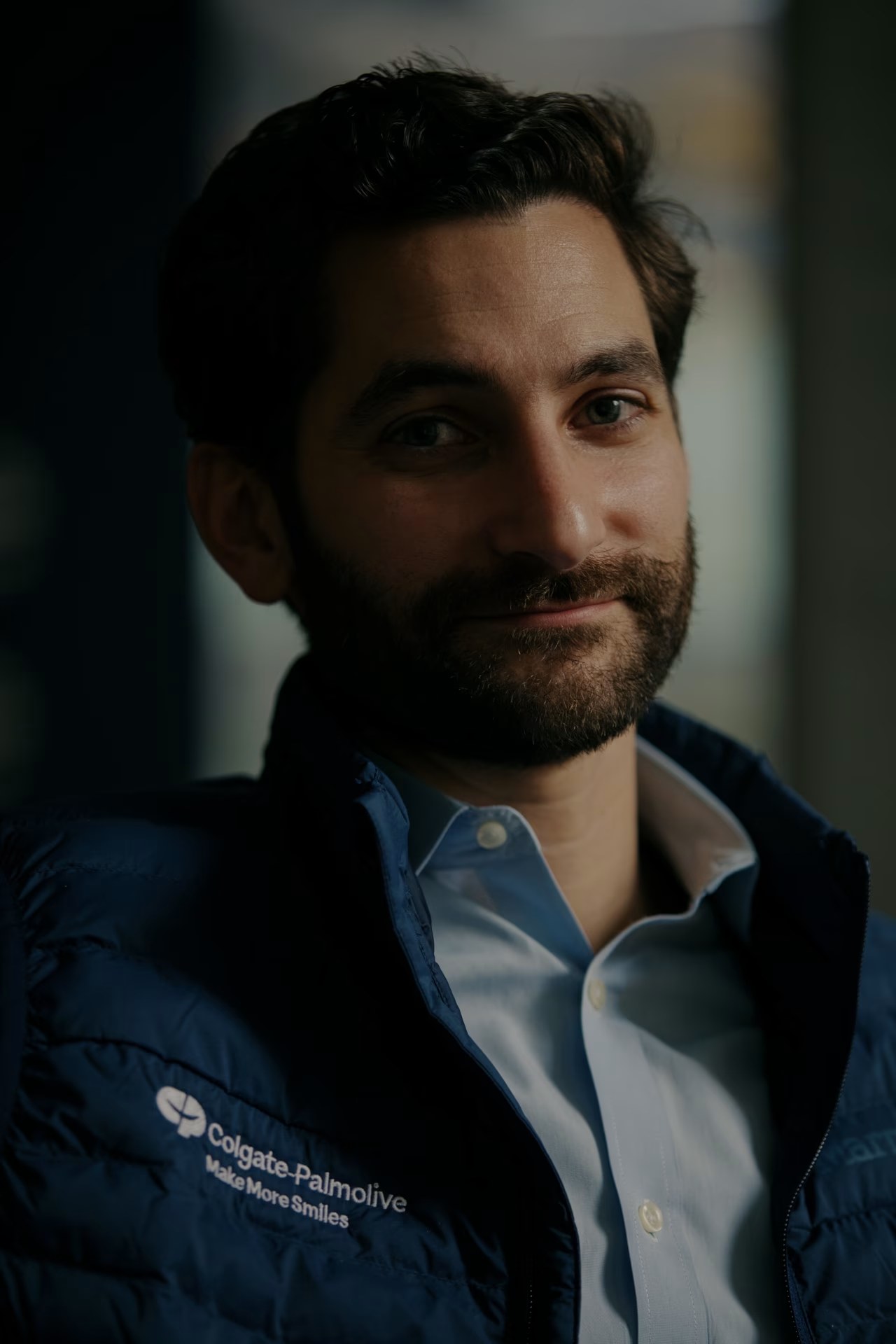
The AI Evangelist’s Bold Vision: Transforming a 220-Year-Old Toothpaste Maker’s Future
- An AI Evangelist is spearheading Digital Transformation within a company established over two centuries ago.
- The journey of integrating AI into traditional industries often begins with challenging initial perceptions, as evidenced by ‘unpolished AI-generated images’ presented last April.
- The adoption of Artificial Intelligence signifies a critical strategic pivot for legacy brands to maintain relevance and competitive edge.
- This narrative underscores the tension between established practices and the imperative for rapid technological innovation in Consumer Goods.
Bridging Centuries: How Cutting-Edge AI Meets Time-Honored Tradition
AI EVANGELIST—NEW YORK, NY – In an era defined by rapid technological shifts, a profound transformation is unfolding within an enterprise boasting over two centuries of history: a 220-year-old toothpaste maker. This venerable institution, long a staple in global households, is now navigating the intricate landscape of artificial intelligence, driven by the strategic vision of an internal AI Evangelist.
The integration of AI into such a deeply entrenched corporate structure is not merely an operational upgrade; it represents a fundamental re-evaluation of how brand, product, and consumer engagement will evolve. For a company with a rich heritage in consumer packaged goods, embracing advanced AI is a high-stakes endeavor, balancing the preservation of established brand trust with the pursuit of innovation and efficiency.
This critical transition gained a poignant early illustration last April, when an ad agency partner presented a series of AI-generated images. The intent was clear: to demonstrate that while artificial intelligence held immense promise, its readiness to take center stage in the nuanced world of advertising remained a significant point of contention, setting the stage for the AI Evangelist’s formidable task.
The Dawn of Disruption: An AI Evangelist’s Mandate in a Legacy Enterprise
For an organization with a lineage stretching back over two centuries, innovation often moves with a measured pace, a stark contrast to the breakneck speed of modern technological evolution. The challenge for an AI Evangelist within such a 220-year-old toothpaste maker is not just technical implementation, but cultural transformation. This role demands a unique blend of foresight, diplomacy, and an unshakeable belief in the transformative power of artificial intelligence, particularly in areas traditionally reliant on human creativity and intuition, such as advertising.
The initial skirmish in this digital revolution was vividly illustrated last April during a crucial conference call. An ad agency partner, tasked with showcasing AI’s current capabilities, presented a series of AI-generated images. These visuals, described as unpolished, served as a potent, if unintended, demonstration that artificial intelligence, in its nascent stages for creative applications, was not yet fully equipped to assume a dominant role in the sophisticated realm of brand advertising. This moment, far from being a setback, underscored the very real need for an AI Evangelist to bridge the gap between AI’s potential and its practical, high-quality application in a brand-sensitive environment.
This specific incident highlights a broader industry truth: while AI tools promise revolutionary efficiencies and personalization, their output often requires significant human refinement to meet established brand standards. For a company that has cultivated consumer trust for 220 years, maintaining brand integrity is paramount. The AI Evangelist’s role then becomes one of strategic orchestration, guiding the firm through pilot programs, setting realistic expectations, and fostering a collaborative ecosystem where human creativity is augmented, not replaced, by machine intelligence. It’s about understanding where the technology excels today and where it needs further development, ensuring that any AI-driven initiatives enhance, rather than dilute, the brand’s enduring appeal across its diverse product lines, from advanced whitening formulas to sensitive gum care solutions.
Navigating Organizational Inertia: The Scale of the Challenge for a Global CPG
The scale of the undertaking within a company as established as this 220-year-old toothpaste maker cannot be overstated. Decades of ingrained processes, departmental silos, and established ways of working present formidable barriers to rapid technological adoption. An AI Evangelist must navigate this complex internal landscape, championing a future where AI isn’t just a buzzword, but an integrated component of operations, from supply chain optimization to customer engagement platforms. Their success hinges on demonstrating tangible value early and often, thereby building internal momentum and garnering executive buy-in for sustained investment. Legacy infrastructure, often spanning multiple global markets and product lines, adds another layer of complexity, demanding careful integration strategies to avoid disrupting decades of established, reliable operations that deliver essential consumer goods to millions daily. The challenge is not merely technological, but deeply cultural, requiring a shift in mindset across all levels of the organization.
For a global consumer packaged goods (CPG) giant, the strategic imperative to adopt AI extends across a vast spectrum of functions, from optimizing complex global supply chains and distribution networks to accelerating research and development for new oral care formulations. Without embracing advanced data analytics and Machine Learning, a company risks losing ground to digitally native startups and agile competitors who leverage AI for every aspect of their business, from product design to customer service. The commitment to artificial intelligence, therefore, is an investment in future relevance and market leadership, ensuring that a brand built on tradition can thrive in a hyper-modern economy, maintaining its place in millions of daily routines. As the AI Evangelist continues to champion this cause, the next steps involve meticulously mapping out AI’s integration across various business units, moving beyond initial demonstrations to impactful, scalable deployments that redefine operational efficiency and market responsiveness across the enterprise.
Source: Source Text
AI in Advertising: From Unpolished Pixels to Precision Marketing
The incident involving the unpolished AI-generated images in last April’s conference call served as a critical inflection point, not just for the 220-year-old toothpaste maker, but as a microcosm of the broader challenges and opportunities within the advertising industry. Artificial intelligence promises to revolutionize how brands connect with consumers, moving beyond broad demographics to hyper-personalized messaging and creative outputs. However, the path from concept to flawless execution is fraught with complexities, particularly when dealing with the nuanced requirements of a long-standing brand that has built its reputation over two centuries.
Advertising, historically a domain of human creativity and intuitive understanding of consumer psychology, is being rapidly reshaped by AI’s analytical prowess. AI algorithms can process vast datasets to identify granular consumer segments, predict purchasing behaviors, and optimize ad placements in real-time. This capability far surpasses traditional market research methods, offering unprecedented levels of efficiency and targeting precision. For a 220-year-old brand, leveraging these tools means unlocking new growth avenues and staying competitive against agile, digitally-native rivals, whose foundational strategies are built upon advanced data analytics. The potential for AI to drive precision marketing, reaching the right consumer with the right message at the opportune moment, represents a paradigm shift from conventional mass-marketing strategies.
Yet, the creative aspect remains a contentious area. While generative AI can produce text, images, and even video, the ‘unpolished’ nature of the examples shown last April highlights a crucial gap. AI excels at pattern recognition and synthesis, but often struggles with the subtle nuances of human emotion, cultural context, and artistic originality that define truly compelling brand narratives. The images, for instance, might have lacked the specific brand aesthetic cultivated over decades, or perhaps failed to convey the subtle humor or aspirational quality that resonates with millions of consumers who seek a specific feeling from their oral care products. The challenge for an AI Evangelist is to articulate a strategy where AI assists creative teams, taking on repetitive tasks and generating variations, while humans retain the critical role of conceptualizing, refining, and imbuing campaigns with distinct brand voice and emotional resonance.
Navigating the Human-AI Collaboration Imperative: Beyond Automation in Creative Fields
The future of AI in advertising for a 220-year-old toothpaste maker, therefore, isn’t about full automation but about intelligent collaboration. It’s a vision where AI acts as a sophisticated co-pilot, not an autonomous driver. For example, AI can rapidly generate hundreds of ad copy variations or visual layouts based on specific parameters, allowing human designers and copywriters to focus on selecting the most impactful, brand-aligned options and infusing them with the unique emotional intelligence that only human creativity can provide. This augmentation reduces time-to-market for campaigns, enables A/B testing at scale, and frees up creative professionals to tackle more complex, strategic challenges rather than repetitive production tasks. The ad agency partner’s presentation, despite its initial perceived shortcomings, likely served as a stark, tangible reminder of this necessary balance – that while AI is powerful, human oversight remains indispensable for quality and brand alignment, especially for a brand with a 220-year history of cultivating trust and specific aesthetic appeal. Understanding this intricate interplay between machine efficiency and human artistry is central to the AI Evangelist’s mission in shaping future advertising initiatives.
This evolution implies a significant shift in skill sets required within advertising teams. Designers may need to become ‘prompt engineers,’ art directors may evolve into ‘AI refiners,’ and marketers will become adept at interpreting AI-driven insights to inform their Brand Strategy. The AI Evangelist’s role extends to facilitating this upskilling, ensuring that the existing creative talent is empowered, rather than threatened, by the new tools at their disposal. The ultimate goal is to leverage AI to enhance creative output, personalize consumer interactions on an unprecedented scale, and build stronger, more enduring connections with a global audience, safeguarding and advancing the 220-year legacy in a dynamically changing marketplace.
AI’s Role in Modern Advertising
Source: Industry Trends Analysis (Conceptual)
The Ethical Frontier: Navigating Bias and Brand Trust with AI
For a company built on 220 years of consumer trust, navigating the ethical implications of artificial intelligence is paramount. The ‘unpolished’ AI-generated images presented last April hinted at more than just technical imperfections; they implicitly raised questions about the potential for AI systems to generate biased or inappropriate content. AI models are trained on vast datasets, and if these datasets reflect societal biases, the AI will inevitably reproduce and even amplify them. For a global brand with diverse consumer bases, ensuring fairness, inclusivity, and cultural sensitivity in AI-generated advertising content is not merely a technical challenge but a critical ethical and brand reputation imperative.
The AI Evangelist bears a significant responsibility in establishing robust ethical AI guidelines within the 220-year-old toothpaste maker. This involves meticulously auditing AI datasets for biases, implementing continuous monitoring systems for AI outputs, and ensuring human oversight in all decision-making processes that impact brand image or consumer perception. Consider, for instance, a generative AI tool producing ad visuals that inadvertently perpetuate stereotypes based on age, gender, or ethnicity in the context of oral hygiene. Such an oversight could swiftly erode decades of meticulously built brand equity, leading to significant public backlash and impacting sales of trusted products across international markets. The potential for such missteps makes ethical AI development a foundational pillar of any successful digital transformation strategy.
Furthermore, the use of AI for hyper-personalization, while offering significant marketing advantages, also raises concerns about data privacy and consumer autonomy. The AI Evangelist must champion transparent practices regarding data collection and usage, ensuring that consumers understand how their information is utilized to enhance their brand experience, and that this usage aligns with rigorous privacy standards. A breach of trust in this area, even if unintentional, could have catastrophic consequences for a brand that has thrived for 220 years on its reliability and consumer goodwill. The balance lies in leveraging AI’s power for personalization without infringing on privacy or appearing intrusive, a delicate tightrope walk in the modern digital landscape.
Ensuring Fairness and Transparency in AI-Driven Brand Communications
Implementing ethical AI frameworks requires a multi-faceted approach. This includes not only technical solutions like bias detection algorithms but also fostering an organizational culture that prioritizes ethical considerations at every stage of AI development and deployment. For the 220-year-old toothpaste maker, this could involve creating cross-functional ethical review boards, investing in AI literacy training for all employees, and collaborating with external ethics experts to stay ahead of evolving best practices. The goal is to ensure that AI systems are not only efficient but also aligned with the brand’s core values of trust, quality, and universal access to oral care.
The role of the AI Evangelist extends to advocating for ‘explainable AI’ (XAI) principles, where the reasoning behind AI-driven decisions is transparent and understandable, rather than a black box. This is particularly crucial in advertising, where creative choices can have profound cultural impacts. If an AI suggests a particular ad campaign that performs unexpectedly, understanding *why* the AI made that recommendation is vital for human teams to learn, refine, and prevent future missteps. By championing ethical AI, the AI Evangelist ensures that the 220-year-old company’s foray into advanced technology not only drives innovation but also reinforces its long-standing commitment to responsible business practices and consumer well-being, paving the way for further ethical integration into all aspects of its global operations.
Ethical AI Considerations for Legacy Brands
Source: Journalistic Analysis
Reinventing the Creative Process: The AI Evangelist as a Catalyst
The initial reaction to the ‘unpolished AI-generated images’ last April could have been dismissed as a failure of the technology, but for the AI Evangelist within the 220-year-old toothpaste maker, it was an opportunity. This incident served as a powerful, albeit stark, illustration that AI is not a magic wand for instant creativity, but rather a sophisticated tool that demands careful integration and human guidance. The role of the AI Evangelist is to fundamentally redefine the creative process, shifting from one where AI is seen as a replacement to one where it acts as a powerful catalyst for human ingenuity, especially within a creative department accustomed to traditional methods for decades.
Reinvention starts with augmenting, not automating. For instance, AI can rapidly analyze vast amounts of market data, identifying emerging visual trends, color palettes, or linguistic patterns that resonate with specific consumer demographics. This data-driven insight can inform creative briefs, giving designers and copywriters a richer foundation for their work, moving beyond subjective instincts. Instead of spending hours on manual research or iterating through countless minor variations, creative teams at the 220-year-old toothpaste maker can leverage AI to accelerate these foundational steps, freeing up valuable time for strategic thinking and artistic refinement. The AI Evangelist champions this workflow transformation, educating teams on how to effectively ‘prompt’ AI models to achieve desired creative outcomes that align with brand guidelines.
Consider the process of developing a new advertising campaign for a global oral care product. Traditionally, this involves extensive brainstorming, focus groups, and iterative design cycles. With AI, a creative team could generate hundreds of taglines, visual concepts, or even short video snippets in a fraction of the time. The AI Evangelist’s strategy focuses on empowering human creatives to curate, refine, and inject their unique brand voice and emotional intelligence into these AI-generated foundations. This human-AI collaboration ensures that the final output not only appeals to target audiences but also deeply resonates with the 220-year-old brand’s established identity and core values, maintaining the authenticity consumers expect from a trusted product.
Developing New Skills: Empowering the Human Element in AI-Driven Creativity
A key aspect of the AI Evangelist’s mission is skill development and cultural adaptation within the creative department. This involves workshops and training programs focused on ‘AI literacy,’ teaching designers how to use generative AI tools effectively, and helping copywriters master prompt engineering. The aim is to transform potential apprehension into competence and excitement, enabling employees to view AI as an extension of their creative capabilities rather than a threat to their roles. This proactive approach ensures that the 220-year-old toothpaste maker can retain its invaluable human talent while simultaneously upgrading its technological prowess in creative endeavors.
Ultimately, the long-term vision for the creative department, as guided by the AI Evangelist, is one of enhanced efficiency, greater personalization, and bolder innovation. By intelligently leveraging AI for tasks such as content localization for diverse global markets or generating tailored visuals for different digital platforms, the company can achieve unprecedented levels of agility and relevance. The challenges highlighted by the unpolished images last April evolve into lessons learned, informing a more nuanced and effective integration strategy where human creativity remains at the forefront, augmented and amplified by the strategic application of artificial intelligence, ensuring the 220-year-old brand continues to capture consumer attention with fresh, compelling campaigns.
Creative Workflow Efficiency
Source: Industry Benchmarks (Conceptual)
The Future of Branded Experience: How Will a 220-Year-Old Toothpaste Maker Adapt?
Beyond advertising, the ultimate mandate for the AI Evangelist within the 220-year-old toothpaste maker extends to revolutionizing the entire branded experience, from product conception to post-purchase customer interaction. The narrative of the ‘unpolished AI-generated images’ from last April, while initially focused on marketing, serves as a powerful reminder that AI’s potential is vast, touching every facet of a consumer goods giant’s operations. The critical question facing this venerable company is not just *if* AI will be integrated, but *how* it will fundamentally reshape its relationship with consumers and its position in a competitive global market, ensuring its 220-year legacy continues to thrive.
In product development, AI offers unprecedented capabilities. For a toothpaste maker, this could mean leveraging machine learning algorithms to analyze vast scientific literature and consumer feedback to identify novel ingredients or optimal formulations for specific oral health needs, such as sensitivity, gum health, or whitening. AI can simulate the effectiveness of new compounds, predict consumer preferences for flavors or textures, and even accelerate the research and development cycle, bringing innovative products to market faster. This shift from traditional, often lengthy, R&D processes to AI-driven discovery represents a significant competitive advantage for a company with a long history of scientific innovation, allowing it to adapt to evolving consumer demands with agility.
Furthermore, AI is poised to transform global supply chain management for the 220-year-old enterprise. Predictive analytics can optimize inventory levels, forecast demand fluctuations with greater accuracy, and enhance logistics efficiency, reducing waste and ensuring that essential oral care products reach consumers precisely when and where they are needed. This operational excellence, driven by AI, contributes directly to a seamless consumer experience by preventing stockouts and ensuring consistent product availability across diverse geographical regions. The implications are profound: greater sustainability, reduced operational costs, and an enhanced ability to serve millions of customers daily.
AI-Powered Customer Engagement and Long-Term Brand Loyalty
The future branded experience will also be defined by AI-powered customer engagement. This includes personalized customer service chatbots that can answer common queries about product usage or oral health, virtual assistants that guide consumers through product selection, and AI-driven insights that inform hyper-targeted loyalty programs. For a company that has built 220 years of loyalty, AI offers tools to deepen these relationships by understanding individual customer journeys and preferences at an unprecedented scale, fostering a sense of individualized care that mass marketing struggles to achieve. The AI Evangelist plays a crucial role in orchestrating these integrated digital touchpoints, ensuring consistency in brand messaging and service quality.
Ultimately, the success of the AI Evangelist’s mission within the 220-year-old toothpaste maker hinges on maintaining the delicate balance between embracing cutting-edge technology and preserving the enduring values that have defined the brand for generations. The initial ‘unpolished images’ serve as a testament to the fact that AI is a tool, not a panacea. Its strategic deployment across advertising, product development, supply chain, and customer service will determine if this legacy brand can continue to innovate, adapt, and build trust for another two centuries, proving that tradition and technological foresight are not mutually exclusive, but rather synergistic forces for sustained market leadership in a rapidly evolving world.
Key Areas of AI Impact on CPG Operations
Source: Industry Analyst Projections (Conceptual)
Frequently Asked Questions
Q: What is an AI Evangelist’s primary role in a company?
An AI Evangelist typically champions the adoption and integration of artificial intelligence across an organization. Their role involves identifying AI opportunities, educating stakeholders, overcoming internal resistance, and ensuring that AI initiatives align with strategic business goals, helping a company like a 220-year-old toothpaste maker embrace the future of innovation and maintain competitive advantage.
Q: Why are legacy companies slow to adopt new technologies like AI?
Legacy companies often face challenges in AI adoption due to established processes, hierarchical structures, significant legacy IT infrastructure, and a risk-averse culture focused on preserving decades of brand trust. Overcoming these requires strong leadership, investment in new skills, and a clear vision for how AI Evangelist-led initiatives can drive tangible value and competitive advantage without diluting brand heritage.
Q: How can AI impact advertising and brand strategy?
AI is transforming advertising by enabling hyper-personalization, optimizing ad spend, automating creative tasks, and providing deeper audience insights. While early AI-generated content may be unpolished, the technology promises more efficient campaigns, enhanced creative ideation, and stronger brand connections, critical for a 220-year-old toothpaste maker to stay relevant and engaging in a rapidly evolving digital marketplace.
Q: What are the common pitfalls when integrating AI into creative workflows?
Common pitfalls include over-reliance on nascent AI tools, neglecting human oversight in creative processes, and underestimating the need for human refinement. The incident with unpolished AI-generated images demonstrates that while AI offers immense potential, it requires careful integration, validation against established brand standards, and a balanced approach that augments rather than replaces human creativity, especially for brands with a long legacy of consumer trust.
