THOR INDUSTRIES—
Thor Industries Projects Up to $9.5 Billion in Sales, Cautions on Consumer Uncertainty
- Thor Industries is targeting $9 billion to $9.5 billion in net sales for fiscal year 2026.
- The company cited “geopolitical and Economic Uncertainty” as a primary concern for consumer behavior.
- This cautious outlook suggests potential headwinds for the recreational vehicle market.
- Thor Industries reiterated its earnings per share guidance of $3.75 to $4.25 for Fiscal 2026.
Recreational Vehicle Giant Navigates Shifting Economic Tides
As a leading manufacturer in the recreational vehicle (RV) industry, Thor Industries has maintained its fiscal year 2026 outlook, projecting net sales between $9 billion and $9.5 billion. This affirmation of financial targets, reported by Bloomberg News, is juxtaposed with a significant warning: the company anticipates a “cloudy Consumer Outlook” driven by persistent geopolitical and economic uncertainties. This cautious stance from Thor, a bellwether for the RV sector, signals potential challenges ahead for the industry as it navigates a complex global environment. The dual message of stable financial projections coupled with a warning about consumer sentiment highlights the delicate balancing act companies must perform in uncertain times.
The implications of this consumer uncertainty are profound for Thor Industries and the broader RV market, which heavily relies on Discretionary Spending. Major purchases like RVs are often deferred when consumers face job insecurity, inflation, or general economic instability. Thor’s acknowledgment of these factors suggests a proactive approach to managing expectations and preparing for potential market shifts. The company’s reiterated earnings per share (EPS) guidance of $3.75 to $4.25 for fiscal year 2026 further underscores its commitment to profitability, but this will likely depend on its ability to navigate the headwinds of reduced consumer demand.
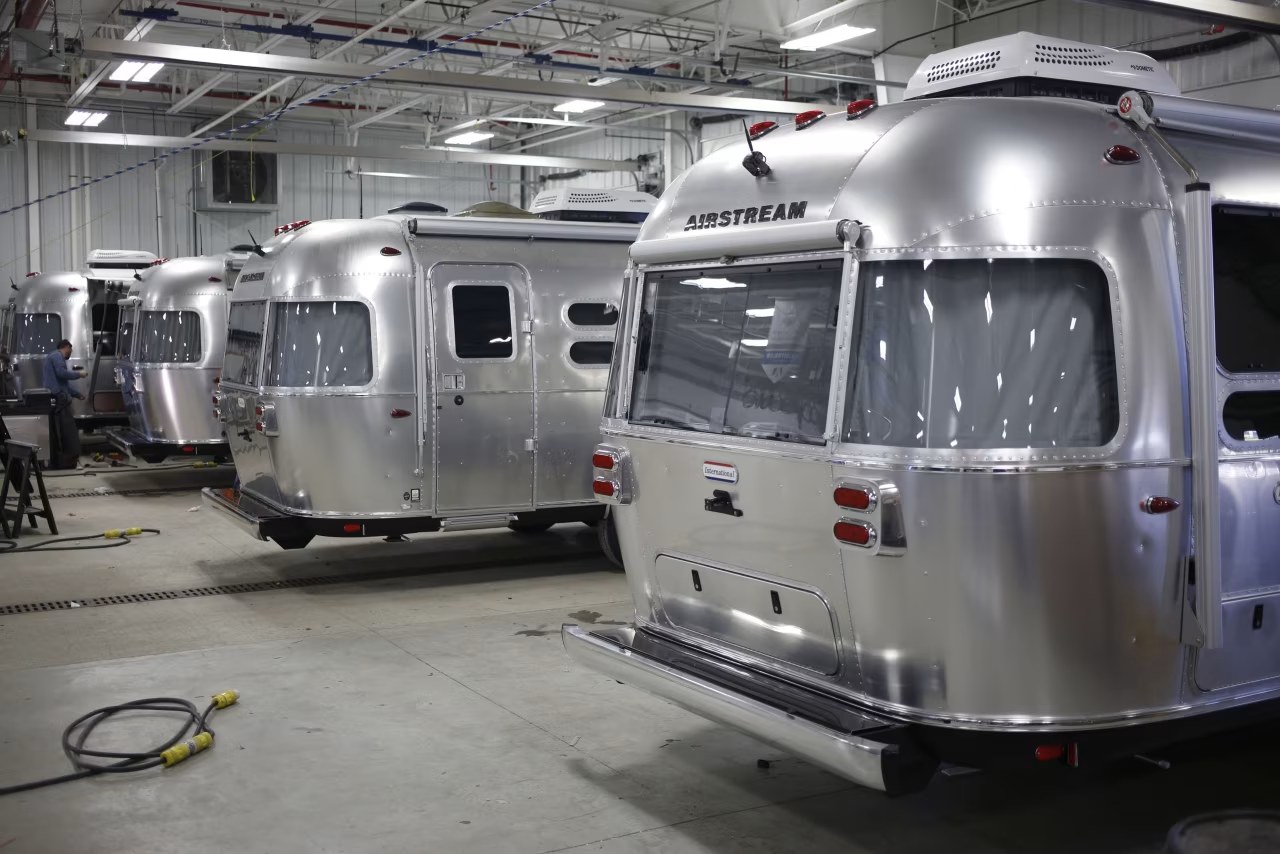
Thor Industries’ position as one of the largest RV manufacturers globally means its commentary carries substantial weight. Its assessment of consumer behavior and market conditions provides critical insights for investors, competitors, and suppliers alike. The company’s product lines span various segments, from travel trailers and fifth wheels to motorhomes, catering to a wide demographic. This diversification, along with its established brands like Airstream and Jayco, provides a degree of resilience. However, even a diversified portfolio cannot entirely insulate a company from widespread economic downturns or a significant erosion of consumer confidence. The company’s forward-looking statements indicate a strategic focus on operational efficiency and cost management to support its earnings targets, even as it braces for potential volatility in sales volumes.
Thor Industries’ Fiscal 2026 Projections: Navigating Financial Targets Amidst Economic Crosscurrents
Maintaining Forward Momentum with Defined Goals
Thor Industries, a colossus in the recreational vehicle manufacturing space, has firmly held its ground regarding its fiscal year 2026 financial projections. The company has reiterated its ambitious target for net sales, aiming for a range between $9 billion and $9.5 billion. This sustained outlook, as reported by Bloomberg News, speaks to management’s confidence in their strategic planning and operational capacity. For context, Thor Industries reported net sales of approximately $11.7 billion in fiscal year 2023, indicating that the 2026 projection represents a strategic recalibration rather than a decline, potentially reflecting a more normalized market environment following post-pandemic surges.
Complementing the sales forecast, Thor has also reaffirmed its earnings per share (EPS) guidance for fiscal year 2026. This guidance places expected EPS between $3.75 and $4.25. The dual focus on both revenue generation and profitability demonstrates a commitment to delivering value to shareholders. The RV industry, known for its cyclical nature, has seen significant fluctuations. For instance, in the fiscal year 2021, Thor Industries achieved net sales of $12.7 billion, showcasing the sector’s potential for rapid growth during favorable economic conditions. The projected figures for fiscal 2026, therefore, are set against a backdrop of both past performance and anticipated market normalization.
The maintenance of these financial targets, particularly the EPS range, suggests that Thor Industries anticipates leveraging its market position and operational efficiencies to achieve profitability goals, even if sales volumes fluctuate. The company’s extensive brand portfolio, including names like Airstream, Jayco, and Thor Motor Coach, caters to a broad spectrum of consumers, from budget-conscious families to luxury seekers. This diversification is a key strategy to mitigate sector-specific downturns. For example, during the economic downturn of 2008-2009, while RV sales generally declined, brands with strong customer loyalty and unique value propositions, like Airstream, often proved more resilient.
Thor’s ability to maintain its outlook hinges on several factors. It requires a deep understanding of consumer demand patterns, robust supply chain management, and effective cost controls. The company’s announcement comes at a time when many industries are recalibrating expectations due to global economic shifts. By reiterating its guidance, Thor signals a belief in the enduring appeal of the RV lifestyle and its own capacity to capture market share. The projected sales range of $9 billion to $9.5 billion for fiscal 2026, compared to the $11.7 billion achieved in FY23, might reflect a more conservative approach to demand forecasting or anticipate a more competitive landscape. Nevertheless, the earnings guidance suggests confidence in managing margins and operational costs effectively, a critical factor for sustained success in a maturing market. The company’s strategic focus will undoubtedly involve optimizing production to meet demand without overstocking, a lesson learned from past industry cycles where inventory imbalances led to significant price pressures.
The consistency in Thor’s guidance, despite external economic murmurs, positions it as a stable entity within the RV manufacturing sector. This financial discipline is essential for maintaining investor confidence and securing the capital necessary for ongoing product development and market expansion. As Thor Industries progresses towards fiscal year 2026, its ability to meet these financial benchmarks will be a testament to its strategic foresight and operational agility in a dynamic global economy. The company is preparing for a fiscal year where keen market observation and adaptive strategies will be paramount to translating its ambitious projections into tangible results, ensuring it remains a leader in the recreational vehicle market.
Thor Industries’ Net Sales Projection vs. Recent Actuals
Source: Thor Industries, Bloomberg News
The Shadow of Uncertainty: Geopolitical and Economic Headwinds Shaping Consumer Behavior
A Clouded Consumer Horizon
Thor Industries has explicitly identified “geopolitical and economic uncertainty” as the primary drivers behind a “cloudy consumer outlook.” This statement, directly from the recreational-vehicle maker, underscores a significant shift in the market’s landscape. The phrase “muddied the consumer outlook and added additional uncertainties for consumers” suggests a pervasive sense of apprehension that is making individuals hesitant about making large, discretionary purchases. This sentiment is not confined to a single region or demographic but is likely influenced by a confluence of global events, ranging from international conflicts and supply chain disruptions to domestic inflation, rising interest rates, and recessionary fears. These factors collectively erode consumer confidence, a critical component for the robust sales of big-ticket items like RVs.
The recreational vehicle market, a sector heavily reliant on consumer confidence and disposable income, is particularly susceptible to such macroeconomic shifts. When consumers feel uncertain about their job security, the future value of their investments, or the general economic stability, spending on non-essential, high-value items like RVs tends to decline. Historically, during economic downturns or periods of significant global instability, the RV industry has experienced a slowdown. For example, following the 2008 financial crisis, sales of Recreational Vehicles saw a substantial drop as consumer spending contracted sharply across the board, with many consumers delaying or canceling planned purchases of vehicles and other luxury goods. More recently, the post-pandemic period saw a surge in RV sales as people sought safe, outdoor-centric travel, but this trend is now facing headwinds from the persistent economic uncertainties.
Thor Industries, as one of the world’s largest manufacturers of RVs, operates at the vanguard of this market. Its warning therefore serves as a critical signal for the entire industry and related sectors, including campgrounds, service providers, and tourism. The company’s fiscal 2026 guidance of $9 billion to $9.5 billion in net sales, while ambitious, is now framed against this backdrop of consumer apprehension. The potential impact is that a sustained period of uncertainty could lead to lower-than-anticipated sales volumes, forcing Thor and its competitors to adjust production schedules, inventory levels, and marketing strategies. The company’s reiteration of its EPS guidance ($3.75 to $4.25) suggests an expectation that operational efficiencies and product mix may help buffer profitability, but the top-line sales figures remain vulnerable to shifts in consumer demand.
Consider the case of a potential RV buyer, ‘Sarah,’ who had been planning to purchase a new travel trailer in 2025. Hearing news of international conflicts and rising inflation, Sarah might reconsider her purchase, prioritizing saving money or paying down debt instead, perhaps opting for less expensive travel options or foregoing travel altogether. This individual decision, multiplied across thousands of potential buyers, can significantly impact Thor Industries’ bottom line. The company’s frank acknowledgment of these external pressures suggests that it is preparing for a scenario where consumer sentiment takes precedence over pent-up demand. This cautious approach acknowledges that factors far beyond the company’s control—global stability, inflation rates, and employment figures—will play a pivotal role in determining the success of its fiscal 2026 targets. The RV industry’s sensitivity to consumer discretionary spending means that any erosion of confidence, however slight, can have a disproportionate effect on sales. Thor’s management is keenly aware of this, which explains the dual messaging of maintaining guidance while simultaneously flagging potential risks.
Why is the RV Market Sensitive to Economic Downturns?
The Nature of Discretionary Spending
The recreational vehicle (RV) market is intrinsically linked to the economic well-being of consumers, making it highly sensitive to fluctuations in the broader economy. RVs represent a significant discretionary purchase, often costing tens of thousands, and in some cases, hundreds of thousands of dollars. This high price point places them firmly in the category of “big-ticket items”—purchases that consumers typically postpone or cancel when economic conditions are uncertain or deteriorating. The decision to buy an RV is often influenced by a combination of factors including job security, interest rates, inflation, and overall confidence in one’s financial future.
Historical data provides ample evidence of this sensitivity. Following the 2008 global financial crisis, the RV industry experienced a dramatic contraction. According to the RV Industry Association (RVIA), wholesale shipments of RVs plummeted by over 40% from their peak in 2007 to a low in 2009. This period saw widespread job losses, declining asset values, and a general tightening of credit, all of which severely curtailed consumer spending on luxury and recreational goods. Companies within the RV ecosystem, including manufacturers like Thor Industries, faced significant challenges, leading to production cuts, layoffs, and consolidation.
More recently, the COVID-19 pandemic created an unusual surge in RV demand. As travel restrictions and health concerns limited other vacation options, many consumers turned to RVs as a safe and self-contained way to travel. This led to record sales and production levels for the industry in 2021 and 2022. However, this boom was largely driven by specific pandemic-related factors, and the subsequent economic environment—marked by rising inflation, increased interest rates, and geopolitical tensions—has begun to temper that enthusiasm. Thor Industries’ current cautious outlook reflects this transition back to a more traditional economic sensitivity where consumer confidence plays a paramount role.
Furthermore, the financing of RV purchases often involves loans, and rising interest rates, a common tool used to combat inflation, directly increase the cost of ownership for consumers. This can make financing an RV less attractive, particularly for first-time buyers or those on tighter budgets. For example, an increase in interest rates from 5% to 7% on a $70,000 RV loan over 15 years can add thousands of dollars to the total cost of the vehicle. This financial calculus weighs heavily on potential buyers, especially when coupled with concerns about the overall economy and personal financial stability. As such, Thor Industries’ reiteration of its guidance, while maintaining a projection of $9 billion to $9.5 billion in net sales for fiscal year 2026, is tempered by an awareness that these economic headwinds could significantly impact actual sales volumes. The company’s ability to navigate these conditions will depend on its strategic pricing, financing partnerships, and marketing efforts that emphasize the long-term value and flexibility that RV ownership provides, even in uncertain times.
What’s Next for Thor Industries and the RV Market?
Strategic Responses to Market Volatility
In the face of a “cloudy consumer outlook,” Thor Industries’ strategy moving forward will likely involve a keen focus on operational efficiency, product innovation, and careful inventory management. The company has reiterated its fiscal year 2026 guidance, targeting net sales between $9 billion and $9.5 billion and earnings per share of $3.75 to $4.25. Achieving these goals amidst economic and geopolitical uncertainties requires agility. This includes closely monitoring dealer inventory levels to prevent overstocking, which can lead to price wars and reduced profitability, a lesson learned from industry cycles in the past.
For instance, during the boom periods following the pandemic, many RV manufacturers, including Thor, ramped up production significantly. When demand inevitably softened as economic conditions shifted, dealers were left with excess inventory, leading to substantial discounting. Thor Industries, in its current cautious stance, is signaling an intent to avoid such pitfalls by maintaining realistic sales projections and potentially adjusting production schedules proactively in response to market signals. This strategic recalibration is crucial for preserving margins and ensuring long-term financial health.
Innovation remains a cornerstone for success in the RV market, especially when consumers are more discerning about their purchases. Thor Industries, with its diverse brand portfolio—including Thor Motor Coach, Airstream, and Jayco—is well-positioned to innovate across different market segments. This could involve introducing more fuel-efficient models, incorporating smart technology features, or developing RVs that cater to evolving consumer preferences, such as those seeking smaller, more agile units for easier towing and parking. The company’s consistent guidance suggests a belief in its ability to continue offering compelling products that resonate with consumers, even in a more challenging economic climate. The development of advanced features, such as integrated solar power systems or enhanced connectivity options, can help differentiate Thor’s offerings and justify premium pricing, thereby supporting its earnings targets.
The broader RV market dynamics will also play a critical role. Factors such as the availability of campgrounds, the condition of roads and infrastructure, and consumer trends in outdoor recreation will influence overall demand. While economic uncertainty poses a threat, the underlying appeal of the RV lifestyle—freedom, adventure, and connection with nature—remains strong for many. Thor Industries’ long-term strategy will likely involve reinforcing this appeal through marketing efforts that highlight the value and experiences associated with RV ownership. As the company navigates toward fiscal year 2026, its ability to adapt its production, pricing, and product development strategies in response to unfolding economic conditions and shifting consumer priorities will be paramount. The sustained guidance suggests a calculated approach, preparing for potential challenges while remaining optimistic about the market’s long-term resilience and Thor’s continued leadership within it.
Thor Industries’ Market Position and Financial Health: A Deeper Look
Assessing Thor’s Standing in the RV Ecosystem
Thor Industries operates as a dominant force within the North American and European recreational vehicle markets, holding a significant share that positions it as a key influencer of industry trends and financial performance. In fiscal year 2023, the company reported substantial net sales of $11.7 billion, underscoring its scale and market penetration. This financial strength allows Thor to invest heavily in research and development, manufacturing capabilities, and strategic acquisitions. Its broad portfolio of brands, which includes esteemed names such as Airstream, Jayco, Starcraft, and Thor Motor Coach, caters to a wide array of consumer preferences and price points, ranging from affordable towable trailers to luxurious Class A motorhomes.
This diversification strategy is not merely about offering variety; it’s a critical hedge against the inherent cyclicality of the RV market. During economic downturns, consumers often trade down to more affordable towable models, while in periods of economic prosperity, demand for higher-end motorhomes tends to increase. Thor’s ability to serve these varied demands across its brand spectrum has historically provided a buffer against significant sales volatility. For example, the company’s towable segment, which typically includes travel trailers and fifth wheels, represents a substantial portion of its overall business and is often more accessible to a broader range of consumers during tighter economic times. The Thor Motor Coach division, conversely, targets the premium segment with its array of motorized RVs.
When analyzing Thor’s financial health, several metrics are crucial. Beyond the top-line sales figures, profit margins, debt levels, and cash flow are key indicators. The company’s reiterated guidance for fiscal year 2026, with projected earnings per share between $3.75 and $4.25, suggests a focus on maintaining profitability even if sales volumes fluctuate within the $9 billion to $9.5 billion range. This implies a strong emphasis on cost management and operational efficiency. For instance, if Thor’s net profit margin can be maintained at its historical average of around 6-8%, achieving the higher end of its sales forecast would translate to significant earnings. However, achieving this requires navigating supply chain complexities, raw material costs, and labor expenses, all of which have been volatile in recent years.
Thor’s strategic positioning also involves a robust dealer network. The company works closely with hundreds of independent dealers across North America and Europe, ensuring its products are accessible to consumers. The health of these dealerships is, in turn, vital to Thor’s success. Overly high inventory levels at dealerships, as seen during the post-pandemic inventory correction, can strain relationships and pressure pricing. Thor’s management appears keenly aware of this delicate balance, aiming to provide guidance that supports both their sales targets and the financial health of their distribution partners. The ongoing reinvestment in product development and manufacturing technology, exemplified by capital expenditures aimed at enhancing production efficiency and introducing new features, further bolsters Thor’s long-term competitive stance. The company’s financial strategy for fiscal year 2026 thus appears to be one of cautious optimism, balancing ambitious sales goals with a pragmatic acknowledgment of economic uncertainties and a continued commitment to operational excellence and market leadership in the RV sector.
Frequently Asked Questions
Q: What is Thor Industries’ fiscal 2026 sales outlook?
Thor Industries has reiterated its fiscal 2026 guidance, projecting net sales between $9 billion and $9.5 billion. This forecast is set against a backdrop of acknowledged economic and geopolitical uncertainties impacting consumer confidence and discretionary spending.
Q: What factors are creating a cloudy consumer outlook for Thor Industries?
Thor Industries specifically cited “geopolitical and economic uncertainty” as key drivers muddying the consumer outlook. These broad external factors, including international conflicts and inflation, are creating hesitancy among consumers regarding major discretionary purchases like recreational vehicles.
Q: How might geopolitical and economic uncertainty affect Thor Industries’ sales?
Such uncertainties can lead to reduced consumer spending on big-ticket items like RVs due to job security fears, inflation, and higher interest rates. This could potentially impact Thor Industries’ ability to meet its fiscal 2026 sales and earnings targets if consumer confidence erodes further.
Q: What is Thor Industries’ earnings per share guidance for fiscal 2026?
In addition to its sales forecast, Thor Industries has projected earnings per share (EPS) for fiscal 2026 to be in the range of $3.75 to $4.25. This guidance is also subject to the evolving consumer and economic landscape and is contingent on maintaining operational efficiency.
