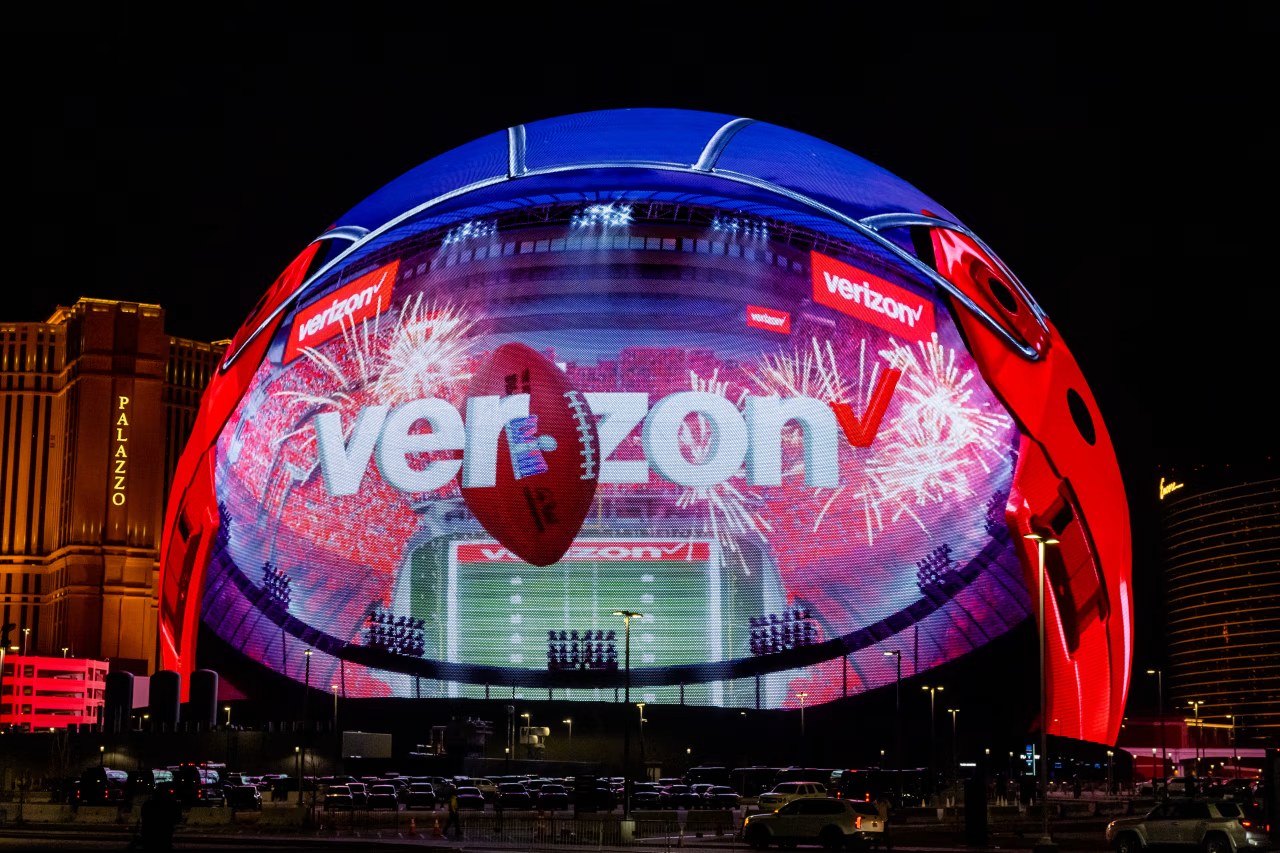
Verizon Explores Exiting $1 Billion NFL Sponsorship Amid Aggressive Cost Cuts
- Verizon’s NFL sponsorship deal is worth over $1 billion.
- The company is scrutinizing hundreds of millions in sports and music sponsorships.
- Discussions have included pulling back or exiting the high-profile National Football League deal.
- This review is part of a broader corporate push to reduce company-wide costs.
Telecom Giant Re-evaluates Massive Sports Marketing Investment
VERIZON—NEW YORK – Verizon Communications is reportedly scrutinizing its substantial financial commitments to sports and music sponsorships, a strategic review that has included discussions about potentially scaling back or exiting its lucrative, decade-long National Football League (NFL) deal worth over $1 billion. This re-evaluation comes as the Telecommunications giant intensifies efforts to cut costs across its operations. People familiar with the matter, who spoke on condition of anonymity, revealed these deliberations to this publication in recent months, underscoring the significant financial stakes involved.
The potential shift away from one of the most visible sports marketing platforms in the United States signals a critical juncture for Verizon’s Brand Strategy. The NFL sponsorship, formalized in 2021, positioned Verizon as the league’s official 5G network and granted extensive rights to utilize NFL branding in its advertising campaigns. This move was intended to leverage the immense popularity of American football to enhance brand visibility and consumer engagement. However, the current economic climate and internal financial pressures appear to be prompting a rigorous examination of such high-value partnerships.
This scrutiny of the NFL deal is not an isolated incident but rather a component of a wider corporate initiative at Verizon aimed at identifying and eliminating inefficiencies and reducing expenditures. The company is reportedly casting a critical eye on hundreds of millions of dollars allocated to various sports and music sponsorships. As Verizon navigates this period of financial diligence, the future of its deep-rooted connection with the National Football League hangs in the balance, with significant implications for both the brand and the league’s commercial relationships.
The Billion-Dollar Question: Why Verizon is Rethinking the NFL
The National Football League, with its unparalleled viewership and cultural penetration in the United States, has long been a prime advertising and sponsorship arena for major corporations. For Verizon, the 2021 agreement represented a significant investment, valued at over $1 billion for a decade-long commitment. This deal, which established Verizon as the league’s “Official 5G Network,” was more than just a financial transaction; it was a strategic alignment designed to associate the brand with America’s most popular sport. The ability to use NFL branding in advertising and to be prominently recognized during league events offered a direct line to millions of passionate fans, generating billions of impressions annually across broadcasts and digital platforms.
The Strategic Imperative of 5G Association in a Competitive Market
In 2021, when the deal was struck, the rollout and adoption of 5G technology were paramount for telecommunications companies. Verizon, in particular, was investing heavily in expanding its 5G network coverage and capabilities. By linking their brand to the NFL, Verizon aimed to convey a sense of cutting-edge technology and robust connectivity, essential attributes for a 5G provider. The league’s massive reach provided a captive audience for Verizon’s marketing messages, particularly those emphasizing the speed and reliability of its 5G network, which is crucial for live sports streaming and immersive fan experiences. This strategy was intended to differentiate Verizon in a highly competitive market, leveraging the NFL’s broad appeal to build brand loyalty and drive consumer adoption of its services, thereby justifying the substantial capital expenditures in network infrastructure.
However, the landscape of marketing effectiveness and corporate finance is constantly evolving. As reported, Verizon has been conducting an exhaustive review of hundreds of millions of dollars in existing sponsorships across both sports and music. This comprehensive assessment suggests a company-wide mandate to optimize spending and ensure that every dollar invested yields a demonstrable return, particularly as interest rates rise and economic forecasts become more uncertain. The sheer scale of the NFL deal, reportedly exceeding $1 billion over ten years, naturally places it under the most intense scrutiny. Sources indicate that the discussions have ranged from modifying the terms of the existing agreement to a complete withdrawal from the partnership, a scenario that would represent a seismic shift in their marketing approach. This internal deliberation highlights a critical re-evaluation of whether the substantial investment in the NFL continues to align with Verizon’s long-term financial objectives and marketing priorities in the current economic climate.
The consequence of such a withdrawal would be significant. For Verizon, it would mean a substantial reduction in marketing expenditure, potentially freeing up hundreds of millions of dollars annually for other strategic initiatives, such as further network investment, acquisitions, or bolstering profit margins to satisfy shareholder demands. For the NFL, it would represent the loss of a major corporate partner, potentially necessitating a search for new revenue streams or a renegotiation of other high-value sponsorship deals, impacting its projected revenue growth. The decision hinges on a complex calculation of brand visibility, fan engagement, and the ever-critical return on investment in an increasingly digital and fragmented media environment where consumer attention is harder to capture and retain. As this review progresses, the telecommunications giant is weighing the immense cultural capital and reach of the NFL against the pressing need for fiscal discipline and a more demonstrable ROI on its marketing investments. The ability of 5G technology to truly transform the fan experience is also a key factor being assessed.
This rigorous examination of the NFL sponsorship sets the stage for understanding how other large-scale corporate partnerships might be similarly assessed in the current economic climate. The intense financial pressure on Verizon, a company with a market capitalization in the tens of billions, suggests that no deal, however high-profile or long-standing, is immune to strategic re-evaluation. The outcomes of these internal debates could reshape Verizon’s brand narrative and its relationship with major cultural institutions. The precedent set by Verizon’s decision could also influence how other telecommunications giants approach their own extensive sponsorship portfolios, particularly those tied to major sporting events and leagues that command premium pricing.
The historical context of sports sponsorships reveals a consistent trend: companies invest heavily during periods of growth to capture market share and brand recognition, but they often retrench during economic downturns. For example, following the dot-com bust in the early 2000s, many technology companies dramatically scaled back their marketing budgets, including sponsorships. More recently, the COVID-19 pandemic forced widespread re-evaluation of live event and sports sponsorships. Verizon’s current review is therefore part of a cyclical pattern driven by macroeconomic conditions and internal strategic imperatives. The specific metrics being evaluated likely include brand recall, lead generation, customer acquisition cost, and overall contribution to revenue growth. The sheer size of the NFL deal means that even minor improvements in efficiency or a slight shift in strategic focus can justify significant changes. The company’s exploration of alternatives, such as more targeted digital advertising or sponsorships of smaller, niche events, is also a likely component of this comprehensive strategy. As the company navigates these complex decisions, the ultimate goal remains to optimize its marketing spend for maximum impact and financial accountability.
The future of the Verizon-NFL partnership, therefore, rests on a delicate balance of brand power, fan engagement, technological integration, and, most critically, financial performance. As the telecommunications industry continues to evolve, with the rise of streaming services and the increasing importance of direct-to-consumer relationships, the effectiveness of traditional mega-sponsorships is being rigorously tested. Verizon’s decision will be a bellwether for how the broader corporate world approaches its most significant marketing commitments in an era of heightened financial scrutiny and evolving consumer behaviors. The company’s ability to adapt its strategies, whether by doubling down on the NFL, modifying the deal, or exiting entirely, will be a key determinant of its future brand trajectory and financial health.
The ongoing deliberations within Verizon highlight a critical tension in modern corporate strategy: the desire to maintain a powerful, visible brand presence through association with cultural touchstones like the NFL, versus the imperative to demonstrate stringent financial discipline and deliver measurable returns to shareholders. The fact that a partnership worth over $1 billion is being seriously reconsidered underscores the economic pressures and strategic shifts underway within the telecommunications sector and the wider corporate world. This chapter delves into the specific financial considerations and strategic rationales driving Verizon’s re-evaluation of its landmark NFL deal, setting the stage for a deeper analysis of the market forces at play.
● None
Source: People familiar with the matter
Beyond the Stadium Lights: The Financial Underpinnings of Sponsorship Review
Verizon’s contemplation of reducing its significant investment in the National Football League sponsorship is emblematic of a broader trend among large corporations to reassess their marketing budgets, particularly in the wake of economic uncertainties and a sharpened focus on operational efficiency. The telecommunications giant has reportedly been scrutinizing hundreds of millions of dollars allocated to various sports and music sponsorships, a move that underscores a company-wide push to reduce costs. This intense financial review targets areas where return on investment might be perceived as diminishing or where strategic priorities have shifted, such as a greater emphasis on digital marketing or direct customer acquisition channels. The pressure is amplified by the need to meet earnings expectations and maintain a competitive edge in a sector characterized by relentless innovation and substantial capital expenditures.
A Deep Dive into Sponsorship Expenditures and ROI Metrics
The decade-long NFL deal, secured in 2021 for upwards of $1 billion, represents a substantial financial commitment, averaging over $100 million annually. This partnership not only made Verizon the official 5G network of the league but also granted it the valuable right to use NFL branding in its advertising. Such high-profile sponsorships are designed to achieve broad brand recognition and associate the company with positive attributes like excitement, competition, and national appeal. However, the effectiveness of these massive expenditures in driving measurable business outcomes—such as new subscriber acquisition, increased data usage, or improved customer retention—is increasingly under the microscope. In an era of sophisticated digital marketing analytics, companies like Verizon are demanding more concrete evidence of value, moving beyond simple brand awareness metrics to focus on tangible performance indicators.
People familiar with Verizon’s internal discussions have indicated that the company has indeed considered pulling back on or even exiting the high-profile NFL sponsorship. This consideration is not merely a budgetary adjustment but a strategic recalculation that assesses the evolving media consumption habits of consumers and the relative effectiveness of various marketing channels. The telecommunications sector, characterized by intense competition and significant capital investment in infrastructure, demands meticulous financial management. As Verizon aims to reduce costs across the company, reviewing large, long-term sponsorship contracts becomes a logical, albeit potentially contentious, step. The implications of such a decision would ripple through both Verizon’s marketing department, potentially leading to significant budget reallocations, and the NFL’s sponsorship revenue streams, which are crucial for the league’s operational funding.
The historical context of corporate sponsorship reveals that such reassessments are not unprecedented. During economic downturns or periods of significant corporate restructuring, companies often trim their marketing expenditures. For instance, following the 2008 financial crisis, many brands re-evaluated their advertising and sponsorship portfolios, shifting budgets towards more cost-effective digital channels. Verizon’s current review echoes these past strategic shifts, driven by a need to optimize resources and improve profitability, particularly in a market where 5G deployment costs remain high and subscriber growth may be plateauing. The telecommunications industry itself has seen intense consolidation and evolving consumer demands, pushing companies to be more agile and cost-conscious. The pressure to deliver shareholder value often forces tough decisions regarding legacy marketing commitments that may no longer align with current business objectives or offer the best possible return on investment compared to alternative marketing strategies.
Ultimately, the decision to alter or end the NFL sponsorship will depend on Verizon’s internal analysis of its efficacy versus the cost. The company must weigh the intangible benefits of brand association, such as enhanced brand perception and emotional connection with fans, against tangible financial targets like customer acquisition cost (CAC) and lifetime value (LTV). The outcome of this high-stakes review will undoubtedly offer insights into the future direction of major corporate sponsorships in the sports and entertainment industries, particularly as digital media continues to fragment audiences and offer more precisely targeted advertising opportunities. This strategic assessment by Verizon is a clear indicator of the evolving priorities in modern corporate marketing, where financial performance and measurable impact are paramount.
The current economic climate, marked by inflation, rising interest rates, and lingering supply chain issues, is forcing many businesses to adopt a more conservative financial stance. Verizon, as a major player in the telecommunications industry, is not immune to these pressures. The company has publicly stated its commitment to fiscal discipline and optimizing operational efficiency. This commitment translates into a thorough examination of all significant expenditures, including its substantial sports and music sponsorships. The NFL deal, due to its sheer scale and long-term nature, is a natural focal point for this review. It’s not simply about cutting costs, but about reallocating capital to areas that promise a more direct and measurable impact on the company’s bottom line. This could involve investing more in performance marketing, customer loyalty programs, or research and development for new services, rather than broad-stroke brand awareness campaigns tied to sporting events. The strategic decision hinges on whether the intangible benefits of aligning with the NFL’s massive audience still outweigh the tangible benefits of investing those funds elsewhere in the business. The telecommunications sector is also undergoing rapid technological advancements, with the deployment of 5G and the ongoing development of 6G demanding significant ongoing investment. This internal capital allocation competition makes decisions about marketing budgets all the more critical.
The impact of the NFL sponsorship on Verizon’s brand perception is multifaceted. On one hand, it associates the company with America’s most popular sport, tapping into the passion and loyalty of millions of fans. On the other hand, the sheer ubiquity of such sponsorships can sometimes lead to brand fatigue or a dilution of the message. Critics might argue that the association with a single sport, however popular, may not resonate equally with all segments of Verizon’s diverse customer base. Furthermore, the rise of alternative entertainment platforms and the increasing fragmentation of media consumption mean that the traditional mass-media impact of the NFL might be less potent than in previous decades. Verizon’s review is likely considering how effectively the NFL sponsorship contributes to its strategic goals, such as promoting its 5G capabilities and differentiating itself from competitors like AT&T and T-Mobile. The specific performance metrics tied to the sponsorship are likely being scrutinized intensely. If the sponsorship is not demonstrably driving key business metrics, such as customer upgrades or net new adds, then the justification for its continuation, especially at such a high price point, weakens considerably. The ongoing dialogue suggests that Verizon is seeking greater accountability and measurable results from its marketing investments, reflecting a broader industry shift towards data-driven decision-making and performance-based outcomes.
Potential Annual Savings from Exiting NFL Sponsorship
Source: Estimated based on $1B+ over 10 years
The Evolving Landscape of Sports Marketing ROI
The National Football League sponsorship represents a complex interplay between marketing objectives, brand association, and substantial financial outlay. Verizon’s decade-long deal, valued at over $1 billion, was established in 2021 with the intention of cementing its position as the league’s official 5G network and leveraging NFL branding for advertising. This strategic move aimed to capitalize on the NFL’s immense popularity and dedicated fanbase to enhance brand visibility and potentially drive customer acquisition. However, the ongoing scrutiny of this and other major sports and music sponsorships indicates a critical re-evaluation of the financial viability and strategic alignment of such partnerships in today’s dynamic market.
Quantifying the Impact of Sports Sponsorships
Historically, the value of sports sponsorships was often measured by less tangible metrics, such as brand prestige, goodwill, and broad awareness. The NFL, with its consistent viewership figures often exceeding 15 million per game and reaching Super Bowl audiences of over 100 million, offered an unparalleled platform for reaching a massive, engaged demographic. For Verizon, aligning with the NFL meant associating its brand with passion, competition, and national identity, particularly relevant for a telecommunications provider aiming for ubiquitous presence and reliability. The 2021 deal specifically aimed to capitalize on the growing demand for seamless connectivity during live events, positioning Verizon’s 5G technology as essential for the modern fan experience. The rights to use NFL branding also allowed for creative marketing campaigns that resonated directly with football enthusiasts.
However, the modern corporate environment demands more rigorous justification for expenditures. Companies like Verizon are increasingly focused on performance marketing, seeking direct correlations between marketing spend and key performance indicators (KPIs) such as customer acquisition cost (CAC), customer lifetime value (CLTV), and return on ad spend (ROAS). The sheer magnitude of the NFL sponsorship—reportedly over $1 billion for a ten-year term—necessitates a clear demonstration of its contribution to these metrics. This involves sophisticated analytics to track how many new customers are acquired directly or indirectly through the sponsorship, how engagement with NFL-related marketing campaigns translates into service upgrades, and whether the brand association with the NFL genuinely drives purchasing decisions compared to other marketing channels. The rise of digital advertising, with its granular targeting and real-time performance tracking, has raised the bar for traditional, large-scale sponsorships.
The implications of Verizon potentially scaling back or exiting its NFL deal are far-reaching. For Verizon, it represents an opportunity to reallocate significant capital towards initiatives that may offer a more immediate or measurable return. This could include investing in network infrastructure upgrades, developing new service offerings, or enhancing its digital marketing efforts, which often provide more precise targeting and attribution. For the NFL, losing a partner of Verizon’s stature could necessitate a strategic review of its own sponsorship models. The league might need to diversify its revenue streams, seek out new types of partners, or adjust pricing for its remaining sponsorship inventory. The dynamic nature of sports consumption, with the growing popularity of esports and the increasing digital engagement of younger audiences, means that the NFL must continually adapt its commercial strategies to remain attractive to major brands.
Furthermore, the telecommunications industry itself is a battleground of innovation and competition. Companies like T-Mobile and AT&T are also vying for market share and brand visibility. Verizon’s strategic marketing decisions, including its approach to major sponsorships like the NFL, are critical components of its competitive strategy. The company’s review of the NFL deal reflects a broader industry trend towards greater accountability in marketing spend and a data-driven approach to brand building. The success of such high-value sponsorships is increasingly judged not just by the eyeballs they capture, but by the tangible business outcomes they generate. As consumer behavior shifts and technological capabilities evolve, the definition of marketing ROI continues to be redefined.
The specific terms of the 2021 deal, which included Verizon becoming the league’s official 5G network, were designed to create a symbiotic relationship where Verizon’s technology enhances the fan experience, while the NFL platform amplifies Verizon’s brand message. However, the actual impact of 5G technology on the fan experience at stadiums or during game-viewing has been gradual, and its perceived benefits may not have fully materialized or been effectively communicated to the extent that justifies the massive investment. This is a key area of analysis for Verizon: is the technological integration yielding the expected marketing dividends? The company is likely evaluating whether the exclusivity of being the ‘official 5G network’ is providing a sufficient competitive advantage to warrant the enormous financial commitment, especially when competitors also offer robust 5G services. The potential exit or reduction of this sponsorship signifies a broader conversation about the future value proposition of major sports league partnerships in an increasingly digital and data-centric advertising ecosystem.
The question of whether the NFL sponsorship is delivering a superior return on investment compared to other potential marketing avenues is central to Verizon’s decision-making process. This involves a deep analysis of customer acquisition costs associated with the NFL deal versus, for instance, targeted digital campaigns, social media marketing, or sponsorships of other popular cultural events. The ability to track customer journeys and attribute revenue directly to specific marketing touchpoints has become increasingly sophisticated, enabling companies to make more informed decisions about budget allocation. If Verizon finds that investing the sponsorship funds in more data-driven marketing channels yields a better return on investment, then a shift away from the NFL becomes a logical business decision. This doesn’t diminish the cultural power of the NFL, but rather reflects the evolving priorities and measurement standards of modern corporate marketing departments. The telecommunications industry, with its high customer acquisition costs and intense competition, demands efficiency and demonstrable results from every dollar spent, making the ROI of a $1 billion sponsorship a critical point of evaluation.
As this significant sponsorship review unfolds, the telecommunications industry and the broader sports marketing landscape will be watching closely. Verizon’s decision could set a precedent for how other major corporations evaluate their own high-value partnerships in an era defined by data analytics, evolving media consumption habits, and a relentless pursuit of demonstrable financial returns. The interplay between brand building and measurable performance metrics is at the heart of this strategic dilemma, underscoring the complex calculus involved in modern global marketing initiatives.
Marketing Spend Reallocation Potential
Source: Estimated based on $1B+ over 10 years
What’s Next? Potential Futures for Verizon and the NFL
The current deliberations within Verizon regarding its substantial National Football League sponsorship deal signal a critical inflection point, not just for the telecommunications giant but potentially for the broader landscape of sports marketing. As the company weighs scaling back or even exiting the decade-long partnership, estimated to be worth over $1 billion, multiple scenarios and implications come into focus. This strategic review, driven by a company-wide push for cost reduction, underscores the evolving demands for tangible return on investment (ROI) from even the most high-profile marketing initiatives. The sheer scale of the NFL deal means its potential alteration or termination would have significant ripple effects.
Scenario 1: Phased Withdrawal or Reduced Commitment
One plausible outcome is a phased withdrawal from the NFL sponsorship. Instead of an abrupt exit, Verizon might negotiate to reduce its financial commitment over time or eliminate specific activation rights. For instance, they could relinquish the “Official 5G Network” designation or limit the use of NFL branding in advertising, while perhaps retaining a smaller, more targeted presence. This approach would allow Verizon to gradually decrease its expenditure while still maintaining some level of association with the league, potentially preserving goodwill with the NFL and its fanbase. Such a strategy would be guided by a careful analysis of which aspects of the sponsorship deliver the most value. For example, if specific digital integrations or fan-engagement activations prove more effective than broad league-wide branding, Verizon might choose to focus its resources there. This would also allow the NFL time to seek replacement partners or adjust its sponsorship tiers.
Scenario 2: Complete Exit from the NFL Partnership
A more drastic, yet reportedly discussed, outcome is a complete exit from the NFL sponsorship. This would involve Verizon severing ties with the league entirely, freeing up hundreds of millions of dollars annually. Such a move would represent a significant strategic shift, signaling Verizon’s prioritization of other marketing channels or business objectives. The capital saved could be reinvested in network infrastructure, customer acquisition programs, or other strategic partnerships that offer a more compelling ROI. For the NFL, losing a major partner like Verizon would be a substantial blow, prompting a rigorous assessment of its revenue model and a concerted effort to secure new sponsors. The league would likely aim to highlight the ongoing value of its platform, perhaps by emphasizing its viewership resilience or its ability to connect with diverse demographics, even in a changing media landscape.
Scenario 3: Renegotiation and Refocusing of the Deal
A third possibility involves renegotiating the terms of the existing deal to better align with Verizon’s current strategic priorities. This could mean shifting the focus from broad branding to performance-based metrics, such as tying payments more directly to customer acquisition or engagement numbers generated through the partnership. The ‘Official 5G Network’ designation could be redefined to emphasize specific technological integrations that demonstrably enhance the fan experience, such as improved connectivity within stadiums or novel augmented reality applications for viewers at home. This approach acknowledges the value of the NFL platform while demanding greater accountability and measurable outcomes. It allows both parties to adapt to changing market conditions and ensures that the partnership remains mutually beneficial and financially sound. Such renegotiations are common in long-term sponsorship agreements as market dynamics evolve.
The decision process for Verizon is complex, involving internal financial assessments, market analysis, and a strategic evaluation of brand positioning. The telecommunications industry is fiercely competitive, with players like AT&T and T-Mobile constantly vying for market share. Verizon’s marketing spend, including its significant investment in the NFL, must be viewed within this broader competitive context. The success of the 5G network rollout and adoption is a critical factor. If the NFL platform is proving instrumental in driving 5G uptake and demonstrating its capabilities, the company might be more inclined to continue or adapt the deal. Conversely, if other marketing channels are proving more effective in achieving these goals, an exit becomes more probable. Ultimately, the future of this high-profile partnership hinges on Verizon’s ability to ensure that its substantial investments are delivering the best possible return in an ever-evolving marketplace.
The historical precedent for major corporations re-evaluating or exiting large-scale sports sponsorships exists. Following economic downturns or shifts in consumer behavior, companies often reassess their marketing portfolios. For instance, during the 2008 financial crisis, many brands reduced their sponsorship spending. More recently, the COVID-19 pandemic forced a significant re-evaluation of live event sponsorships. Verizon’s current review is thus part of a broader trend where marketing investments are increasingly scrutinized for their direct impact on business objectives. The company’s commitment to cost reduction across hundreds of millions of dollars in sponsorships suggests a strategic imperative to optimize financial resources. The outcome of the Verizon-NFL review will offer valuable insights into the future of major sports marketing deals and the criteria by which their success is measured in the coming years. This rigorous evaluation process is likely to influence how other corporations approach their own large sponsorship commitments, emphasizing data-driven decision-making and a sharp focus on measurable ROI.
Looking ahead, the telecommunications sector continues to face rapid technological advancements, including the expansion of 5G, the development of 6G, and the integration of AI into network services. These areas require substantial ongoing investment. Verizon’s decisions regarding its marketing expenditures, therefore, are not made in a vacuum but are intricately linked to its broader strategic roadmap and capital allocation priorities. The potential reallocation of funds from the NFL sponsorship could significantly impact Verizon’s ability to invest in these future-oriented technologies and services. The company’s leadership must balance the immediate need for cost savings and profitability with the long-term imperative of innovation and market leadership. The outcome of this sponsorship review will undoubtedly shape Verizon’s brand narrative and its competitive positioning in the dynamic telecommunications landscape for years to come.
Frequently Asked Questions
Q: What is Verizon’s current relationship with the NFL?
Verizon has a decade-long sponsorship deal with the NFL, initiated in 2021, worth over $1 billion. This partnership designates Verizon as the league’s official 5G network and grants rights to use NFL branding in its advertising. This significant agreement is currently under review as part of Verizon’s broader cost-reduction efforts.
Q: Why is Verizon reconsidering its NFL sponsorship?
Verizon is undertaking a comprehensive review of hundreds of millions of dollars spent on sports and music sponsorships as part of a company-wide initiative to reduce costs. The massive NFL deal, exceeding $1 billion, is a key focus of this scrutiny, prompting discussions about potentially scaling back or exiting the partnership to optimize financial resources.
Q: How much is the Verizon-NFL sponsorship deal worth?
The decade-long sponsorship agreement between Verizon and the National Football League, which began in 2021, is reportedly valued at more than $1 billion. This substantial financial commitment makes it a significant line item in Verizon’s marketing budget and a prime candidate for review during the company’s current cost-cutting phase.
Q: Could Verizon fully exit its NFL sponsorship?
Sources close to the matter have indicated that Verizon has discussed the possibility of pulling back from, or even completely exiting, its high-profile National Football League sponsorship. While the final decision has not been made, a complete withdrawal is reportedly on the table as part of the company’s aggressive cost-reduction strategy.
Q: What does ‘official 5G network’ mean in the NFL deal?
Being the ‘official 5G network’ means Verizon’s technology is endorsed by the NFL, and the company gains exclusive rights to use the league’s branding in its marketing. This association aims to link Verizon’s 5G services with the high-speed, reliable performance expected in modern sports broadcasting and fan experiences.
