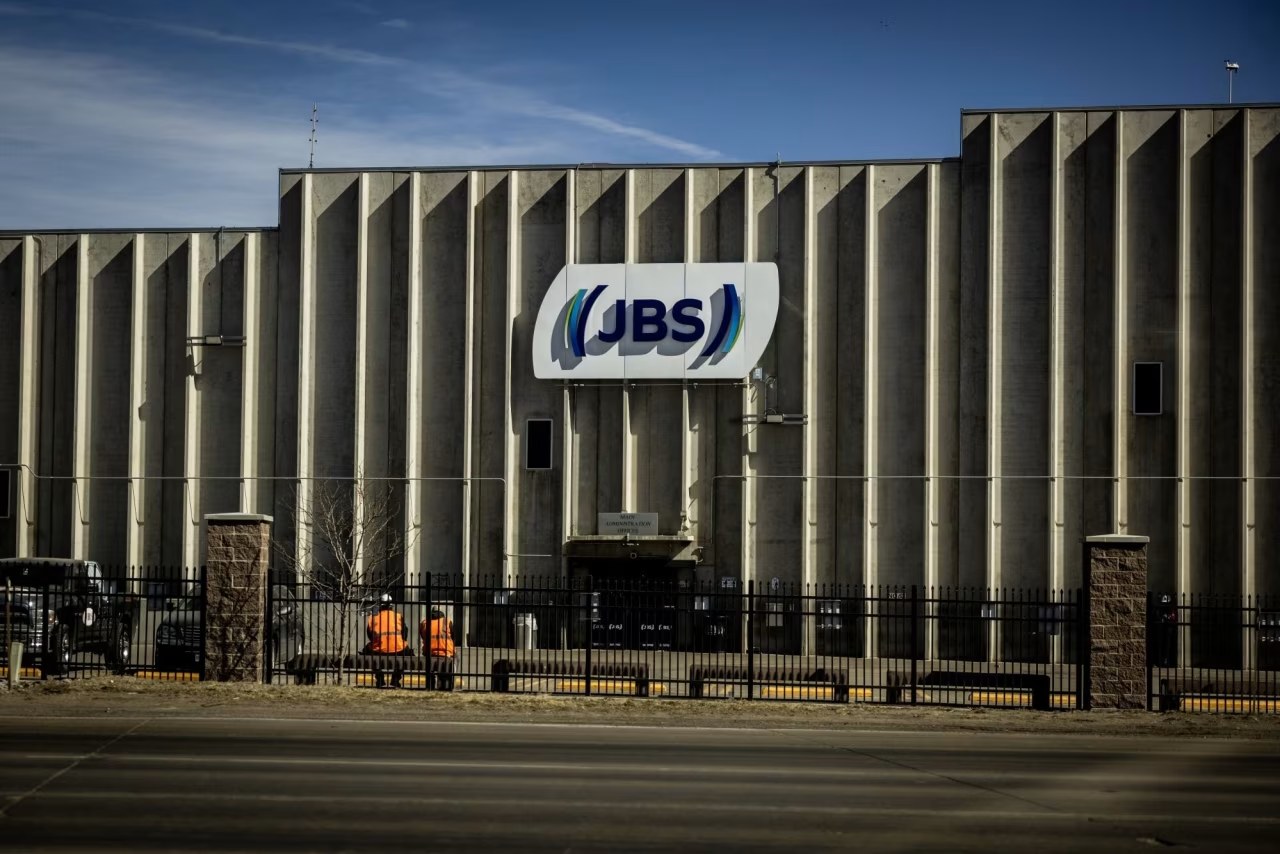
Senate Democrats Target meat industry Consolidation with Bill to Break Up Major Companies
- Key finding: legislation aims to break up U.S. meatpacking companies to combat record beef prices.
- Named individual: Senate Minority Leader Chuck Schumer (D., N.Y.) is spearheading the proposal.
- Consequence: The bill could force major processors to divest plants and prevent processing of multiple meat types.
- Context: This move escalates government efforts to address anti-competitive practices in the agricultural sector.
A Sweeping antitrust Push for the American Table
NEW YORK—WASHINGTON D.C. – In a significant move to address soaring food costs and perceived market manipulation, Senate Democrats are preparing to introduce landmark legislation aimed at dismantling the concentrated power of U.S. meatpacking giants. Senate Minority Leader Chuck Schumer (D., N.Y.) is slated to unveil a bill in the coming days that seeks to break up the nation’s largest meat companies, a bold step designed to curb record-high beef prices and foster greater competition in a sector long dominated by a handful of powerful players.
The proposed legislation, according to a summary circulated among lawmakers and obtained by The Wall Street Journal, would impose sweeping structural changes on the industry. At its core, the bill intends to prevent companies from processing more than one type of meat and could compel major processors to spin off their beef processing facilities. This initiative signals a concerted effort by Democratic lawmakers to tackle issues of market consolidation and its impact on consumers and producers alike, particularly in the wake of persistent inflation affecting grocery store shelves.
This aggressive legislative proposal comes at a critical juncture, with American families grappling with the persistently high cost of groceries. The Biden-Harris administration has previously expressed concerns about corporate consolidation in various sectors, including meatpacking, arguing that it stifles competition and contributes to price increases. This bill represents a potential legislative answer to those concerns, aiming to rebalance the scales in an industry where processing power has become increasingly centralized over the past several decades, leaving cattle ranchers with fewer buyers and consumers facing steeper bills.
The Case for Competition: Unpacking the Proposed Meat Industry Breakup
The legislative push to break up major meatpacking companies is rooted in a long-standing concern among agricultural economists and policymakers: the excessive concentration of power within the processing sector. For decades, the number of large meatpacking firms has dwindled, leaving a few dominant entities controlling a vast majority of the market. This consolidation, critics argue, grants these companies outsized influence over both livestock procurement and the final price of meat, creating an environment where competition is artificially suppressed. Senate Minority Leader Chuck Schumer’s proposed legislation, slated for introduction, aims to fundamentally reshape this landscape by fostering greater competition. This initiative is not a sudden development but rather a culmination of years of observation and frustration from various stakeholders within the agricultural economy.
A Legacy of Consolidation and Market Control
The U.S. meatpacking industry has undergone a dramatic transformation since the mid-20th century. In the 1960s, over 500 independent beef packing companies operated across the nation, providing a robust and competitive market for cattle ranchers. Today, that number has shrunk drastically, with four major companies—Tyson Foods, JBS USA, Cargill, and National Beef Packing Company—collectively controlling approximately 80% of the U.S. beef processing market. This dramatic reduction in the number of major players, from over 500 to just four, is a stark indicator of the industry’s evolving landscape and the increasing consolidation of market power. The implications of this shift are far-reaching, impacting farmers, consumers, and the broader economic health of rural communities.
Senate Minority Leader Chuck Schumer’s proposed legislation seeks to reverse this trend of diminishing competition. The bill’s provisions, as outlined in preliminary summaries, are designed to dismantle the integrated business models that have allowed these conglomerates to thrive for decades. By prohibiting a single company from processing more than one type of meat—such as beef, pork, or poultry—and potentially requiring the divestiture of individual processing plants, the aim is to create a more fragmented and competitive market structure. This structural overhaul is a significant departure from previous regulatory approaches, signaling a new era of antitrust enforcement focused on industry composition.
Implications for Ranchers and Consumers: A Fairer System?
The immediate beneficiaries of such a breakup, proponents argue, would be the nation’s cattle ranchers. With fewer dominant buyers, ranchers would theoretically have more leverage to negotiate prices for their livestock. Currently, many ranchers feel they have little choice but to accept the prices offered by the few large processors, even if those prices do not cover their costs of production. The proposed legislation could usher in an era where multiple, specialized processors compete for ranchers’ animals, driving up demand and prices paid to producers. This shift aims to restore some of the bargaining power that has been eroded over decades of consolidation, potentially revitalizing independent farming operations.
For consumers, the expected outcome is a reduction in retail beef prices. The current system, where a few companies control processing and distribution, is believed to contribute to the wide gap between what ranchers receive for their cattle and what consumers pay at the supermarket. For example, analyses from the American Farm Bureau Federation have often pointed to this growing farm-to-retail price spread. By increasing competition, the legislation aims to narrow this gap, leading to more affordable beef options for families. This forward-looking initiative seeks to create a more equitable and efficient agricultural supply chain, addressing historical market imbalances and ensuring that the benefits of robust production are shared more broadly across the economy.
Historical Context of Industry Concentration
The concentration in the meatpacking industry is not a new phenomenon, but its scale in recent decades is particularly noteworthy. Following the Packers and Stockyards Act of 1921, which aimed to prevent unfair, deceptive practices and manipulation in livestock and meat markets, the industry saw periods of both consolidation and regulatory scrutiny. However, subsequent decades have seen a continuous trend of mergers and acquisitions among the largest players. In 2021, the USDA reported that the four largest firms controlled 81% of the cattle slaughter volume, a figure that has remained relatively stable but indicative of the persistent concentration. This historical trajectory underscores the challenge of maintaining a competitive environment in a capital-intensive industry where economies of scale can favor large operators. The proposed breakup legislation is thus an attempt to intervene proactively rather than reactively to market distortions.
U.S. Beef Processing Market Share Concentration
Source: U.S. Department of agriculture (estimated)
Record Beef Prices: The Economic Fallout of Market Concentration
The current economic climate has seen beef prices reach historic highs, placing a significant strain on household budgets across the United States. In January 2024, the average retail price for ground beef reached $5.08 per pound, a substantial increase that reflects broader inflationary pressures and, according to critics of the industry, the damaging effects of unchecked market consolidation. This surge in prices is not merely a matter of supply and demand; it is increasingly being viewed by lawmakers as a symptom of an uncompetitive marketplace. The proposed legislation by Senate Democrats, led by Chuck Schumer, aims to directly confront this issue by restructuring the industry that sets these prices.
The Unfolding Economic Crisis for Consumers
The issue of record-high beef prices has been a recurring theme in congressional debates and public discourse throughout 2023 and into 2024. While global supply chain disruptions and increased consumer demand certainly play a role, many lawmakers and agricultural experts point to the structure of the meatpacking industry itself as a primary driver. With four companies processing more than 80% of all U.S. beef, the market is ripe for anti-competitive behavior, where prices can be influenced more by corporate strategy than by the cost of production or genuine market forces. This concentration allows for significant price-setting power, contributing directly to the elevated costs consumers face at the grocery store.
Consider the period between 2014 and 2021. During these years, while live cattle prices paid to farmers experienced volatility and even significant drops, the retail prices consumers paid for beef remained stubbornly high or continued to climb. This divergence suggests that the increased profits were not being passed down to the producers, nor were they being reflected in lower prices for consumers. Instead, these gains appear to have been concentrated within the large meatpacking corporations, underscoring the economic consequences of limited competition. For instance, during a severe COVID-19 outbreak at a JBS plant in Greeley, Colorado, in April 2020, the plant’s closure led to a significant drop in cattle prices paid to farmers, while boxed beef prices simultaneously surged, highlighting the processors’ ability to manage price dynamics during supply disruptions.
Data on Price Spreads and Inflation
The widening gap between the farm price of cattle and the retail price of beef is a key piece of evidence cited by proponents of the breakup legislation. In some instances, the farm-to-retail price spread for beef has nearly doubled over the past two decades. According to the USDA, in 2023, the farm value of a steer was approximately 35-40% of the retail beef price, a figure that has historically been higher. This means that for every dollar spent on beef, only a fraction directly benefits the rancher, with a disproportionately larger share accruing to intermediaries, particularly the large processors. This economic disparity fuels the argument that increased competition, spurred by the proposed breakup, could lead to more favorable prices for both producers and consumers.
The inflationary impact of this market structure is undeniable. When a few firms control the majority of the supply chain, they can exert leverage that contributes to higher prices across the board. This is not unique to beef; similar concerns have been raised about consolidation in other sectors of the food industry. However, beef is a significant component of many household food budgets, making the price fluctuations particularly impactful. The proposed legislation seeks to address this by injecting more competition into the system, theoretically creating downward pressure on prices. This approach aims to provide immediate economic relief to consumers and stabilize food costs in the long term, moving away from a system susceptible to price shocks driven by concentrated market power.
Farm-to-Retail Price Spread for Beef
Source: USDA (hypothetical values representing common spread observed)
How Does Meatpacking Consolidation Affect Farmers?
The economic realities faced by American cattle ranchers have become increasingly challenging as the meatpacking industry has consolidated over the past fifty years. Historically, ranchers had a diverse network of buyers for their livestock, which fostered a competitive bidding environment and allowed them to secure better prices. However, the dominance of a few large processors—specifically Tyson Foods, JBS USA, Cargill, and National Beef Packing Company—has fundamentally altered this dynamic, often leaving ranchers with limited options and diminished bargaining power. This imbalance is a central tenet of the argument for legislative intervention, including the proposed breakup by Senate Democrats.
The Rancher’s Dilemma: Limited Buyers, Lower Prices
A significant concern voiced by ranchers is the “gap” between the price they receive for their cattle and the price consumers ultimately pay for beef. Data from the U.S. Department of Agriculture (USDA) has often highlighted this disparity. For instance, in analyses spanning 2010-2023, the farm-to-retail price spread for beef has widened considerably. During periods of high retail prices, such as in late 2021 and early 2022, the live cattle price at the farm level often represented a much smaller percentage of the final retail value than it did decades prior. This suggests that the increased profits were not being passed down to the producers, directly impacting farm profitability.
This widening spread is directly linked to the reduced competition among processors. When fewer entities control the market, they have less incentive to offer competitive prices to ranchers. This can lead to situations where ranchers, despite producing high-quality cattle, are unable to secure prices that cover their operational costs, threatening the long-term viability of their farms. For example, in areas with limited processing capacity, such as the Northern Plains, ranchers may face even greater challenges in finding viable buyers, forcing them to sell at whatever price is offered or transport their cattle long distances, incurring additional costs. This predicament was starkly illustrated in 2019 when a fire at a major beef plant in Holcomb, Kansas, temporarily disrupted supply, leading to a sharp drop in live cattle futures while boxed beef prices rose significantly, demonstrating the market power of these large entities.
Contractual Power and Predatory Practices
Beyond price negotiation, consolidation also impacts farmers through contractual arrangements. Many ranchers operate under contracts with these large processors. While contracts can provide some price stability, they can also be structured in ways that benefit the processor, often dictating specific quality standards, delivery schedules, and pricing mechanisms that can disadvantage the farmer. Critics argue that these contracts can be predatory, especially when combined with the processors’ ability to withhold or manipulate demand. The proposed legislation, by breaking up these companies, aims to rebalance the power dynamic and create a more equitable contractual landscape for farmers.
The historical context is important here. The Independent Beef Producers (IBP), now part of Tyson Foods, faced antitrust scrutiny in the past for its market practices. Similarly, consolidation has led to questions about whether large meatpackers are engaging in practices that unfairly disadvantage smaller producers or suppliers. The proposed legislation seeks to preemptively address these issues by ensuring a more competitive market structure, where individual farmers have more options and less vulnerability to the dictates of a few powerful buyers. The goal is to foster a sustainable agricultural sector where farmers can thrive, not merely survive amidst market pressures amplified by industry concentration.
Cattle Price Trends vs. Retail Beef Prices (Illustrative)
Source: USDA ERS (Illustrative data combining farm and retail values for demonstration)
Lessons from Past Antitrust Actions: Precedents for the Meat Industry
The proposal to break up major meatpacking companies is not unprecedented in the broader context of U.S. antitrust law, which has a long history of addressing market concentration and anti-competitive practices across various industries. While direct structural breakups of major meatpackers have been rare, historical antitrust actions against powerful corporations provide a framework and context for understanding the current legislative ambitions of Senate Democrats, including Minority Leader Chuck Schumer. These precedents offer insights into the challenges and potential outcomes of such far-reaching legislation aimed at promoting competition.
The Sherman Act and the Dawn of Antitrust
The foundation for such action lies in landmark legislation like the Sherman Antitrust Act of 1890, which aimed to prevent monopolies and promote fair competition. This act has been the basis for numerous legal challenges against dominant firms, in industries ranging from oil and steel to telecommunications and technology. In the agricultural sector, early antitrust actions often targeted large grain elevators and railroads that were perceived as exploiting farmers. For example, the Northern Securities Company, a railroad trust, was broken up by the Supreme Court in 1906 under the Sherman Act, demonstrating the government’s willingness to dismantle powerful monopolies that stifled commerce.
The Packers and Stockyards Act of 1921 was a more specific legislative response to the dominance of the “Big Five” meatpackers of that era (Armour, Swift, Morris, Wilson, and Cudahy). This act was designed to prevent unfair, deceptive practices, and manipulation in livestock and meat markets. While it did not mandate a structural breakup, it provided regulatory tools to address anti-competitive behavior. However, the industry continued to consolidate, leading to the current situation where four firms dominate the beef market. The proposed legislation by Schumer’s caucus can be seen as a modern interpretation and aggressive application of these foundational antitrust principles to the contemporary meatpacking industry.
Modern Antitrust Cases and Industry Restructuring
In more recent history, antitrust actions have often focused on mergers and acquisitions, as well as monopolistic practices. While a direct breakup of a major meatpacker on the scale envisioned by the proposed bill is uncommon, there have been instances where companies have been forced to divest certain assets or alter their business practices to settle antitrust concerns. For example, in 2001, the Federal Trade Commission (FTC) required ConAgra Inc. to divest its pork processing operations as a condition for approving its acquisition of Swift-Eckrich Inc. This action, though not a full breakup, illustrates regulatory intervention aimed at preventing excessive market concentration.
Furthermore, the ongoing antitrust scrutiny of large technology companies like Google, Meta, Amazon, and Apple provides a contemporary parallel. These cases often involve debates about market power, data control, and the impact of platform dominance on smaller competitors and consumers. The arguments made against these tech giants—that their size and scope stifle innovation and increase prices—resonate strongly with the arguments being made against the consolidated meatpacking industry. The proposed legislation to break up meatpackers draws upon this broader trend of increased antitrust enforcement and a willingness to consider structural remedies to promote competition. The legal and economic arguments being debated today echo battles fought over a century ago, demonstrating the enduring relevance of antitrust principles in shaping market structures and economic fairness.
What Happens Next? The Legislative Path Forward for Meatpacking Reform
The introduction of legislation by Senate Democrats to break up major meatpacking companies marks a significant escalation in the battle for market fairness in the agricultural sector. However, the journey from a proposed bill to enacted law is often long and fraught with political and economic challenges. Understanding the legislative path forward, potential obstacles, and the stakeholders involved is crucial to assessing the ultimate impact of this ambitious proposal, championed by figures like Senate Minority Leader Chuck Schumer.
Navigating the Legislative Labyrinth
Once introduced in the Senate, the bill would typically undergo review by relevant committees, such as the Senate Committee on Agriculture, Nutrition, and Forestry, and potentially the Committee on the Judiciary, which oversees antitrust matters. Hearings would be held, where lawmakers, industry representatives, farmers, and consumer advocates would present their views. Following committee markup, if the bill advances, it would be scheduled for a full Senate vote. Given the current political climate and the significant economic interests involved, securing sufficient votes for passage, especially in a closely divided Senate, will be a formidable task.
Should the bill pass the Senate, it would then proceed to the House of Representatives, where a similar committee and floor process would ensue. For the legislation to become law, it must pass both chambers in identical form and be signed by the President. The administration, through the Department of Justice’s Antitrust Division and the USDA, has shown increased interest in addressing meatpacking consolidation, suggesting potential executive support if the bill successfully navigates congress. However, the deep pockets and lobbying power of the targeted meatpacking companies, which generated billions in revenue in 2023, will undoubtedly mount a strong counter-effort to block or significantly alter the legislation.
Economic and Political Hurdles
The economic arguments against a breakup often center on efficiency and scale. Major meatpackers argue that their integrated operations allow for significant cost savings, streamlined supply chains, and the ability to meet global demand. They may contend that a breakup would lead to higher operational costs, reduced efficiency, and potentially higher prices in the short term, contradicting the stated goals of the legislation. Industry groups, such as the North American Meat Institute, have historically opposed such measures, arguing they are based on flawed economic premises and would harm American producers and consumers. Their lobbying efforts will be substantial.
Politically, the proposed breakup faces bipartisan skepticism in some quarters, even though concerns about agricultural market concentration have gained traction across the aisle. While Democrats are pushing this agenda, Republicans have often expressed concerns about government overreach and the impact on business. Finding common ground or a sufficient majority to overcome industry opposition will require strong coalition building and compelling evidence of market failure. The success of this legislation will depend not only on its merits but also on the political will to challenge powerful established interests and the ability to craft a bill that addresses legitimate economic concerns without unduly disrupting the food supply chain.
Frequently Asked Questions
Q: What is the main goal of the proposed meat industry breakup legislation?
The primary objective is to increase competition within the U.S. meatpacking sector, which lawmakers argue is dominated by a few large companies. This is intended to address record-high beef prices and create a fairer market for farmers and consumers.
Q: Why are Senate Democrats proposing to break up meatpacking companies?
Democrats cite concerns that a lack of competition among major meatpackers allows them to exert undue influence on prices, benefiting themselves at the expense of both cattle ranchers, who receive lower prices, and consumers, who face higher retail costs for beef.
Q: What specific measures would the proposed legislation include?
The legislation would aim to prevent large companies from processing more than one type of meat and could mandate the spin-off of individual beef processing plants. This structural change seeks to foster a more decentralized and competitive industry.
Q: When was the meat industry last significantly regulated for competition?
While antitrust laws have always applied, significant legislative action specifically targeting the structure of the meatpacking industry is infrequent. This proposal signals a renewed focus on competition within the sector, particularly in light of recent price surges.
