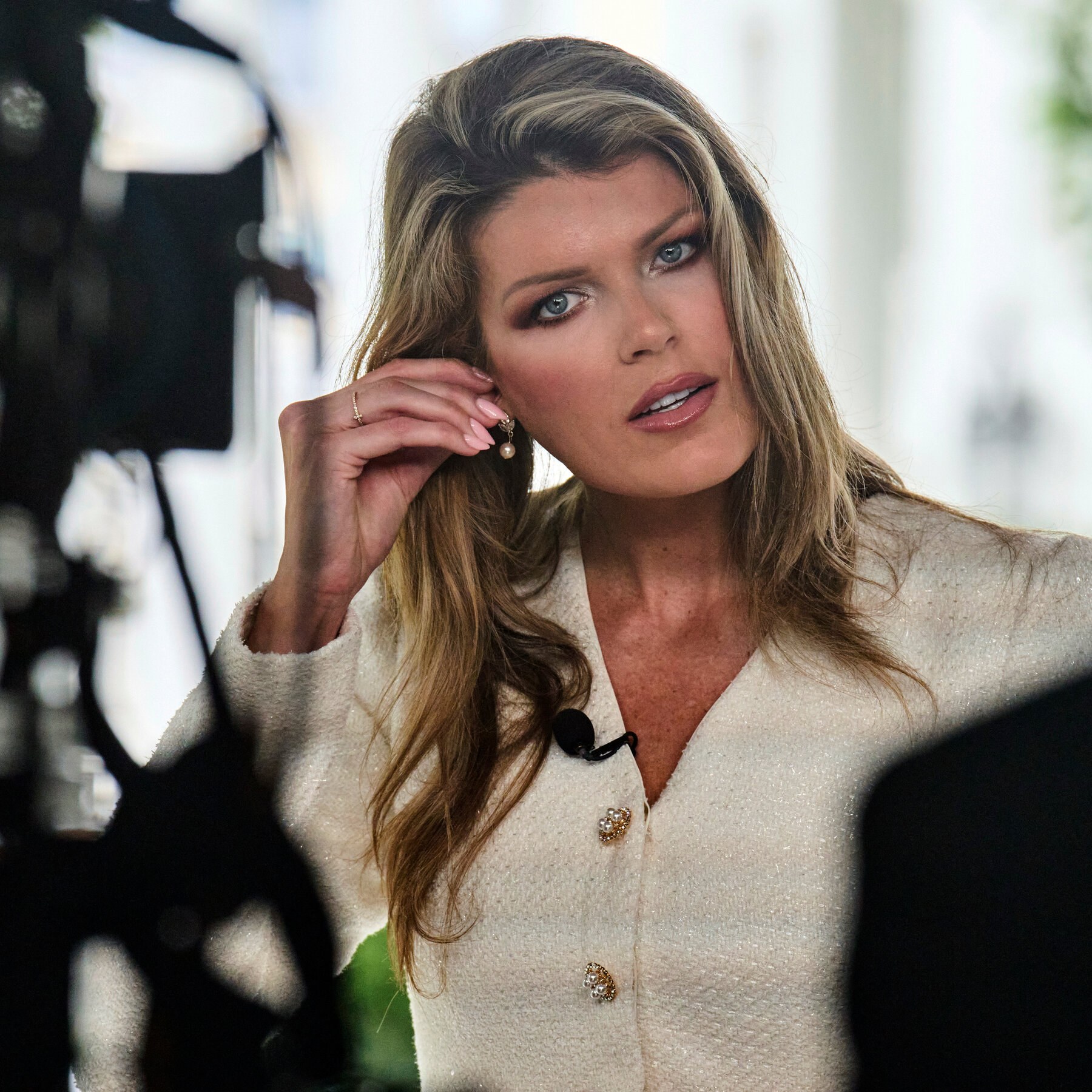
Two Grand Jury Indictments Trigger Lindsey Halligan Investigation by Florida Bar
- Florida Bar opened a formal probe after judges flagged “fundamental misstatements of the law.”
- Halligan, a former U.S. attorney, faces possible disbarment, a process that can take years.
- Justice Department’s recent Federal Register notice hints at federal pressure on state disciplinary bodies.
- Past DOJ attorney Roger Alford’s disbarment case shows a precedent for aggressive internal investigations.
Why a former federal prosecutor is now under state‑level scrutiny
LINDSEY HALLIGAN—Lindsey Halligan, who served as the interim U.S. attorney for the Eastern District of Virginia, found herself at the center of a Florida Bar investigation after a letter to the nonprofit Campaign for Accountability disclosed the pending probe.
The letter, addressed to the group’s executive director, noted that the bar had been “closely monitoring reprimands” the former prosecutor received from district judges, and it confirmed that an investigation was already underway.
Halligan, who left the U.S. attorney’s office in January, was copied on the correspondence, indicating she is aware of the inquiry. When contacted, she asked to see the letter but declined further comment, and a Justice Department spokeswoman refused to comment.
What sparked the Florida Bar’s probe into Lindsey Halligan?
From appointment to indictment: a rapid descent
Halligan’s tenure began in September 2023 when she was appointed interim U.S. attorney for the Eastern District of Virginia, despite having never served as a prosecutor. Within weeks she presented grand juries with evidence targeting former President Trump’s allies – former FBI director James B. Comey and New York Attorney General Letitia James.
The grand juries returned indictments against both men, marking the first criminal charges against Trump’s longtime opponents in that district. However, a federal judge later dismissed the cases, ruling Halligan had not been lawfully appointed as U.S. attorney at the time the indictments were sought.
Judges in the district expressed alarm. In November 2023, Magistrate Judge William E. Fitzpatrick warned that Halligan’s conduct involved “fundamental misstatements of the law that could compromise the integrity of the grand jury process.” Subsequent judges noted she continued to sign court documents as U.S. attorney even after the court order clarified her appointment was invalid.
These judicial concerns formed the factual basis of the Florida Bar’s investigation, which the bar communicated to Campaign for Accountability in a letter sent last month. The bar’s letter explicitly referenced the reprimands and warned that an investigation was already pending.
While the Florida Bar’s jurisdiction is state‑level, the case illustrates how federal actions can reverberate in state disciplinary arenas, especially when ethical rules governing lawyers are at stake.
The legal fallout of two grand jury indictments
Indictments, dismissals, and the ripple effect on legal ethics
The two grand jury indictments – one against former FBI director James B. Comey and another against New York Attorney General Letitia James – were the centerpiece of Halligan’s brief prosecutorial surge. Both indictments were swiftly dismissed after a federal judge concluded Halligan lacked lawful authority to act as U.S. attorney at the time the grand juries convened.
The dismissals did not merely erase the criminal charges; they ignited a cascade of ethical questions. Judges noted that Halligan’s presentation to the grand juries involved “fundamental misstatements of the law,” a phrase that signals possible violations of Model Rules of Professional Conduct, particularly rules prohibiting false statements and dishonest conduct.
Campaign for Accountability, the nonprofit that filed complaints in both Florida and Virginia, argues that Halligan’s conduct breaches multiple ethical provisions: false statements, misleading communications, dishonest conduct, and knowingly disobeying a judicial order. Each alleged breach could trigger disciplinary action ranging from a reprimand to disbarment.
Beyond the immediate legal ramifications, the case underscores a broader tension between political objectives and prosecutorial independence. Halligan’s rapid pursuit of indictments against high‑profile political figures, despite lacking a solid evidentiary foundation, raised alarms about the use of grand juries as political tools.
The fallout also reverberates within the Justice Department, where attorneys now watch the Halligan saga as a cautionary tale. The department’s own internal culture is under scrutiny, especially after the administration’s recent Federal Register notice hinting at federal involvement in state disciplinary matters.
Bar disciplinary process: From grievance committee to possible disbarment
How a state bar moves from investigation to courtroom sanction
When a complaint reaches a state bar, the process is methodical and often protracted. In Florida, the bar first opens an investigation, gathering facts and interviewing witnesses. If the investigation uncovers evidence of misconduct, the bar’s grievance committee evaluates whether probable cause exists to believe an attorney violated ethical rules.
Should the grievance committee find probable cause, it forwards a recommendation to the Florida Supreme Court. The court then decides whether to impose sanctions, which can range from a public reprimand to suspension or outright disbarment. The entire sequence can span several years, especially when the case involves complex factual disputes, as is true for Halligan.
Legal scholars note that the bar’s independence is a cornerstone of attorney regulation, but recent federal overtures – such as the administration’s notice to “suspend any parallel investigations” – threaten to blur that independence. Experts warn that even a mere request from the Justice Department could be interpreted as intimidation, potentially influencing how grievance committees weigh evidence.
In Halligan’s case, the Florida Bar’s investigation centers on her alleged false statements to grand juries and her continued use of the U.S. attorney title after a court order barred her from doing so. If the grievance committee determines these actions constitute dishonest conduct, the recommendation to the courts could include disbarment, the most severe penalty available.
Disbarment would not only end Halligan’s legal career but also send a strong signal to other DOJ attorneys about the limits of prosecutorial discretion when political objectives intersect with ethical obligations.
Political reverberations: How the investigation could reshape DOJ hiring
Recruitment challenges amid heightened scrutiny
The Halligan investigation arrives at a moment when the Justice Department is scrambling to fill vacancies left by a wave of resignations and dismissals that began in 2023. The department’s leadership has publicly acknowledged a “critical staffing shortage,” and the prospect of a high‑profile disciplinary case adds another layer of uncertainty for potential hires.
Prospective attorneys weigh the risk of joining an agency where political pressure may lead to ethical investigations. Halligan’s situation illustrates how a single attorney’s actions—perceived as politically motivated prosecutions—can trigger a state‑level probe that threatens a career. This dynamic may deter lawyers who value professional stability and could push talent toward the private sector or academia.
Moreover, the administration’s recent Federal Register notice, which suggested the Justice Department might request a pause on state bar investigations, signals an unprecedented willingness to intervene in traditionally autonomous disciplinary processes. Legal analysts argue that such a move could backfire, prompting state bars to double down on independence and potentially adopt stricter oversight mechanisms.
For the DOJ, the stakes are twofold: preserving the integrity of its prosecutorial function while maintaining an attractive employment environment. If the Halligan case culminates in disbarment, it could serve as a deterrent, reinforcing the message that ethical breaches—especially those intertwined with political objectives—will not be tolerated.
Ultimately, the outcome may shape recruitment narratives for years to come, influencing how the department frames its commitment to the rule of law and ethical practice.
Comparative lens: Past DOJ attorney investigations and their outcomes
From Roger Alford to Lindsey Halligan: patterns of accountability
Halligan is not the first Justice Department lawyer to face a disciplinary storm. In 2023, former antitrust senior attorney Roger Alford became the subject of a disbarment effort after publicly criticizing senior DOJ officials and being fired for opposing a corporate merger settlement involving Hewlett‑Packard Enterprise and Juniper Networks.
Alford’s case, like Halligan’s, hinged on alleged ethical violations—specifically, allegations of dishonest conduct and retaliation against the department. While Alford’s disbarment request was ultimately denied by the state bar, the episode underscored the delicate balance between internal dissent and professional responsibility within the DOJ.
Comparing the two cases reveals common threads: both attorneys engaged in high‑stakes legal actions that intersected with political considerations, both faced swift judicial criticism, and both became focal points for external watchdog groups. However, the outcomes diverge. Alford’s case stalled at the grievance committee stage, whereas Halligan’s investigation has already progressed to a formal letter from the Florida Bar, signaling a more advanced stage of disciplinary scrutiny.
These precedents inform how the legal community perceives DOJ conduct. When attorneys push the boundaries of prosecutorial discretion—especially in politically charged contexts—state bars may act more aggressively, using the disciplinary process to reaffirm ethical standards.
Looking ahead, the Halligan investigation could set a new benchmark for how aggressively state bars pursue DOJ attorneys, potentially leading to stricter internal compliance protocols and heightened awareness of ethical obligations among federal prosecutors.
Frequently Asked Questions
Q: What is the Florida Bar investigating about Lindsey Halligan?
The Florida Bar is probing Lindsey Halligan’s conduct as interim U.S. attorney, focusing on alleged false statements to grand juries and violations of court orders, which could lead to disbarment.
Q: Can the Justice Department intervene in state bar disciplinary matters?
The Justice Department has no direct authority over state bar associations, but a recent Federal Register notice suggests it may request a pause on parallel investigations, a move experts say could be seen as a threat.
Q: What are the possible outcomes of a Florida Bar investigation?
If the grievance committee finds probable cause, the case moves to the state courts, which can impose sanctions ranging from reprimand to suspension or full disbarment of the attorney.
