55,000 Jobs Added in February: What to Know
- The Labor Department is set to release its latest employment data on Friday.
- Economists estimate that employers added 55,000 positions in February.
- The unemployment rate is expected to hold steady at 4.3 percent.
- The jobs report for January showed that U.S. employers had picked up their pace of hiring.
The stakes are high for the jobs report, which could influence the Federal Reserve’s decision on interest rates.
NEW YORK—The Labor Department’s report for February comes after a surprisingly solid start to the year.
The Jobs Report: A Snapshot
The Labor Department’s report for February is expected to show that employers added 55,000 positions, according to economists polled by Bloomberg.
The unemployment rate is expected to hold steady at 4.3 percent.
The jobs report for January showed that U.S. employers had picked up their pace of hiring, adding 181,000 jobs.
What to watch in the February jobs report
The February jobs report is a crucial indicator of the state of the US economy, and it comes at a time when the Federal Reserve is closely monitoring economic data to inform its decision on interest rates.
In January, the economy added 181,000 jobs, a significant increase from the 140,000 jobs added in December.
However, one month does not make a trend, and economists are cautious about reading too much into the January numbers.
The labor market’s trajectory is not clear, and there are several factors that could impact the February jobs report, including bad winter weather and a strike involving 31,000 health care workers in California and Hawaii.
The jobs report is also important because it will provide insight into the impact of the ongoing conflict in the Middle East on the US economy.
The conflict has already led to an increase in oil prices, which could have a ripple effect on the economy.
According to economists, the February jobs report will likely show a slowdown in job growth due to the bad weather and the strike.
However, the report will also provide insight into the underlying strength of the labor market and the economy.
Understanding the Jobs Report
The jobs report is a monthly survey of employers conducted by the Bureau of Labor Statistics (BLS).
The report provides a comprehensive picture of the US labor market, including the number of jobs added or lost, the unemployment rate, and the labor force participation rate.
The report is closely watched by economists, policymakers, and investors because it provides insight into the overall health of the economy.
The BLS uses a sample of businesses to estimate the number of jobs added or lost each month.
The sample is designed to be representative of the entire US labor market.
The BLS also uses a seasonal adjustment process to account for fluctuations in employment that occur at the same time each year.
The Impact of Weather and Strikes
Bad winter weather and a strike involving 31,000 health care workers in California and Hawaii could have depressed employment in February.
The strike and weather conditions may have impacted the jobs report for February.
How weather and strikes affect the economy
Weather events and strikes can have a significant impact on the economy, particularly in industries such as agriculture, construction, and transportation.
In February, bad winter weather may have reduced employment in industries such as construction, manufacturing, and retail.
The strike involving 31,000 health care workers in California and Hawaii may have also impacted employment in the health care sector.
According to economists, the strike and weather conditions may have reduced employment by as much as 20,000 jobs in February.
This would mean that the economy may have added as many as 75,000 jobs in February, rather than the 55,000 estimated by economists.
The impact of weather and strikes on the jobs report highlights the challenges of predicting economic data.
Economic data is subject to revisions, and initial estimates may not always reflect the final numbers.
The BLS uses a variety of sources to estimate employment, including surveys of businesses and households.
However, these sources may not always provide a complete picture of the labor market.
Weather and Strikes: A Historical Perspective
Weather events and strikes have impacted the economy throughout history.
In 2013, a severe winter storm impacted employment in the northeastern United States, leading to a decline in jobs.
In 2019, a strike by auto workers in General Motors impacted employment in the automotive sector.
These events highlight the importance of considering weather and strikes when analyzing economic data.
The Role of Health Care in Job Growth
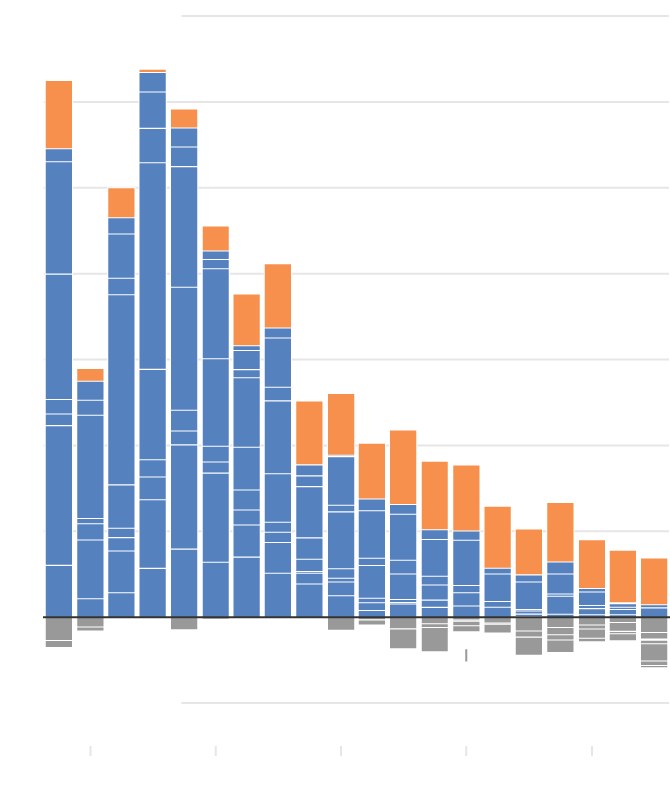
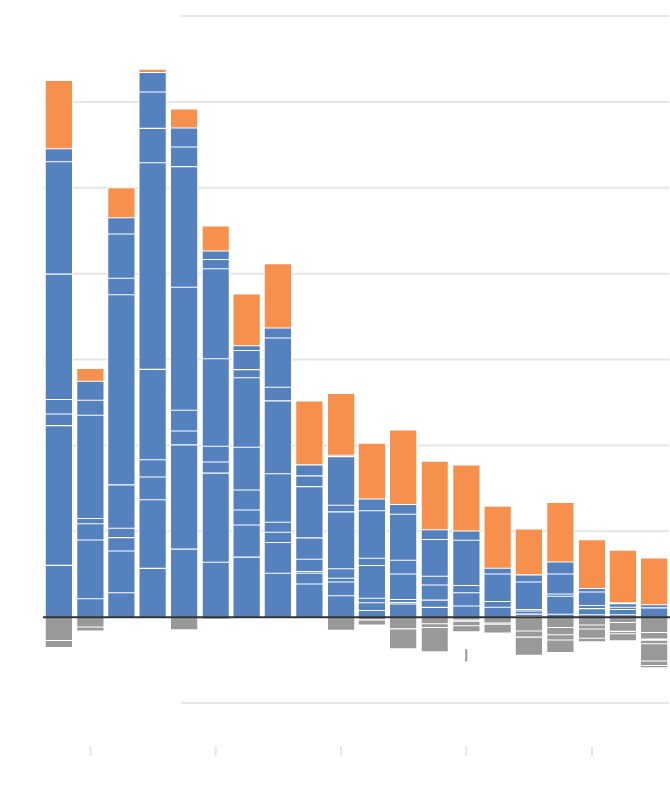
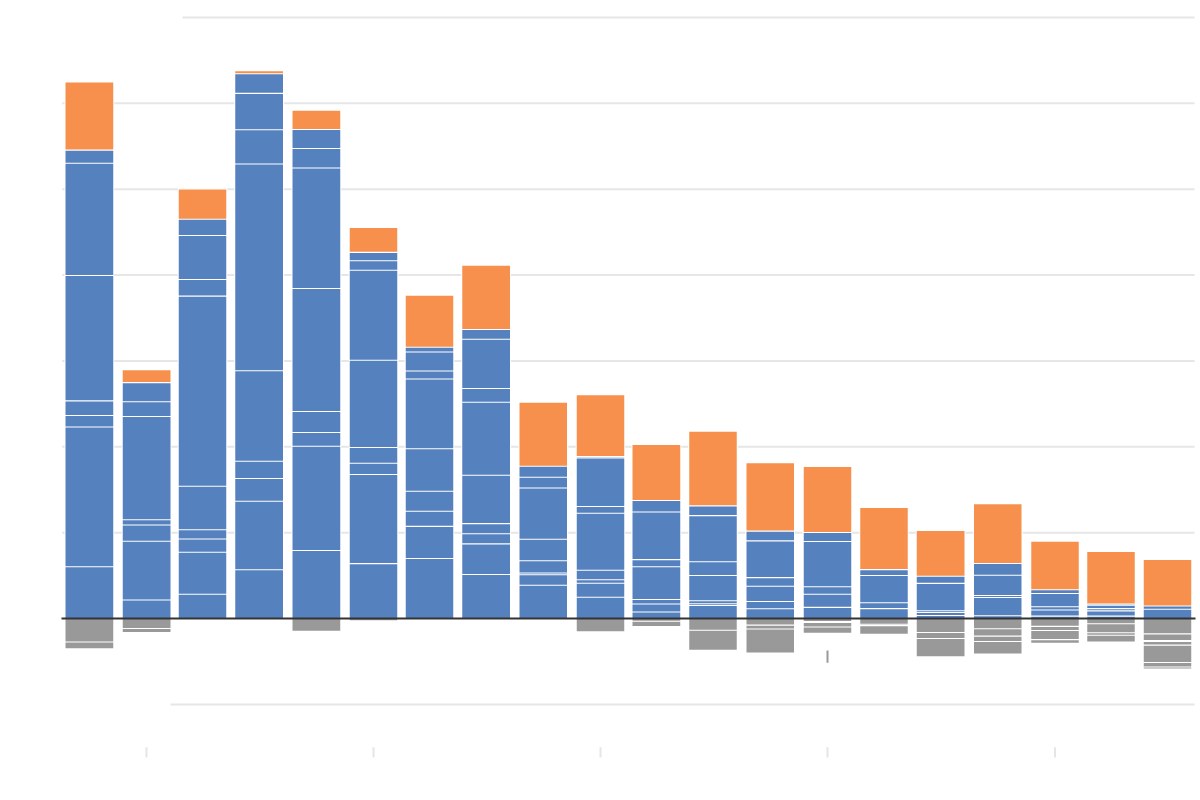
The health care industry added 693,000 positions last year, making it a significant contributor to job growth.
Without the health care industry, the economy would have lost 512,000 jobs last year.
The importance of health care in the economy
The health care industry has been a major driver of job growth in recent years, and it continues to play a crucial role in the economy.
According to economists, the health care industry is expected to continue growing, driven by an aging population and an increased demand for health care services.
The industry’s growth is also being driven by technological advancements, such as telemedicine and electronic health records.
In fact, a report by the Bureau of Labor Statistics found that employment of health care occupations is projected to grow 15 percent from 2020 to 2030, much faster than the average for all occupations.
The growth of the health care industry has also led to an increase in demand for skilled workers.
According to a report by the National Center for Education Statistics, there is a shortage of skilled workers in many industries, including health care.
This shortage has led to an increase in wages and benefits for health care workers.
In fact, a report by the Bureau of Labor Statistics found that the median annual wage for health care workers was $69,870 in May 2020, compared to $45,760 for all occupations.
The Impact of Health Care on Local Economies
The growth of the health care industry has also had a significant impact on local economies.
In many areas, health care is one of the largest employers.
According to a report by the American Hospital Association, hospitals and health systems employ over 5.5 million people in the United States.
The growth of the health care industry has also led to an increase in economic activity in local communities.
According to a report by the National Association of Health Services Executives, the health care industry generates over $1 trillion in economic activity each year.
The Challenges of Job Growth
Economists are not anticipating vigorous job growth this year, but they are not expecting hiring to be as paltry as last year either.
Companies are cautious to hire, but there are no signs of a dramatic downturn.
The challenges facing job growth
Despite the positive jobs report for January, economists are cautious about the outlook for job growth this year.
One of the main challenges facing job growth is the lack of skilled workers.
According to a report by the National Center for Education Statistics, there is a shortage of skilled workers in many industries, including technology, healthcare, and finance.
Another challenge is the uncertainty surrounding trade policy and its impact on businesses.
The ongoing trade tensions between the US and China have created uncertainty for businesses, making them cautious about hiring and investing.
In fact, a survey by the National Federation of Independent Business found that 60% of small business owners reported that trade policy uncertainty was a major concern for their business.
The uncertainty surrounding trade policy has led to a decrease in business investment.
According to a report by the Bureau of Economic Analysis, business investment declined by 1.4% in the fourth quarter of 2020.
This decline was driven by a decrease in investment in equipment and software.
The decrease in business investment has had a ripple effect on the economy, leading to a decrease in job growth.
According to economists, the economy needs to see an increase in business investment to support sustained job growth.
The Impact of Trade Policy on Job Growth
The ongoing trade tensions between the US and China have had a significant impact on job growth.
The trade tensions have led to an increase in uncertainty for businesses, making them cautious about hiring and investing.
According to a report by the Peterson Institute for International Economics, the trade tensions have led to a decrease in US exports to China.
This decrease has had a ripple effect on the economy, leading to a decrease in job growth in industries that rely on exports.
The Federal Reserve’s Perspective
Christopher J. Waller, a governor at the Federal Reserve, said a solid jobs report for February would reinforce the idea that the central bank can hold rates steady for the time being.
The Federal Reserve is closely watching the jobs report to inform its decision on interest rates.
The Federal Reserve’s role in the economy
The Federal Reserve plays a crucial role in the economy, and its decisions on interest rates have a significant impact on businesses and consumers.
The Fed’s primary goal is to promote maximum employment and price stability.
In recent years, the Fed has been monitoring the labor market closely, and it has been encouraged by the strong job growth.
However, the Fed is also concerned about inflation, and it has been keeping a close eye on wage growth and inflation indicators.
According to economists, the Fed is likely to keep interest rates steady for the time being, but it may adjust its policy stance later this year depending on the evolution of the economy.
The Fed has a dual mandate to promote maximum employment and price stability.
In order to achieve this mandate, the Fed uses monetary policy tools, such as interest rates and quantitative easing.
The Fed’s decisions on interest rates have a significant impact on businesses and consumers.
When interest rates are low, businesses and consumers are more likely to borrow and invest.
This can lead to an increase in economic activity and job growth.
The Federal Reserve’s Response to the Pandemic
The Federal Reserve has taken a number of steps to respond to the pandemic.
In March 2020, the Fed cut interest rates to near zero and implemented a series of emergency lending programs.
These programs were designed to provide liquidity to financial markets and support businesses and consumers.
The Fed has also taken steps to support the labor market.
In April 2020, the Fed announced a program to buy municipal bonds, which was designed to support state and local governments.
The Fed has also provided support to small businesses through its Main Street Lending Program.
