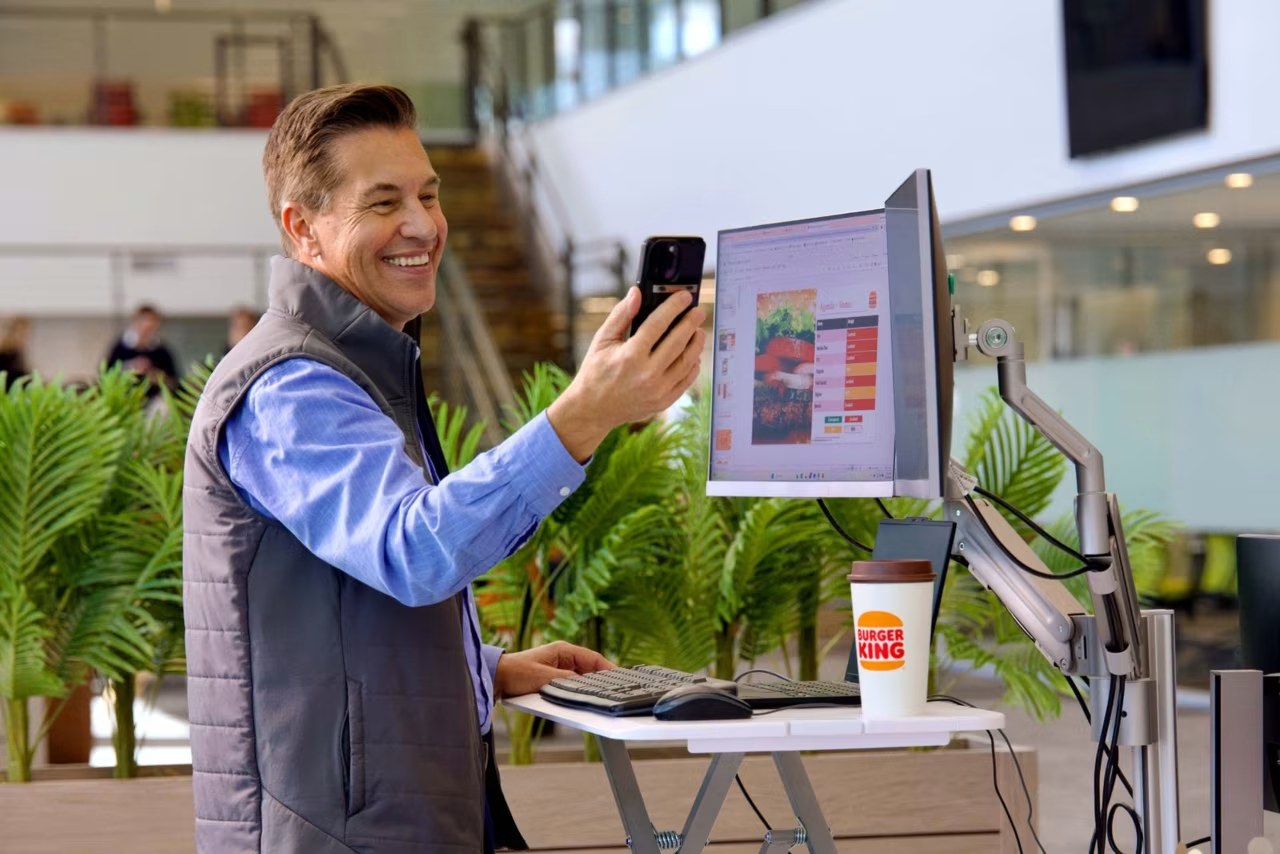
Burger King President Tom Curtis Captures 1,400 Calls in a Social Media Blitz
- 1,400 calls and messages answered in a single week.
- Social media managers orchestrated months of stunts.
- Tom Curtis promoted the new Whopper on camera.
- The campaign included posting the president’s phone number online.
From Boardroom to Back Porch: The Rise of the Burger King President
BURGER KING—In the fast‑moving world of fast‑food marketing, a single, well‑timed move can set a brand on a new trajectory. The latest example comes from Burger King, where President Tom Curtis has become an unexpected social media sensation. The company’s internal social‑media team, after months of planning, engineered a series of stunts that thrust Curtis into the spotlight, turning the corporate executive into a relatable, on‑camera figure. By coaching him on camera techniques, filming promotional clips for the new Whopper, and ultimately sharing his personal phone number online, Burger King created a narrative that blurred the lines between corporate leadership and everyday customer engagement.
The impact was immediate and measurable. Curtis answered 1,400 calls and messages in a week, a volume that dwarfs typical customer service interactions and signals a high level of public curiosity and involvement. While the campaign’s primary goal was to boost awareness for the new Whopper, the ripple effects extended to brand perception, customer loyalty, and the broader conversation about CEO‑centric marketing strategies. This article explores the origins, execution, and implications of this bold move, and looks ahead to what it means for the future of executive‑driven brand engagement.
The Rise of the Burger King President: From Boardroom to Back Porch
The story begins with a corporate decision: to bring the Burger King President into the public eye in a way that feels authentic and engaging. Tom Curtis, who has served as president since 2016, is no stranger to media, but his appearance in front of the camera was carefully orchestrated by Burger King’s social‑media managers. These managers, who have spent months cooking up stunts, recognized the potential of a personal brand to drive product interest. By coaching Curtis in front‑camera presence and recording videos of him promoting the new Whopper, they created a narrative that positioned the president as a relatable figure.
From Boardroom to Back Porch
The first implication of this strategy is a shift in how executive leadership is perceived by consumers. Traditionally, CEOs and presidents are seen as distant figures; the campaign repositions Curtis as a person who can be reached directly, even via phone. This personal touch aligns with the broader trend in marketing where authenticity and direct engagement are prized. The second implication is a measurable spike in brand interaction, evidenced by the 1,400 calls and messages that Curtis received in a week.
Marketing experts have long noted that personal stories can drive engagement more effectively than corporate slogans. In the case of Burger King, the decision to bring Curtis into the spotlight leveraged this insight. By turning a corporate leader into a social media personality, the company tapped into a growing consumer appetite for behind‑the‑scenes content and real‑time interaction.
Looking forward, the next chapter will examine the meticulous planning that turned this buzz into a marketing phenomenon, detailing the timeline of stunts and the strategic choices that set the stage for the phone number bombshell.
The Social Media Playbook: Months of Stunt Planning
Before the phone number was posted online, months of careful planning were underway. Burger King’s social‑media managers began by identifying the key moments that would build anticipation and create shareable content. They coordinated a series of videos featuring Tom Curtis promoting the new Whopper, ensuring that each clip highlighted different aspects of the product—flavor, value, and the brand’s playful image.
Stunt Timeline
These stunts were not random; they followed a structured timeline that maximized audience reach. First, the team launched teaser videos that hinted at an upcoming “special” event. Then, they released a full‑length promotional clip featuring Curtis, which included behind‑the‑scenes footage and a call‑to‑action encouraging viewers to engage. The final pre‑launch move was the posting of Curtis’s phone number, a bold step that invited direct interaction from fans.
The implications of this strategy are clear: by creating a sense of exclusivity and immediacy, Burger King increased the likelihood that consumers would reach out. The decision to share a personal phone number also introduced a new layer of authenticity, as it suggested that the company was willing to open a direct line of communication.
Experts in digital marketing note that such tactics can significantly boost engagement metrics, but they also carry risks related to privacy and operational capacity. In the case of Burger King, the company was prepared to handle the influx of calls, as evidenced by the subsequent week’s 1,400 interactions.
With the timeline in place, the next chapter will explore the moment when the phone number went live and the avalanche of calls that followed.
The Phone Number Bombshell: 1,400 Calls in One Week
The moment the phone number appeared on Burger King’s social‑media channels, the brand’s engagement metrics exploded. Tom Curtis, the Burger King President, answered 1,400 calls and messages in a single week, a figure that far exceeded typical customer service volumes. The calls ranged from casual inquiries about the new Whopper to personal messages, including one from Curtis’s son asking how to fix a garbage disposal.
Call Volume Impact
This volume of interaction demonstrates the power of direct executive engagement. By putting his phone number in the public domain, Burger King created a tangible point of contact that resonated with consumers. The implication is twofold: first, it increased brand visibility and conversation; second, it highlighted the operational challenge of handling such a high volume of direct communication.
From a marketing perspective, the 1,400 calls can be seen as a success metric. They represent a measurable increase in consumer engagement and a direct channel for feedback and brand storytelling. However, the campaign also exposed the company to potential risks, including privacy concerns and the need for robust customer service infrastructure.
Marketing scholars argue that personal engagement can humanize a brand, but they also caution that it requires careful management to avoid overload. Burger King’s experience underscores the importance of aligning operational capacity with marketing ambitions.
In the next chapter, we’ll examine how the back‑porch meeting unfolded and what it revealed about the human side of CEO‑centric marketing.
The Back Porch Meeting: A Personal Touch in the Digital Age
After the flood of calls, Tom Curtis hosted a casual meeting on the back porch of his Miami home, near Burger King’s headquarters. The setting was informal, with iced teas and a relaxed atmosphere that allowed Curtis to answer questions in real time. The back‑porch meeting served as a tangible manifestation of the campaign’s promise: a direct, personal line of communication between the company’s top executive and its customers.
Interaction Breakdown
During the meeting, Curtis answered a mix of queries, from product details to personal anecdotes. The interaction was captured on camera, adding a layer of authenticity to the campaign. The implications are significant: the back‑porch setting humanized the corporate image, reinforcing the narrative that Burger King’s leadership is approachable and customer‑focused.
From an operational standpoint, the meeting highlighted the need for executive time management. While the personal touch was well received, it also underscored the potential strain on leadership resources. The company’s decision to host such a meeting suggests a willingness to allocate executive time for brand building, a strategy that could influence future marketing initiatives.
Industry analysts note that this approach aligns with a broader shift toward experiential marketing, where brands create immersive, personal experiences for consumers. By blending social media stunts with real‑time interaction, Burger King leveraged a hybrid model that maximizes engagement.
Looking ahead, the next chapter will explore the broader implications of this campaign for CEO‑centric marketing and what it means for the future of brand strategy.
Implications and Future of CEO-Centric Marketing
The Burger King President’s campaign demonstrates a bold shift toward CEO‑centric marketing, where the executive’s personal brand becomes a core component of the brand’s story. This strategy offers several advantages: it can drive immediate engagement, create shareable moments, and humanize the corporate image. However, it also presents challenges, such as privacy concerns, operational strain, and the risk of overexposure.
Strategic Takeaways
For brands considering a similar approach, the key lessons are clear. First, align the campaign with a clear objective, such as product launch or brand repositioning. Second, ensure that operational capacity can handle the influx of direct communication. Third, maintain authenticity by providing real, timely responses rather than scripted messages.
From a marketing theory perspective, the Burger King case illustrates the convergence of content marketing, influencer strategy, and experiential engagement. By treating the president as a brand ambassador and an accessible point of contact, Burger King tapped into the desire for personal connection that drives modern consumer behavior.
Looking forward, the future of CEO‑centric marketing will likely involve a blend of digital stunts and real‑time interactions, supported by robust data analytics to measure impact. Brands that can navigate the balance between authenticity and operational feasibility will be best positioned to capitalize on this trend.
In conclusion, the Burger King President’s campaign offers a blueprint for how executive engagement can be leveraged as a powerful marketing tool, while also highlighting the importance of thoughtful execution and strategic planning.
Frequently Asked Questions
Q: What led to the Burger King President’s social media campaign?
Burger King’s social‑media managers spent months cooking up stunts to spotlight President Tom Curtis, coaching him in front‑camera presence and recording promotional videos for the new Whopper.
Q: How many calls did Tom Curtis receive during the campaign?
He answered 1,400 calls and messages in a single week, a figure that underscores the intense public engagement.
Q: What are the implications for brand engagement?
The campaign demonstrates how CEO‑centric marketing can amplify brand visibility, but it also raises concerns about privacy and operational capacity.
