Five Tankers Hit as Iran’s Chokehold on Strait of Hormuz Halts 20% of Global Oil Flow
- Five tankers have been struck since the U.S.-Israeli attacks began on Saturday.
- One‑fifth of the world’s oil passes through the Strait of Hormuz.
- Maersk announced suspension of several Middle‑East services.
- Insurance coverage for the strait could exceed $300 billion.
Iran’s maritime pressure is testing the limits of global energy supply chains.
STRAIT OF HORMUZ—Since the weekend attacks on Iranian facilities, the Strait of Hormuz—a narrow 21‑mile channel that carries about 20 % of the world’s oil and a sizable share of natural gas—has seen a near‑standstill in tanker traffic. Operators fear Iran’s newly demonstrated ability to strike vessels, prompting a mass pull‑back that is reverberating through oil markets.
“They are being successful in severely constricting the flow of everything — not just oil, it’s also natural gas — and that is clearly having an impact on world energy prices,” said Daniel Sternoff, senior fellow at Columbia University’s Center on Global Energy Policy.
With five tankers confirmed hit, insurance premiums soaring, and major shippers like Maersk suspending routes, the chokehold threatens to become one of the longest de‑facto shutdowns on record. The next chapter examines how this pressure is reshaping the global oil flow.
How Iran’s Threat Has Stalled Global Oil Flow
From Full‑Speed Transit to Idle Anchors
Before the recent escalation, an estimated 21 million barrels of crude per day slipped through the Strait of Hormuz, representing roughly one‑fifth of global oil supplies. Since the U.S. and Israel began their strikes on Iran on Saturday, tanker traffic has plummeted, with only a handful of vessels daring to transit.
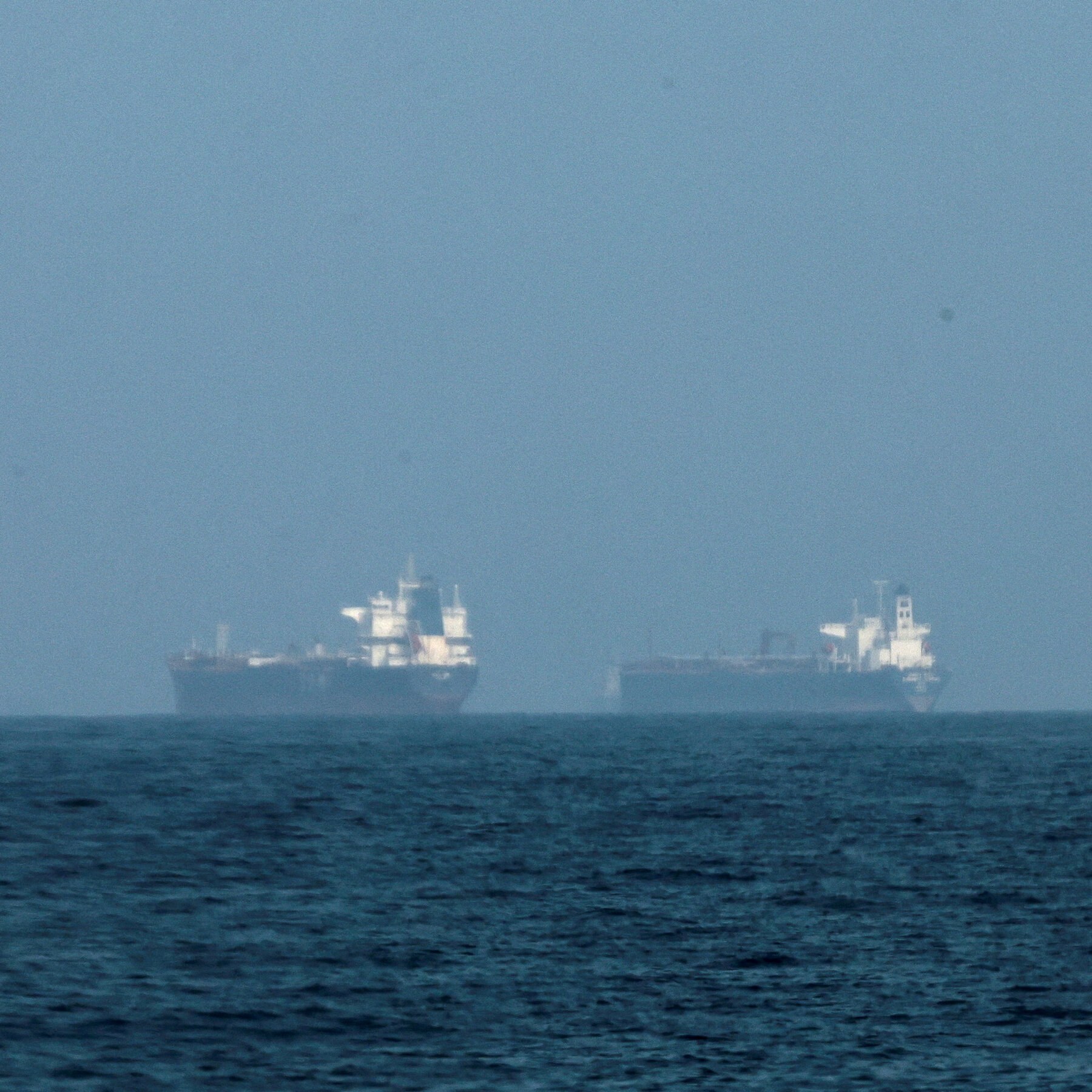
Five tankers have been struck, according to a New York Times analysis, and dozens more sit anchored on either side of the waterway. The immediate effect is a contraction in supply that has nudged Brent crude up by $6 per barrel in just three days, a movement that translates into higher gasoline prices for consumers worldwide.
“The reduction in tanker traffic through the strait has reduced the supply of energy products and helped push up oil prices,” noted Sternoff. “Iran’s central strategy is to use leverage over global energy flows and prices to force the United States into a cease‑fire.”
Shipping executives echo the sentiment. Stamatis Tsantanis, CEO of Seanergy Maritime Holdings, warned that crews are demanding to avoid the area entirely, and his company has halted any plans to enter the strait for the foreseeable future.
These dynamics underscore a broader geopolitical gamble: Iran can amplify its regional influence without a formal blockade, simply by making the cost of passage prohibitive. The next chapter explores how that cost is manifesting in the insurance market.
What Does the Insurance Crisis Reveal About the Economics of the Strait of Hormuz?
Premiums Soar to Unprecedented Levels
Insurance premiums for vessels that attempt the Strait of Hormuz have surged to a point that most operators deem them “prohibitively expensive.” Karen Young, senior fellow at the Middle East Institute, warned that the U.S. International Development Finance Corporation’s pledge to provide affordable coverage may fall short of the $300 billion needed to fully underwrite the risk.
Young’s analysis shows that political‑risk insurance for a single 300,000‑deadweight‑tonne tanker could cost upwards of $5 million per voyage, a figure that dwarfs standard hull‑and‑machinery policies. The aggregate exposure, if all 1,000‑plus daily transits were insured, would exceed $300 billion, a sum beyond the limited capital of any single agency.
“It’s not clear whether the federal agency could provide enough coverage,” Young said. “Other organizations could contribute, but there is little reason to bolster insurance if attacks continue for months.”
The insurance crunch is feeding back into market behavior. Maersk’s decision to suspend certain Middle‑East services reflects a calculation that the cost of insuring a container vessel outweighs the revenue from a single voyage through the strait.
As the insurance gap widens, the pressure on oil exporters to find alternative routes—such as the longer, more costly journey around the Cape of Good Hope—intensifies, setting the stage for a potential reshaping of global shipping lanes. The following chapter looks at the U.S. military’s response.
Will U.S. Naval Escorts Revive Tanker Traffic?
Historical Precedent and Modern Challenges
President Donald Trump announced on social media that the U.S. Navy would begin escorting tankers through the Strait of Hormuz “as soon as possible” if the situation deteriorates further. The promise echoes a similar U.S. escort operation in the 1980s, when American warships protected merchant vessels from Iranian attacks during the Iran‑Iraq War.
Retired Vice Admiral Kevin Donegan explained that recent U.S. strikes on Iran’s navy aim to degrade the country’s capability to target shipping. “When you heard that the navy’s being destroyed, it’s not just their ships, it’s their capability to do these things,” he said, highlighting the strategic intent behind the strikes.
However, the modern context adds complexity. Iran now fields more sophisticated anti‑ship weapons, including drones capable of striking a vessel’s bridge. This technological shift raises questions about whether a naval escort can provide sufficient protection without escalating the conflict into a full‑scale war.
Moreover, insurers are wary of covering ships under a U.S. escort because the presence of combat forces could be interpreted as an act of war, potentially voiding existing policies. This risk calculus may blunt the intended effect of the escort on insurance premiums.
Despite these hurdles, a successful escort could restore confidence among shippers, reduce insurance costs, and reopen the strait for commercial traffic. The next chapter examines the human dimension: crew safety and morale.
Can Shipping Companies Keep Their Crews Safe Amid Drone Threats?
Human Lives on the Line
Even with insurance and naval protection on the table, the foremost concern for ship owners remains crew safety. Stamatis Tsantanis, chief executive of Seanergy Maritime Holdings, emphasized that “the safety of the ships and the safety of the people” is the top priority. Half of the crew on a Seanergy vessel bound for Oman’s port of Sohar requested to disembark rather than risk a passage through the contested waters.
Iran’s arsenal now includes loitering munitions and armed drones capable of homing in on a ship’s bridge, engine room, or cargo tanks. These weapons can be launched from shore or from small vessels, making detection and interception more difficult than traditional missile threats.
Experts point to the war in Ukraine as a proving ground for counter‑drone technologies. Eugene Gholz, associate professor at the University of Notre Dame, noted that “the war in Ukraine showed there are ways to defend against drone attacks,” suggesting that commercial fleets could adopt similar electronic warfare suites.
Nevertheless, the cost of retrofitting a tanker with advanced counter‑drone systems runs into tens of millions of dollars, a burden many operators are unwilling to bear amid already inflated insurance premiums.
As the industry weighs the trade‑offs between crew safety, financial exposure, and operational continuity, the next chapter looks ahead to the broader economic fallout if the strait remains closed.
What’s Next for Global Energy Prices if the Strait Stays Closed?
Price Trajectories and Market Sentiment
With the Strait of Hormuz effectively throttled, analysts project that Brent crude could sustain a $5‑$7 per barrel premium over the next two weeks, translating into a 10‑15 % increase in gasoline prices across Europe and North America. The International Energy Agency warned that a prolonged shutdown could shave up to 2 million barrels per day from global supply, a shock that would reverberate through futures markets.
“We’re five days into it, and that’s approaching the longest pauses that happened,” said Eugene Gholz, noting that historical shutdowns rarely exceed a week. If the strait remains closed for longer than ten days, the market could see a “price spiral” as speculative buying intensifies.
Oil‑producing nations outside the Gulf, such as Saudi Arabia and Russia, have already hinted at boosting output to offset the shortfall, but logistical constraints and existing OPEC‑plus agreements limit the speed at which additional barrels can be delivered.
Meanwhile, the insurance and naval escort debates continue to shape market expectations. A successful U.S. escort could lower risk premiums, encouraging a gradual return of tankers and stabilizing prices. Conversely, a failure to secure the waterway would cement higher price expectations for months.
In sum, the fate of the Strait of Hormuz is now a linchpin for global energy stability, with each policy decision echoing through oil markets, shipping corridors, and ultimately, consumers’ wallets. The next phase will likely hinge on diplomatic negotiations and the ability of the United States and Iran to manage escalation without triggering a broader conflict.
Frequently Asked Questions
Q: Why has Iran’s chokehold on the Strait of Hormuz affected global oil prices?
Iran’s chokehold on the Strait of Hormuz has forced tankers to idle, cutting roughly one‑fifth of the world’s oil flow and tightening supply, which pushes Brent crude and gasoline prices higher.
Q: What insurance challenges are shipping firms facing because of the Strait of Hormuz crisis?
Insurers are demanding premiums that would total over $300 billion for political‑risk coverage in the Strait of Hormuz, making it prohibitively expensive for most carriers to sail through the waterway.
Q: Could a U.S. naval escort restore tanker traffic through the Strait of Hormuz?
A U.S. naval escort could lower security fears and insurance costs, but historical precedent shows escorts are limited by war‑risk rules and may not fully revive traffic if Iran’s drone weapons persist.
