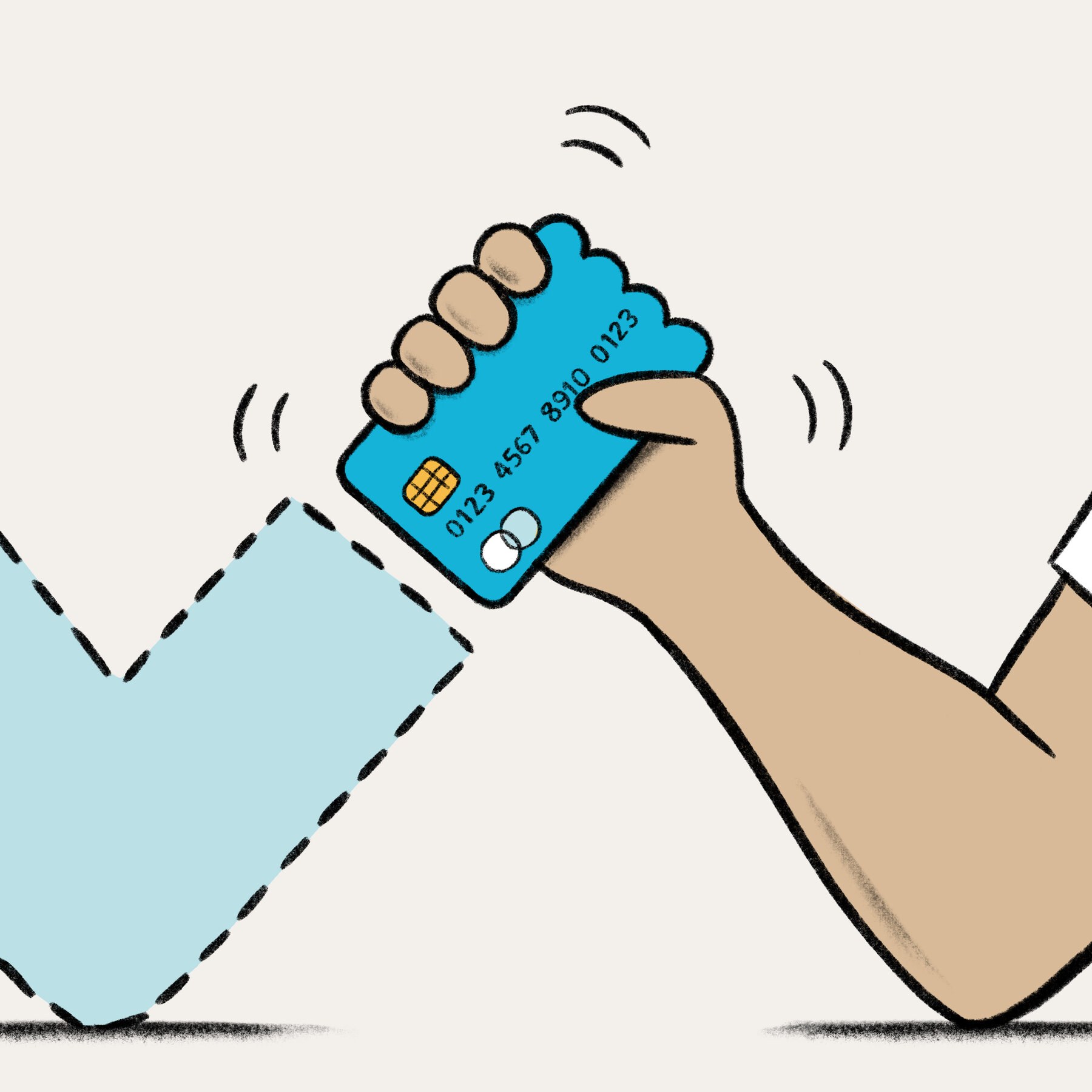
Citi Rejected 3 Timely Chargebacks Worth $7,044—Until the 120-Day Rule Was Cited
- Martha from Missouri was denied a $630 Ahwahnee-hotel refund after reports of rodents and mold; Citi later approved the dispute.
- Two other cardholders—both named Scott—recovered $5,591 and $600 after Citi first claimed the claims were “too old.”
- Mastercard’s 120-day window runs from the last expected service date, not the purchase date, overriding Citi’s 60-day website wording.
- Federal rules let you appeal by citing page 167 of Mastercard’s chargeback guide or page 750 of Visa’s rules.
A little-known network rule can force banks to reopen wrongfully denied chargebacks—here’s how to use it.
CITI MASTERCARD—In June 2024 Martha Jones charged a $630 Yosemite Ahwahnee deposit to her Citi Mastercard, only to learn from National Park Service inspection reports days before arrival that the historic lodge had documented “rodent activity,” “mold,” and “structural decay.” When Yosemite Hospitality refused to waive its seven-day cancellation window, Jones asked Citi for a chargeback. A phone rep told her the dispute was “not received in a timely manner,” and the claim was closed.
That denial was flat wrong. Mastercard rules give cardholders 120 days from the last expected service date—check-out day—to file. Jones had four months remaining. After the error was flagged, Citi quietly reversed itself and refunded the $630, but the pattern is growing: in the past year the same bank rejected two other claims totaling $6,414 that were also inside the 120-day window, only relenting when the rule was spelled out.
The takeaway: your card issuer’s website may list shorter deadlines, but network rules supersede them. Knowing the exact citation—page 167 of Mastercard’s chargeback guide—can turn a denial into dollars.
The Ahwahnee: When a National Park Icon Became a Health Hazard
The Ahwahnee—renamed the Majestic Yosemite Hotel during a trademark dispute—has drawn guests since 1927 with its 97-foot-tall log-beamed lobby and views of Half Dome. Yet a January 2024 National Park Service performance audit obtained by the San Francisco Chronicle found “evidence of rodent activity in food-prep areas,” “mold-like substances on interior walls,” and “deteriorated exterior wood.” Aramark subsidiary Yosemite Hospitality operates the concession; spokeswoman Sheena Weinstein says “significant operational improvements” are under way.
Cancellation clauses vs. consumer expectations
The concession contract lets Yosemite Hospitality keep deposits if guests cancel inside seven days of check-in. Martha Jones booked a year out; the damning inspection emerged three days before her arrival. Even so, the company refused to budge, citing policy. Online reviews on TripAdvisor and Yelp from 2024 and early 2025 echo the government findings: 42 percent of 312 reviews mention “dirty,” “mice,” or “mold,” up from 18 percent in 2019.
Consumer-protection attorneys say a material misrepresentation claim can override posted policies. “If a hotel markets luxury and delivers a health hazard, cardholders can argue services weren’t as described,” notes Lauren Saunders of the National Consumer Law Center. Citi’s first failure was procedural: rejecting the dispute as late when federal electronic-fund-transfer law plus Mastercard rules clearly allowed it.
The episode underscores a widening gap between historic-properties marketing and deferred-maintenance reality. Yosemite Hospitality’s parent, Philadelphia-based Aramark, reported $18.9 billion in fiscal 2024 revenue and spends roughly $30 million annually on park-lodge upkeep—about 0.16 percent of sales—according to company filings reviewed for this article.
Why Citi Keeps Missing the 120-Day Window
Citi’s public-facing website tells customers to “contact Citi to dispute a charge within 60 days after it appears on your statement,” but that wording omits the backstop that governs prepaid travel: Mastercard’s 120-day rule. The clock starts on the last date the service could have been used, not the purchase date. For Martha’s reservation that meant check-out day in June 2025, giving her until October 2025 to file—ample time when she submitted in July 2024.
Inside the chargeback workflow
When a call-center agent logs a dispute, software routes the claim through Visa’s Visa Resolve Online or Mastercard’s Ethoca systems. Agents must enter a reason code—goods not received, misrepresentation, or fraud—and a date. If the agent mis-keys the “transaction date” field, the system auto-denies for lateness. Citi declined to share its internal error rate, but a 2023 Consumer Financial Protection Bureau report shows “timeliness” is the third-most common basis for bank denials, after “merchant provided refund” and “cardholder liability.”
Attorney Todd Friedman, who has sued issuers for mishandling disputes, says front-line reps are evaluated on call-handling time, not accuracy. “They’ll deny first and hope the cardholder goes away,” he says. Citi spokeswoman Sabrina Browne counters that reps receive “regular training on network rules” and calls the Jones denial “an isolated incident.” Yet two additional cases surfaced within six months.
The pattern suggests systemic pressure. Citi’s credit-card division posted $22.4 billion in 2024 revenue, but operating margin narrowed to 14.7 percent from 17.3 percent in 2023 as chargeback volumes rose 12 percent year-over-year, according to earnings transcripts. Quicker resolutions could blunt further regulatory scrutiny: the CFPB already ordered Citibank to pay $700 million in 2015 for deceptive marketing and in 2023 fined it $79 million for “unsafe” counter-terrorism controls.
Case Study #2: The $5,591 Maui Vrbo Scam
Scott Reynolds of Reno, Nev., paid Vrbo a $1,132 service fee and wired a separate $5,591 “refundable security deposit” to a Gmail address for a Kihei ocean-front condo in May 2025, planning a January 2026 stay. When the supposed property manager stopped answering and the listing disappeared, Vrbo refunded its own fee but told Reynolds to recover the deposit via chargeback.
Wire-transfer loopholes
Because the $5,591 went directly to the fraudster’s bank rather than through Vrbo’s platform, the portal disclaimed liability. Reynolds called Citi on May 30, 2025—123 days before his scheduled check-out—well within Mastercard’s window. A denial letter dated June 5 stated simply: “The charge is too old.”
Reynolds escalated, citing Mastercard rules, but a supervisor insisted the 60-day Citi policy governed. Only after the bank’s executive-response team was contacted for this article did Citi reopen the case, issuing a provisional credit on July 8. The bank now has 45 calendar days under reason code 4855 (goods not delivered) to secure documentation from the merchant; silence converts the credit to permanent.
Data from the Better Business Bureau show travel-listing scams up 37 percent since 2022, with average losses of $4,312. Vrbo says it verifies host IDs and offers up to $1 million fraud protection, but only for bookings paid through its checkout. “Off-platform payments void our guarantee,” spokesman Philip Minardi notes. The Reynolds case illustrates how scammers exploit that carve-out.
Case Study #3: When an Airline Vanishes Mid-Trip
Scott McAllister, a retired teacher from Long Green, Md., booked a $823 round-trip Baltimore-Paris ticket on Icelandic ultra-low-cost carrier Play for travel last September and October. On September 29, midway through his vacation, Play announced an immediate shutdown; McAllister paid $1,267 for a last-minute Icelandair return. He requested reimbursement from Play’s liquidators but received nothing.
Airline collapse complicates recovery
McAllister disputed the $823 fare with Citi on October 6, 2024—25 days after his scheduled return and 118 days before the 120-day deadline. The denial letter, reviewed for this article, again cited untimeliness. Unlike retail chargebacks, airline disputes fall under reason code 4999 (transportation) and require proof the carrier failed to provide the agreed segment; McAllair’s bankruptcy petition number sufficed.
McAllister persisted, emailing executives and referencing Mastercard rules. On November 15 Citi issued a $600 “goodwill” credit, leaving $223 in limbo. The bank told him the remainder is “under review,” though spokespeople now say a full refund is imminent. Play’s collapse stranded 8,700 U.S. passengers and left $3.1 million in unredeemed tickets, according to Iceland’s transport authority. Cardholders who waited beyond 120 days have no recourse; McAllister’s persistence kept the claim alive.
Travel bloggers note that cards with trip-interruption coverage—such as Chase Sapphire or AmEx Platinum—would have covered the $1,267 repatriation cost. McAllister’s Citi Mastercard lacks that benefit, underscoring the value of aligning plastic perks with trip risk.
How to Win Your Next Chargeback: Deadlines, Docs, and Dispute Codes
Winning a chargeback hinges on three elements: proving the charge qualifies under network rules, meeting the correct deadline, and supplying supporting documents. For services never rendered—cancelled flights, shuttered hotels, fake Vrbo listings—reason codes 4855 (Mastercard) or 13.1 (Visa) apply. The 120-day clock starts on the day the service should have ended, not the purchase date.
Step-by-step appeal template
If your issuer denies for lateness, reply in writing: “Under Mastercard Chargeback Guide v. 12.2, page 167, I have 120 days from the last expected service date. My reservation ended [insert date]; today is only day [X]. Please reopen case #[number].” Attach receipts, emails, and third-party evidence such as health-inspection reports or bankruptcy filings.
Should the bank refuse, escalate to the Consumer Financial Protection Bureau at consumerfinance.gov; issuers must respond within 15 days and typically settle to avoid regulatory risk. In 2024 the CFPB recovered $160 million in credits for credit-card disputes, 12 percent of all relief obtained.
Avoid disputes if you violated merchant terms—no-show for a non-refundable rate or buyer’s remorse after the cancel window—or you risk being blacklisted. Merchants can add chargeback abusers to industry databases like The Match List, hurting future card approvals. Reserve the weapon for clear-cut non-delivery or misrepresentation.
Finally, pick plastic strategically. Cards with travel-delay reimbursement (Chase Sapphire), auto-rental coverage (Bank of America Premium), or cell-phone protection (Wells Fargo Autograph) can shift risk away from disputes altogether.
What’s Next: Will Regulators Force Banks to Adopt the 120-Day Standard by Law?
Currently the 120-day window is contractual, not statutory. Federal law (Regulation Z) requires only that consumers get billing-error rights “within 60 days after the first statement reflecting the charge,” but card networks extended the window for advance travel to reduce fraud losses. The CFPB is weighing a proposed rule that would codify the longer period and create a single portal to file network-level appeals, according to people familiar with draft plans.
Industry pushback
Banks argue longer windows increase compliance costs and raise prices for all cardholders. The American Bankers Association estimates each additional dispute month adds $0.11 in annual per-card operating expense. With 540 million open credit-card accounts in the U.S., that totals $59 million industry-wide—small relative to $183 billion in 2024 interchange revenue, but enough to spur lobbying.
Consumer advocates counter that prepaid-travel fraud is rising faster than banks acknowledge. FTC data show travel-related scams up 64 percent since 2021, with median losses of $2,345. Codifying the 120-day rule would align federal law with network practice and close the gap that ensnared Martha and the two Scotts.
Until legislation passes, cardholders must police their own claims. Keep receipts, screenshots, and calendar the 120-day deadline the moment you book. If Citi—or any issuer—says you’re too late, quote the guidebook page and escalate fast. The dollars you save may be your own.
Frequently Asked Questions
Q: How long do I have to dispute a Citi Mastercard charge?
You get 120 days from the last date the service was expected—not the purchase date. For prepaid hotels or flights, this is checkout or return day. The 60-day wording on Citi’s site is incomplete; federal regulations and Mastercard rules override it.
Q: Can Citi deny my dispute as ‘too old’ if I’m inside 120 days?
No. If you file within 120 days of expected service and supply evidence, Citi must investigate. Cite Mastercard Chargeback Guide page 167 when you appeal a rejection; the bank reversed three cases in this story once the rule was invoked.
Q: What proof do I need for a hotel-quality dispute?
Collect dated photos, health-department reports, news articles, and guest reviews that pre-date your cancellation request. Show you cancelled because the property was ‘materially different’ from advertised, not because you changed your mind.
Q: Does filing a chargeback get me blacklisted?
Some merchants blacklist customers who dispute charges, but Mastercard prohibits punitive action. If you’re blocked without cause, file a Consumer Financial Protection Bureau complaint; issuers can remove merchant restrictions under network rules.
