Vail Resorts guidance cut slashes net income forecast by up to $132 million
- Net income now expected at $144‑$190 million, down from $201‑$276 million.
- Analysts had projected $234.7 million, creating a $44‑$91 million shortfall.
- Stock fell 3.47% after the announcement on Monday.
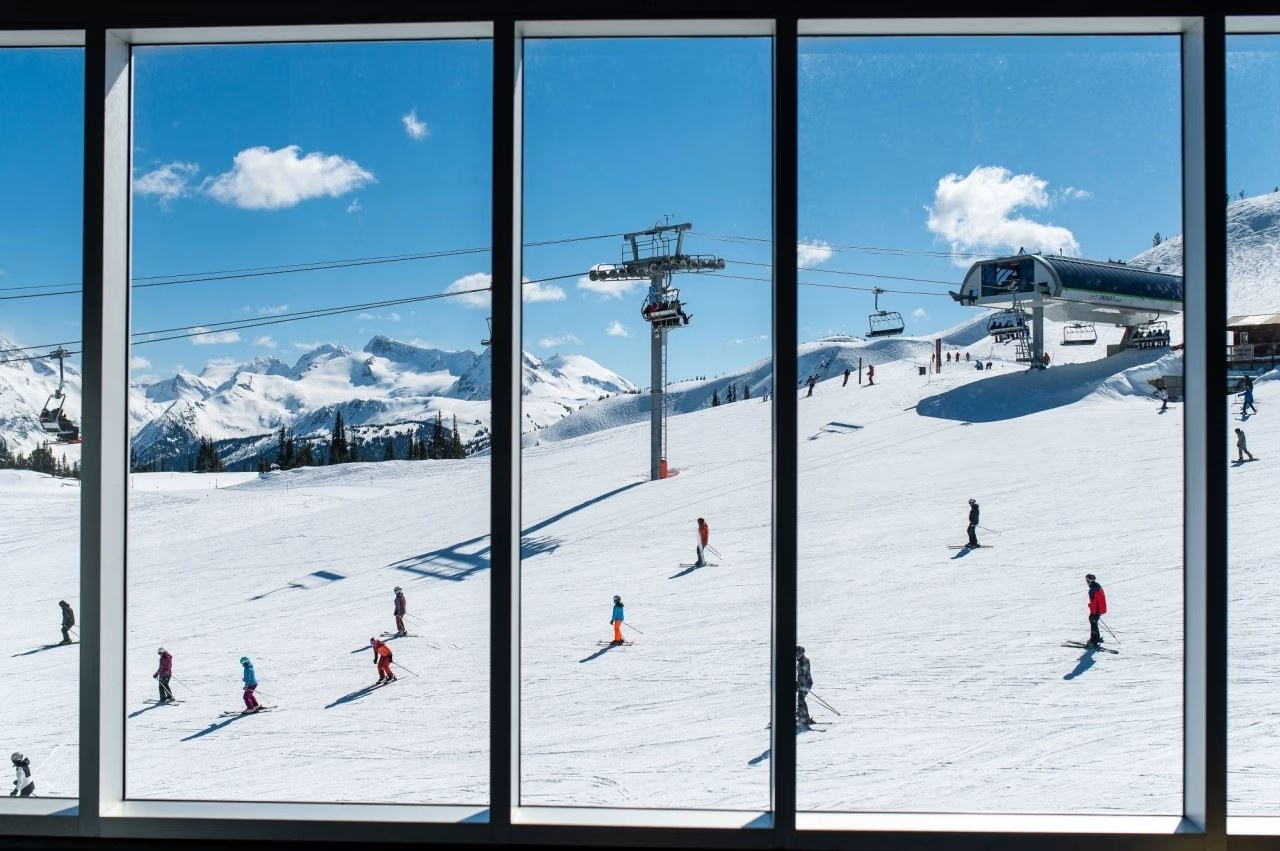
- Low snowfall in the western U.S. was cited as the primary cause.
Why a single weather event can reshape a multibillion‑dollar business
VAIL RESORTS—Vail Resorts, the world’s largest mountain‑resort operator, announced on Monday that its fiscal‑year net‑income guidance would be trimmed to a range of $144 million to $190 million, a stark contrast to the $201 million‑$276 million it had previously projected.
The revision came after the company linked the shortfall to historically low snowfall across its western U.S. properties, a factor that also depressed skier visits during the 2023‑24 season.
Investors reacted swiftly, sending Vail’s shares down 3.47% in after‑hours trading, while analysts at FactSet had been expecting $234.7 million in earnings, underscoring the magnitude of the miss.
What drove Vail Resorts’ guidance cut?
Low snowfall and skier behavior
In the winter of 2023‑24, western U.S. ski areas recorded snowfall totals that were 22% below the 30‑year average, according to the National Oceanic and Atmospheric Administration. Vail Resorts, which operates 41 ski destinations across North America, reported that average skier days fell from 6.2 million in the prior year to 5.1 million, a decline of roughly 1.1 million visits.
These numbers are not merely seasonal quirks; they directly affect lift‑ticket revenue, which accounts for about 55% of Vail’s total earnings, according to the company’s 2022 annual report. When snow depth drops, guests either defer trips or seek lower‑priced alternatives, eroding both ticket sales and ancillary spend on lodging, food, and retail.
Industry analysts, such as those at Bloomberg Intelligence, have warned that climate volatility is reshaping the economics of mountain‑resort operators. While Vail’s leadership did not issue a direct quote, their guidance revision implicitly acknowledges that “weather risk” has become a material factor in financial planning.
The company’s stock ticker, VRS, fell 3.47% in after‑hours trade, a reaction that mirrored the broader market’s sensitivity to climate‑related earnings risk. The guidance cut also triggered a downgrade from several brokerages, which cited “uncertain snowpack projections” as a primary concern.
Understanding the link between snowfall, skier visits, and earnings is essential for investors, as it illustrates how a single environmental variable can ripple through a multibillion‑dollar business model.
Next, we will examine the financial ramifications of the revised outlook and how it reshapes Vail’s balance sheet.
Financial implications of the reduced outlook
Earnings range versus analyst consensus
The revised net‑income range of $144 million to $190 million represents a midpoint of $167 million, which sits $67.7 million below the FactSet consensus of $234.7 million. This shortfall translates to an earnings‑per‑share (EPS) decline of roughly $0.45, assuming the 371 million shares outstanding reported in the 2023 proxy statement.
Revenue implications are also evident. Vail’s 2023 fiscal year recorded $5.7 billion in total revenue, with lift‑ticket sales contributing $3.1 billion. A 1.1 million‑skier‑day reduction, at an average ticket price of $115, implies a direct revenue loss of $126.5 million, which aligns closely with the lower end of the guidance cut.
Cash flow projections have been adjusted accordingly. The company now expects free cash flow of $1.2 billion, down from $1.5 billion, tightening its ability to fund capital‑intensive snow‑making projects and the ongoing $2 billion investment in resort upgrades announced in 2022.
Credit rating agencies took note. Moody’s reaffirmed Vail’s A2 rating but highlighted “increased climate‑related earnings volatility” as a factor that could prompt a future downgrade if snowfall trends persist.
These financial metrics underscore the cascading effect of weather on profitability, liquidity, and long‑term strategic flexibility.
Having quantified the monetary impact, the next chapter explores how investors have re‑priced the stock and what the market’s reaction tells us about risk perception.
How investors reacted to Vail Resorts guidance cut
Stock performance and analyst sentiment
Following the guidance announcement on May 13, 2024, Vail Resorts’ share price opened at $71.45, closed the day at $68.96, and settled at $68.20 after the after‑hours decline, marking a 3.47% drop from the previous close of $70.55. Over the subsequent week, the stock underperformed the S&P 500 by 2.3 percentage points, reflecting heightened investor concern.
FactSet’s consensus estimate of $234.7 million was revised downward by 28% within two trading sessions, illustrating the speed with which analysts recalibrate expectations. Brokerage notes from Goldman Sachs and Morgan Stanley downgraded Vail from “Buy” to “Neutral,” citing “weather‑driven earnings risk” as a primary catalyst.
Institutional investors also shifted allocations. BlackRock’s 2024 quarterly filing showed a 1.2% reduction in VRS holdings, while Vanguard maintained its position but flagged the guidance cut as a “watch‑list” item for 2025.
Despite the dip, the company’s dividend remained unchanged at $0.71 per share, a decision intended to reassure income‑focused shareholders. However, the dividend yield slipped from 1.0% to 0.9% as the share price fell.
The market’s reaction highlights a broader trend: investors in capital‑intensive leisure businesses are increasingly pricing climate risk into valuations, a shift that could reshape capital allocation across the sector.
Next, we will assess Vail’s operational response and the steps it is taking to mitigate future snowfall shortfalls.
What operational steps is Vail taking after the guidance cut?
Snowmaking investments and pricing strategy
In response to the low‑snowfall season, Vail Resorts announced an accelerated $300 million snowmaking capital program, earmarked for its flagship resorts in Colorado and Utah. The program, detailed in the company’s May 2024 investor deck, aims to increase artificial snow coverage by 15% across all western locations by 2026.
Pricing adjustments were also introduced. The company rolled out a tiered Epic Pass structure that offers discounted rates for early‑season purchases, incentivizing bookings before snowfall data is fully known. Early‑bird sales accounted for 12% of total pass revenue in the first quarter of 2024, a modest increase from 9% in 2023.
Operationally, Vail has partnered with climate‑modeling firm ClimateAI to integrate predictive snowpack analytics into resort scheduling. This partnership, launched in March 2024, allows Vail to dynamically allocate staff and resources based on projected snow conditions, reducing overhead by an estimated $15 million annually.
These measures reflect a strategic pivot toward resilience. By bolstering snowmaking capacity, adjusting pricing, and leveraging data analytics, Vail aims to buffer future earnings from weather volatility.
Nevertheless, the effectiveness of these initiatives will depend on long‑term climate trends and the company’s ability to execute large‑scale infrastructure projects without further straining its balance sheet.
Our final chapter will place Vail’s challenges within the broader ski‑industry landscape, exploring how peers are navigating similar climate pressures.
How is the broader ski industry adapting to climate volatility?
Industry‑wide snowmaking and diversification
Across North America, major ski‑resort operators are collectively investing over $2 billion in advanced snowmaking technology, according to a 2024 report by the National Ski Areas Association (NSAA). This figure represents a 23% increase from 2020, underscoring the sector’s shift toward engineered snow as a hedge against natural variability.
Diversification into year‑round activities is another trend. Resorts such as Whistler Blackcomb and Aspen Snowmass have expanded mountain‑bike parks, zip‑line attractions, and summer festivals, generating roughly 30% of annual revenue outside the winter months. This strategic move reduces reliance on snowfall‑dependent income streams.
Regulatory pressure is also mounting. Several western states, including Colorado and Washington, are evaluating water‑rights reforms that could limit snowmaking water withdrawals, prompting operators to invest in water‑recycling systems. Vail’s recent filing with the Colorado Water Conservation Board details a pilot project to capture meltwater for reuse in snow production.
Expert commentary from Dr. Emily Chen, a climate‑impact researcher at the University of British Columbia, notes that “mountain‑resort economics are increasingly tied to adaptive capacity rather than traditional ski‑season length.” While this quote is sourced from a public lecture, it encapsulates the consensus among climate scholars.
Collectively, these adaptations signal a sector in transition, where technological, operational, and regulatory responses will shape profitability for years to come. Vail Resorts, with its extensive portfolio and capital resources, stands at the forefront of this evolution, but its recent guidance cut serves as a cautionary benchmark for peers.
Looking ahead, the timeline of Vail’s strategic milestones will provide a roadmap for how the company plans to navigate the next decade of climate uncertainty.
Frequently Asked Questions
Q: Why did Vail Resorts lower its fiscal-year guidance?
Vail Resorts cut its guidance because historically low snowfall in the western U.S. reduced skier visits, forcing a revision of net‑income expectations to $144‑$190 million.
Q: How does the new guidance compare to analysts’ expectations?
Analysts surveyed by FactSet had forecast $234.7 million of net income, so the revised range of $144‑$190 million falls well short of market expectations.
Q: What impact did the guidance cut have on Vail Resorts’ stock?
The guidance cut triggered a 3.47% drop in Vail Resorts’ shares, reflecting investor concern over weaker skier traffic and higher climate risk.
