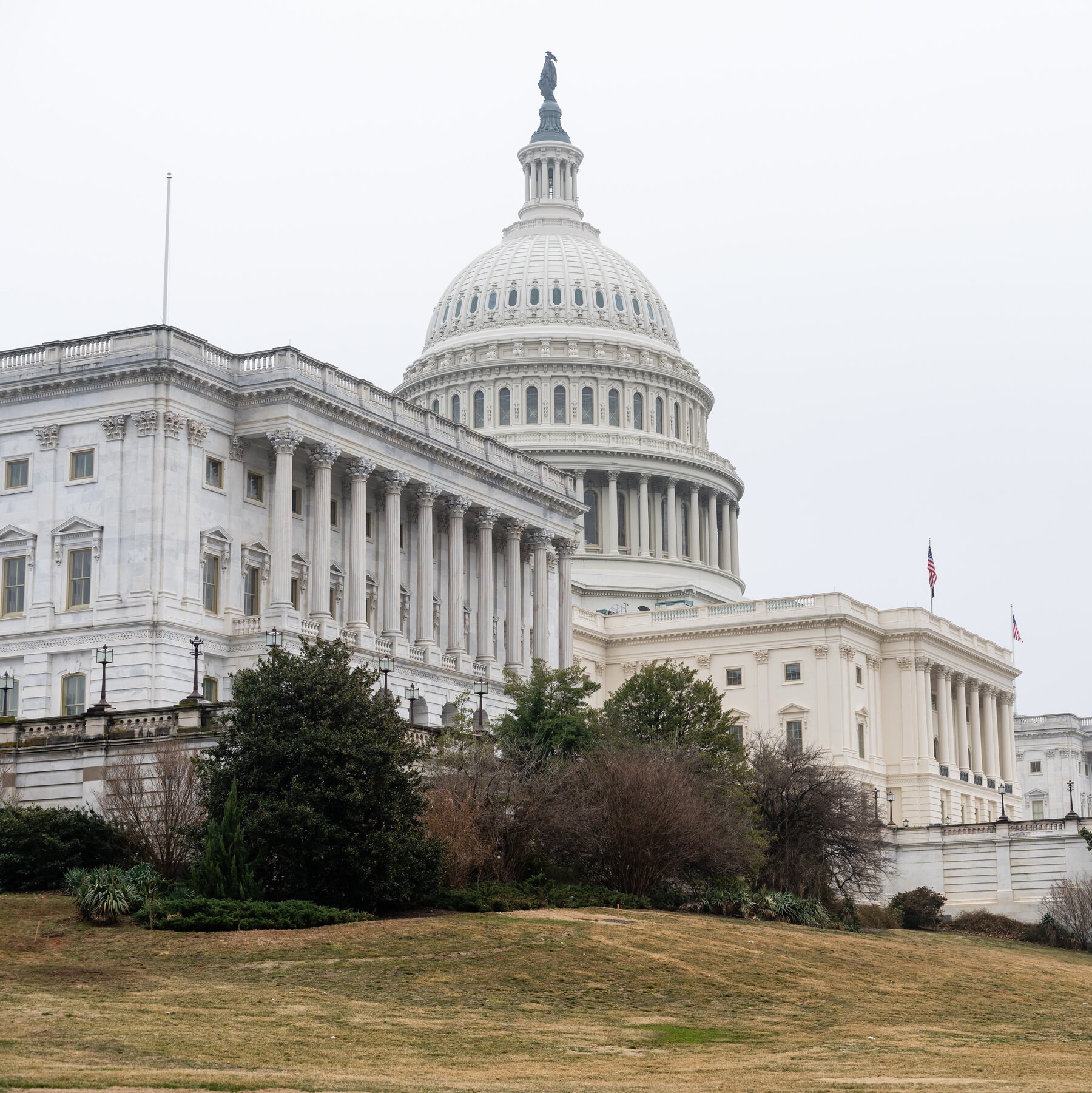
Trump Declares Voting Restrictions as ‘No. 1 Priority,’ Threatening GOP Agenda
President Trump’s demands overshadow House Republicans’ midterm strategy.
DONALD TRUMP—House Republicans convened their annual policy retreat at President Trump’s golf club near Miami on Monday, intending to craft a legislative agenda that could counter significant headwinds in the upcoming midterm elections. However, their efforts were immediately overshadowed by an unexpected challenge: Mr. Trump himself, who renewed his threat to halt legislative progress by refusing to sign any bills until strict voting restrictions are passed.
- President Trump renewed his threat to withhold signing any legislation until Congress passes strict voting restrictions President Trump.
- This ultimatum undercuts House Republicans’ plans to focus on economic issues like health care, prescription drugs, and housing affordability economic stress.
- The demanded voter identification and mail-in ballot restrictions face long odds in the Senate long odds in the Senate.
- Republicans are already facing slimming chances of keeping control of the House and a razor-thin majority razor-thin majority.
Lawmakers attending the retreat were eager to pivot the public discourse towards their proposals for addressing Americans’ economic stress, including making health care, prescription drugs, and housing more affordable. Yet, Mr. Trump’s pronouncements effectively muddled this intended message, creating an internal conflict that threatens to define their political positioning.
A Retreat Under Duress and Political Headwinds
Republicans face midterm challenges and internal conflict
House Republicans converged on President Trump’s golf club near Miami on Monday for their highly anticipated annual policy retreat. The primary objective of this gathering was to meticulously carve out a cohesive legislative agenda. This strategy was deemed crucial for the party to blunt the formidable strong headwinds they are currently encountering as the crucial midterm elections draw closer. The context of the retreat highlights the urgency within the Republican ranks to articulate clear policy initiatives that resonate with voters, especially given the challenging political landscape.
Despite the strategic importance of developing a unified legislative platform, the entire effort was unfolding within the daunting shadow of an unusual and significant challenge emanating from within their own party. President Trump, addressing the gathered lawmakers, chose this moment to renew his explicit threat to hold their carefully crafted legislative efforts hostage. This declaration directly contradicted the party’s attempts to present a united front and a clear policy direction to the American public.
Mr. Trump’s stance was unequivocal: he stated he would refuse to sign any legislation whatsoever until Congress successfully passes a set of strict voting restrictions. This ultimatum directly undercutting their political message at a time when Republicans desperately needed to project clarity and competence. The timing and nature of this challenge compounded existing difficulties, as polls are currently suggesting that Republicans’ chances of keeping control of the House are notably slimming. This electoral vulnerability is further exacerbated by the fact that dozens of members are reportedly announcing their exits from Congress, signalling potential internal dissatisfaction or a pessimistic outlook on the party’s prospects. Moreover, the party holds only a razor-thin majority, which inherently makes advancing even must-pass bills a considerable challenge. In this precarious environment, lawmakers are particularly eager and motivated to redirect the public’s attention and shift the focus to their detailed plans for addressing the pervasive Americans’ economic stress, hoping to demonstrate their commitment to everyday concerns rather than internal party disputes.
What Are Trump’s Uncompromising Demands for Congress?
President Trump’s ultimatum takes center stage and muddled the agenda
During his extensive winding speech on Monday afternoon, President Trump initially presented a call for House Republicans to act with urgency on several key cost-of-living issues. He specifically highlighted the critical need to make health care more accessible and affordable, to reduce the financial burden of prescription drugs, and to address the pressing issue of housing affordability for American citizens. These were issues that House Republicans themselves were eager to prioritize and campaign on, aligning with their goal to address Americans’ economic stress and provide tangible solutions to everyday financial burdens facing families across the nation.
However, almost immediately following these appeals for action on economic matters, Mr. Trump delivered a statement that effectively neutered those pleas and dramatically shifted the focus of the entire retreat. He unequivocally stated that he would not sign any legislation into law until Congress had successfully passed a specific set of strict voting restrictions. This declaration immediately created a new, non-negotiable prerequisite for any future legislative progress, directly impacting the legislative agenda House Republicans sought to advance.
The specific demands articulated by President Trump included a comprehensive voter identification measure, which he insisted must be enacted. Furthermore, he demanded that the proposed bill include provisions designed to significantly curtail the use of mail-in ballots. These measures aim to reshape the electoral process in ways that have historically been contentious and politically divisive. Beyond these core voting-related stipulations, Mr. Trump also incorporated additional, seemingly unrelated provisions into his demands, specifically targeting transgender athletes and children, further broadening the scope of his legislative ultimatum.
Addressing the Republican leaders directly, Mr. Trump made his priorities abundantly clear. He stated, “This is the No. 1 priority and should be for the House.” He left no room for ambiguity regarding his commitment to these conditions, reinforcing his stance moments later with another definitive statement: “I’m not going to sign anything until this is approved.” This strong declaration effectively created a singular, overriding legislative focus, potentially at the expense of other Republican initiatives aimed at alleviating cost-of-living issues. His pronouncements underscored the significant influence he continues to wield over the party’s legislative direction, even as they attempt to define their own independent agenda for the upcoming midterms.
President Trump’s Stated Priorities for Congress
Pass strict voting restrictions (voter ID, curtail mail-in ballots, transgender athlete provisions)
Address cost-of-living issues (health care, prescription drugs, housing affordability)
Source: nytimes.com
Legislative Gridlock Looms as Senate Prospects Dim
Obstacles for voting measures in the Senate portend legislative impasse
The voting restriction measures that President Trump is demanding, and which he has explicitly stated must be approved before he will consider signing any other legislation, face formidable and significant challenges within the legislative process in Washington. The path to enactment for these proposals, particularly in the upper chamber of Congress, appears increasingly fraught with obstacles. This situation creates a looming threat of legislative gridlock, as the President has tied the approval of these specific measures to the advancement of the entire Republican legislative agenda.
One of the key components of Mr. Trump’s demands, the proposed voter identification measure, is reported to face long odds in the Senate. This assessment suggests that there is a strong likelihood of the measure encountering substantial opposition, making its passage through the Senate highly improbable under current political conditions. Such an outcome would directly contradict President Trump’s stated “No. 1 priority” and create an immediate impasse for any other legislation awaiting his signature. The political reality in the Senate, where bipartisan consensus is often required for significant legislation, stands in stark contrast to the President’s unilateral demands.
Furthermore, the provisions that seek to significantly curtail the use of mail-in ballots, another central element of President Trump’s ultimatum, are also deemed to have little chance of advancing in the Senate. This particular aspect of the proposed voting restrictions is historically contentious and has been a focal point of partisan debate, implying that it is unlikely to garner the necessary support from a diverse range of senators. The lack of a clear path forward for these measures in the Senate directly reinforces the potential for a prolonged legislative standoff, effectively holding numerous other policy initiatives hostage to these specific demands.
The inclusion of unrelated provisions targeting transgender athletes and children within this overarching demand further complicates the legislative landscape. These measures are likely to face strong opposition from various factions and interest groups, adding another layer of difficulty to their passage. The combined effect of these challenges suggests that the legislative approval President Trump is demanding for these voting restrictions is highly unlikely to materialize in the Senate. This impending failure in the upper chamber means that President Trump’s explicit threat – “I’m not going to sign anything until this is approved” – could foreseeably result in a period of significant legislative inactivity and gridlock, fundamentally disrupting the Republican Party’s ability to enact its broader agenda ahead of the midterm elections.
Muddled Messaging Threatens Republican Midterm Hopes
Economic agenda overshadowed by internal party discord
President Trump’s renewed threat, issued during the House Republicans’ annual policy retreat, had an immediate and profound impact on the party’s strategic messaging. By prioritizing contentious voting restrictions and coupling them with a refusal to sign other legislation, Mr. Trump effectively neutered those pleas from House Republicans who were attempting to focus on their legislative agenda. This move created an internal dissonance that significantly complicated their efforts to present a unified and appealing message to the electorate ahead of the crucial midterm elections. The core objective of the retreat—to craft a legislative agenda that could blunt strong headwinds—was thus undermined by internal divisions and conflicting priorities.
The central goal for lawmakers attending the retreat was to actively shift the public’s attention towards their tangible plans for addressing Americans’ economic stress. This included specific proposals aimed at making health care more affordable, reducing the cost of prescription drugs, and addressing the ongoing challenges of housing affordability. These issues represent common concerns for many voters and were intended to serve as the bedrock of the Republican midterm campaign. However, Mr. Trump’s pronouncements directly muddled their message, diverting the narrative away from these economic solutions and towards highly partisan legislative demands that face an uphill battle in Congress.
This internal conflict, characterized by the President’s insistence on controversial voting measures that face long odds in the Senate, creates a significant challenge for the Republican Party’s overall political positioning. With polls already indicating that Republicans’ chances of keeping control of the House are slimming, the inability to present a cohesive and economically focused agenda could further damage their electoral prospects. The presence of a razor-thin majority in the House means that every legislative priority, and every public message, carries significant weight in determining the outcome of the midterms.
The public display of discord, where the President’s personal priorities take precedence over the party’s agreed-upon agenda, risks alienating moderate voters and undermining the credibility of Republican lawmakers who are striving to address kitchen-table issues. By demanding the passage of measures that have little chance of advancing in the Senate, Mr. Trump is effectively setting up a scenario where legislative inaction on key economic concerns becomes inevitable, further complicating the party’s efforts to present itself as capable and effective. This dynamic could intensify the strong headwinds Republicans are already confronting, making the path to retaining control of the House considerably more difficult in the upcoming midterm elections.
Frequently Asked Questions
Q: What is Trump demanding from Congress?
President Trump is demanding Congress pass strict voting restrictions, including a voter identification measure and provisions to significantly curtail the use of mail-in ballots, before he signs any other legislation voter identification measure. He has also included unrelated provisions targeting transgender athletes and children, declaring these the ‘No. 1 priority’ for the House.
Q: Why are Republicans concerned about Trump’s demands?
House Republicans are concerned because Mr. Trump’s focus on contentious voting restrictions is undercutting their political message and diverting attention from their plans to address Americans’ economic stress, such as health care and housing affordability muddled their message. They face strong headwinds in midterm elections, a razor-thin majority, and dozens of members are announcing their exits.
Q: What is the likelihood of Trump’s demanded voting measures passing?
The voting restrictions demanded by President Trump, including a voter identification measure and curtailing mail-in ballots, face long odds in the Senate. Specifically, the provisions to significantly curtail the use of mail-in ballots have little chance of advancing little chance of advancing, suggesting a difficult path for their legislative approval.
Q: When did Trump issue this ultimatum?
President Trump renewed his threat on Monday, March 8, 2026, during a winding speech delivered at the House Republicans’ annual policy retreat held at his golf club near Miami winding speech. He explicitly stated that he would ‘not going to sign anything until this is approved,’ referring to the voting measures.
Sources & References
- Primary SourceTrump Threatens to Crowd Out Republicans’ Midterm MessageMar 09, 2026nytimes.com
