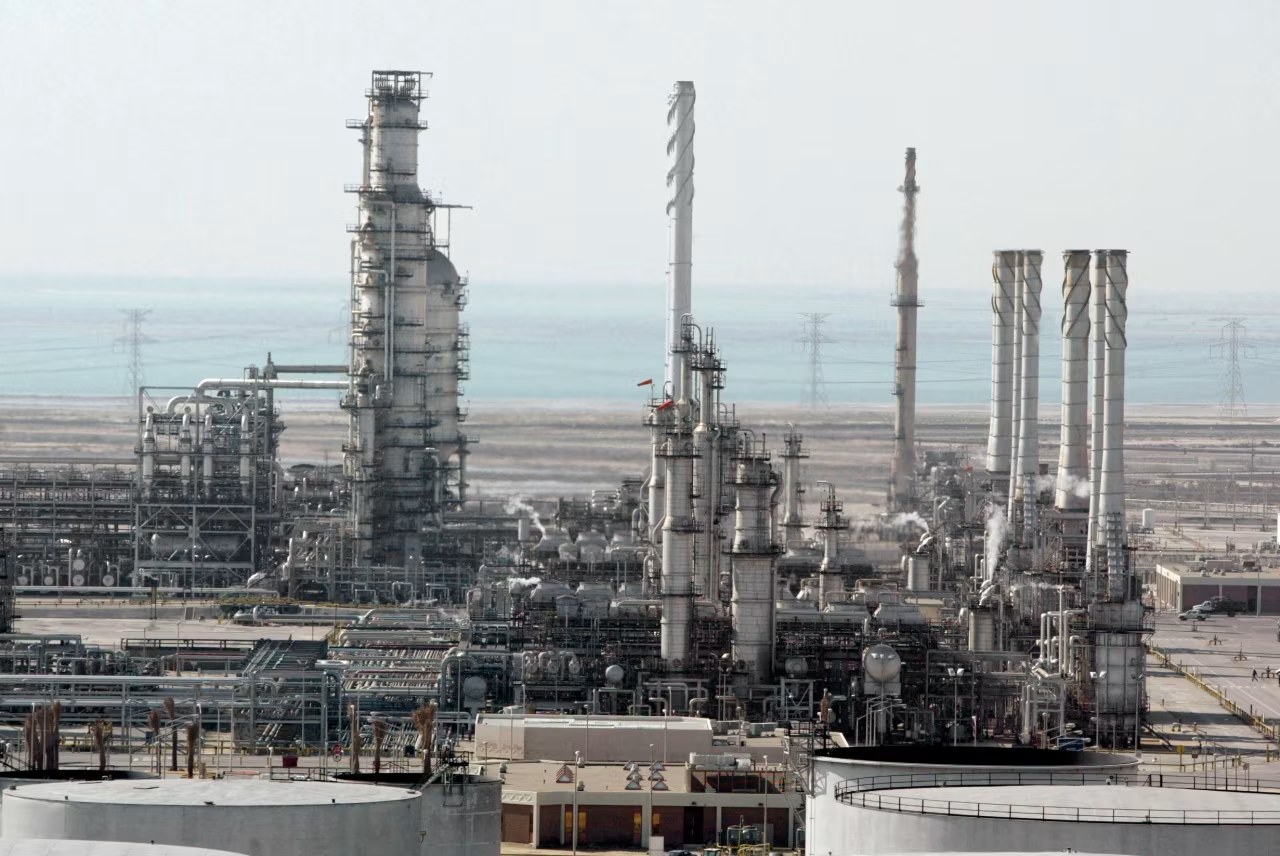
Ras Tanura Refinery Restarting After Attack
- Saudi Aramco is restarting the Ras Tanura refinery
- Reports indicate the refinery suffered an attack
- The facility is a key component of Saudi Arabia’s oil infrastructure
- Aramco has announced a quarterly dividend and a buyback program
Attack threatens key oil hub, prompts restart efforts
SAUDI ARAMCO—Saudi Aramco is in the process of restarting its Ras Tanura refinery following an attack. The facility is a critical piece of Saudi Arabia’s vast oil processing and export capabilities. This incident highlights the ongoing risks to energy infrastructure in the region, even as the company maintains its commitment to shareholder returns.
Impact on Oil Infrastructure
Key export terminal targeted
The Ras Tanura refinery, a major oil processing and export terminal, is reportedly undergoing a restart after an attack. This facility is one of the largest oil-producing plants in the world and plays a significant role in global energy supplies. Its strategic location and massive capacity make it a vital node in the international oil market. The potential for disruption at such a critical site underscores the fragility of global energy security and the constant threat posed by geopolitical instability. The refinery’s restart is crucial for stabilizing any immediate supply concerns that may have arisen due to the incident. The sheer scale of operations at Ras Tanura means that even a temporary shutdown can have ripple effects across the market, influencing prices and availability for consumers and industries worldwide. Saudi Aramco’s swift action to restart operations is a testament to the robust security and operational protocols in place to manage such events, aiming to minimize downtime and maintain the flow of oil.
The potential impact of such attacks extends beyond immediate operational disruptions. They can also affect investor confidence and long-term investment decisions in the energy sector. However, the announcement of financial maneuvers, such as dividend increases and buybacks, by Saudi Aramco alongside the news of the refinery incident, suggests a strategy to project an image of resilience and stability. This dual messaging aims to reassure markets that the company’s core operations and financial health remain strong despite external threats. The ability to quickly resume operations at Ras Tanura is therefore not just an operational success but also a significant signal of the company’s operational prowess and its commitment to maintaining its market position as a reliable energy supplier on a global scale. The ongoing efforts to secure and restart the facility demonstrate the high stakes involved in protecting such vital energy assets from any form of aggression or sabotage that could imperil energy markets.
Crude Oil Production Capacity
12.5million barrels a day
Source: wsj.com
Who is Behind the Attack?
Link to Houthi militants cited
Reports suggest that Houthi militants may be responsible for the attack on the Ras Tanura refinery. This region has seen increased tensions and sporadic attacks targeting energy infrastructure, with Houthi forces often implicated in such actions. The group, which controls significant territory in Yemen, has previously launched drone and missile attacks against Saudi Arabia’s oil facilities and other strategic sites. The targeting of Ras Tanura, a critical export hub, would represent a significant escalation in their campaign to pressure the Saudi-led coalition. Such attacks are often aimed at disrupting oil production and exports, thereby impacting global energy markets and exerting political leverage. The Saudi government has consistently blamed Iran for supporting the Houthis with advanced weaponry, including drones and missiles, which enables them to carry out these sophisticated attacks. While official confirmation from Saudi authorities regarding the perpetrators is often delayed or cautiously worded, the patterns of previous attacks and the geopolitical context strongly point towards Houthi involvement, likely with external backing. The resilience of Saudi Arabia’s energy infrastructure in the face of these persistent threats is a key factor in maintaining global oil stability. The ability to quickly assess and respond to such incidents, including commencing restart procedures at affected facilities like Ras Tanura, is paramount. The ongoing conflict in Yemen and its spillover effects into neighboring countries, particularly concerning vital energy assets, remains a significant concern for international energy security and diplomatic efforts aimed at resolving the regional conflicts.
The broader implications of attributing such attacks to Houthi militants extend to international relations and security alliances. It raises questions about the effectiveness of existing defense mechanisms and the need for enhanced regional security cooperation. The strategic importance of Saudi Arabia’s oil infrastructure means that any successful disruption could have far-reaching economic and political consequences globally. Therefore, intelligence gathering, threat assessment, and rapid response capabilities are crucial for preventing and mitigating the impact of such incidents. The involvement of Houthi forces in attacks on oil infrastructure highlights the complex security landscape in the Middle East and the interconnectedness of regional conflicts with global energy markets. Saudi Aramco, as a state-owned enterprise and a cornerstone of the Saudi economy, is perpetually managing these risks, balancing operational continuity with security imperatives. The consistent pattern of attacks underscores the persistent challenge of safeguarding critical energy assets in a volatile geopolitical environment, necessitating ongoing vigilance and adaptive security strategies.
Aramco’s Financial Performance
Dividend and buyback announced amid operational concerns
Despite the incident at Ras Tanura refinery, Saudi Aramco has announced its intention to raise its quarterly dividend to $15 billion. The company also revealed a share buyback program valued at approximately $3 billion. This financial activity underscores the company’s continued focus on shareholder returns, even as it navigates operational challenges. The decision to increase dividend payouts signals confidence in the company’s underlying financial strength and its ability to generate consistent cash flows. This move is particularly significant given the global economic uncertainties and the specific incident impacting one of its key facilities. Saudi Aramco, being the world’s largest oil producer, plays a pivotal role in global energy markets, and its financial decisions often have broader implications for the industry and the Saudi economy. The buyback program, on the other hand, can be seen as a strategic tool to boost shareholder value by reducing the number of outstanding shares, potentially increasing earnings per share. The juxtaposition of announcing these financial distributions alongside news of an attack on a major refinery highlights a strategic communication effort. It aims to convey a message of resilience, stability, and unwavering commitment to investors, assuring them that operational disruptions are being managed effectively and do not fundamentally threaten the company’s long-term financial health or its strategy for rewarding its shareholders. This approach seeks to balance the reporting of operational incidents with the proactive management of corporate reputation and financial outlook.
The ability of Saudi Aramco to maintain and even increase its dividend payouts and implement a buyback program in the face of potential supply disruptions is a testament to its financial fortitude. The company’s vast reserves and production capacity provide a significant buffer against short-term challenges. Investors often look to such announcements as indicators of a company’s long-term prospects and its management’s confidence in future earnings. For Saudi Aramco, maintaining a strong financial performance and consistent shareholder returns is also crucial for supporting the broader economic diversification plans of Saudi Arabia. The company’s financial health is intrinsically linked to the national economy, making its sustained profitability a key objective. The announced financial actions reflect a sophisticated balancing act: addressing immediate operational concerns while reinforcing long-term financial strategy and market confidence. The timing of these announcements, occurring concurrently with news of the refinery incident, suggests a deliberate strategy to manage market perception and demonstrate robust corporate governance and financial discipline under trying circumstances. This dual focus on operational recovery and financial stability underscores the complex challenges and strategic imperatives faced by major global energy corporations.
Frequently Asked Questions
Q: What happened at the Ras Tanura refinery?
The Ras Tanura refinery, a major oil processing and export terminal, experienced an attack and is now reportedly undergoing a restart. This facility is one of the largest oil-producing plants in the world.
Q: Who is responsible for the attack?
Reports suggest Houthi militants may be responsible for the attack on the Ras Tanura refinery. The region has seen increased tensions and sporadic attacks targeting energy infrastructure.
Q: What is the significance of the Ras Tanura refinery?
The Ras Tanura refinery is one of the largest oil-producing plants globally and a key export terminal for Saudi Arabia. Its operations are vital for domestic supply and global energy markets.
Q: What is Saudi Aramco’s current financial status?
Amidst the refinery incident, Saudi Aramco announced plans to raise its quarterly dividend to $15 billion and revealed a $3 billion share buyback program, indicating a continued focus on shareholder returns.
Sources & References
- Primary SourceAramco Says Ras Tanura Refinery Restarting After Attackwsj.com
