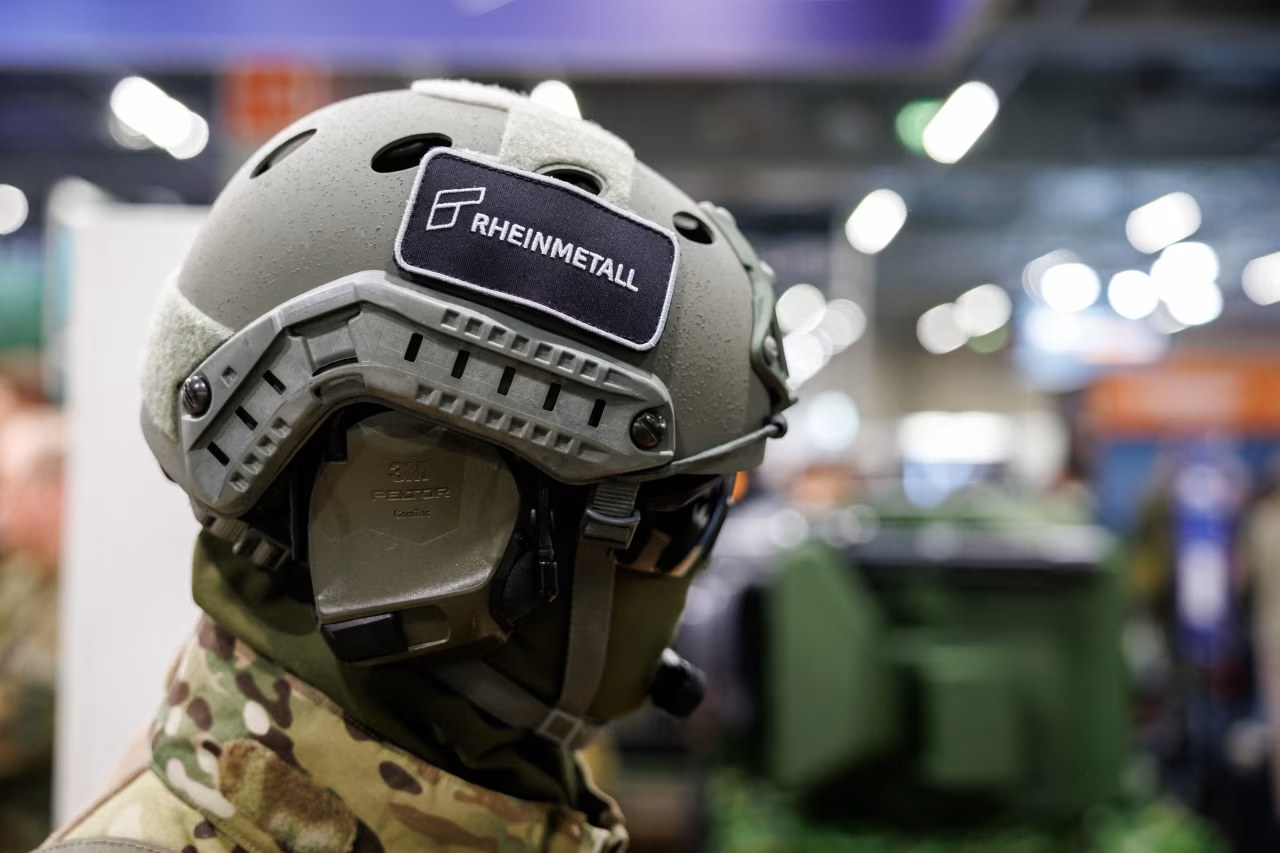
Defense Sector Poised for Growth Amidst European Rearmament Efforts
This is a developing story. A major defense contractor signals an anticipated surge in sales driven by regional defense spending and anti-drone technology needs.
RHEINMETALL—The defense industry is anticipating a period of heightened activity, with reports indicating a significant increase in demand for military equipment and related technologies. This outlook is largely attributed to ongoing rearmament initiatives across Europe and a growing global focus on developing advanced anti-drone systems. A prominent company in this sector, Rheinmetall, is positioned to see a substantial sales surge, reflecting these broader market trends.
- Anticipated sales surge is linked to European rearmament Rheinmetall
- Growing demand for anti-drone technologies is a key factor Anti-Drone Demand
- The defense sector is experiencing a period of increased activity
- General market conditions point towards sustained growth in military spending
The current geopolitical climate has underscored the importance of robust defense capabilities, leading many nations to reassess and upgrade their military assets. This renewed emphasis on security has translated into substantial investment, creating a favorable environment for defense manufacturers. The specific details surrounding individual company performances often reflect these overarching shifts in global defense priorities and procurement cycles. Companies are adapting their production and innovation strategies to meet these evolving requirements, particularly in specialized areas.
Rheinmetall’s Position in the Evolving Defense Landscape
A key player sees opportunity in defense modernization
As a significant entity in the defense sector, Rheinmetall is a prominent defense contractor involved in the manufacturing of military vehicles, armaments, and other essential defense systems. The company’s activities are integral to the modernization efforts undertaken by various armed forces globally. Given the current environment of increased defense spending, companies like Rheinmetall are crucial suppliers for national militaries, providing the equipment and technology necessary for contemporary defense strategies. Their operational scope often covers a wide range of products, from intricate weapon systems to comprehensive logistical support.
The strategic importance of such manufacturers cannot be overstated, as they form the backbone of national security infrastructure. Their capacity for innovation and production directly influences the readiness and effectiveness of military forces. Therefore, any anticipated surge in sales for companies like Rheinmetall signals a broader trend of significant investment and expansion within the global defense market, driven by geopolitical realities and security concerns that necessitate advanced defense capabilities across continents. This trend reflects a widespread commitment to enhancing military strength and preparedness.
The Impact of European Rearmament
Continental defense budgets drive demand for new systems
The term European rearmament refers to a significant trend among European nations to enhance their military capabilities and defense readiness. This involves substantial increases in defense budgets, procurement of advanced weaponry, and the modernization of existing military infrastructure. The drivers behind this rearmament are varied, often stemming from evolving geopolitical tensions and a re-evaluation of national security priorities following recent global events. Such large-scale defense spending creates a robust market for defense contractors, offering opportunities for expanded contracts and technological development.
Governments across the continent are allocating considerable financial resources to bolster their armed forces, leading to a surge in orders for a wide range of military equipment, from armored vehicles to sophisticated communication systems. This collective effort ensures that the European defense industrial base remains active and capable of meeting national and regional security needs. The increased investment is not merely about replacing old equipment but also about integrating new technologies to address modern threats, thereby stimulating innovation and production within the defense manufacturing sector and impacting companies like Rheinmetall substantially.
Reported Growth Figure
7%
Source: wsj.com
Rising Demand for Anti-Drone Technology
Counter-UAV systems become a critical defense priority
Another crucial area contributing to the defense sector’s growth is the escalating anti-drone demand. Unmanned aerial vehicles (UAVs), commonly known as drones, have become increasingly prevalent in both civilian and military applications. While offering numerous benefits, their misuse poses significant security challenges, including surveillance, espionage, and potential weaponization. Consequently, there is an urgent need for effective counter-drone systems capable of detecting, tracking, and neutralizing these threats.
Defense companies are actively investing in research and development to create sophisticated solutions to combat drone threats. These technologies range from electronic warfare systems that jam drone signals to kinetic interceptors and laser-based defense mechanisms. The market for these specialized systems is expanding rapidly as nations seek to protect critical infrastructure, military bases, and even public events from potential drone attacks. This focus on anti-drone capabilities represents a new frontier in defense innovation, driving significant investment and presenting further growth avenues for defense contractors, who are adapting their offerings to meet these complex security requirements.
Financial Outlook: Anticipated Surge and Key Figures
Market anticipates significant financial uplift, with certain figures noted
The anticipated sales surge for defense contractors like Rheinmetall reflects a robust financial outlook for the sector. While specific, detailed financial forecasts are not comprehensively available, the general trend indicates substantial growth. This growth is underpinned by the aforementioned rearmament programs and the critical need for advanced defense technologies, including anti-drone systems. The market sentiment suggests a period of sustained high demand, translating into increased revenue and potential expansion for leading companies in this field. This financial uplift is a direct consequence of global security priorities.
In the context of this expected growth, certain figures have been noted, though their precise application and specific context within the company’s financial reporting are not fully detailed in the available information. For instance, specific financial points such as $2 and $5 have been mentioned, alongside a potential 0 value in a financial context. These numbers, despite lacking full contextual details, indicate various possible quantitative metrics within the broader financial performance of companies in this expanding sector. They underscore the varied financial elements that can be reported by major defense contractors amidst market changes.
Noted Financial Values
Value A
2$
Value B
5$
▲ 150.0%
increase
Source: wsj.com
Frequently Asked Questions
Q: What is Rheinmetall’s role in the defense industry?
Rheinmetall operates as a major player in the global defense industry, providing a wide array of products and services. While specific details on its full portfolio are not available in current reporting, it is understood to be involved in areas critical to modern military capabilities, including those related to European rearmament and advanced defense solutions. The company’s activities are influenced by geopolitical shifts and evolving defense spending priorities.
Q: Why is Europe rearming?
European rearmament refers to the increased investment and development of military capabilities across various European nations. This trend is typically driven by shifts in the geopolitical landscape, perceived security threats, and a renewed focus on national defense strategies. It involves modernizing existing forces, acquiring new equipment, and strengthening defense industrial bases to ensure preparedness and security for the region. This broad effort impacts defense contractors across the continent.
Q: What is driving anti-drone demand?
Demand for anti-drone technology is growing due to the increasing proliferation and accessibility of unmanned aerial vehicles (UAVs) for various purposes, including surveillance and potential hostile actions. This rise has prompted governments and security organizations to invest in sophisticated counter-UAV systems capable of detecting, tracking, and neutralizing drones. The need to protect critical infrastructure, military installations, and public spaces is a key factor in this expanding market segment.
Sources & References
- Primary SourceRheinmetall Expects Sales Surge as Europe Rearms, Anti-Drone Demand Growswsj.com
