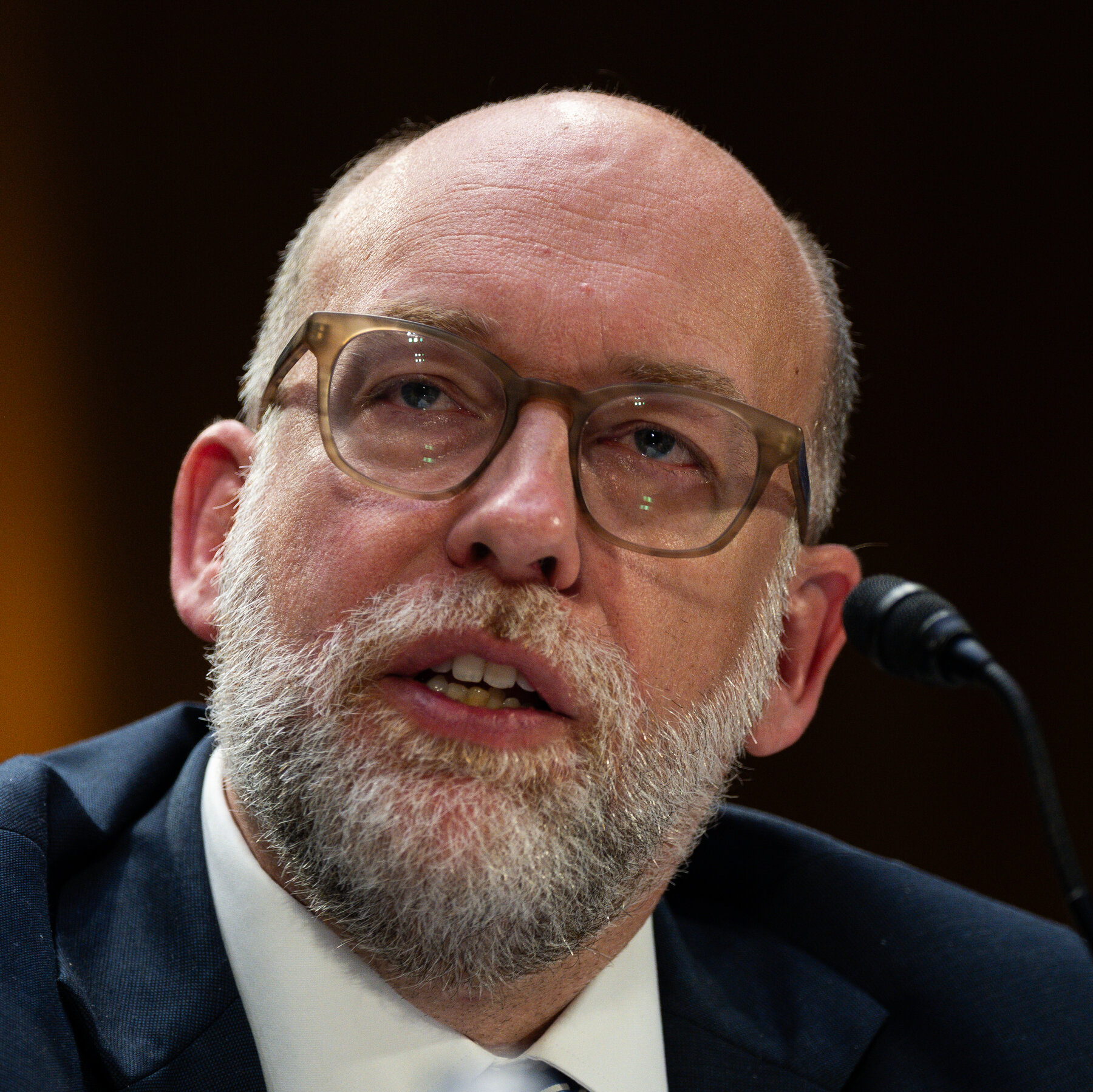
Unveiling the Forces Behind a Pivotal Climate Decision
- Four conservative allies of Trump have played a significant role in rolling back a crucial climate regulation.
- Their efforts have far-reaching implications for environmental policy and the future of climate action.
- This move is part of a broader pattern of deregulation under the Trump administration.
Assessing the Consequences of a Climate Policy Shift
The rollback of this key climate regulation has significant implications for the environment, public health, and the economy. By understanding the driving forces behind this decision, we can better appreciate the complex interplay of political, economic, and social factors that shape environmental policy. The involvement of Trump’s allies in this process highlights the importance of considering the roles of various stakeholders in shaping policy outcomes.
Furthermore, this development underscores the ongoing challenges in addressing climate change, a global issue that requires sustained and collective action. As the world grapples with the consequences of climate change, the actions of governments and their allies will be crucial in determining the trajectory of environmental policy. By examining the motivations and actions of these conservative activists, we can gain insight into the broader dynamics at play in the realm of climate policy.
The impact of this regulation rollback will be felt across various sectors, from energy production to public health. As such, it is essential to consider the long-term implications of this decision and how it may influence future environmental policies. The story of these four Trump allies and their role in shaping climate policy serves as a reminder of the complexities and challenges inherent in addressing one of the most pressing issues of our time.
The Rollback of a Key Climate Regulation
In a move that has sparked widespread controversy, the Trump administration has rolled back a key climate regulation, thanks in large part to the efforts of four conservative allies of the president. This regulation, aimed at reducing greenhouse gas emissions, was seen as a crucial step towards mitigating the effects of climate change. The decision to repeal it has significant implications for the environment, public health, and the economy.
The four Trump allies, who have been instrumental in driving this policy shift, bring a unique combination of political influence, economic interests, and ideological conviction to the table. Through their lobbying efforts, strategic advocacy, and behind-the-scenes maneuvering, they have managed to persuade the administration to adopt a more lenient approach to environmental regulation. This has resulted in a policy outcome that reflects their shared vision of a more limited role for government in addressing climate change.
The specifics of the rollback are complex, involving a nuanced interplay of regulatory tweaks, legislative maneuvers, and administrative actions. At its core, however, the decision represents a significant shift in the government’s approach to climate policy, one that prioritizes economic growth and energy production over environmental concerns. As the implications of this move become clearer, it is essential to examine the roles of the key players involved, including the four conservative allies who have been driving this effort.
By understanding the events leading up to this decision, we can better appreciate the complex dynamics at play in the world of environmental policy. The story of these four Trump allies serves as a case study in the power of targeted advocacy, strategic lobbying, and coalition-building in shaping policy outcomes. As the country grapples with the consequences of this decision, it is crucial to consider the perspectives of various stakeholders, including environmental groups, industry representatives, and public health experts.
The rollback of this climate regulation has already sparked a heated debate, with some arguing that it represents a necessary corrective to overly burdensome regulatory requirements, while others see it as a reckless abandonment of the government’s responsibility to protect the environment. As the discussion unfolds, it is essential to consider the evidence, analyze the arguments, and evaluate the potential consequences of this policy shift. By doing so, we can gain a deeper understanding of the issues at stake and the implications of this decision for the future of environmental policy.
In the midst of this ongoing debate, it is crucial to acknowledge the uncertainty and complexity surrounding climate policy. The involvement of the four Trump allies in this process highlights the need for a nuanced and multifaceted approach to addressing environmental challenges. By examining the motivations, actions, and interests of these key players, we can gain insight into the broader dynamics driving climate policy and the implications of this regulation rollback for the country and the world.
As the story of these four conservative activists continues to unfold, it is essential to consider the long-term implications of their efforts. The rollback of this climate regulation represents a significant turning point in the evolution of environmental policy, one that will have far-reaching consequences for generations to come. By understanding the events, interests, and ideologies driving this decision, we can better navigate the complexities of climate policy and work towards a more sustainable future.
Understanding the History Behind the Climate Regulation Rollback
To fully appreciate the significance of the Trump administration’s decision to roll back a key climate regulation, it is essential to understand the historical context in which this policy shift occurred. The story of this regulation begins several years ago, when the previous administration first introduced the measure as part of a broader effort to address climate change. The regulation, designed to reduce greenhouse gas emissions, was seen as a critical step towards mitigating the effects of climate change and promoting sustainable energy production.
Over time, the regulation faced significant opposition from various stakeholders, including industry groups, conservative activists, and Republican lawmakers. These opponents argued that the regulation was overly burdensome, would lead to job losses, and would undermine the competitiveness of American businesses. Despite these challenges, the regulation remained in place, with many environmental groups and public health experts advocating for its retention and strengthening.
The election of Donald Trump as president marked a significant turning point in the history of this regulation. Trump, who had campaigned on a platform of deregulation and energy production, was seen as a potential ally by the opponents of the climate regulation. The four conservative allies, who have been instrumental in driving the rollback effort, were well-positioned to influence the new administration’s policy agenda. Through their lobbying efforts, strategic advocacy, and behind-the-scenes maneuvering, they managed to persuade the administration to adopt a more lenient approach to environmental regulation.
The historical context of this policy shift is complex, involving a nuanced interplay of political, economic, and social factors. The story of the climate regulation rollback serves as a case study in the evolution of environmental policy, highlighting the ongoing challenges and opportunities inherent in addressing climate change. By examining the events, interests, and ideologies driving this decision, we can gain insight into the broader dynamics shaping climate policy and the implications of this regulation rollback for the future.
One of the key factors contributing to the rollback of the climate regulation was the changing landscape of environmental policy under the Trump administration. The new president’s emphasis on deregulation, energy production, and economic growth created an environment in which opponents of the regulation could mobilize and advocate for change. The four conservative allies, who had established close relationships with the administration, were well-positioned to capitalize on this shift in the policy agenda.
Another crucial factor was the strategic advocacy and lobbying efforts of the four Trump allies. By building coalitions, mobilizing public support, and leveraging their influence within the administration, they managed to create a groundswell of opposition to the climate regulation. Their efforts, combined with the changing policy landscape, ultimately contributed to the decision to roll back the regulation.
The historical context of the climate regulation rollback also highlights the importance of considering the perspectives of various stakeholders. Environmental groups, industry representatives, and public health experts all had a stake in the outcome of this policy decision. By examining their interests, motivations, and actions, we can gain a deeper understanding of the complex dynamics driving climate policy and the implications of this regulation rollback for the future.
In conclusion, the history behind the climate regulation rollback is complex and multifaceted, involving a nuanced interplay of political, economic, and social factors. The story of the four Trump allies serves as a reminder of the importance of strategic advocacy, coalition-building, and lobbying in shaping policy outcomes. As the country grapples with the consequences of this decision, it is essential to consider the long-term implications of the rollback and the potential paths forward for environmental policy.
A Deep Dive into the Technical and Financial Implications of the Climate Regulation Rollback
The rollback of the climate regulation has significant technical and financial implications, which will be felt across various sectors, from energy production to public health. One of the primary concerns is the potential increase in greenhouse gas emissions, which could exacerbate the effects of climate change. The regulation, which was designed to reduce emissions, has been repealed, leaving a void in the government’s approach to addressing this critical issue.
From a technical perspective, the rollback of the climate regulation raises important questions about the government’s ability to address climate change. The regulation, which was based on a thorough analysis of the scientific evidence, provided a framework for reducing emissions and promoting sustainable energy production. Without this regulation, the government’s approach to climate policy is likely to be more fragmented and less effective.
The financial implications of the rollback are also significant, with potential consequences for the economy, industry, and public health. The regulation, which was designed to promote sustainable energy production, has been repealed, leaving the energy sector without a clear direction or guidance. This could lead to increased costs for businesses, consumers, and the government, as well as a loss of competitiveness for American companies in the global market.
A key factor in the technical and financial implications of the rollback is the role of the four Trump allies, who have been instrumental in driving this policy shift. Their efforts, which were focused on repealing the regulation, have created a power vacuum in the government’s approach to climate policy. This has left a void in the government’s ability to address climate change, which will need to be filled through new policies, regulations, or legislation.
The technical and financial implications of the rollback also highlight the importance of considering the perspectives of various stakeholders. Environmental groups, industry representatives, and public health experts all have a stake in the outcome of this policy decision. By examining their interests, motivations, and actions, we can gain a deeper understanding of the complex dynamics driving climate policy and the implications of this regulation rollback for the future.
One of the potential consequences of the rollback is the loss of jobs and economic opportunities in the clean energy sector. The regulation, which was designed to promote sustainable energy production, has been repealed, leaving the industry without a clear direction or guidance. This could lead to a decline in investment, innovation, and employment in the sector, as well as a loss of competitiveness for American companies in the global market.
Another potential consequence is the negative impact on public health. The regulation, which was designed to reduce greenhouse gas emissions, has been repealed, leaving the government without a clear strategy for addressing the health impacts of climate change. This could lead to increased morbidity and mortality, particularly for vulnerable populations such as the elderly, children, and low-income communities.
In conclusion, the technical and financial implications of the climate regulation rollback are complex and multifaceted, involving a nuanced interplay of political, economic, and social factors. The story of the four Trump allies serves as a reminder of the importance of strategic advocacy, coalition-building, and lobbying in shaping policy outcomes. As the country grapples with the consequences of this decision, it is essential to consider the long-term implications of the rollback and the potential paths forward for environmental policy.
Global, Market, and Social Reactions to the Climate Regulation Rollback
The rollback of the climate regulation has sparked a heated debate, with reactions ranging from relief to outrage. The decision has been met with criticism from environmental groups, public health experts, and many in the scientific community, who argue that it will exacerbate the effects of climate change and undermine the government’s ability to address this critical issue.
On the other hand, the rollback has been welcomed by some industry groups, conservative activists, and Republican lawmakers, who argue that it will promote economic growth, job creation, and energy production. They see the decision as a necessary corrective to overly burdensome regulatory requirements, which they claim have stifled innovation and entrepreneurship in the energy sector.
The global reaction to the rollback has been largely negative, with many countries expressing concern about the implications of this decision for the environment, public health, and the economy. The European Union, China, and other major economies have all criticized the move, arguing that it will undermine global efforts to address climate change and promote sustainable energy production.
The market reaction to the rollback has been mixed, with some investors and companies expressing concern about the potential risks and uncertainties associated with this decision. The clean energy sector, which has been a major driver of growth and innovation in the energy market, is likely to be negatively impacted by the rollback, as it will create uncertainty and risk for investors, companies, and consumers.
Social media has been filled with reactions to the rollback, with many people expressing outrage, disappointment, and frustration with the decision. The hashtag #ActOnClimate has been trending, with many calling for greater action to address climate change and promote sustainable energy production. The rollback has also sparked a wave of protests and demonstrations, with many people taking to the streets to demand action on climate change.
The four Trump allies, who have been instrumental in driving this policy shift, have been the subject of much criticism and scrutiny. Their efforts, which were focused on repealing the regulation, have been seen as a major factor in the rollback, and many have questioned their motivations and interests in this decision. By examining their roles and actions, we can gain a deeper understanding of the complex dynamics driving climate policy and the implications of this regulation rollback for the future.
The reactions to the rollback also highlight the importance of considering the perspectives of various stakeholders. Environmental groups, industry representatives, and public health experts all have a stake in the outcome of this policy decision. By examining their interests, motivations, and actions, we can gain a deeper understanding of the complex dynamics driving climate policy and the implications of this regulation rollback for the future.
In conclusion, the reactions to the climate regulation rollback are complex and multifaceted, involving a nuanced interplay of political, economic, and social factors. The story of the four Trump allies serves as a reminder of the importance of strategic advocacy, coalition-building, and lobbying in shaping policy outcomes. As the country grapples with the consequences of this decision, it is essential to consider the long-term implications of the rollback and the potential paths forward for environmental policy.
Looking Ahead: The Future of Climate Policy and the Implications of the Regulation Rollback
The rollback of the climate regulation has significant implications for the future of climate policy, both domestically and internationally. The decision has created a power vacuum in the government’s approach to addressing climate change, which will need to be filled through new policies, regulations, or legislation. The four Trump allies, who have been instrumental in driving this policy shift, will likely continue to play a major role in shaping the future of climate policy.
One of the potential paths forward for climate policy is the development of new regulations or legislation that can address the gap left by the rollback. This could involve the introduction of new bills or proposals that promote sustainable energy production, reduce greenhouse gas emissions, and address the health impacts of climate change. The clean energy sector, which has been a major driver of growth and innovation in the energy market, will likely be a key focus of these efforts.
Another potential path forward is the increased role of state and local governments in addressing climate change. Many states and cities have already taken steps to promote sustainable energy production, reduce emissions, and address the health impacts of climate change. The rollback of the climate regulation could create an opportunity for these governments to take on a more prominent role in addressing climate change, potentially through the development of new policies, regulations, or laws.
The international community will also play a critical role in shaping the future of climate policy. The Paris Agreement, which was signed by nearly 200 countries, provides a framework for global action on climate change. The rollback of the climate regulation could create an opportunity for other countries to take on a more prominent role in addressing climate change, potentially through the development of new policies, regulations, or laws.
The future of climate policy will also be shaped by the actions of the four Trump allies, who have been instrumental in driving this policy shift. Their efforts, which were focused on repealing the regulation, have created a power vacuum in the government’s approach to addressing climate change. As the country grapples with the consequences of this decision, it is essential to consider the long-term implications of the rollback and the potential paths forward for environmental policy.
The story of the four Trump allies serves as a reminder of the importance of strategic advocacy, coalition-building, and lobbying in shaping policy outcomes. The rollback of the climate regulation has sparked a heated debate, with reactions ranging from relief to outrage. As the country looks to the future, it is essential to consider the perspectives of various stakeholders, including environmental groups, industry representatives, and public health experts.
In conclusion, the future of climate policy is complex and uncertain, involving a nuanced interplay of political, economic, and social factors. The rollback of the climate regulation has created a power vacuum in the government’s approach to addressing climate change, which will need to be filled through new policies, regulations, or legislation. The four Trump allies will likely continue to play a major role in shaping the future of climate policy, and their efforts will be closely watched by stakeholders around the world.
