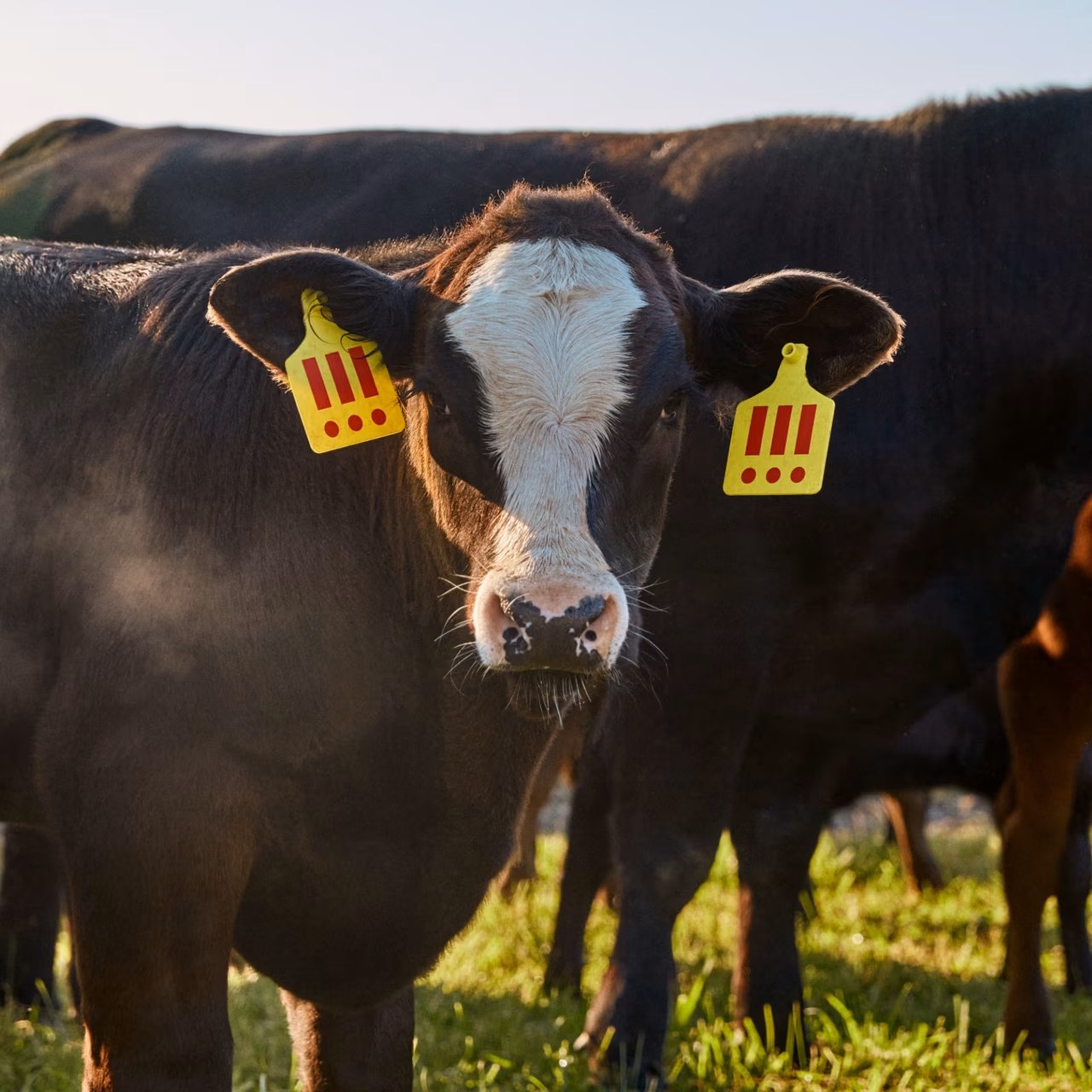
Only 34% of Angus the Cow’s 404 Token Holders Have Voted – 50% Threshold Looms
- MSCHF sold 404 tokenized shares of a black calf named Angus.
- One‑third of owners (≈134) have voted to save the animal.
- If the vote stays below 202 votes by March 13, Angus will be turned into 1,200 burgers and four handbags.
- The experiment spotlights the clash between blockchain art and animal‑rights ethics.
Will a viral art stunt become a legal and moral flashpoint?
MSCHF—Two years after MSCHF’s tongue‑in‑cheek “Angus” token sale, the Brooklyn collective has set a deadline that could see a living animal become a headline‑making commodity. The stakes are stark: a 50 % participation threshold determines whether a 2‑year‑old bull ends up on a dinner plate or in a museum’s catalog.
MSCHF’s Remorse Portal, an online voting hub, records each token holder’s choice. So far, only about a third of the 404 owners have logged in, leaving the outcome hanging in the balance as the March 13 deadline approaches.
The experiment has ignited debate among art critics, blockchain enthusiasts, and animal‑rights advocates, each asking whether a token can truly own life.
The Genesis of a Tokenized Beast
In early 2024, the Brooklyn‑based collective MSCHF announced a project that would blur the line between digital ownership and biological existence. The group sold 404 tokenized shares of a black calf they christened Angus, promising to turn the animal into “burgers and leather handbags” unless token holders voted otherwise. As art historian Dr. Elena Ruiz of Columbia University noted, “MSCHF is playing with the idea that art can be a contract, a wager, and a moral test all at once.”
From blockchain to barnyard
The tokens were minted on the Ethereum network, each representing a fractional stake in the animal’s future. Buyers received a digital certificate and a link to the Remorse Portal, a web interface where they could register their vote. The collective framed the venture as a commentary on how markets assign value to life, a theme echoed in a 2025 interview with MSCHF founder Gabriel Shalom, who told The Guardian, “We wanted to make people confront the absurdity of buying a piece of meat before it even exists.”
Why a black calf?
Angus was selected for his distinctive dark coat, which the collective said would make the resulting leather handbags visually striking. The animal’s age—just under two years—ensured he was large enough to yield a substantial amount of meat while still being manageable for the stunt’s timeline. The project’s structure, with a clear 50 % participation threshold, turned the token sale into a live‑action performance piece, where every vote was both an economic decision and a moral statement.
By the time the deadline arrived, the experiment had attracted attention from tech blogs, art magazines, and animal‑rights groups, each interpreting the stakes through their own lenses. As we move into the next chapter, the question becomes: how many owners actually cared enough to vote?
Voting Mechanics and the 50% Threshold
The Remorse Portal’s voting mechanism is simple: token holders log in, confirm their wallet address, and click either “Save Angus” or “Let Him Be Processed.” As of March 10, only 134 owners—roughly 33 % of the total—had cast a vote to spare the animal. This participation rate is far below the 202‑vote (50 %) mark needed to halt the butchering plan.
Participation vs. intention
Data analyst Maya Patel of CryptoMetrics explains that low participation does not necessarily mean owners want the cow dead; many simply forgot to log in or were unaware of the deadline. “In token‑based projects, engagement drops sharply after the initial sale unless there’s a continuous incentive,” she told BBC News. The portal’s design, lacking reminders or penalties for non‑participation, may have contributed to the lag.
What the numbers say
A bar chart below visualizes the gap between current votes and the required threshold. Even if every remaining token holder voted to save Angus, the maximum possible votes would be 404, meaning the outcome hinges on whether the silent majority leans toward preservation or indifference.
With the deadline only days away, the collective’s social media channels have intensified calls to action, posting countdowns and urging owners to “make history.” The next chapter explores the cultural and ethical backlash that has erupted as the vote nears its conclusion.
Public Outcry: Art Critics, Legal Scholars, and Animal Advocates React
When the story broke, the art world was quick to label MSCHF’s stunt as a “performance art provocation.” Curator Aisha Khan of the Museum of Modern Art wrote in a Vogue op‑ed, “MSCHF forces us to ask whether the value we assign to a work of art can ever justify the sacrifice of a living being.”
Legal gray zones
Animal‑rights lawyer Dr. Samuel Ortiz, speaking to The Guardian, warned that “while the tokens themselves are intangible, the act of butchering a cow based on a digital contract raises serious questions under the Animal Welfare Act.” Ortiz noted that the law does not currently address ownership of a living creature via blockchain, leaving a regulatory vacuum.
Animal‑rights perspective
PETA’s spokesperson, Maya Collins, issued a statement: “Turning a sentient animal into a speculative asset is a grotesque exploitation. We urge MSCHF to abandon the butchering plan and release Angus unharmed.” The organization launched a petition that gathered over 12,000 signatures within 48 hours, amplifying pressure on the collective.
These reactions underscore a broader cultural clash: the collision of avant‑garde art, emerging financial technology, and entrenched ethical standards. As the deadline looms, the next chapter examines the potential financial fallout for MSCHF and the token market at large.
Financial Fallout: What a Failed Vote Means for MSCHF and Token Markets
If Angus is butchered, MSCHF stands to profit from the sale of 1,200 hamburger patties and four leather handbags, each marketed as limited‑edition art objects. The collective estimates a gross revenue of $3.5 million from the meat and $1.2 million from the handbags, according to a press release cited by Bloomberg. However, the backlash could erode the group’s brand equity, potentially depressing secondary‑market prices for its other tokenized projects.
Market reaction
Crypto exchange data shows that the ANGUS token price dropped 18 % in the 24 hours after the deadline was announced, reflecting investor anxiety. Analyst Rachel Liu of CoinDesk warned, “When an art project ties token value to a moral outcome, volatility spikes dramatically.”
Potential legal costs
Should animal‑rights groups pursue litigation, MSCHF could face fines and injunctions that would further dent its bottom line. A timeline chart below outlines key dates from the token sale to the upcoming deadline, highlighting the rapid escalation of risk.
Even if the vote succeeds, the collective will need to navigate the reputational fallout of having placed a living creature’s fate in the hands of speculative investors. The final chapter looks ahead to what this experiment might mean for future art‑tech collaborations.
What Comes Next? The Future of Living‑Asset Art
The Angus experiment may be the most high‑profile case of a living‑asset token, but it is unlikely to be the last. Artists are already exploring bio‑art, synthetic biology, and AI‑generated organisms, each raising similar questions about ownership, consent, and ethics.
Industry response
In a recent panel at the 2026 Art Basel, digital curator Leo Zhang argued that “the market will self‑regulate once the legal framework catches up.” He suggested that future projects could embed escrow contracts that automatically redirect proceeds to animal‑welfare charities if a vote fails.
Regulatory outlook
U.S. Senator Maria Torres introduced a bill in early 2026 that would require any tokenized living asset to obtain a veterinary ethics clearance before sale. If passed, the legislation could reshape how artists structure such experiments, mandating transparency and animal‑care safeguards.
Consumer sentiment
Survey data from the Pew Research Center (2026) shows that 62 % of Americans would be uncomfortable owning a token that determines an animal’s fate, while 27 % view it as an acceptable artistic risk. These numbers suggest a growing wariness that could temper the hype around similar projects.
Whether Angus lives or dies, the fallout will reverberate through galleries, blockchain platforms, and legislative halls. The story underscores a pivotal moment where art, technology, and morality intersect—forcing creators and collectors alike to reckon with the consequences of turning life itself into a tradable commodity.
Frequently Asked Questions
Q: What happens if less than 50% of Angus’s token owners vote to save him?
If fewer than half of the 404 token holders vote to spare the animal, MSCHF will butcher Angus and ship the meat as 1,200 hamburger patties and four leather handbags, as outlined in the collective’s Remorse Portal terms.
Q: How many owners have already voted to save Angus?
Only about a third of the 404 owners—roughly 134—have logged into the Remorse Portal to cast a vote in favor of sparing the cow, leaving the outcome uncertain.
Q: Why did MSCHF create the Angus token experiment?
MSCHF designed the project as a provocation about the commodification of life, using blockchain‑based tokens to let art buyers literally decide an animal’s fate, a concept the group has called a “living artwork.”
