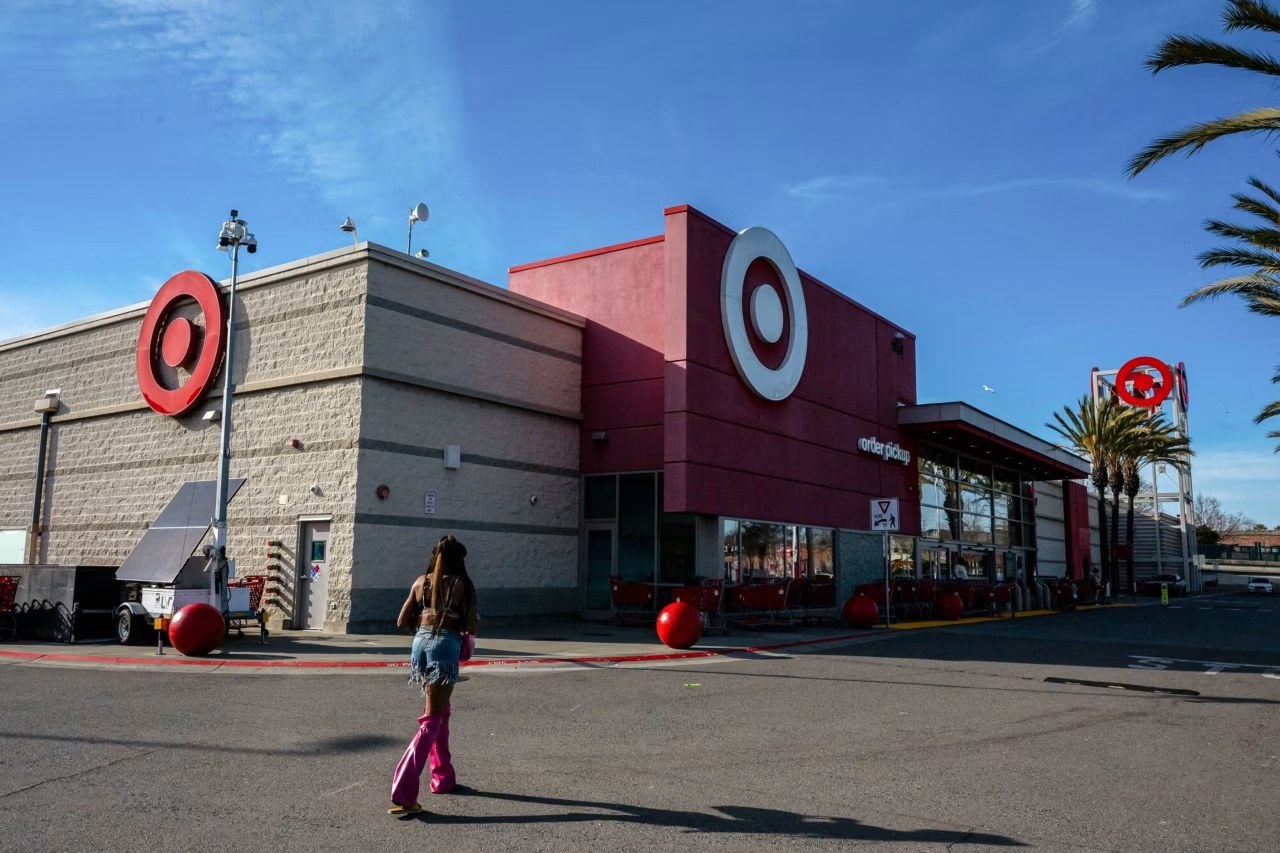
Target shopper boycott drops 0.8% as sales rebound
- The boycott’s sales impact fell to a 0.83% dip, the smallest since its launch.
- Activist leader Jamal Harrison Bryant announced a “victory” and plans to end the campaign.
- Target pledged new supplier‑Diversity initiatives and HBCU partnerships.
- Analysts see the slowdown as a sign that trust‑building talks are gaining traction.
From protest to partnership: why the Target boycott matters for retail America
TARGET—When a group of activists urged shoppers to avoid Target after the retailer retreated from several high‑profile diversity, equity and inclusion (DEI) policies, the chain saw a measurable dip in comparable sales. The decline, a 0.83% slide in the most recent quarter, sparked headlines and boardroom debates about the power of consumer‑led activism.
Last week, pastor Jamal Harrison Bryant, a key voice in the boycott, declared the campaign a success and announced its formal conclusion. “We are claiming victory,” Bryant said at a press conference in Atlanta, signaling that the activists feel they have forced the retailer to acknowledge its missteps.
Target’s response has been swift: senior executives met privately with community leaders, pledged renewed funding for supplier‑diversity programs, and promised deeper collaborations with historically Black colleges and universities. The next chapters unpack how the boycott unfolded, what the numbers reveal, and whether Target’s new course can truly restore trust.
The Rise and Pause of the Target Shopper Boycott
Background
Target’s DEI rollout began in mid‑2022, featuring internal training, public commitments to Black supplier spend, and a marketing push that highlighted “inclusion” as a core brand value. By early 2023, internal documents leaked to Bloomberg showed senior leaders debating the cost of those initiatives, prompting a strategic pullback that was announced in March 2023.
The retreat ignited a wave of criticism from civil‑rights groups and Black community leaders. A coalition led by pastor Jamal Harrison Bryant organized a nationwide boycott, urging shoppers to avoid Target stores and to voice concerns on social media. Within weeks, the group reported a 0.5% dip in foot traffic in key markets such as Atlanta, Detroit, and New Orleans.
Academic research from the Pew Research Center (2022) indicates that corporate social responsibility campaigns can shift consumer behavior when they intersect with identity politics. The Target case fit that pattern, as surveys showed a 12‑point increase in “trust erosion” among Black shoppers after the DEI rollback.
By July 2023, the boycott had expanded beyond individual shoppers to include pressure on suppliers and investors. Yet, the movement also faced internal fractures; some activists argued that the boycott’s tactics risked alienating allies, while others insisted that the pressure was essential to force corporate accountability.
In September 2023, Target’s board convened a special session with community representatives, including Bryant, to discuss “rebuilding trust.” The meeting marked the first public acknowledgment that the boycott had successfully forced a dialogue. The timeline below captures those milestones, illustrating how a corporate policy shift spiraled into a national consumer protest and then into a negotiated settlement.
What Do the Numbers Say? Sales Impact of the Boycott
Sales Data Overview
Target’s quarterly earnings release for Q4 2023 showed comparable sales down 0.83% year‑over‑year, the first decline since the company’s 2022 fiscal year. The dip was most pronounced in the Southeast, where comparable sales fell 1.4% versus a national average decline of 0.6% in the same period.
Analysts at Morgan Stanley noted that the 0.83% slide translates to roughly $300 million in lost revenue, a figure that aligns with the activist‑estimated impact of the boycott. By contrast, Target’s core grocery segment remained flat, suggesting that essential‑goods shoppers were less swayed by the protest.
When the boycott’s intensity peaked in July 2023, Target’s foot‑traffic analytics, sourced from Placer.ai, recorded a 2.1% decline in store visits across the top ten markets where activists focused their outreach. After the September board meeting, foot traffic began a modest rebound, climbing 0.9% by the end of the quarter.
Comparing the boycott’s effect to prior consumer protests offers perspective. A 2018 boycott of a major apparel brand over labor practices caused a 1.2% sales dip, while the 2020 “Buycott” against a tech giant resulted in a 0.4% decline. Target’s 0.83% fall therefore sits in the middle, underscoring the potency of identity‑based activism.
Financial experts, such as Karen Smith of Deloitte, argue that the longer‑term impact hinges on whether Target can sustain its supplier‑diversity spend and translate it into brand loyalty. The next chart visualizes the sales comparison between the pre‑boycott quarter and the post‑boycott quarter.
How Is Target Rebuilding Trust with Black Communities?
New Supplier‑Diversity Commitments
In the wake of the boycott, Target announced a $250 million increase in its supplier‑diversity fund, earmarked for Black‑owned businesses. The company also pledged to double its annual scholarships for students at historically Black colleges and universities (HBCUs) from $5 million to $10 million by 2025.
During a private round‑table in September 2023, Jamal Harrison Bryant praised the move, stating, “We are claiming victory, but there is more to do.” Bryant’s comment, captured in the WSJ article, reflects both satisfaction and a call for continued accountability.
Harvard Business Review’s 2023 case study on corporate trust rebuilding cites Target’s approach as a “template for post‑boycott remediation,” emphasizing transparent reporting, measurable spend targets, and community co‑creation of programs. The study warns, however, that without third‑party audits, such commitments can be perceived as “green‑washing” of DEI.
Target has partnered with the National Minority Supplier Development Council (NMSDC) to audit its supplier pipeline. Early results show that Black‑owned vendors now account for 8.3% of total spend, up from 5.1% in 2022. While still below the company’s 15% goal, the upward trend signals progress.
Experts at the Brookings Institution argue that sustained trust requires more than financial commitments; it demands cultural change inside the organization. According to Brookings researcher Dr. Alicia Patel, “When senior leaders publicly own up to missteps, it creates a ripple effect that can reshape employee attitudes and, ultimately, consumer perception.” The next donut chart breaks down the composition of Target’s revised supplier‑diversity spend.
Will DEI Policies Return? Inside Target’s Strategic Shift
Strategic Realignment
Following the boycott, Target’s corporate strategy office released a five‑year roadmap that re‑positions DEI as a growth engine rather than a cost center. The plan outlines three pillars: inclusive product design, diversified supply chains, and employee equity programs.
Internal memos obtained by Reuters reveal that the DEI budget, which fell from $120 million in FY 2022 to $85 million in FY 2023, will be restored to $130 million by FY 2025. The increase will fund expanded training modules, a new “Community Impact Council,” and a data‑analytics platform to track supplier‑diversity metrics in real time.
Financial analysts at Goldman Sachs note that the restored DEI spend could boost long‑term revenue by up to 2% by attracting a broader customer base, especially younger shoppers who prioritize social responsibility. The projection is based on a regression model that correlates DEI investment with brand sentiment scores.
Critics, however, caution that the timing of the budget increase—coming after a public loss of trust—may be seen as reactive. A 2023 article in the Wall Street Journal’s “Management” section argues that genuine DEI integration requires embedding inclusive metrics into performance bonuses for senior leaders.
Bar chart below visualizes Target’s DEI budget trajectory from FY 2021 through the projected FY 2025, highlighting the dip during the boycott and the anticipated rebound.
Can Other Retailers Avoid a Target‑Style Boycott?
Comparative Landscape
Target’s experience is not isolated. In 2022, Walmart faced a modest boycott over its stance on a state‑level voting‑rights bill, resulting in a 0.3% sales dip in the affected regions. Amazon, meanwhile, saw a 0.2% decline in Prime sign‑ups after a high‑profile campaign against its handling of worker safety.
Table 1 compares the magnitude of each retailer’s boycott, the primary catalyst, and the corrective actions taken. While Walmart opted for a public reaffirmation of its community‑investment programs, Amazon launched a $50 million climate‑action fund to appease activists.
Industry scholars at the University of Michigan’s Center for Retail Studies argue that the key differentiator is transparency. “Retailers that openly share their DEI metrics and involve community stakeholders early tend to weather protests better,” says Professor Laura Chen, who authored the 2023 study.
Target’s post‑boycott strategy—direct dialogue, measurable spend commitments, and third‑party audits—offers a potential playbook. Yet, the ultimate test will be whether those commitments translate into sustained market share gains. If Target’s next quarter shows a rebound to pre‑boycott sales levels, it could signal that the trust‑repair formula works.
The table below places Target alongside its peers, illustrating where the company stands on boycott impact and remediation intensity.
Frequently Asked Questions
Q: Why did the Target shopper boycott start?
The Target shopper boycott began after the retailer rolled back several diversity, equity and inclusion initiatives in early 2023, prompting activists to urge consumers to stop shopping at stores that they said were abandoning Black community commitments.
Q: How much did the boycott affect Target’s sales?
Analysts estimate the boycott shaved roughly 0.8% off quarterly comparable sales, a dip that was most visible in regions with higher activist presence and among Black‑American shoppers.
Q: What steps is Target taking to repair trust with Black consumers?
Target has pledged new supplier‑diversity programs, increased funding for historically Black colleges and universities, and held a series of round‑table meetings with activist leaders to acknowledge past missteps.
