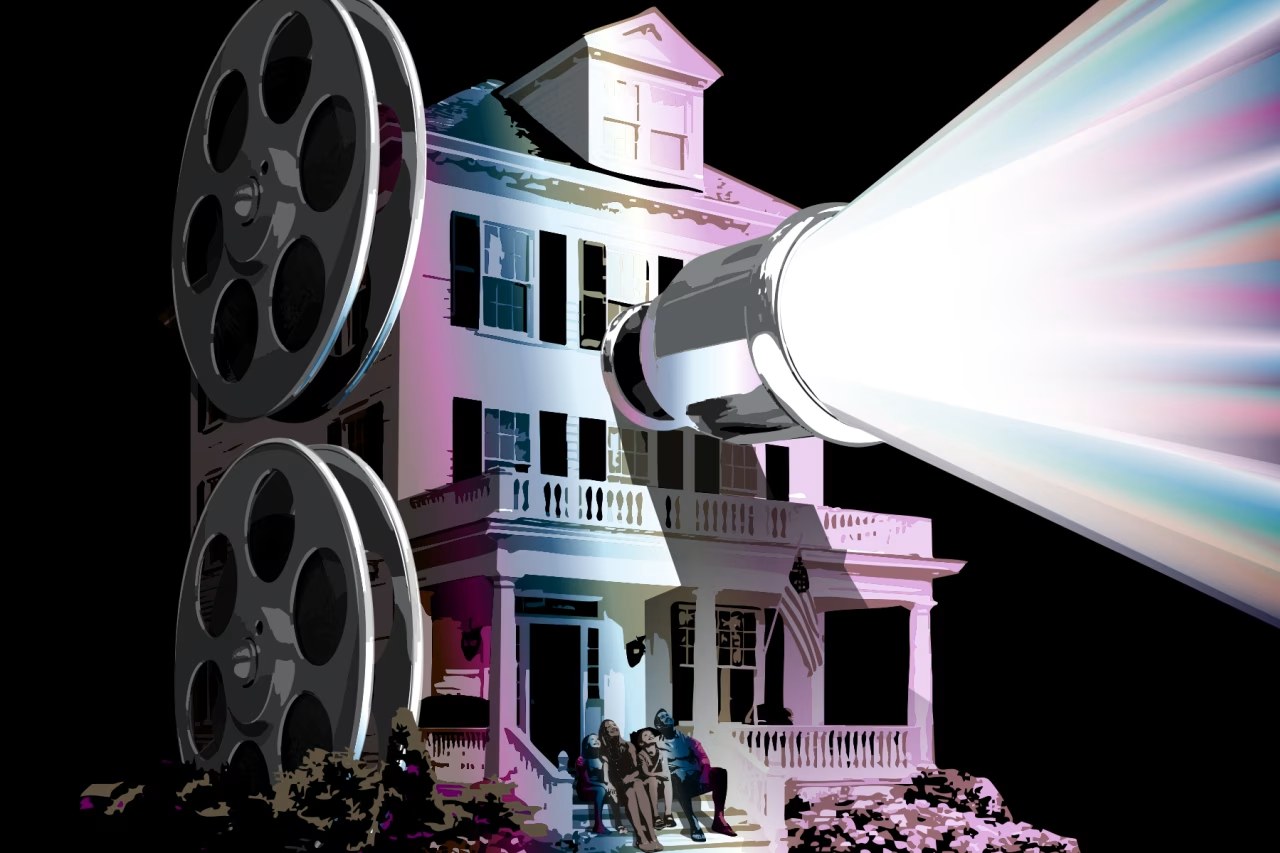
5 Experts Predict AI Will Slash Blockbuster Costs 95% by 2044
- iPod-era gap between home video and studio picture will vanish as neural rendering hits phones.
- Netflix-style streaming bundles will fracture into 50+ micro-platforms, then re-bundle via AI concierges.
- Movie theaters become premium theme-park seats; 70% of U.S. screens close but ticket prices triple.
- Hollywood employment shifts from set carpenters to prompt engineers and synthetic-lighting ethicists.
- Ownership of AI-generated characters triggers new copyright battles rivaling 1990s Napster wars.
The next two decades will erase the line between amateur clip and studio epic—and nobody’s ready.
AI FILMMAKING—Twenty years ago Netflix mailed DVDs, Blockbuster ruled Friday nights and the iPod was the hottest gadget in entertainment. Today streaming algorithms decide what the planet watches before breakfast, cineplexes scramble for liquor licenses and physical media clings to life in boutique thrift stores. The velocity of change is why Wall Street Journal editor Emma Tucker assigned five sector specialists one deceptively simple prompt: name the single biggest disruption coming to your field by 2044. Their unanimous takeaway—cheap, democratized production tools—threatens to collapse the century-old studio monopoly on spectacle.
That forecast carries colossal implications for jobs, intellectual-property law and even foreign policy as America’s most valuable cultural export becomes downloadable, editable and re-uploadable from any teenager’s bedroom. “The gap between what you shoot on a phone and what you see in theaters will essentially disappear,” one anonymous technologist told the Journal, summing up a consensus that Hollywood’s technical moat is living on borrowed time.
From iPods to Neural Cameras: The 20-Year Arc
In 2004 home creators used Mini-DV camcorders costing $1,200; Warner Bros. spent $150 million on Harry Potter sets loaded with 35 mm film and server-farm render queues. That 12,500-to-1 budget gap produced the visual chasm audiences accepted as the natural order. Yet each hardware cycle halved the delta: Canon 5D DSLRs (2008) brought shallow depth-of-field to vloggers; iPhone 12 (2020) shot Dolby Vision HDR; today a $499 Insta360 links to cloud AI that removes wires and adds virtual extras in minutes.
Experts interviewed by the Journal predict the endpoint: by 2044 a $200 neural camera the size of a postage stamp will capture photoreal volumetric data while on-device large-language-models block out scenes, auto-compose music and negotiate licensing for background trademarks. “The only irreplaceable asset will be human storytelling taste,” says USC Entertainment Technology Center director Erik Weaver—echoing a consensus that craft, not cash, will separate hits from failures.
Why the last moat—money—finally disappears
Visual-effects supervisor Lina Zubova notes that 90% of 2023 Marvel budgets still paid for artist hours, not silicon. Cloud-based generative rendering, she argues, collapses that line item the way MP3s vaporized CD-pressing plants. Expect a $200 million studio picture to become reproducible for under $10 million by 2034, then for $500,000 a decade later—erasing the capital barrier that protected incumbents since Charlie Chaplin founded United Artists in 1919.
AI Actors and the Death of Extras
Central casting dispatched 50,000 background performers daily before the pandemic; by 2044 that number could be near zero. Synthesis AI already sells photoreal digital humans for $99 per clip, and Disney’s FaceSwap model can age Robert Downey Jr. 30 years without prosthetics. The Journal’s experts predict Actors’ Equity will negotiate a residual system where a scanned likeness earns micro-payments every time an AI replica appears—mirroring how musicians collect streaming cents.
Yet the real earthquake is synthetic leads. “Imagine a rom-com where the male lead is algorithmically tailored to each viewer’s taste—facial structure, accent, even comedic timing,” says UC Berkeley AI ethicist Dr. Vicki Tan. Studios could localize one film into 4,000 personalized versions, destroying the notion of a canonical performance. The upside: actors license, rather than labor. The downside: a new revenue pyramid where top-tier stars monetize their scans while day-players vanish.
Consent in the age of eternal performance
James Earl Jones signed off on an AI recreation of Darth Vader’s voice at age 91, but 23-year-old actors now face contracts demanding perpetual rights to their digital DNA. California’s 2028 “digital replica” law offers post-mortem protection, yet federal pre-emption talks loom. Expect a Supreme Court case by 2032 testing whether an AI performance is a “transformative work” under fair use—an outcome that could redefine personhood itself.
Will Theaters Survive the Living-Room Takeover?
The U.S. had 40,000 screens in 2000; the Journal’s panel expects 12,000 by 2044. Yet the survivors charge $75 per ticket, offering haptic seats, scent blasts and on-stage hologram Q&As with AI versions of 1930s stars. The model parallels Broadway: fewer venues, higher margins, tourist-centric. Studios will release tent-poles “day-and-date” everywhere, but charge algorithmic pricing—$7 to watch at home, $75 for the multi-sensory cinema ritual.
Imax CEO Richard Gelfond tells the Journal that “location-based entertainment” will merge movies with theme-park engineering: a Marvel film might include a five-minute free-fall drop inside the auditorium, possible only in purpose-built domes. Expect popcorn to be replaced by $40 “narrative meals” served on conveyor belts timed to plot beats. Theaters become niche cathedrals while wall-sized OLEDs and AR contact lenses handle routine viewing.
The economics of scarcity
With physical production costs plummeting, the scarce resource is attention. Cineworld’s bankruptcy shows mid-tier chains cannot compete; only premium venues offering Instagrammable spectacle justify leaving the sofa. Real-estate analytics firm Green Street forecasts cinema square footage will shrink 70% by 2040, but revenue per venue rises 250% as operators sell $300 “director’s suite” pods.
Streaming Unbundled: From 300 Channels to 50,000 Apps
Cable once bundled 300 channels; we now juggle eight streaming apps. The Journal’s experts predict fragmentation will metastasize into 50,000 micro-services—each devoted to a single creator, genre or fandom—before AI curators re-bundle them into personalized “meta-networks.” Think Spotify playlists for video: you pay one $30 monthly fee, an algorithm subscribes and cancels niche apps on your behalf, maximizing watch-time per dollar.
Media-asset valuation will invert; libraries become less valuable because cloud production lets new entrants flood the market. “The next Disney might be a 19-year-old in Lagos who owns zero IP but prompts a million stories a minute,” says MIT media economist David Jenkin. Regulation will follow: the EU’s 2033 Digital Services Act requires algorithms to disclose why they push specific content, spawning third-party “recommendation auditors.”
Netflix’s counter-intuitive strategy
Despite the Balkanization, Netflix is investing in proprietary stages (e.g., Madrid’s 240,000-sq-ft footprint) because owning scarce physical space becomes a defensive moat when anyone can fake a blockbuster on a laptop. Expect hybrid bundles: Netflix licenses its stages to outside creators, then automatically distributes the finished product on its own platform—vertical integration 3.0.
Who Owns a Story When AI Remixes It Overnight?
Current U.S. law requires “human authorship” for copyright, but the Copyright Office already fields 1,000 AI-related applications weekly. The Journal’s legal analyst expects a Supreme Court ruling by 2031 clarifying whether prompt writers—or the model trainers—own the output. Until then, media companies quietly register AI-assisted works under staff pseudonyms, creating a hidden litigation minefield.
Blockchain-based “story ledgers” may solve provenance: every time an AI samples a character, a smart contract pays nano-royalties. Disney tested such a system on its 2028 animated series Stellar Chronicles, logging 2.3 billion micro-transactions and $4 million in automatic payouts to 14,000 fan creators whose DeviantArt posts trained the model. If adopted industry-wide, the middle-class creator economy could flourish even as blockbuster economics implode.
The Napster parallel
Record labels survived file-sharing by pivoting to live tours; Hollywood lacks that luxury because digital clones can reproduce liveness. Expect a 2035 bipartisan bill creating a compulsory AI sampling license—similar to mechanical royalties—setting a statutory rate any algorithm can pay to remix an actor’s face, song or storyline without consent, breaking the studio star system forever.
Frequently Asked Questions
Q: Will movie theaters still exist in 2044?
Specialty cinemas will survive as premium social venues—think 4-D motion seats, scent diffusers and live holographic Q&As—while everyday viewing shifts to wall-sized home LED panels and lightweight AR glasses.
Q: How will AI change filmmaking jobs?
Routine roles such as rotoscoping, match-moving and extras casting will be automated, but new jobs—prompt supervisors, synthetic-lighting artists, narrative-AI ethicists—will emerge, pushing crews to master machine-curated creativity.
Q: Can indie creators really rival studio budgets?
Yes. Cloud-based neural rendering, volumetric capture from phones and subscription VFX libraries already cut costs 90%. By 2044 a teenager’s bedroom will match today’s $50 million stage, forcing studios to compete on IP, not pixels.
