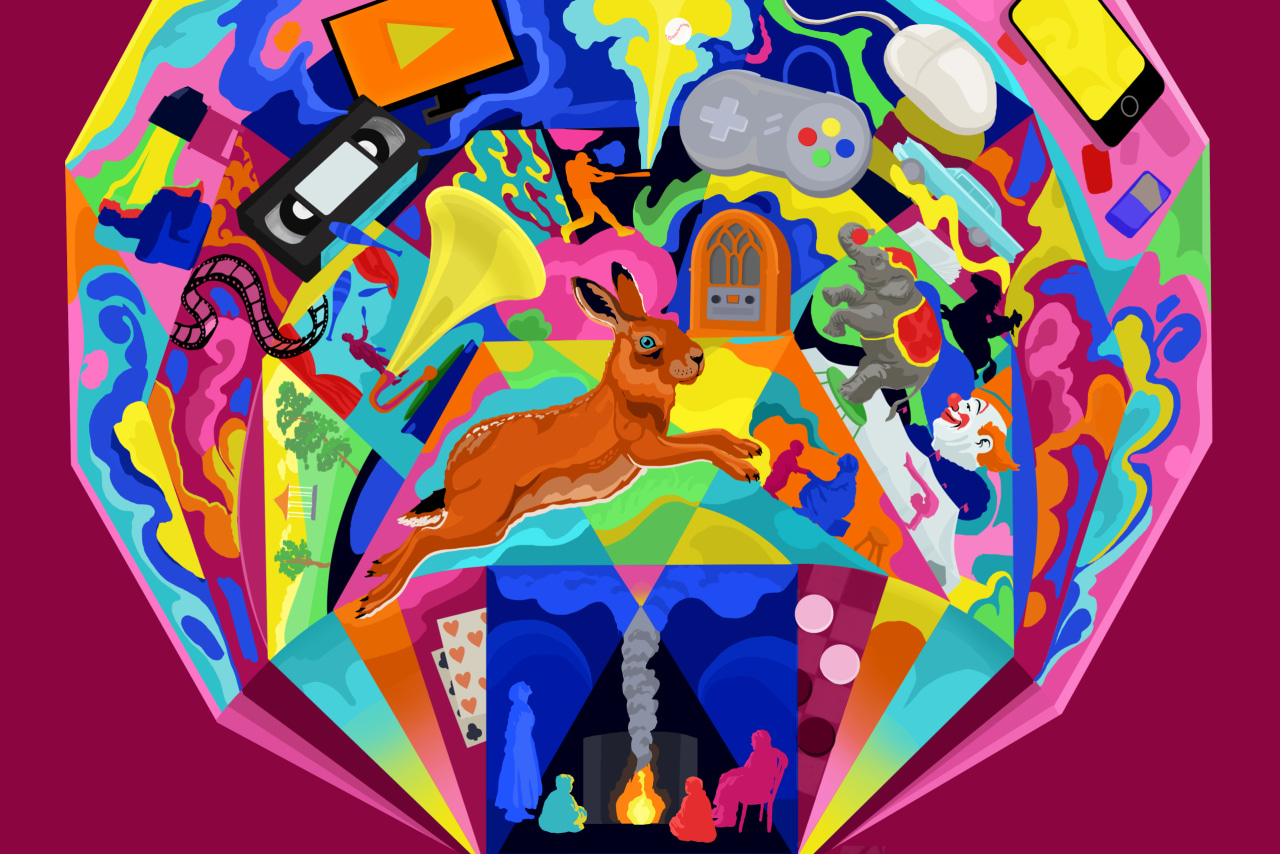
The Transformation of American Entertainment
- The way Americans spend their leisure time has undergone significant changes throughout history
- From traditional folk songs like ‘Yankee Doodle’ to modern streaming services like Netflix and Disney+
- This shift reflects broader societal trends and technological advancements
The Impact of Changing Leisure Time on American Society
[“Understanding how Americans spend their leisure time provides insights into the country’s cultural, social, and economic evolution”, ‘The transformation of entertainment options reflects and influences societal values, technological innovation, and economic development’, ‘By examining the history and impact of leisure time activities, we can better comprehend the complexities of American society and anticipate future trends’]
The Evolution of American Entertainment
Americans have always found ways to entertain themselves, from singing traditional folk songs like ‘Yankee Doodle’ to streaming the latest movies and TV shows on services like Netflix and Disney+
This shift in leisure time activities reflects broader societal trends, including changes in technology, demographics, and cultural values
For instance, the rise of streaming services has led to a decline in traditional television viewing and a shift towards more personalized, on-demand entertainment
Similarly, the growth of social media has created new opportunities for entertainment, such as influencer culture and online gaming communities
These changes have significant implications for the entertainment industry, as well as for American society as a whole
By examining the evolution of American entertainment, we can gain a deeper understanding of the complex factors that shape our leisure time activities
From the early days of American history to the present, entertainment has played a vital role in shaping American culture and society
Whether it’s through music, film, television, or other forms of entertainment, Americans have always found ways to express themselves and connect with others
A Brief History of American Leisure Time
Americans have a long history of enjoying leisure time activities, from traditional folk songs and dances to modern sports and entertainment
In the 18th and 19th centuries, Americans enjoyed music, theater, and other forms of live entertainment, often in community settings like town halls and taverns
The rise of industrialization and urbanization in the late 19th and early 20th centuries led to the growth of commercial entertainment, including vaudeville, film, and radio
The mid-20th century saw the rise of television, which became a staple of American entertainment and a major influence on popular culture
The latter half of the 20th century also saw the growth of other forms of entertainment, including theme parks, video games, and home video systems
Today, Americans have access to a vast array of entertainment options, from streaming services and social media to live events and interactive experiences
Understanding this history provides context for the current state of American entertainment and helps us anticipate future trends and developments
By examining the historical development of American leisure time activities, we can gain insights into the complex factors that shape our entertainment choices
Technological Advancements and the Future of Entertainment
Technological advancements have played a significant role in shaping the entertainment industry and American leisure time activities
The rise of streaming services, for example, has been driven by advances in digital technology, including high-speed internet, mobile devices, and cloud computing
These technologies have enabled the creation of new entertainment platforms and business models, such as subscription-based services and targeted advertising
At the same time, technological advancements have also raised concerns about the impact of entertainment on society, including issues like screen time, addiction, and social isolation
Furthermore, the growth of social media and online communities has created new opportunities for entertainment, such as influencer culture and online gaming communities
However, these developments also raise questions about the nature of entertainment and leisure time in the digital age, including issues like authenticity, intimacy, and community
By examining the impact of technological advancements on the entertainment industry and American society, we can gain a deeper understanding of the complex factors that shape our leisure time activities
Moreover, understanding the technical and financial aspects of the entertainment industry can help us anticipate future trends and developments
Reactions to the Changing Entertainment Landscape
The changing entertainment landscape has elicited a range of reactions from Americans, from enthusiasm and excitement to concern and criticism
Some have welcomed the growth of streaming services and social media, seeing them as convenient and accessible forms of entertainment
Others have expressed concerns about the impact of these developments on traditional forms of entertainment, such as film and television
Furthermore, the rise of online communities and influencer culture has created new opportunities for social interaction and entertainment, but also raises questions about the nature of intimacy and community in the digital age
The reactions to these changes reflect broader societal trends and values, including issues like technological literacy, cultural diversity, and economic inequality
By examining the reactions to the changing entertainment landscape, we can gain insights into the complex factors that shape American society and culture
Moreover, understanding the social and cultural implications of these developments can help us anticipate future trends and developments in the entertainment industry
Ultimately, the reactions to the changing entertainment landscape reflect the complex and multifaceted nature of American society and culture
The Future of American Entertainment
The future of American entertainment is likely to be shaped by a range of factors, including technological advancements, demographic changes, and shifting cultural values
One possible trend is the continued growth of streaming services and social media, which may lead to further fragmentation and personalization of entertainment options
Another possibility is the resurgence of traditional forms of entertainment, such as film and live theater, which may experience a revival in popularity as Americans seek out unique and immersive experiences
Furthermore, the growth of virtual and augmented reality technologies may create new opportunities for entertainment and leisure time activities, such as interactive experiences and immersive storytelling
Ultimately, the future of American entertainment will depend on a complex interplay of technological, social, and cultural factors, and will likely be shaped by the interactions and choices of Americans themselves
By examining the potential trends and developments in the entertainment industry, we can gain insights into the complex factors that shape American society and culture
Moreover, understanding the future of American entertainment can help us anticipate and prepare for the challenges and opportunities that lie ahead
The future of American entertainment is likely to be marked by continued innovation, experimentation, and creativity, as Americans seek out new and exciting ways to entertain themselves and connect with others
