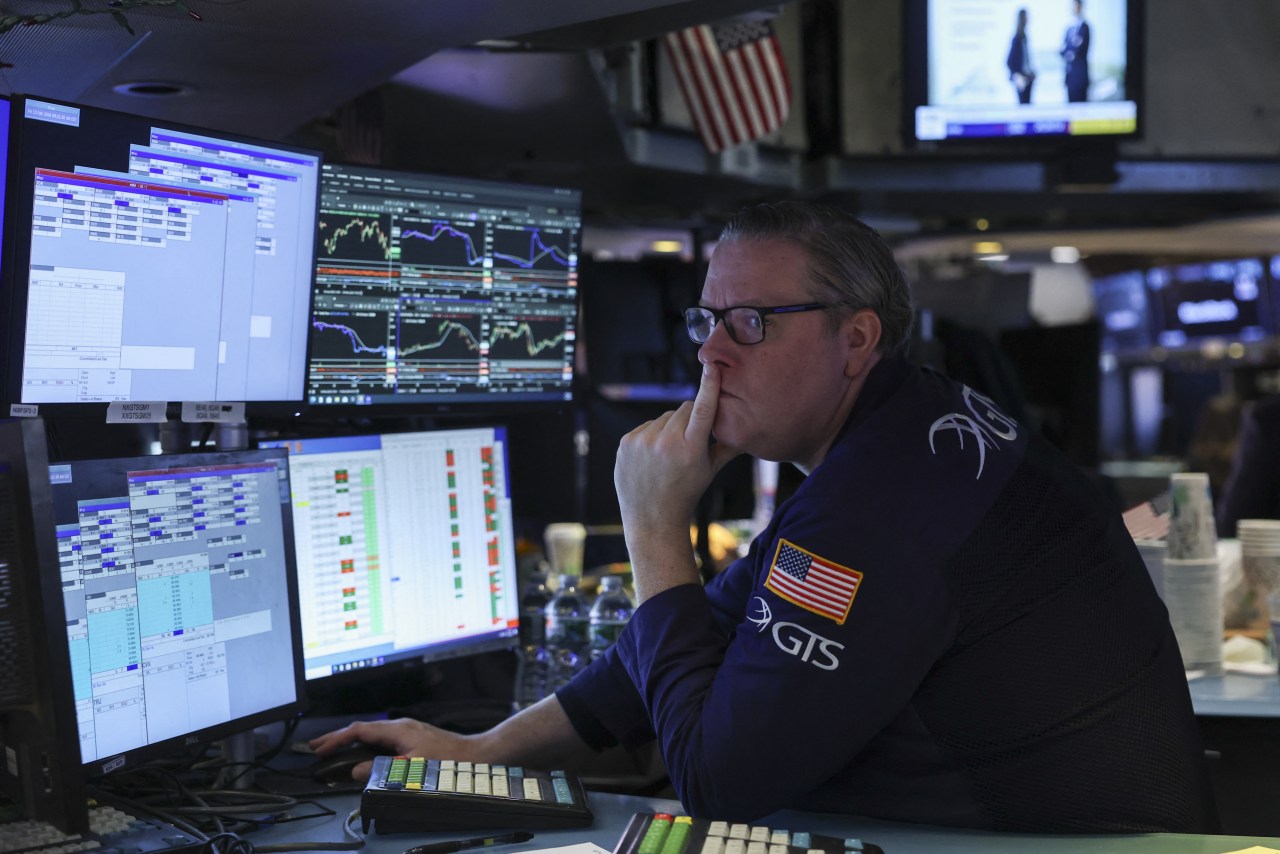
Understanding the Impact of Event Risk on Financial Markets
- Investors are learning to cope with event risk
- Market volatility is on the rise
- New strategies are emerging to mitigate risk
Assessing the Long-Term Effects of Event Risk on Global Markets
The ability of investors to navigate event risk is crucial for the stability of financial markets. As the second Trump administration enters its second year, traders and investors are becoming increasingly accustomed to unexpected news triggering significant market swings. This shift in market dynamics has far-reaching implications for investment strategies, risk management, and the overall health of the economy.
The rise of event risk has led to increased market volatility, making it challenging for investors to predict market trends and make informed decisions. As a result, investors are seeking new strategies to mitigate risk and capitalize on opportunities arising from market fluctuations. The development of these strategies will play a critical role in shaping the future of financial markets and the global economy.
The impact of event risk extends beyond financial markets, influencing business confidence, consumer spending, and economic growth. As investors adapt to this new reality, policymakers and regulators must also respond to ensure that financial markets remain stable and resilient. The interplay between event risk, investor strategies, and regulatory responses will be a key factor in determining the trajectory of the global economy in the coming years.
Furthermore, the prevalence of event risk highlights the importance of staying informed and up-to-date with market developments. Investors must be able to quickly respond to unexpected news and adjust their strategies accordingly. This requires a deep understanding of market dynamics, as well as the ability to analyze complex information and make informed decisions under uncertainty.
In conclusion, the ability of investors to navigate event risk is essential for maintaining the stability and integrity of financial markets. As event risk continues to shape market dynamics, it is crucial for investors, policymakers, and regulators to work together to promote a stable and resilient financial system.
The long-term implications of event risk are far-reaching and complex, with potential consequences for economic growth, financial stability, and social welfare. As investors and policymakers navigate this new landscape, it is essential to prioritize transparency, accountability, and cooperation to ensure that financial markets serve the needs of all stakeholders.
Ultimately, the future of financial markets will depend on the ability of investors and policymakers to adapt to the challenges posed by event risk. By developing effective strategies for mitigating risk and capitalizing on opportunities, investors can help promote a more stable and resilient financial system. This, in turn, will contribute to stronger economic growth, improved financial stability, and enhanced social welfare.
Understanding Event Risk
Event risk refers to the potential for unexpected news or events to trigger significant market swings, resulting in substantial gains or losses for investors. This type of risk is inherent in financial markets, where unexpected developments can quickly alter market sentiment and lead to rapid price movements.
The second Trump administration has been marked by a series of unexpected events, including policy changes, geopolitical tensions, and surprise announcements. These events have contributed to increased market volatility, making it challenging for investors to predict market trends and make informed decisions.
One of the primary challenges posed by event risk is the difficulty in anticipating unexpected events. By definition, these events are unpredictable, making it hard for investors to prepare for their impact. As a result, investors must be able to respond quickly to changing market conditions, adjusting their strategies to mitigate risk and capitalize on opportunities.
The rise of event risk has also led to increased scrutiny of investor strategies and risk management practices. Investors must be able to demonstrate a thorough understanding of market dynamics and the potential impact of unexpected events on their portfolios. This includes developing strategies for mitigating risk, such as diversification, hedging, and stress testing.
Furthermore, the prevalence of event risk highlights the importance of staying informed and up-to-date with market developments. Investors must be able to quickly respond to unexpected news and adjust their strategies accordingly. This requires a deep understanding of market dynamics, as well as the ability to analyze complex information and make informed decisions under uncertainty.
In addition to the challenges posed by event risk, investors must also consider the potential opportunities arising from market fluctuations. By developing effective strategies for navigating event risk, investors can position themselves to capitalize on unexpected market movements and achieve their investment objectives.
History of Event Risk
Event risk is not a new phenomenon in financial markets. Throughout history, unexpected events have triggered significant market swings, resulting in substantial gains or losses for investors. From the stock market crash of 1929 to the global financial crisis of 2008, event risk has played a major role in shaping market dynamics.
However, the current market environment is unique in terms of the frequency and severity of event risk. The rise of social media, the 24-hour news cycle, and the increasing interconnectedness of global markets have all contributed to a more volatile and unpredictable market environment.
Despite these challenges, investors have consistently demonstrated an ability to adapt to changing market conditions. By developing effective strategies for navigating event risk, investors can position themselves to mitigate risk and capitalize on opportunities arising from market fluctuations.
The history of event risk also highlights the importance of regulatory responses to unexpected market developments. Policymakers and regulators must be able to quickly respond to changing market conditions, implementing policies and regulations that promote stability and resilience in financial markets.
In addition to regulatory responses, the history of event risk also underscores the importance of investor education and awareness. Investors must be able to understand the potential impact of unexpected events on their portfolios and develop strategies for mitigating risk and capitalizing on opportunities.
Ultimately, the history of event risk serves as a reminder of the importance of flexibility and adaptability in investment strategies. By staying informed, up-to-date, and responsive to changing market conditions, investors can navigate the challenges posed by event risk and achieve their investment objectives.
The evolution of event risk has also led to the development of new investment products and strategies, such as hedge funds, private equity, and alternative investments. These products and strategies offer investors a range of options for mitigating risk and capitalizing on opportunities arising from market fluctuations.
Technical Analysis of Event Risk
From a technical perspective, event risk can be analyzed using a range of indicators and models. These tools enable investors to identify potential risks and opportunities, develop strategies for mitigating risk, and capitalize on market fluctuations.
One of the primary technical indicators used to analyze event risk is the VIX index, also known as the fear index. This index measures the implied volatility of the S&P 500 and provides a benchmark for investor sentiment and market volatility.
In addition to the VIX index, investors also use a range of other technical indicators, such as moving averages, relative strength index (RSI), and Bollinger Bands. These indicators provide insights into market trends, sentiment, and potential risks, enabling investors to develop effective strategies for navigating event risk.
Furthermore, technical analysis of event risk also involves the use of statistical models and algorithms. These models enable investors to simulate different market scenarios, stress test their portfolios, and develop strategies for mitigating risk and capitalizing on opportunities.
The technical analysis of event risk also highlights the importance of risk management practices, such as diversification, hedging, and stop-loss orders. These practices enable investors to mitigate risk and protect their portfolios from potential losses arising from event risk.
In conclusion, the technical analysis of event risk provides investors with a range of tools and indicators for navigating the challenges posed by unexpected market developments. By using these tools and indicators, investors can develop effective strategies for mitigating risk and capitalizing on opportunities arising from market fluctuations.
The technical analysis of event risk also underscores the importance of ongoing education and training for investors. By staying up-to-date with the latest technical indicators, models, and strategies, investors can enhance their ability to navigate event risk and achieve their investment objectives.
Global Reactions to Event Risk
The reaction to event risk varies across different regions and markets. In some cases, investors may respond quickly to unexpected news, while in other cases, the reaction may be more muted.
One of the primary factors influencing the reaction to event risk is the level of market volatility. In highly volatile markets, investors may be more likely to respond quickly to unexpected news, while in less volatile markets, the reaction may be more gradual.
The reaction to event risk also depends on the nature of the event itself. For example, a surprise interest rate hike may trigger a more significant reaction than a minor policy change. Similarly, a major geopolitical event may have a more pronounced impact on market sentiment than a smaller, regional development.
In addition to these factors, the reaction to event risk also reflects the level of investor confidence and market sentiment. In times of high investor confidence, the reaction to event risk may be more muted, while in times of low confidence, the reaction may be more pronounced.
The global reaction to event risk also underscores the importance of international cooperation and coordination. By working together, policymakers and regulators can promote stability and resilience in financial markets, reducing the potential impact of event risk on investors and the broader economy.
Furthermore, the reaction to event risk highlights the need for effective communication and transparency. Investors must be able to quickly access accurate and reliable information about market developments, enabling them to make informed decisions and adjust their strategies accordingly.
In conclusion, the reaction to event risk is complex and multifaceted, reflecting a range of factors, including market volatility, investor confidence, and the nature of the event itself. By understanding these factors, investors can develop effective strategies for navigating the challenges posed by event risk and achieving their investment objectives.
The Future of Event Risk
The future of event risk is uncertain and highly dependent on a range of factors, including geopolitical developments, economic trends, and technological advancements.
One of the primary factors that will shape the future of event risk is the increasing interconnectedness of global markets. As markets become more integrated, the potential impact of event risk will grow, highlighting the need for effective strategies for mitigating risk and capitalizing on opportunities.
In addition to market interconnectedness, the future of event risk will also be influenced by technological advancements, such as artificial intelligence, blockchain, and the Internet of Things. These technologies will enable investors to access new sources of data, develop more sophisticated models, and respond more quickly to changing market conditions.
The future of event risk will also depend on the ability of policymakers and regulators to promote stability and resilience in financial markets. By implementing effective policies and regulations, policymakers can reduce the potential impact of event risk on investors and the broader economy.
Furthermore, the future of event risk highlights the importance of investor education and awareness. As event risk continues to evolve, investors must be able to stay informed and up-to-date with the latest developments, enabling them to adjust their strategies and achieve their investment objectives.
In conclusion, the future of event risk is complex and multifaceted, reflecting a range of factors, including market interconnectedness, technological advancements, and regulatory responses. By understanding these factors, investors can develop effective strategies for navigating the challenges posed by event risk and achieving their investment objectives.
Ultimately, the future of event risk will depend on the ability of investors, policymakers, and regulators to work together to promote a stable and resilient financial system. By prioritizing cooperation, transparency, and accountability, stakeholders can reduce the potential impact of event risk and promote a more stable and prosperous economy for all.
The long-term implications of event risk are far-reaching and complex, with potential consequences for economic growth, financial stability, and social welfare. As investors and policymakers navigate this new landscape, it is essential to prioritize transparency, accountability, and cooperation to ensure that financial markets serve the needs of all stakeholders.
