Trump Cuts H-2A Visa Costs 60% to Add 100,000 Migrant Farmhands
- The White House will drop employer H-2A petition fees from $1,753 to $695 per worker.
- USDA estimates 100,000 additional foreign workers could enter U.S. farms this year.
- California growers left $1.2 billion of produce unharvested in 2025 amid labor gaps.
- Electronic contracts and waived interviews aim to cut approval time from 75 to 35 days.
Making foreign farm labor cheaper becomes the administration’s fastest tool against crop losses.
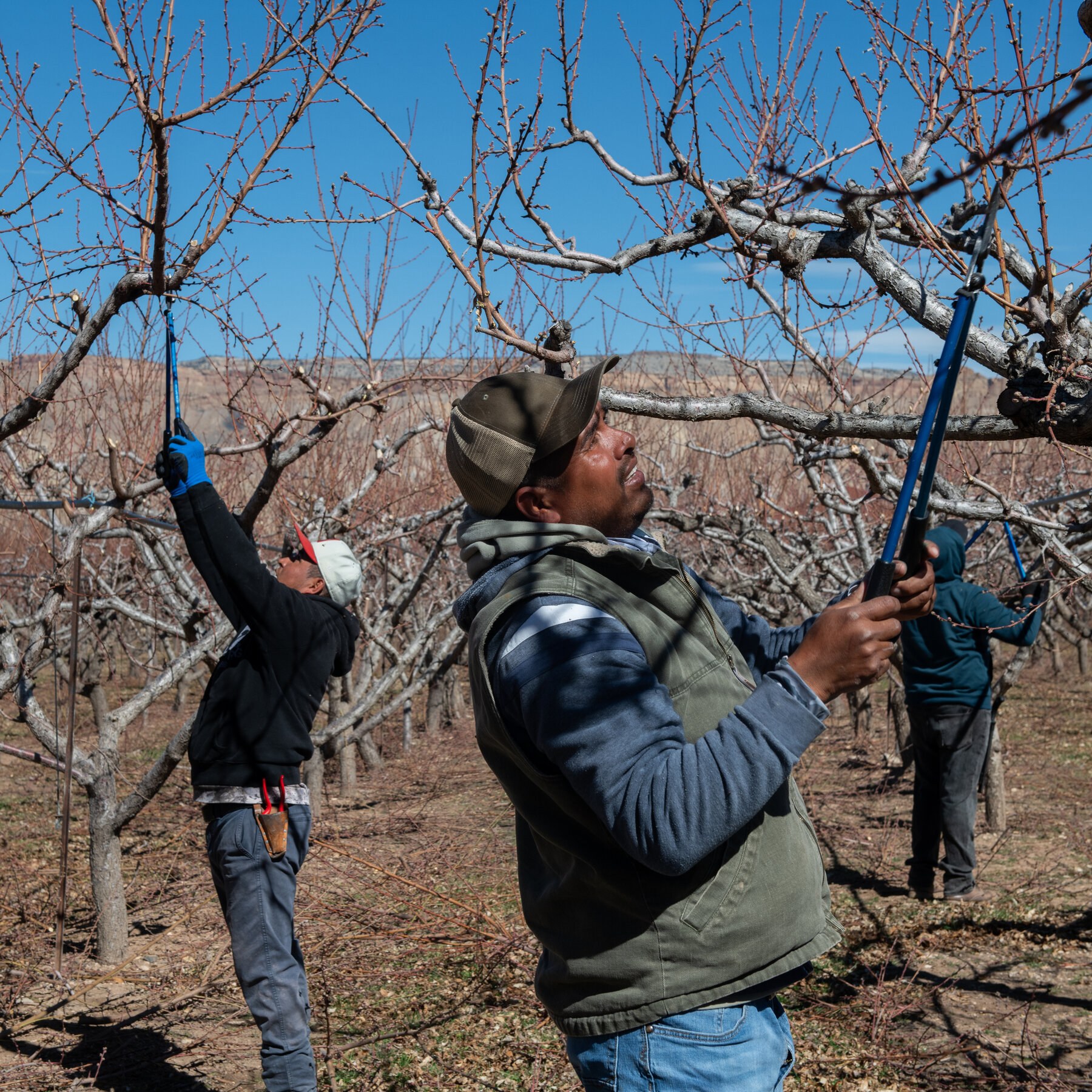
H-2A VISA—WASHINGTON—Faced with rotting strawberries in Watsonville and unharvested lettuce in Imperial Valley, the Trump administration is quietly dismantling its own immigration chokehold on agriculture. A new rule published in the Federal Register slashes the cost for growers to hire migrant workers through the H-2A visa program, a reversal that could bring 100,000 additional laborers onto U.S. farms this season.
The move marks a pragmatic pivot for a president who campaigned on mass deportations. Department of Homeland Security data show H-2A admissions already hit a record 378,000 in 2025, yet per-worker expenses and processing delays deterred smaller growers. By cutting fees 60 percent and allowing electronic contracts, the administration bets that cheaper foreign labor will keep grocery prices stable without softening broader enforcement rhetoric.
“We’re prioritizing American food production,” a senior USDA official told reporters, requesting anonymity because the policy shift clashes with the White House’s public hard-line stance. The agency projects the changes could save growers $1,400 per worker—money that can be redirected toward wages, housing upgrades, or mechanical harvesters still in prototype phase.
How Immigration Enforcement Created a $3.1 Billion Harvest Gap
Between 2024 and 2025, intensified workplace raids and stalled legislative talks on agricultural immigration reform shrank the unauthorized farm workforce by an estimated 11 percent, according to California Polytechnic State University researchers. The result: $3.1 billion in lost produce, with strawberries, Romaine lettuce, and wine grapes hit hardest.
Dr. Philip Martin, emeritus professor at UC Davis, explains that specialty crops require precise handpicking. “A machine can’t yet replicate the eye-hand coordination needed to clip a ripe strawberry without bruising petals,” he notes. Each missing worker equates to roughly $155,000 in lost revenue across the supply chain—farmers, coolers, truckers, and processors.
Georgia blueberry grower Johnny Gunter testified before the House Agriculture Committee that he had to abandon 20 percent of his 1,200-acre crop last June when only 670 of the 900 pickers he needed showed up. “We advertised at $17.50 an hour, offered free transport, still no takers,” Gunter said. Stories like his pushed the administration to recalibrate rather than double down.
State-by-state fallout
Washington’s tree-fruit industry projects a 23 percent worker deficit for the 2026 harvest, up from 14 percent two years earlier. Florida’s tomato growers lost $68 million in spring 2025 when crews were 30 percent short. Even dairy—exempt from H-2A because jobs are year-round—feels the squeeze; Idaho farmers increased wages 9 percent yet still post 600 unfilled milking positions.
The White House hopes cheaper H-2A access will offset these gaps without reopening the broader immigration debate before the midterms. Whether 100,000 extra visas can fill a 300,000-worker national deficit remains uncertain, but officials argue it is the fastest lever available without congressional action.
Inside the New Rules: $1,058 Savings Per Worker
Effective April 1, the Department of Homeland Security reduces the base H-2A petition fee from $1,053 to $400 and eliminates a $700 fraud-prevention surcharge for returning workers. Farms will also save roughly $258 per head by filing forms online instead of mailing paper bundles via certified mail.
For a 200-acre table-grape vineyard in Kern County hiring 65 pickers, the math is stark: last year’s upfront immigration bill totaled $113,945; this year it drops to $45,175. That $68,770 difference equals the cost of a new mechanical harvest platform or a 6 percent across-the-board wage bump intended to attract domestic applicants.
Secretary of Agriculture Brooke Rollins frames the cuts as emergency relief. “We are not importing cheap labor; we are importing essential labor at a cost that keeps American farms competitive with Mexican and Chilean imports,” she told reporters. The rule also caps housing-inspection fees at $100 per facility, down from an average $260, and allows growers to use existing farm-labor housing inspected within the prior three years rather than requiring new site visits.
Speeding approvals
Perhaps more important than money is time. The U.S. Citizenship and Immigration Services pledges to process 80 percent of H-2A applications within 35 days, down from the current 75-day average. Electronic signature and contracts will eliminate courier delays that often push start dates past peak harvest. Mexico’s National Employment Service has agreed to expedite exit visas within 48 hours for workers with prior U.S. farm experience, shaving another week off timelines.
Still, labor advocates warn rapid processing could erode oversight. “We’ve seen wage theft cases where workers arrived indebted to recruiters before picking a single berry,” says Bruce Goldstein, president of Farmworker Justice. The agency counters that it will maintain random onsite audits and require employers to post digital work contracts accessible to workers on smartphones.
Which Growers Gain the Most—and Who Risks Being Left Out?
Large specialty-crop operations already dominate H-2A. The five biggest apple packers in Washington’s Yakima Valley requested 11,800 positions last year—8 percent of the national total. Fee reductions disproportionately benefit these volume players, who can reinvest savings into optical-graders and controlled-atmosphere storage, further widening the gap with mom-and-pop farms.
Yet the rule also contains sweeteners for small employers. Farms hiring fewer than 10 workers may file a single blanket petition rather than individual forms, cutting legal costs roughly in half. The USDA is partnering with land-grant universities to host free webinars on compliance, and the Farm Service Agency will underwrite 50 percent of housing-rehabilitation expenses up to $25,000 per grower.
“We want to avoid a situation where only corporate farms can afford legal counsel,” said Rick Torres, administrator of the USDA Office of Partnerships. Still, critics note that H-2A requires upfront capital for housing, transport, and recruitment—barriers that keep many small vegetable growers out. Of the 11,300 U.S. farms that requested H-2A workers in 2025, 62 percent hired fewer than 20 people, yet they generated only 9 percent of total H-2A labor hours.
Seasonal timing
Strawberry growers in Oxnard, California, need labor from February to June; Maine’s blueberry harvest starts in late July. Coordinating staggered demand with a single visa pool challenges federal timelines. Industry groups are lobbying for a pilot multi-employer program that would let workers transfer legally between affiliated farms, extending their stay up to 11 months while reducing round-trip airfare. The current rule does not embrace that concept, but officials say a supplemental proposal is under review.
Could Mechanical Harvesters Replace the Need for Migrant Labor?
Robotic strawberry pickers cost about $750,000 per unit and can work 20 hours a day, but they still miss 8 percent of ripe fruit, according to tests by Dr. Stavros Vougioukas at the University of California, Davis. At current berry prices, that loss equals $0.32 per tray—enough to make hand-picking competitive when labor is available.
The new H-2A savings alter that equation. Lower visa costs extend the financial runway for growers who want to trial machines rather than recruit offshore. “We’re seeing joint ventures where four growers co-own a robot and stagger usage windows,” notes Karen Lewis, a mechanization specialist at Washington State University. She expects adoption to double to 14 percent of U.S. strawberry acreage by 2028, up from 7 percent today.
Yet automation works best on flat, uniform fields—conditions scarce in Appalachia apple orchards or California’s coastal valleys. Engineers are still refining gentle grippers that leave no fingerprint bruises, a quality premium demanded by retailers. Meanwhile, tree-fruit producers worry that relying on foreign hands delays innovation. “Every time we get cheap labor, we push back the urgency to automate,” says Jim Baird, a Michigan apple grower who spent $1.2 million on a harvest-assist platform that reduces headcount by 30 percent but still needs humans for the final clip.
Policy trade-offs
The administration frames fee cuts as a bridge technology: keep produce profitable today while robotics mature tomorrow. Critics counter that sustained access to low-cost migrant labor could undercut private-sector R&D funding. A 2025 USDA survey found growers who used H-2A invested 19 percent less capital in automation over five years compared with those relying on domestic or mechanical labor. Whether the 2026 rule accelerates or delays full autonomy remains an open question that will shape immigration debates well beyond this harvest cycle.
What Happens Next: Political Headwinds and Global Competition
House Republicans from districts with large dairy operations—ineligible for H-2A because jobs are not seasonal—are lobbying to expand the program to year-round agricultural work. A bipartisan bill introduced by Rep. Elise Stefanik (R-NY) would create a 60,000-visa pilot for dairies and hog barns, but hard-line immigration groups oppose any expansion beyond temporary status, complicating prospects in a closely divided chamber.
On the global front, Mexico raised its daily minimum wage 20 percent in January 2026 to 248 pesos ($14.30), narrowing the wage gap that historically lured workers north. Berry grower Driscoll’s is expanding greenhouse production in Jalisco, where proximity to U.S. markets and lower transport costs offset higher wages. If American growers cannot match net income after visa fees, some laborers may simply stay home.
China’s investment in Peruvian asparagus and Chilean cherry production also threatens U.S. market share. USDA economist Carolyn Chelius notes that every 10 percent increase in import penetration costs domestic growers roughly 17,000 jobs. Streamlined H-2A access aims to preserve acreage, but cheaper foreign produce could still undercut shelf prices, pressuring farm incomes even with a full workforce.
Looking ahead
The administration’s next decision point arrives in October, when the H-2A visa cap for fiscal 2027 must be set. If early-season harvests run smoothly and wage inflation remains muted, officials may feel emboldened to make the fee cuts permanent. Conversely, any high-profile labor-trafficking case could galvanize restrictionists and roll back the gains. For now, growers are racing to file applications before political winds shift again, betting that cheaper, faster migrant labor is the surest way to keep America’s fields picked and its grocery aisles stocked.
Frequently Asked Questions
Q: What is the H-2A visa program?
The H-2A visa allows U.S. growers to hire foreign nationals for seasonal farm jobs after proving domestic labor shortages. Workers stay up to 10 months, and employers must provide housing and pay an adverse-effect wage rate set by the Department of Labor.
Q: How is the Trump administration changing H-2A rules?
The administration is cutting employer application fees by 60 percent, waiving in-person interviews for returning workers, and allowing electronic contracts. USDA projects these steps could add 100,000 H-2A workers this year, easing harvest losses estimated at $3.1 billion in 2025.
Q: Which crops are most affected by labor shortages?
Labor-intensive produce—strawberries, lettuce, apples, and table grapes—face the sharpest gaps. California, Washington, and Georgia report 20-25 percent worker deficits, forcing growers to leave fields unharvested or switch to less labor-heavy commodities such as almonds or corn.
