Trump Waives Russia Oil Sanctions for 90 Days, Citing Iran Threat
- Treasury order suspends penalties on Rosneft, Gazprom Neft and Sovcomflot for 90 days.
- Move allows U.S. banks and insurers to process Russian crude shipments to Asia.
- Secretary Bessent concedes waiver is ‘unfortunate’ but calls it a short-term necessity.
- Rystad Energy sees Moscow gaining $1.4 bn monthly while global prices stay flat.
The geopolitical trade-off: cheaper gasoline versus emboldening Putin.
TRUMP RUSSIA SANCTIONS—President Donald Trump signed a directive late Tuesday that removes U.S. sanctions on key Russian oil exporters, arguing that the threat of an Iranian supply disruption leaves Washington little choice but to keep Russian barrels moving through global markets.
The decision, published in the Federal Register within hours of a closed-door National Security Council meeting, marks the most significant rollback of Russia-related penalties since the 2022 invasion of Ukraine and opens the door for American banks, insurers and shipping agents to resume business with state-controlled giants Rosneft and Gazprom Neft.
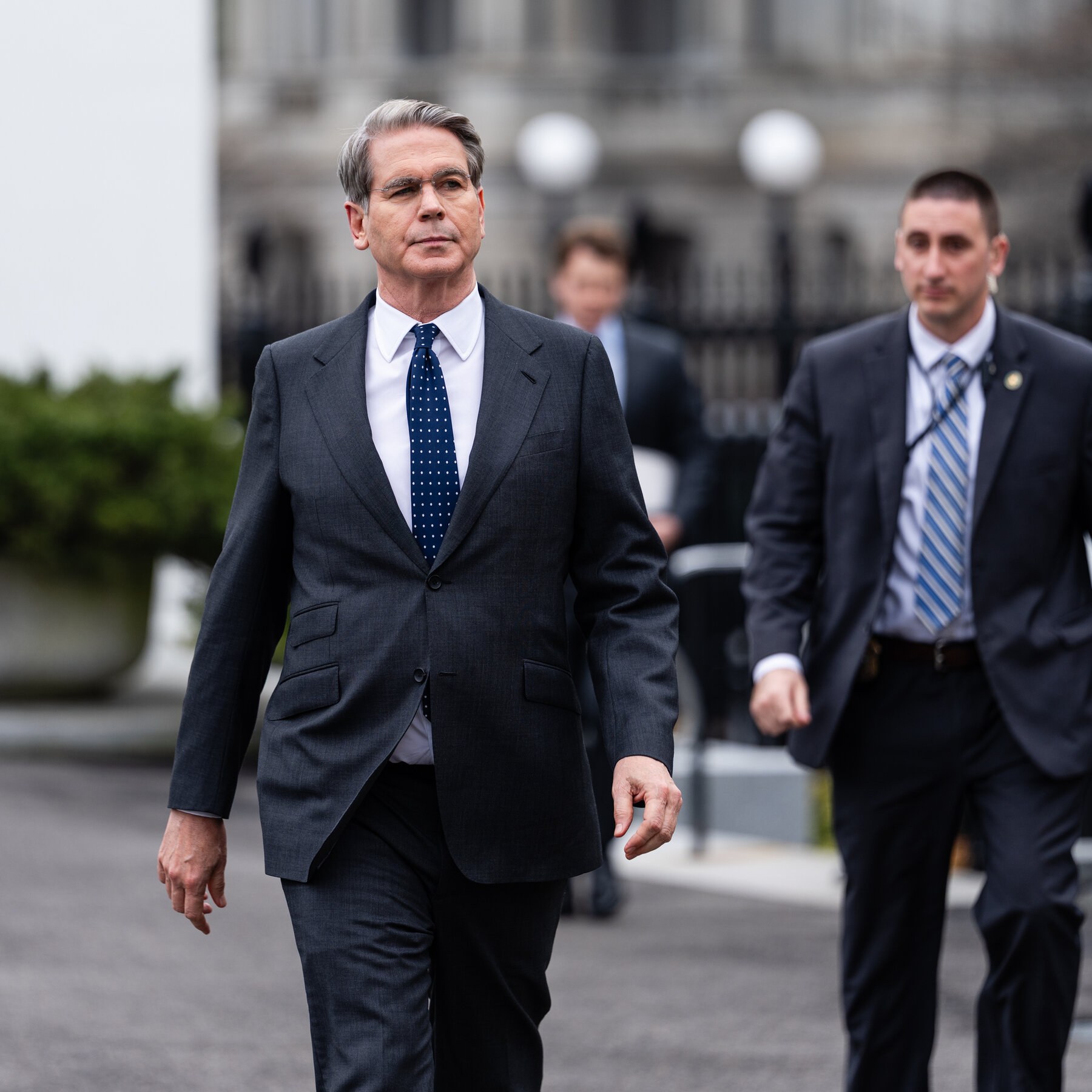
Treasury Secretary Scott Bessent, pressed by senators at a morning briefing, acknowledged the optics are ‘unfortunate’ but insisted the relief is ‘temporary, targeted and reversible,’ tied exclusively to market-stabilisation goals as U.S.-Iran tensions escalate in the Persian Gulf.
What the New Treasury Rule Actually Changes
The 19-page licence issued by the Office of Foreign Assets Control (OFAC) creates a broad exemption from the 2022 Executive Order 14024 that had banned U.S. persons from transacting with Russia’s energy majors. It specifically names Rosneft, Gazprom Neft, Sovcomflot and seven smaller subsidiaries, suspending for 90 days all asset-blocking measures and prohibitions on ‘substantial transactions’ involving their oil sales.
American banks may now clear dollar payments for cargoes loaded after 12 March 2026, provided the crude is destined for third countries rather than the United States. Insurers headquartered in New York or Houston can underwrite tanker voyages, and U.S. technology firms may service software on Russian loading terminals without fear of fines that had reached $1.1 million per violation.
Energy economists at ClearView Energy Partners calculate the waiver frees roughly 1.3 million barrels per day of Russian exports that had been ‘logistically stranded’ because traders could not obtain dollar liquidity or hull insurance. The extra volume is equal to Italy’s entire daily consumption, enough to replace about 60 per cent of the barrels at risk if Iran attempts to close the Strait of Hormuz.
Legal fine print: no imports into the U.S.
Despite the sweeping language, the licence maintains a hard ban on Russian crude entering American refineries. Customs and Border Protection officers at Louisiana and Texas ports have been instructed to continue seizing any cargoes of Russian origin, a distinction that lawmakers from both parties demanded as a condition for not immediately challenging the order in court.
Former OFAC counsel John Smith, now at Gibson Dunn, says the carve-out illustrates the administration’s balancing act: ‘They want Russian barrels on the water, not on U.S. shores, so the licence is written with geographic and temporal guardrails to keep domestic politics manageable.’
Those guardrails include a 90-day sunset clause and a requirement that any American company taking advantage of the waiver must file weekly disclosures to Treasury listing volumes, counterparties and price differentials. The data will feed an internal dashboard that allows Secretary Bessent to revoke the licence ‘within 24 hours’ if Russia escalates military action in Ukraine or interferes with humanitarian grain corridors.
Why Iran Tensions Triggered the Policy Shift
The waiver did not emerge in a vacuum. Over the preceding ten days, Iran’s Revolutionary Guards seized two commercial tankers transiting the Strait of Hormuz and fired a missile salvo that landed within 300 metres of the Bahamian-flagged vessel Advantage Sweet, chartered by Chevron. Roughly 21 per cent of globally traded crude passes through the 21-mile-wide waterway, and intelligence analysts warned that Tehran could attempt a partial blockade if U.S. or Israeli forces strike Iranian nuclear sites.
Energy markets reacted violently. Brent crude futures jumped from $71 to $88 per barrel in three sessions, adding about 35 cents to the average U.S. retail price of gasoline just as the summer driving season approaches. Trump, who has repeatedly linked pump prices to approval ratings, convened the NSC at 9 p.m. Monday, according to two officials present.
‘The president’s directive was crystal clear,’ one senior aide told reporters: ‘Find extra barrels that aren’t Iranian and aren’t under OPEC quota discipline.’ With U.S. shale growth flattening—weekly rig counts are down 12 per cent year-on-year—and Saudi Arabia showing no willingness to break its self-imposed production ceiling, Russian crude became the logical release valve.
Historical precedent: the 2019 Sakhalin waiver
This is not the first time Washington has relaxed Russia sanctions for energy-market reasons. In September 2019, the Trump administration quietly extended a licence allowing ExxonMobil to continue drilling at Sakhalin-1 even after broader sanctions targeted Rosneft over Venezuela. The move added 200,000 barrels per day to global supply and helped cap oil prices after the Abqaiq attack in Saudi Arabia.
‘The playbook is familiar,’ says Helima Croft, head of global commodity strategy at RBC Capital Markets. ‘When geopolitical risk threatens physical supply, Washington prioritises price stability over punitive measures, then reverses course once the market rebalances.’
Yet the scale of the current waiver is far larger. The 2019 exemption covered one project; the 2026 order covers roughly 40 per cent of Russia’s total export capacity. That breadth has triggered fierce criticism from Kiev, where Foreign Minister Dmytro Kuleba called it ‘a direct subsidy to the Russian war machine’ worth an estimated $4.2 billion over three months.
How Much Revenue Does Russia Gain—and Does It Matter?
Russian budget documents show that every dollar of Brent price above $60 yields roughly $900 million in extra monthly tax receipts. With Urals crude trading at a $15 discount to Brent, the waiver allows Russian exporters to capture an estimated $1.4 billion per month in additional hard-currency earnings, according to Oslo-based consultancy Rystad Energy.
That windfall equals the cost of procuring roughly 120 Iskander ballistic missiles or financing three months of ammunition supplies for the Ukraine front, according to open-source estimates compiled by the Royal United Services Institute. In other words, the sanctions pause directly funds the military capabilities Washington is simultaneously trying to degrade through export controls on micro-electronics.
Yet the strategic picture is more nuanced. Russia’s production capacity is declining at an average rate of 300,000 barrels per day each year because Western service companies such as Schlumberger and Halliburton have exited, cutting off advanced drilling fluids and horizontal-well expertise. Without continuous technology transfers, the Kremlin’s medium-term output trajectory points downward, limiting how much it can monetise the waiver beyond the 90-day window.
Exchange-rate cushion for the ruble
Immediately after the Treasury announcement, the ruble strengthened 2.3 per cent against the dollar, its biggest one-day gain since January. Russian exporters typically convert 80 per cent of their oil proceeds into roubles to meet domestic tax obligations, so higher crude flows translate directly into currency support. A stronger ruble reduces inflationary pressure on imported goods, helping the Central Bank of Russia keep its benchmark rate at 19 per cent instead of hiking further.
‘The sanctions relief is psychological as much as financial,’ says Elina Ribakova, a senior fellow at the Peterson Institute for International Economics. ‘It signals that the U.S. is not prepared to choke off all Russian revenue, which weakens deterrence and complicates coalition management with Europe.’
Still, some analysts argue the revenue boost is transient. Moscow must still offer steep price discounts to India and China, its main remaining customers, because most OECD insurers and shippers remain leery of long-term contracts even with the U.S. waiver. Discounts have widened from $12 to $18 per barrel since mid-February, eroding roughly half the nominal price gain.
Congressional Pushback and Legal Challenges Ahead
Within minutes of the Treasury announcement, a bipartisan group of senators introduced the ‘Defending Ukraine Sovereignty Act of 2026,’ which would codify existing Russia energy sanctions and strip the president of unilateral waiver authority. Lead sponsor Senator Bob Menendez (D-NJ) called the administration’s move ‘a betrayal of Ukraine and a gift to Putin,’ while co-sponsor Senator Bill Cassidy (R-LA) argued that ‘every extra dollar for Moscow is a bullet aimed at Kiev.’
The bill faces an uphill battle because any legislation must survive a 60-vote threshold in the Senate and a potential Trump veto. Nonetheless, it signals that future Russia sanctions will be contested terrain on Capitol Hill, especially if Ukrainian forces lose additional territory.
House Foreign Affairs Committee Chair Michael McCaul has requested closed-door testimony from Bessent and national-security adviser Mike Waltz, setting up a likely subpoena fight if the administration resists. Meanwhile, the Ukrainian government is preparing a World Trade Organization complaint arguing that the waiver violates the most-favoured-nation principle by selectively allowing Russian exports while maintaining tariffs on Ukrainian agricultural goods.
Litigation risk for U.S. companies
Even with Treasury cover, American firms face legal uncertainty. The waiver does not shield them from civil suits under the Alien Tort Statute or state-level laws such as California’s Unfair Competition Law, which allows plaintiffs to sue companies that allegedly benefit foreign aggression. Chevron, which resumed chartering Sovcomflot vessels this week, has already received two letters from human-rights groups threatening litigation.
‘Companies are caught between Treasury assurances and the risk of becoming the next defendant in a billion-dollar class action,’ says Gibson Dunn’s John Smith. ‘Most general counsels will demand indemnity clauses or restrict transactions to non-U.S. subsidiaries, diluting the intended market impact.’
That caution may explain why tanker rates for Russian crude have risen only modestly since the waiver, up 7 per cent compared with double-digit spikes when sanctions were first imposed in 2022. Traders are waiting to see whether European insurers follow the U.S. lead or maintain their own prohibitions, creating a bifurcated market that limits price discovery.
Could the Waiver Backfire on Global Energy Security?
Energy historian Daniel Yergin warns that short-term market fixes often create longer-term strategic vulnerabilities. By signalling that Washington will relax penalties when prices spike, the waiver may discourage private investment in alternative supply chains such as new LNG terminals in Qatar or expanded shale drilling in Argentina’s Vaca Muerta basin.
Moreover, the move weakens the G7 price-cap regime that had kept Russian oil flowing but capped Moscow’s revenue at roughly $60 per barrel. With the cap effectively suspended, Asian refiners can now negotiate spot discounts below that level, undercutting the coalition’s stated goal of reducing Russia’s wartime income while maintaining market stability.
OPEC officials, speaking anonymously, privately welcomed the waiver because it reduces pressure on the cartel to raise output, but they also fear it sets a precedent for unilateral Western policy shifts that destabilise long-term planning. Secretary-General Haitham Al-Ghais issued a carefully worded statement urging ‘predictability and adherence to internationally agreed frameworks.’
Climate implications
Environmental groups argue that easing access to Russian crude delays the transition to renewables by keeping fossil-fuel prices artificially low. Lorne Stockman of Oil Change International points out that every 10-cent drop in U.S. gasoline prices increases light-duty vehicle travel by 0.7 per cent, adding an estimated 15 million tonnes of CO₂ annually.
Yet the counter-argument is that abrupt price shocks can trigger political backlash that undermines climate policy altogether. ‘The lesson from the gilets jaunes in France is that voters will tolerate carbon taxes only if they believe alternatives are affordable,’ says Columbia University’s Jason Bordoff. ‘A phased energy transition requires price stability, not volatility.’
The administration’s wager is that 90 days of Russian barrels will buy enough time for diplomatic channels with Tehran to reopen, allowing a return to stricter sanctions without a permanent revenue windfall for Moscow. Whether that bet pays off will depend on events far beyond Washington’s control—from missile exchanges in the Persian Gulf to battlefield dynamics outside Kharkiv.
Frequently Asked Questions
Q: Why did Trump lift sanctions on Russian oil?
The administration wants to prevent an oil-price spike if Iranian exports shrink amid military tensions. Treasury Secretary Scott Bessent said the waiver is temporary and narrowly tailored to stabilise global crude flows.
Q: Which Russian energy firms are affected?
The Treasury order suspends penalties on Rosneft, Gazprom Neft and Sovcomflot for transactions linked to shipping, insurance and refining. U.S. persons may now process payments for Russian crude delivered to third countries without facing fines.
Q: How long will the sanctions relief last?
Official guidance says 90 days, renewable at the president’s discretion. Bessent told lawmakers the pause is ‘measured in months, not years’ and can be revoked immediately if Moscow escalates elsewhere.
Q: Does this help Russia’s war economy?
Yes, short-term. Moscow earns an extra $1.4 bn per month at today’s prices, according to Rystad Energy. Yet analysts note that without Western technology, long-term Russian output will still decline, limiting the strategic benefit.
