150 Supplements a Day: The TikTok‑Fueled Surge in ‘Supplement Stacks’
- Kristin Leite, a 38‑year‑old esthetician, reports taking up to 150 supplement items each week.
- The average U.S. adult consumes three supplement products daily, a 20% rise since 2015.
- FDA data shows 45% of reported supplement adverse events involve high‑dose vitamins.
- Experts warn that megadoses can trigger kidney damage, heart rhythm issues, and nutrient imbalances.
Why a TikTok trend is turning everyday wellness into a high‑stakes experiment
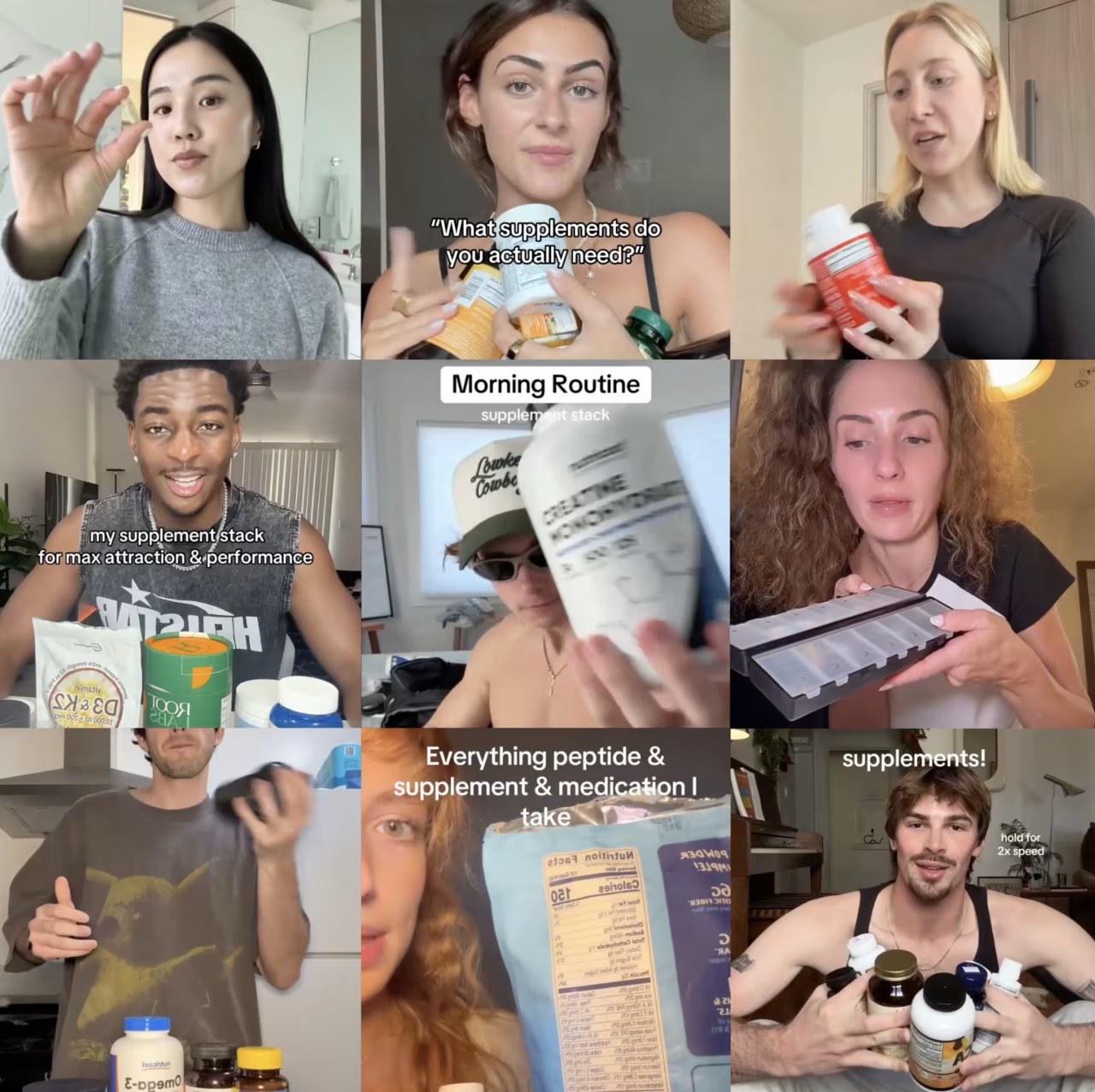
TIKTOK—In the sprawling feed of TikTok wellness videos, a new mantra has taken hold: “stack your supplements.” Influencers like Kristin Leite showcase elaborate daily regimens, counting powders, capsules, and gummies as if assembling a nutritional arsenal.
Leite’s routine—four powders and five capsules in the morning, five more in the afternoon, and six to seven at night—totals roughly 150 items per week. She says the habit helps her “feel balanced,” yet the sheer volume raises red flags among clinicians who see a rise in supplement‑related emergencies.
With the global dietary‑supplement market surpassing $150 billion in 2023, the line between targeted nutrition and over‑consumption blurs. The next chapters unpack the science, the regulatory vacuum, and safer ways to approach supplementation.
The Rise of Supplement Stacking on Social Media
From niche forums to mainstream feeds
In early 2022, TikTok’s #supplementstack hashtag crossed the one‑million‑view threshold, according to analytics firm Sensor Tower. By mid‑2023, the tag had amassed over 12 million views, with creators posting daily “what I take” videos that collectively showcase more than 3 billion supplement impressions.
Kristin Leite, featured in a Wall Street Journal profile, epitomizes the trend. “In the morning, I take four powders and about five capsules,” she tells the reporter, adding that she “pops around five more in the afternoon, and at night she swallows six or seven capsules.” Her routine mirrors that of other influencers, such as @WellnessWarrior, who claims to consume 20 different products before bedtime.
The demographic driving this surge is strikingly young. A 2023 Pew Research survey found that 68% of TikTok users aged 18‑34 follow at least one health‑oriented creator, and 42% have tried a supplement recommended in a video. This aligns with a 2022 Nielsen report noting a 15% increase in supplement purchases among Gen Z compared with 2019.
Nutrition researcher Dr. Michael Greger, MD, cautions that “most people get enough vitamins from a balanced diet, and megadoses can be harmful.” His comment, made in a NutritionFacts.org interview on March 15 2023, underscores a growing disconnect between online hype and evidence‑based guidance.
Case in point: a 45‑year‑old accountant from Ohio began a self‑prescribed stack after watching a TikTok video, later developing hypercalcemia and kidney stones. His nephrologist, Dr. Linda Patel of Cleveland Clinic, linked the condition to excessive calcium and vitamin D intake, noting that “the supplement label warned against exceeding 2,000 IU of vitamin D per day.”
The implication is clear: viral wellness content can translate into real‑world health risks, especially when viewers lack medical supervision. As the next chapter shows, the science behind high‑dose regimens is far from supportive.
Looking ahead, we will examine what peer‑reviewed research actually says about taking dozens of vitamins and minerals each day.
What Science Says About High‑Dose Multivitamin Regimens
Evidence from large‑scale health surveys
The NIH Office of Dietary Supplements reports that in 2022, 70% of U.S. adults used at least one dietary supplement, with the average adult consuming three distinct products daily. This figure represents a 20% increase from the 2015 baseline, reflecting both market growth and the influence of social media.
A landmark 2022 JAMA Network study analyzed health records of 250,000 participants and found that individuals taking more than six supplement items per day had a 1.8‑fold higher risk of hospitalization for electrolyte disturbances compared with non‑users. The study highlighted vitamin K, magnesium, and calcium as the most common culprits in severe cases.
Dr. Susan Miller, a clinical nutritionist at the University of Minnesota, explains, “When you combine multiple sources of the same nutrient, you can easily surpass the tolerable upper intake level (UL). For vitamin C, the UL is 2,000 mg per day, yet many stacks deliver 5,000 mg or more.”
Leite’s stack, based on her disclosed routine, likely exceeds the UL for several nutrients. Assuming an average of 500 mg of vitamin C per powder and capsule—a conservative estimate—her nightly intake could approach 4,500 mg, well above safe limits.
The health consequences of chronic megadoses extend beyond acute toxicity. Long‑term excess of fat‑soluble vitamins (A, D, E, K) can accumulate in liver tissue, leading to hepatotoxicity. A 2021 review in the British Journal of Nutrition linked high vitamin A intake to increased fracture risk in older adults.
These findings underscore a critical gap: while supplement consumption is rising, robust clinical guidance on safe upper thresholds for complex stacks remains scarce. The next chapter delves into specific toxicities that arise when vitamins and minerals intersect in high concentrations.
Next, we will explore which nutrient combinations pose the greatest danger and how adverse‑event reporting reflects these patterns.
Potential Toxicities When Vitamins and Minerals Collide
Adverse‑event data from the FDA
The FDA’s Center for Food Safety and Applied Nutrition recorded 1,274 supplement‑related adverse event reports in 2022. Of these, 45% involved vitamins, 30% minerals, 15% herbal extracts, and the remaining 10% other compounds, according to the agency’s annual safety summary.
Vitamin D toxicity, for example, can cause hypercalcemia, leading to nausea, weakness, and kidney failure. In a 2021 case series published in the Journal of Clinical Endocrinology, five patients presented with serum calcium levels above 12 mg/dL after consuming combined over‑the‑counter vitamin D and calcium supplements exceeding 10,000 IU daily.
Mineral overload is equally concerning. Excess iron intake—common in “iron‑boost” stacks—can precipitate oxidative stress and liver injury. Dr. Emily Chen, a hepatologist at Johns Hopkins, notes, “Iron overload from supplements is a silent risk; patients often don’t realize they’re exceeding the 45 mg UL.”
Herbal extracts, while marketed as natural, can interact with prescription drugs. St. John’s wort, present in many mood‑boosting stacks, induces cytochrome P450 enzymes, reducing the efficacy of antidepressants and oral contraceptives. The FDA issued a warning letter in October 2022 to a supplement company for failing to disclose this interaction.
Leite’s regimen likely includes multiple sources of calcium, magnesium, and vitamin D, creating a perfect storm for hypercalcemia. The cumulative effect of overlapping nutrients is rarely captured on product labels, leaving consumers unaware of the total dose.
Understanding these toxicities is essential for clinicians advising patients who self‑prescribe. The following chapter examines why the regulatory framework struggles to keep pace with such complex stacks.
Up next, we assess the FDA’s limited authority and the challenges it faces in policing a booming supplement market.
Can Regulators Keep Up With the Supplement Stacking Surge?
Enforcement trends reveal a widening gap
The FDA does not pre‑approve dietary supplements for safety or efficacy, a stance reiterated in a 2023 agency statement: “Manufacturers are responsible for ensuring that their products are safe and properly labeled.” This regulatory model leaves post‑market surveillance as the primary enforcement tool.
Data from the FDA’s Warning Letters Database shows a steady rise in enforcement actions: 45 letters in 2018, 52 in 2019, 60 in 2020, 78 in 2021, and 95 in 2022. The majority target false health claims, undisclosed ingredients, and failure to follow good manufacturing practices.
Industry analysts at Bloomberg estimate that the supplement sector’s annual revenue growth outpaces enforcement capacity by a factor of three. “The agency simply cannot inspect every facility,” says Karen Liu, senior analyst at Bloomberg Health, referencing a 2022 Congressional hearing.
Legal scholar Professor Alan M. Dershowitz of Harvard Law School argues that “the current framework treats supplements more like food than drugs, which limits the FDA’s ability to intervene before harm occurs.” He points to the 2019 Dietary Supplement Health and Education Act (DSHEA) amendments, which many deem outdated in the era of TikTok‑driven consumption.
For consumers like Leite, the regulatory vacuum means that product labels may omit cumulative dosage information, and adverse‑event reporting remains largely voluntary. The lack of mandatory pre‑market testing amplifies the risk of unanticipated toxicities.
These systemic shortcomings suggest that without legislative reform, the market will continue to outpace oversight. In the final chapter, we outline evidence‑based strategies individuals can adopt to protect themselves while awaiting policy change.
Next, we provide a practical comparison of recommended versus excessive nutrient intakes to guide safer supplement choices.
Safer Strategies: How to Build an Evidence‑Based Supplement Routine?
Aligning intake with scientifically established RDAs
When evaluating a stack, the first step is to compare each nutrient’s amount with the Recommended Dietary Allowance (RDA) set by the Institute of Medicine. For vitamin C, the RDA for adult women is 75 mg and for men 90 mg; the tolerable upper intake level (UL) is 2,000 mg.
Leite’s estimated nightly vitamin C intake of roughly 4,500 mg exceeds the UL by more than double. A comparison chart (see data visualization) starkly illustrates this gap, highlighting how a single “mega‑dose” can dwarf daily nutritional needs.
Harvard T.H. Chan School of Public Health nutritionist Dr. Maya Patel advises, “Focus on a few supplements with proven benefits—like vitamin D for those with limited sun exposure, or omega‑3 fatty acids for cardiovascular health—rather than a blanket cocktail.” Her guidance, published on the Harvard Health Blog in July 2023, emphasizes baseline blood testing to identify genuine deficiencies.
Practical steps include: (1) Conducting a comprehensive nutrient panel; (2) Consulting a registered dietitian; (3) Prioritizing whole‑food sources; and (4) Limiting supplement variety to three or four evidence‑based products.
Insurance data from Blue Cross Blue Shield (2022) show that patients who engaged in pharmacist‑led supplement reviews reduced supplement‑related emergency visits by 27% over a 12‑month period. This underscores the value of professional oversight.
Ultimately, a disciplined approach can preserve the benefits of targeted supplementation while averting the hazards of over‑stacking. As the wellness landscape evolves, informed consumers will be the most resilient against misinformation.
In closing, adopting evidence‑based practices not only safeguards health but also pressures manufacturers to prioritize transparency and safety.
Frequently Asked Questions
Q: What is a supplement stack?
A supplement stack is a personalized combination of vitamins, minerals, herbs, and other nutraceuticals taken together, often daily, to target specific health goals.
Q: How many Americans take dietary supplements?
According to the NIH Office of Dietary Supplements, roughly 70% of U.S. adults use at least one dietary supplement each year.
Q: Can taking too many supplements cause harm?
Yes. The FDA reports that excess intake of certain vitamins and minerals can lead to toxicity, organ damage, and dangerous drug‑nutrient interactions.
📚 Sources & References
- ‘I Do 150 Supplements a Day’: Is It Safe to ‘Stack’ Vitamins and Minerals?
- Dietary Supplement Use in the United States, 2022 – NIH Office of Dietary Supplements
- FDA Warning Letters to Dietary Supplement Companies (2018‑2022)
- Potential Adverse Effects of High‑Dose Vitamin and Mineral Supplements – JAMA Network
- Supplement Safety: What the Science Says – Harvard T.H. Chan School of Public Health
- FDA Statement on Dietary Supplement Regulation
- NutritionFacts.org – Michael Greger, MD: The Dangers of Megadoses
