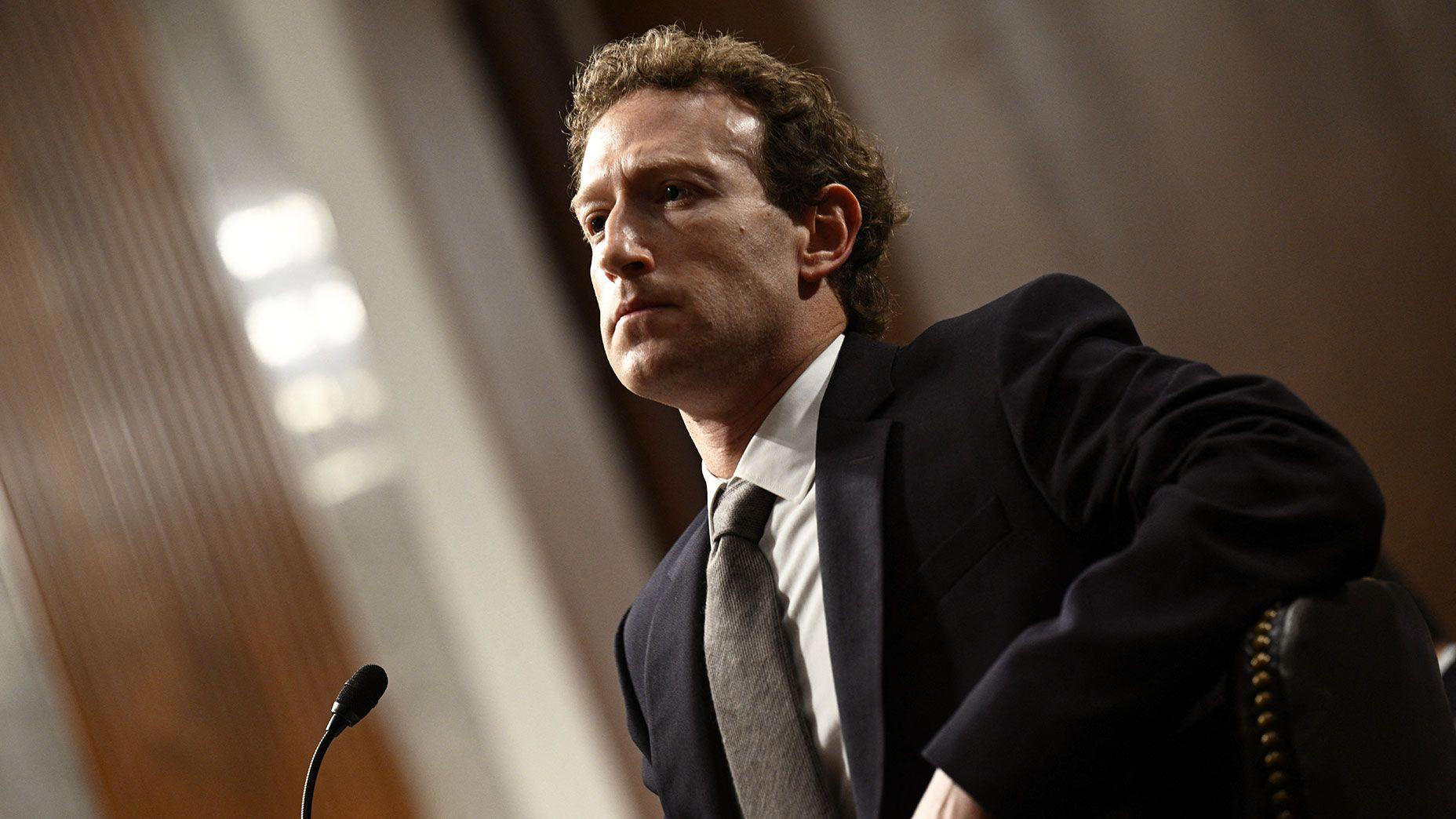
SOCIAL MEDIA ADDICTION—In a groundbreaking series of trials, tech giants including Meta, TikTok, Snap, and YouTube are facing allegations that their products have caused personal injury through addictive design. The lawsuits, which could have far-reaching implications for the tech industry and social media users, claim that these companies knowingly created products that are detrimental to users’ mental and physical health. As the trials unfold, our technology reporter Cecilia Kang delves into the details of the cases and what’s at stake for both the tech giants and the millions of people who use their platforms every day.
Wall Street Watches as Tech Giants Face Billions in Potential Damages
The Lawsuits
The lawsuits against Meta, TikTok, Snap, and YouTube are the result of years of research and advocacy by experts and lawmakers who have been sounding the alarm about the potential dangers of social media addiction. The plaintiffs in the cases allege that the tech giants used manipulative design techniques, such as infinite scrolling and algorithm-driven feeds, to keep users engaged for as long as possible, often with devastating consequences. The cases are seeking billions of dollars in damages and could potentially lead to significant changes in the way social media platforms are designed and regulated.
Potential Consequences
If the tech giants are found liable for the harm caused by their products, it could have a profound impact on their business models and bottom lines. The companies could be forced to pay out massive settlements or judgments, which could lead to a significant decline in their stock prices and valuations. Additionally, the lawsuits could lead to increased regulation of the tech industry, which could limit the companies’ ability to collect and use user data, and restrict their ability to design products that are intentionally addictive.
The History of Social Media Addiction and Its Link to Tech Giants
The Early Days of Social Media
Social media platforms have been a part of our lives for over two decades, and in that time, they have evolved significantly. In the early days, social media was seen as a way to connect with friends and family, share updates and photos, and join online communities. However, as the platforms grew in popularity, they began to use more sophisticated algorithms and design techniques to keep users engaged. The introduction of infinite scrolling, likes, and comments created a culture of constant feedback and validation, which can be highly addictive.
The Role of Tech Giants
Tech giants like Meta, TikTok, Snap, and YouTube have been accused of prioritizing profits over people’s well-being. The companies have used their vast resources and expertise to design products that are highly engaging and often addictive. The use of AI-driven algorithms, personalized feeds, and push notifications has created an environment in which users can easily become hooked on social media, often without realizing it. The tech giants have also been accused of using manipulative tactics, such as exploiting psychological vulnerabilities and using dark patterns to keep users engaged.
Following the Money: The Financial Implications of Social Media Addiction
The Business Model of Social Media
Social media platforms make money by collecting and selling user data, as well as by displaying ads to their users. The more time users spend on the platforms, the more data the companies can collect, and the more ads they can display. This creates a perverse incentive for the tech giants to design products that are as engaging and addictive as possible, often without regard for the potential consequences for users’ mental and physical health.
The Cost of Social Media Addiction
The cost of social media addiction is difficult to quantify, but it is likely to be significant. A study by the Centers for Disease Control and Prevention found that excessive social media use is linked to a range of negative outcomes, including depression, anxiety, and sleep deprivation. The study also found that social media addiction can have a significant impact on users’ relationships, work, and overall well-being. The financial implications of social media addiction are also significant, with estimates suggesting that it could cost the US economy billions of dollars per year in lost productivity and healthcare costs.
The Key Players in the Social Media Addiction Debate
The Tech Giants
The tech giants, including Meta, TikTok, Snap, and YouTube, are the main players in the social media addiction debate. The companies have been accused of prioritizing profits over people’s well-being, and of using manipulative design techniques to keep users engaged. The tech giants have also been accused of exploiting psychological vulnerabilities and using dark patterns to keep users hooked on their products.
The Advocates
A range of advocates and experts have been sounding the alarm about the potential dangers of social media addiction. These include lawmakers, researchers, and mental health professionals who have been working to raise awareness about the issue and to push for changes in the way social media platforms are designed and regulated. The advocates argue that the tech giants have a responsibility to design products that are safe and healthy for users, and that the companies must be held accountable for the harm caused by their products.
The Forecast: What’s Next for Tech Giants and Social Media Users
The Potential Outcomes of the Lawsuits
The lawsuits against the tech giants could have a significant impact on the social media landscape. If the companies are found liable for the harm caused by their products, it could lead to significant changes in the way social media platforms are designed and regulated. The tech giants may be forced to pay out massive settlements or judgments, which could lead to a decline in their stock prices and valuations. The lawsuits could also lead to increased regulation of the tech industry, which could limit the companies’ ability to collect and use user data, and restrict their ability to design products that are intentionally addictive.
The Future of Social Media
The future of social media is uncertain, but it is likely to be shaped by the outcome of the lawsuits and the ongoing debate about the potential dangers of social media addiction. The tech giants may be forced to redesign their products to make them less addictive and more healthy for users. The companies may also be required to provide more transparency and accountability around their design decisions and data collection practices. Ultimately, the future of social media will depend on the ability of the tech giants to balance their business interests with their responsibility to protect users’ well-being.
