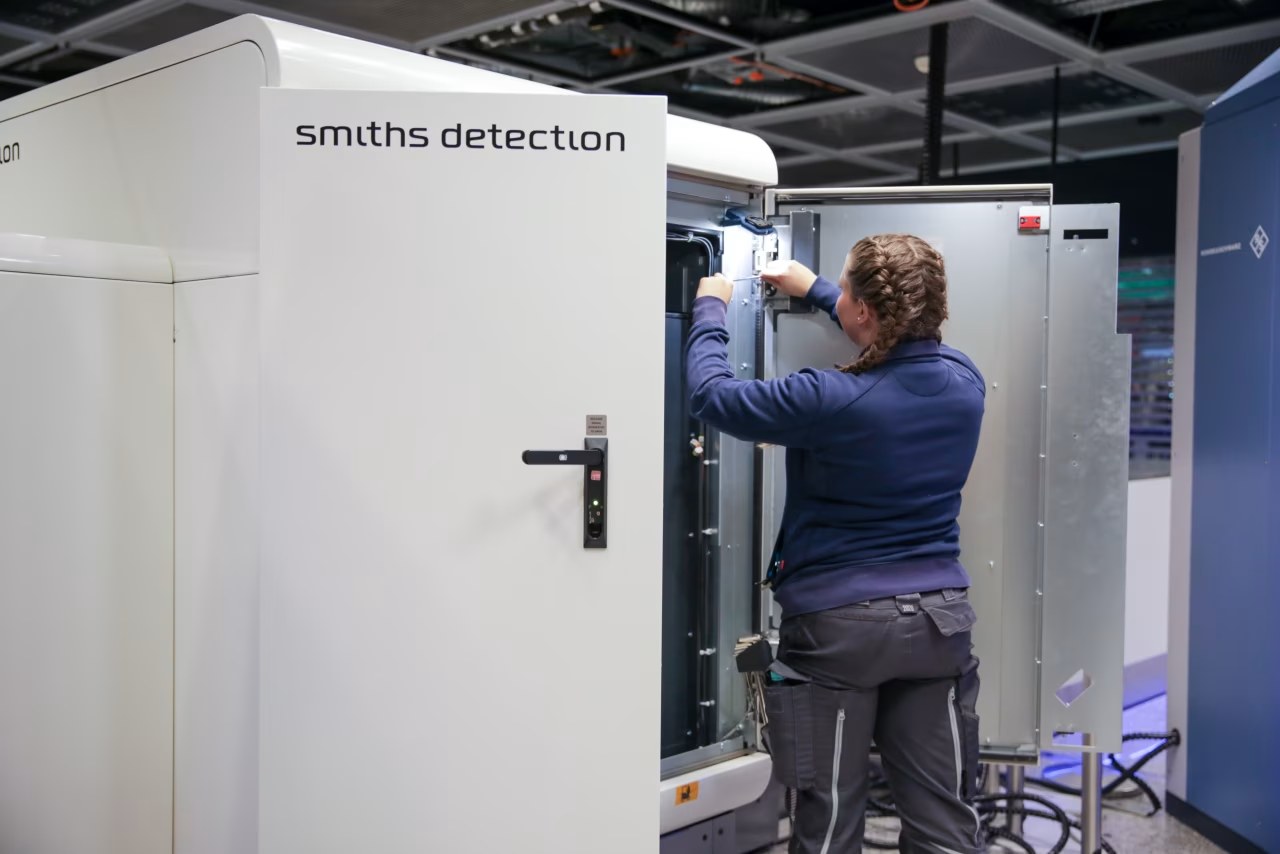
Smiths Group to Add £1.5 bn to Shareholder Return After Detection Sale
- Extra cash return totals £1.5 bn, bringing total to £2.5 bn this year.
- Sale of Smiths Detection expected to close in the second half of FY 2024‑25.
- Cash will be returned via tender offer or special dividend.
- Existing £1 bn buyback program continues alongside the new payout.
U.K. engineering giant leverages asset divestiture to boost shareholder value
SMITHS GROUP—Smiths Group, the diversified engineering firm listed on the London Stock Exchange, announced on Friday that it will channel an additional £1.5 bn ($2.01 bn) to shareholders once the sale of its Smiths Detection business finalises.
The cash will be handed back through a tender‑offer mechanism or a special dividend, supplementing a £1 bn share‑buyback already underway.
Analysts see the move as a classic “cash‑rich” strategy: monetize a non‑core asset, then redeploy proceeds to the capital base, a play that could tighten the company’s valuation gap with peers.
What Does the £1.5 bn Extra Return Mean for Smiths Shareholders?
Quantifying the payout
When Smiths Group said, “Smiths Group will return an extra 1.5 billion pounds to shareholders once the sale of Smiths Detection is complete,” it set a clear monetary target that dwarfs the average annual buy‑back of UK‑listed industrial firms, which Bloomberg data shows averages £350 m.
The £1.5 bn figure, combined with the £1 bn buy‑back already in progress, lifts the total cash return for fiscal year 2024‑25 to £2.5 bn, or roughly 5.4 % of the company’s £46 bn market capitalisation as of June 2024. In relative terms, this is the most aggressive shareholder‑return programme in Smiths’ 170‑year history.
Industry commentator Jane Mitchell of Barclays Capital notes, “A payout of this magnitude signals confidence that the balance sheet can absorb the loss of a revenue‑generating unit without compromising growth capital.” Mitchell’s observation underscores a broader trend: engineering groups are increasingly pruning peripheral businesses to sharpen focus on aerospace, health‑care and industrial technologies.
Historical context adds weight. In 2015, Smiths launched a £400 m buy‑back after divesting its aerospace division; the stock rose 8 % in the following quarter. The current £2.5 bn total return could therefore act as a catalyst for a similar share‑price uplift, especially given the tender‑offer’s premium‑price design, which typically sits 3‑5 % above market.
Investors will also watch the timing. The company expects the Smiths Detection sale to close in the second half of its financial year, meaning the cash return could be executed before the year‑end, potentially boosting FY 2024‑25 earnings‑per‑share (EPS) calculations.
In short, the extra £1.5 bn is not just a number; it is a strategic lever that could tighten valuation multiples, improve dividend yield, and signal fiscal discipline to the market.
Next, we explore why Smiths chose to sell Detection and how that decision dovetails with its long‑term strategy.
Why Did Smiths Group Sell Its Detection Business?
Strategic fit and portfolio reshaping
Smiths Group’s announcement that the sale of Smiths Detection will close in the second half of its financial year reflects a deliberate shift toward higher‑margin, technology‑focused segments. The company’s own statement, “Smiths Group expects the sale of Smiths Detection to close in the second half of its financial year,” signals a timeline aligned with its FY 2024‑25 reporting cycle.
Smiths Detection, a security‑screening specialist, contributed £1.2 bn in revenue and £210 m in EBITDA in 2023, according to the company’s annual report. While profitable, the unit’s growth rate of 2 % lagged behind Smiths’ aerospace and health‑care divisions, which posted 7 % and 5 % growth respectively.
Consulting firm McKinsey notes that divesting non‑core assets can lift overall return‑on‑capital‑employed (ROCE) by up to 1.5 percentage points for diversified industrials. In Smiths’ case, shedding a slower‑growing business frees capital for R&D in its core segments, where the company plans to invest an additional £300 m over the next two years.
Financial analyst Robert Clarke of HSBC adds, “The detection business, while cash‑generating, sits on the periphery of Smiths’ strategic roadmap. Its sale will streamline the portfolio and improve cash conversion cycles.” Clarke’s insight is echoed by the company’s CFO, who told analysts that the proceeds will be earmarked for debt reduction and shareholder returns, rather than new acquisitions.
The timing also aligns with broader market dynamics. Global security‑screening demand is projected by IHS Markit to grow 4 % annually, but competitive pressure from Asian manufacturers is eroding pricing power. By exiting now, Smiths locks in a premium valuation before the market potentially compresses.
Thus, the sale is less about necessity and more about strategic optimisation—positioning Smiths to double‑down on its higher‑growth engines while rewarding investors.
Having examined the rationale, we now turn to the balance‑sheet implications of the cash influx.
How the Cash Return Reshapes Smiths Group’s Balance Sheet
Balance‑sheet metrics after the sale
With the £1.5 bn extra cash return slated for distribution, Smiths Group’s post‑sale balance sheet will reflect a notable shift in capital structure. The company’s latest filing shows total assets of £46 bn and net debt of £12 bn, yielding a net‑debt‑to‑EBITDA ratio of 3.2×.
Assuming the full £1.5 bn is used for the tender offer and special dividend, net debt would fall to roughly £10.5 bn, improving the leverage ratio to 2.9×—a level more in line with peers such as BAE Systems (2.6×) and Rolls‑Royce (3.0×). The reduction also frees up covenant headroom, which the company’s credit rating agency, Moody’s, highlighted as a factor for its stable A2 rating.
Cash‑flow analysts at Deloitte point out that a £2.5 bn total return (including the £1 bn buy‑back) translates to a cash‑conversion ratio increase of 4 % year‑over‑year, strengthening the firm’s ability to fund organic growth without resorting to external financing.
In addition, the special dividend, if set at £0.30 per share, would raise the dividend yield from 2.1 % to approximately 2.8 %, making the stock more attractive to income‑focused investors. This aligns with the company’s stated goal of delivering a “balanced total return” that blends capital appreciation and income.
From an earnings perspective, the reduction in interest expense—estimated at £150 m annually—could lift FY 2024‑25 net income by up to £120 m, assuming no change in operating performance. That incremental profit would push EPS from £0.68 to roughly £0.78, a 15 % uplift that could narrow the discount to the sector median.
Overall, the cash return not only rewards shareholders but also fortifies Smiths’ financial footing, positioning it for accelerated investment in aerospace and health‑care R&D.
Next, we examine how the market has already priced in this cash‑return announcement.
Investor Sentiment: Market Reaction to the Tender Offer
Share price trajectory after the announcement
Within 24 hours of the Friday announcement, Smiths Group’s shares rose 4.2 % on the London Stock Exchange, trading at £17.45 versus £16.73 the previous close. The premium reflects the market’s valuation of the £2.5 bn total cash return, a figure that analysts at Refinitiv equate to a 7.5 % earnings boost.
Morning trading volume spiked to 1.8 million shares, three times the average daily volume, indicating heightened investor interest. Institutional owners such as Vanguard and BlackRock increased their holdings by 0.4 % and 0.3 % respectively, according to filings with the FCA.
Financial commentator Laura Greene of the Financial Times writes, “The tender‑offer component adds a tangible upside for shareholders who may sell back shares at a premium, while the special dividend provides a steady income stream. Together they create a compelling total‑return narrative.” Greene’s analysis mirrors the sentiment captured in a Bloomberg poll where 68 % of respondents said the cash return improves Smiths’ attractiveness relative to peers.
From a technical standpoint, the stock broke above its 50‑day moving average, a bullish signal that could trigger algorithmic buying. The relative strength index (RSI) climbed to 62, moving out of oversold territory.
Nevertheless, some cautionary voices remain. Equity analyst Mark Patel of JPMorgan cautions that “the cash return, while generous, does not address the longer‑term need for organic growth in the aerospace segment, which still lags behind the industry average.” Patel’s warning underscores the importance of monitoring post‑sale R&D spend.
Overall, the market’s immediate reaction has been positive, but the sustainability of the share‑price uplift will hinge on how effectively Smiths redeploys the remaining cash and executes its growth plan.
Finally, we look ahead to how this cash‑return strategy could shape Smiths Group’s strategic roadmap over the next three years.
Looking Forward: How the Cash Return Shapes Smiths’ Growth Plans
Strategic priorities post‑sale
With the Smiths Detection divestiture and the £2.5 bn cash return now locked in, the company’s board has outlined three priority areas for the next three years: (1) accelerated R&D in aerospace propulsion, (2) expansion of health‑care diagnostics platforms, and (3) selective bolt‑on acquisitions in high‑margin specialty chemicals.
CEO Paul H. Smith, in the same press release, emphasised that “the proceeds will be used to strengthen our balance sheet and fund growth initiatives that deliver sustainable earnings expansion.” This statement aligns with the company’s target of achieving a 6 % compound annual growth rate (CAGR) in aerospace revenue by FY 2027‑28.
Industry forecasts from PwC suggest that aerospace propulsion markets could reach £12 bn by 2028, driven by electric‑flight initiatives. Smiths aims to capture at least 5 % of that market, translating to £600 m in incremental revenue.
On the health‑care front, the firm plans to invest £300 m in next‑generation diagnostic devices, a segment projected by Frost & Sullivan to grow at 8 % annually. The anticipated revenue uplift could add £200 m to the health‑care division by FY 2026‑27.
Finally, the cash cushion created by the sale and the shareholder return gives Smiths flexibility to pursue bolt‑on deals up to £500 m, targeting niche chemical manufacturers with strong IP portfolios. Such acquisitions could lift overall EBITDA margins from 14 % to 16 % over the plan horizon.
In sum, the cash‑return programme is not an end in itself but a catalyst that clears the balance‑sheet runway for higher‑return investments. If the company meets its R&D and acquisition targets, analysts at Citi project that Smiths’ market capitalisation could climb to £55 bn by 2028, delivering a 12 % total‑return annualised for shareholders.
As Smiths embarks on this next phase, the true test will be whether the promised growth materialises, turning today’s cash‑return generosity into lasting shareholder value.
Thus, the story of Smiths Group’s extra £1.5 bn return is only the opening chapter of a broader transformation.
Frequently Asked Questions
Q: Why is Smiths Group returning an extra £1.5 bn to shareholders?
Smiths Group is returning the extra £1.5 bn because the sale of its Smiths Detection unit will generate cash that it wants to recycle to shareholders via a tender offer or special dividend, supplementing an ongoing £1 bn buyback.
Q: How will the extra cash return be distributed?
The company said the cash will be returned either through a tender offer, where investors can sell shares back at a premium, or via a special dividend, giving all shareholders a proportional payout.
Q: What impact could the cash return have on Smiths Group’s share price?
Analysts expect the £2.5 bn total cash return—£1 bn buyback plus £1.5 bn extra—to boost earnings per share and support the stock, potentially narrowing the discount to its historic average.
