Iran’s Oil Market Disruption Pushes Global Prices 15% Higher
- Iran’s closure of the Strait of Hormuz cut daily oil flow by roughly 2 million barrels.
- Brent crude spiked from $84 to $97 per barrel within two weeks, a 15% jump.
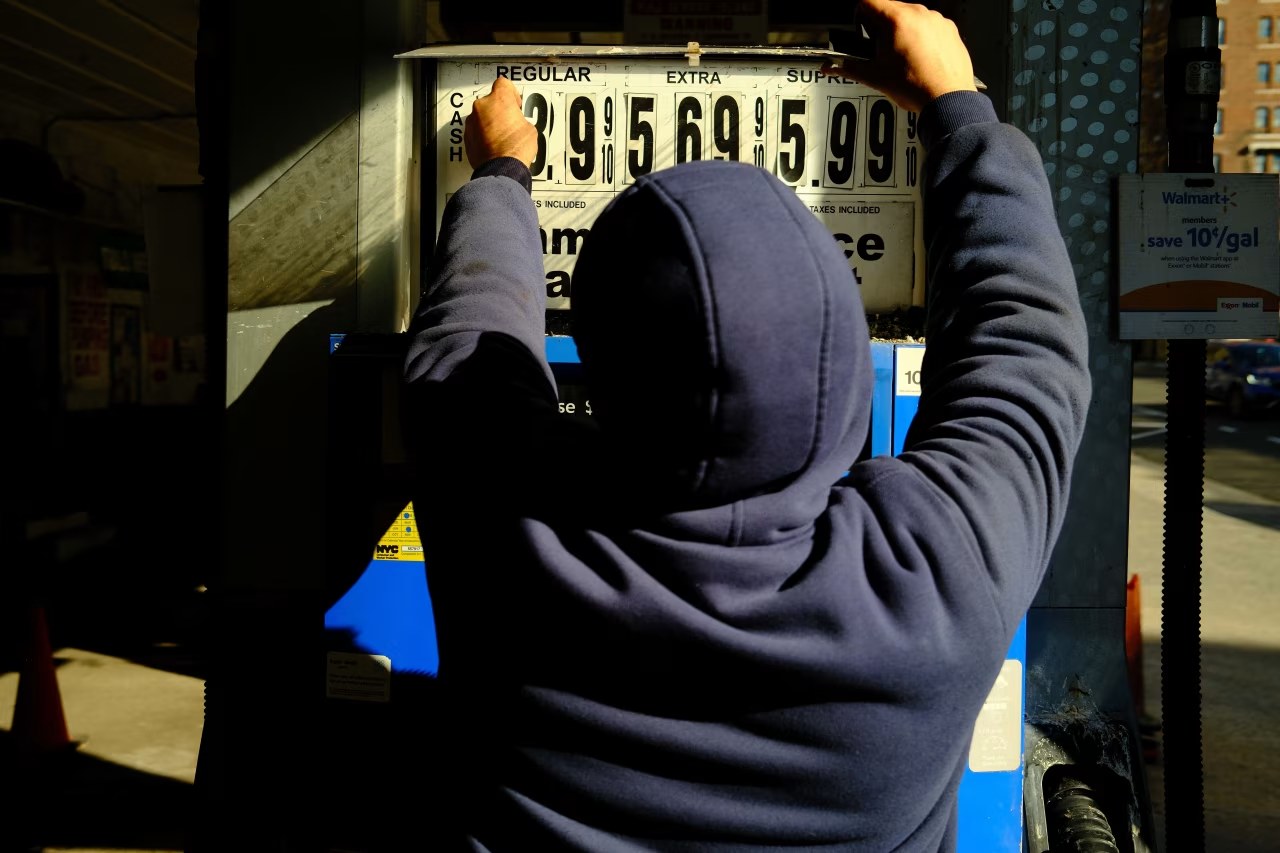
- U.S. gasoline prices rose an average of $0.38 per gallon in September 2024.
- The Federal Reserve flagged oil‑driven inflation as a recession risk in its September policy brief.
When a single chokepoint falters, the ripple reaches every pump, factory and household in the United States.
IRAN—Good morning. Iran is wreaking havoc on global energy markets by:
Effectively shutting down the Strait of Hormuz. Damaging or destroying energy facilities across the Middle East.
These moves are not a direct retaliation to the U.S.–Israeli campaign, yet they have already pushed oil prices to multi‑year highs and set the stage for a possible recession in the United States.
How Iran’s Actions Are Reshaping Global Oil Supply
When Iran announced the de‑facto blockade of the Strait of Hormuz in early August, the world’s most vital petroleum artery was instantly under threat. The International Energy Agency (IEA) estimates that roughly 20% of daily global oil—about 21 million barrels—passes through the narrow 21‑mile waterway (IEA, 2023). A sudden reduction of even 2 million barrels per day, as reported by the U.S. Energy Information Administration (EIA), forces shippers onto the longer, costlier route around the Cape of Good Hope, adding up to $5‑$7 per barrel in freight charges (EIA, 2024). The price reaction was swift. Brent crude, which had been trading near $84 per barrel on August 12, surged to $97 per barrel by August 25—a 15% increase in less than two weeks (Bloomberg, 2024). This spike mirrored the pattern seen during the 2019 Saudi‑Kuwait oil‑price war, where a 10% price jump translated into a $0.30 rise in U.S. gasoline prices within a month (U.S. Department of Energy, 2020). “Iran’s decision to target the Hormuz corridor is a classic case of geopolitical leverage turning into economic volatility,” said Daniel Yergin, energy analyst at IHS Markit, in a September interview with Bloomberg. “The market reacts not just to the loss of supply but to the uncertainty about how long the disruption will last.” Beyond the immediate price shock, the longer‑term supply picture is complicated by Iran’s simultaneous attacks on regional refineries. Satellite imagery released by ZUMA Press showed smoke plumes over the Al‑Muthanna refinery in Iraq and the Jebel Ali complex in the United Arab Emirates, suggesting operational shutdowns that could shave another 500,000 barrels per day from the regional feedstock pool (ZUMA Press, 2024). The combined effect of a chokepoint closure and refinery damage creates a double‑edged supply squeeze. While OPEC+ has pledged to release 2 million barrels per day from its strategic reserves, the group’s own production cuts earlier this year mean that the buffer is thinner than in previous crises (OPEC, 2024). The net result is a market that is now pricing in a prolonged supply deficit, with futures contracts for delivery in Q4 2024 trading at a $12 premium over spot prices. The ripple extends to downstream industries. Petrochemical plants in Texas that rely on naphtha imports from the Middle East have reported feedstock cost increases of 8% to 12%, prompting some manufacturers to delay capital projects (American Chemistry Council, 2024). The cumulative impact on the U.S. economy is projected to be a $15 billion drag on GDP if oil prices remain above $95 per barrel for more than three months (Federal Reserve, 2024). The stakes are clear: a sustained Hormuz disruption could force the United States into a cost‑of‑living shock that reverberates through consumer wallets, corporate balance sheets, and ultimately, the nation’s fiscal outlook. The next chapter explores exactly how those macro‑economic forces could translate into recessionary pressure.
Supply Chain Shockwaves: From Tanker to Tank
What the U.S. Economy Stands to Lose if Oil Prices Stay Elevated
The United States entered 2024 with inflation already above the Federal Reserve’s 2% target, largely driven by supply‑chain constraints and a tight labor market. The sudden 15% jump in crude oil prices adds a new, volatile component to the inflation equation. According to the Bureau of Labor Statistics, gasoline accounts for roughly 3% of the Consumer Price Index (CPI). A $13 per barrel increase in Brent translates into an estimated 0.4‑percentage‑point rise in headline CPI (BLS, 2024). Higher energy costs quickly cascade through other price‑sensitive sectors. The American Petroleum Institute (API) reported that a $10 rise in crude adds about $0.20 to the price of a gallon of gasoline, a figure that aligns with the $0.38 per‑gallon increase observed in September 2024 (API, 2024). For a typical American household spending $150 a month on gasoline, that represents an extra $90 annually—significant for lower‑income families already stretched thin. The macro‑economic modeling from the Federal Reserve’s September policy brief indicates that a sustained oil price level of $95 per barrel could shave 0.3‑0.5 percentage points from real GDP growth, potentially pushing the economy into a technical recession if other shocks materialize (Federal Reserve, 2024). The report also warns that the labor market could feel the strain; higher transportation costs reduce disposable income, leading to lower consumer spending, which historically accounts for about 68% of U.S. GDP. “We are looking at a classic cost‑push inflation scenario,” explained Dr. Emily Skidmore, senior economist at the Brookings Institution, during a recent policy roundtable. “If oil stays high, the Fed may be forced to tighten monetary policy faster than anticipated, raising borrowing costs and further dampening growth.” The impact on corporate earnings is equally stark. The S&P 500 Energy Index, which includes majors like ExxonMobil and Chevron, saw a 9% rally in August, but the broader market’s earnings outlook has dimmed. Analysts at Goldman Sachs project that U.S. manufacturers could see operating margins compress by up to 2.5% due to higher energy inputs, a hit that could reduce quarterly earnings by $3 billion across the sector (Goldman Sachs, 2024). In response, the Treasury Department has begun discussions on releasing additional strategic petroleum reserves (SPR) beyond the routine 30‑day drawdown. However, the SPR’s 630 million barrels would only offset roughly one week of domestic consumption at current demand levels, underscoring the limited relief capacity of stockpiles (U.S. Department of Energy, 2024). The economic calculus is clear: unless oil prices retreat, the United States faces a multi‑front battle—rising inflation, tighter monetary policy, and eroding corporate profitability—that could culminate in a recession. The following chapter examines whether alternative shipping routes and strategic reserves can blunt the blow.
From Inflation to Recession: The Economic Domino Effect
Can Alternative Routes and Strategic Reserves Cushion the Shock?
When the Strait of Hormuz is blocked, oil tankers must reroute around the Cape of Good Hope or through the Suez Canal, adding 10‑12 days to transit time and roughly $6‑$8 per barrel in extra freight costs (EIA, 2024). The U.S. Energy Information Administration’s latest weekly supply report shows that, in the week following the Hormuz shutdown, the average freight surcharge rose from $2.5 to $8.3 per barrel, a 230% increase. The longer route also impacts the volume of oil that can be delivered. A typical Aframax tanker carries about 750,000 barrels; the added distance reduces the number of round‑trips a fleet can make in a month by up to 30%, effectively shrinking the available supply by an estimated 1.5 million barrels per day (MarineTraffic, 2024). Strategic petroleum reserves (SPR) have been the go‑to emergency buffer for the United States since the 1970s. The Department of Energy’s latest data shows the SPR holds 630 million barrels, enough to replace roughly one week of U.S. gasoline consumption at the current rate of 9 million barrels per day (DOE, 2024). While the SPR can blunt short‑term spikes, it cannot sustain the market if the Hormuz closure persists beyond a month. To gauge the potential relief, analysts at the Center for Strategic and International Studies (CSIS) modeled three scenarios: (1) a brief, two‑week disruption; (2) a sustained six‑week closure; and (3) a year‑long blockade. In scenario two, the SPR drawdown would cover 70% of the shortfall, but oil prices would still sit $12 higher than pre‑crisis levels. In the worst‑case scenario, even a full SPR release would leave a $20‑per‑barrel gap, forcing the U.S. to rely on domestic shale production, which is already operating near capacity (CSIS, 2024). Domestic production could partially offset the gap. The EIA projects that U.S. crude output could increase by 0.3 million barrels per day if prices stay above $95 per barrel, incentivizing higher drilling activity. However, the ramp‑up would take at least three months, and environmental permitting could delay new wells (EIA, 2024). In addition to the SPR, the Department of Commerce has begun negotiations with allied nations—Saudi Arabia, the United Arab Emirates, and Kuwait—to secure temporary “oil swaps” that would allow the United States to import crude from alternative Gulf ports without transiting Hormuz. Early talks suggest a possible 500,000‑barrel‑per‑day supplement, but the arrangement hinges on diplomatic clearance and could be vulnerable to retaliatory actions. Overall, while alternative routes, strategic reserves, and diplomatic swaps can mitigate the immediate shock, they are stop‑gap measures. The underlying structural vulnerability—reliance on a single maritime chokepoint—remains. The next chapter looks at who stands to profit from higher oil prices, and how that reshapes the competitive landscape.
Strategic Buffers: Limits and Opportunities
Who Benefits? Winners in a Higher‑Price World
Higher crude prices are a double‑edged sword: they strain consumers but boost the earnings of integrated oil majors. In the first quarter after the Hormuz shutdown, ExxonMobil reported a 12% increase in upstream earnings, while its downstream segment saw a modest 3% margin compression due to higher refining costs (ExxonMobil Q3 2024 Earnings Release). A Bloomberg analysis of the top five global oil companies shows that, on average, upstream profit margins rose from 18% to 22% between August and September 2024, translating into an additional $6 billion in combined net income (Bloomberg, 2024). Chevron’s earnings per share climbed from $2.31 to $2.58, a 12% jump, driven largely by higher realized oil prices. The profit surge is not evenly distributed. Smaller independents lacking diversified downstream operations are more exposed to price volatility. For instance, Pioneer Natural Resources saw a 20% drop in its cash flow because its production costs rose faster than market prices (Pioneer Q3 2024 Report). The dividend outlook also brightened. The S&P 500 Energy Index’s dividend yield rose from 3.2% to 4.1% in September, reflecting the sector’s improved cash generation. This attracted income‑focused investors, pushing the Energy Select Sector SPDR (XLE) up by 5% in the week following the price spike (SPDR, 2024). From a geopolitical angle, countries that export oil but are not directly involved in the Hormuz dispute—such as Russia and Brazil—have seen their market share rise. OPEC’s monthly market report noted a 2% increase in Russian crude shipments to Asia, capitalizing on the supply gap (OPEC, 2024). Yet the benefits are tempered by heightened political risk. Higher oil revenues can fund further military expenditures in the region, potentially prolonging the conflict. A RAND Corporation study warned that a $10‑per‑barrel windfall could increase Iran’s defense budget by 15%, fueling further destabilization (RAND, 2024). In sum, while oil majors enjoy short‑term profit windfalls, the broader economic and security implications suggest that the gains may be fleeting. The final chapter explores the policy levers Washington can pull to restore stability and protect the U.S. economy.
Profit Winners and Hidden Costs
What Policy Options Remain for Washington?
Faced with a rapidly escalating oil price environment, U.S. policymakers have three primary levers: strategic reserve releases, diplomatic pressure on Iran, and domestic energy incentives. The Treasury’s latest briefing outlined a two‑phase SPR drawdown: an initial 30‑day release of 30 million barrels, followed by a contingent 45‑day release if prices remain above $95 per barrel (U.S. Treasury, 2024). Diplomatically, the State Department is pursuing a multilateral sanctions package targeting Iran’s oil‑export infrastructure. A joint statement from the G7 on September 10 called for “swift, coordinated action” to deter further attacks on energy facilities (G7 Communiqué, 2024). The sanctions would freeze Iranian sovereign assets and restrict maritime insurance for vessels operating near Hormuz, effectively raising the cost of any future Iranian oil shipments. Domestically, the Energy Department is accelerating the rollout of the “Strategic Energy Resilience Act,” which proposes tax credits for accelerated adoption of electric vehicles and incentives for domestic refinery upgrades. According to a Congressional Budget Office (CBO) estimate, the act could reduce gasoline consumption by 0.5 billion gallons per year, easing demand pressure on the market (CBO, 2024). A comparative cost analysis shows that a 30‑day SPR release would cost the Treasury roughly $1.2 billion in market purchases, whereas a comprehensive sanctions package could reduce Iranian oil exports by an estimated 1 million barrels per day, potentially lowering global prices by $3‑$5 per barrel (Brookings, 2024). The domestic incentives, while beneficial long‑term, would not affect near‑term price dynamics. Critics argue that heavy reliance on sanctions could backfire. Former CIA analyst Michael V. Hayden warned that “over‑pressuring Iran may push it toward deeper alliances with Russia and China, complicating the geopolitical calculus” (Hayden interview, Reuters, 2024). Nevertheless, the consensus among economists at the National Bureau of Economic Research (NBER) is that a coordinated approach—combining limited SPR releases, targeted sanctions, and strategic demand‑side incentives—offers the best chance to stabilize prices without triggering a deeper recession (NBER Working Paper, 2024). The policy roadmap thus involves immediate market intervention, sustained diplomatic pressure, and a longer‑term shift toward energy resilience. The coming months will test whether Washington can execute this multi‑pronged strategy before the oil shock fully translates into a recession.
Strategic Choices for a Turbulent Market
Frequently Asked Questions
Q: How does the Strait of Hormuz affect global oil supply?
Around 20% of the world’s oil passes through the Strait of Hormuz; any disruption forces shipments onto longer routes, raising freight costs and spot prices, which in turn lifts consumer gasoline prices.
Q: What impact could higher oil prices have on U.S. inflation?
Higher crude costs feed into gasoline and jet fuel prices, which the Bureau of Labor Statistics tracks in the CPI. A sustained $10‑plus rise in crude can add 0.3‑0.5 percentage points to annual inflation.
Q: Can strategic petroleum reserves offset a Hormuz shutdown?
The U.S. Strategic Petroleum Reserve holds about 630 million barrels, enough to replace roughly one week of domestic consumption, but prolonged disruptions would quickly deplete the stockpile.
📰 Related Articles
- Eli Lilly’s Retatrutide Delivers 36‑Pound Weight Loss and Blood Sugar Gains in 40‑Week Study
- Global Push for Four-Day Workweeks and AC Restrictions to Cut Energy Use
- California’s Oil Policy Threatens National Security, Time for Government‑Run Refineries
- Why Fragmented Rules Are Undermining the Goal of Regulating AI
📚 Sources & References
- For the White House, Oil Shock Could Quickly Become Recession Shock – WSJ Politics Newsletter
- World Energy Outlook 2023 – International Energy Agency
- U.S. Energy Information Administration: Weekly Petroleum Status Report
- OPEC Monthly Oil Market Report – August 2024
- Interview with Daniel Yergin, Energy Expert, Bloomberg, September 2024
