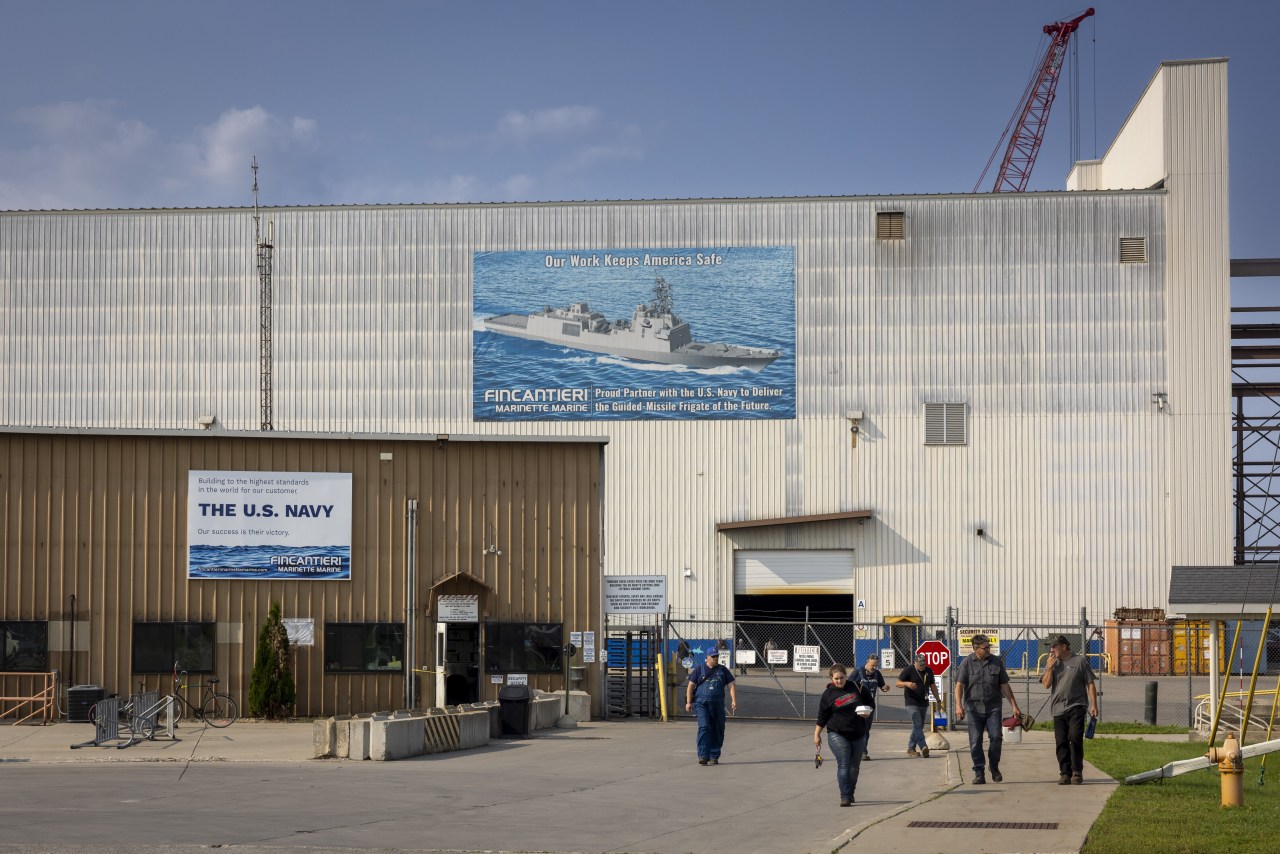
US NAVY—In a historic move, the US Navy is set to hire a private company to oversee a shipbuilding project, marking the first time since World War II that the government has opted to outsource this critical role. The decision comes as the Navy struggles with delays and cost overruns in its shipbuilding programs, prompting a search for new approaches to get these complex projects back on track.
Navy Shipbuilding Projects: A History of Delays and Cost Overruns
The US Navy’s shipbuilding programs have long been plagued by delays and cost overruns. Despite the importance of these projects to national security, the Navy has consistently struggled to deliver ships on time and within budget. This has led to increased scrutiny from Congress and the public, with many calling for reforms to the way the Navy manages its shipbuilding projects.
Causes of Delays and Cost Overruns
There are several factors that contribute to the delays and cost overruns in Navy shipbuilding projects. One major issue is the complexity of the ships being built. Modern warships are highly sophisticated, with advanced systems and technologies that require significant testing and integration. This complexity can lead to unforeseen problems and delays during the construction process.
Another issue is the Navy’s procurement process. The Navy often uses a process called ‘cost-plus’ contracting, where the contractor is reimbursed for all costs incurred during the project, plus a fee. This can create an incentive for contractors to increase costs, as they can earn more money by doing so.
The Role of Outsourcing in Shipbuilding Oversight
The decision to hire a private company to oversee the shipbuilding project is a significant departure from the Navy’s traditional approach. In the past, the Navy has handled the oversight of shipbuilding projects internally, with Navy personnel responsible for managing the contractors and ensuring that the project is completed on time and within budget.
Benefits of Outsourcing
Outsourcing the oversight of shipbuilding projects can bring several benefits. Private companies may have more experience and expertise in managing complex projects, which can help to reduce delays and cost overruns. Additionally, outsourcing can provide the Navy with more flexibility and scalability, as private companies can quickly adjust to changing project requirements.
However, there are also risks associated with outsourcing. One major concern is the potential for reduced accountability and transparency. When the Navy handles oversight internally, it is directly responsible for the project’s success or failure. With outsourcing, the Navy may have less control over the project and may be less able to hold contractors accountable for delays or cost overruns.
The Selection Process for the Outsourcing Contract
The Navy will need to carefully select the company that will oversee the shipbuilding project. The selection process will involve evaluating the qualifications and experience of potential contractors, as well as their ability to manage complex projects and provide effective oversight.
Key Factors in the Selection Process
There are several key factors that the Navy will consider when selecting a contractor. One major factor is the company’s experience in managing complex projects, particularly in the shipbuilding industry. The Navy will also evaluate the company’s expertise in areas such as project management, quality control, and risk management.
Another important factor is the company’s ability to provide effective oversight. The Navy will need to ensure that the contractor has the necessary resources and personnel to manage the project and provide timely and effective oversight. This may include evaluating the company’s staffing plan, as well as its approach to communication and collaboration with the Navy and other stakeholders.
Implications of Outsourcing Shipbuilding Oversight
The decision to outsource shipbuilding oversight has significant implications for the Navy and the shipbuilding industry. One major implication is the potential for increased efficiency and effectiveness in shipbuilding projects. By leveraging the expertise and experience of private companies, the Navy may be able to reduce delays and cost overruns and improve the overall quality of its ships.
Risks and Challenges
However, there are also risks and challenges associated with outsourcing. One major risk is the potential for reduced accountability and transparency, as mentioned earlier. The Navy will need to ensure that it has adequate oversight and control over the project, despite outsourcing the oversight role.
Another challenge is the potential for cultural and organizational changes within the Navy. The decision to outsource shipbuilding oversight may require significant changes to the Navy’s organizational structure and culture, particularly in areas such as procurement and project management. The Navy will need to ensure that it has the necessary resources and support to manage these changes effectively.
Conclusion: The Future of Shipbuilding Oversight
In conclusion, the decision to outsource shipbuilding oversight is a significant development in the Navy’s approach to managing its shipbuilding projects. While there are risks and challenges associated with outsourcing, it also has the potential to bring several benefits, including increased efficiency and effectiveness.
Next Steps
As the Navy moves forward with the outsourcing contract, it will be important to closely monitor the project’s progress and evaluate its effectiveness. The Navy will need to ensure that it has adequate oversight and control over the project, despite outsourcing the oversight role. Additionally, the Navy will need to be prepared to make adjustments as needed, particularly if the project encounters delays or cost overruns.
Ultimately, the success of the outsourcing contract will depend on the Navy’s ability to effectively manage the project and leverage the expertise and experience of the private company. With careful planning and execution, the Navy may be able to achieve its goals and improve the overall quality of its ships.
