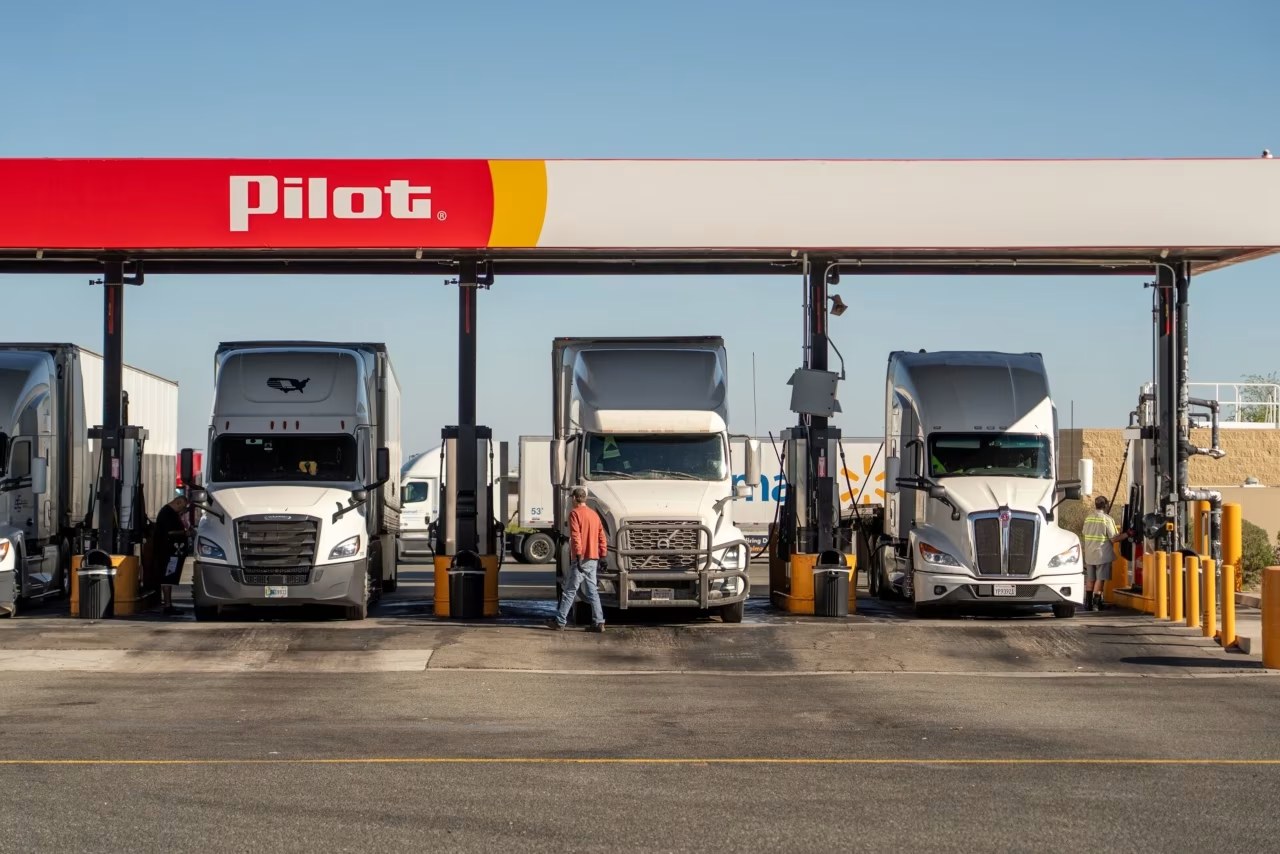
Diesel Prices Up 40% in One Month, Crippling Truckers’ Bottom Lines
- Average diesel price rose roughly 40% from the previous month, according to Bloomberg.
- Long‑haul driver Miguel Caveda spent $1,800 on diesel in a single week, a 40% increase.
- Truckers are trimming routes, avoiding hills, and shifting to lighter loads to conserve fuel.
- Higher fuel costs could add 0.5%‑1% to consumer prices for goods in transit.
When fuel costs surge, the ripple reaches every corner of the supply chain.
NEW YORK—The U.S. trucking sector, responsible for moving more than 70% of all freight, now faces a price shock that threatens profitability and could reshape logistics strategies nationwide.
While the spike appears sudden, it reflects a broader confluence of geopolitical, refinery‑capacity, and demand‑side pressures that analysts say may persist through the summer.
Understanding how this diesel‑price shock translates into higher shipping rates, altered driver behavior, and ultimately consumer prices is essential for anyone watching the economy’s next moves.
The Shockwave of Diesel: How Prices Jumped 40% in a Month
From Crude to Pump: The Supply Chain Bottleneck
According to the U.S. Energy Information Administration’s weekly diesel report released on March 15, the national average price for a gallon of diesel climbed from $3.45 to $4.83—a 40% jump in just 30 days. The agency attributes the rise to reduced refinery throughput in the Gulf Coast, where three major units were offline for unscheduled maintenance, cutting output by an estimated 200,000 barrels per day (EIA, 2024).
Compounding the supply squeeze, the International Energy Agency noted that the Iran‑Israel confrontation in early March prompted a 5% reduction in regional crude exports, tightening global oil markets and pushing spot crude prices above $100 per barrel (IEA, 2024). Bloomberg’s commodity desk warned that “geopolitical risk premiums are now baked into every barrel of diesel,” a sentiment echoed by senior analyst Laura Chen of Bloomberg Energy.
Historically, diesel price volatility has been less pronounced than gasoline because of its broader industrial use. However, a 2012 study by the Federal Reserve Bank of St. Louis found that a 10% rise in diesel costs typically reduces freight volume by 0.8% within three months, a relationship that appears to be accelerating under today’s conditions.
For truckers, the math is stark. A typical Class 8 tractor‑trailer averages 6 miles per gallon on the highway. At $3.45 per gallon, a 1,000‑mile haul costs $575 in fuel; at $4.83, the same trip costs $805—a $230 increase that erodes profit margins that were already thin after accounting for driver wages, insurance, and maintenance.
These figures set the stage for the personal story of Miguel Caveda, whose weekly diesel bill now mirrors the cost of a modest apartment in many U.S. cities. The next chapter examines how that reality is reshaping his business decisions.
Looking ahead, the next chapter will explore how individual drivers like Cavada are adapting to the shock.
Miguel Caveda’s Wallet: A Case Study of a Long‑Haul Trucker
From $1,300 to $1,800: The Weekly Fuel Bill
Long‑haul driver Miguel Caveda, who hauls freight between Dallas and Chicago, reported a weekly diesel expense of $1,800 during the week of March 10, up from his typical $1,300 spend before the price surge. The 40% increase mirrors the national average and translates to an extra $200 per 1,000 miles driven.
“I’m forced to turn off the A/C, avoid steep grades, and even skip a few loads that would have been profitable last month,” Caveda told Bloomberg on March 12. His experience aligns with a recent American Trucking Associations (ATA) survey of 1,200 carriers, which found that 68% of respondents have begun to “trim routes” to conserve fuel, and 45% are actively seeking lighter freight to improve mileage (ATA, 2024).
Financially, the added fuel cost pushes Caveda’s net operating margin from an estimated 6% to roughly 2%, according to a profitability model developed by logistics consultant Raj Patel of FreightMetrics. The model assumes a baseline revenue of $12,000 per week, fixed costs of $4,000, and variable fuel costs rising from $1,300 to $1,800.
Beyond the balance sheet, Caveda’s strategic shift has broader implications. By avoiding hilly routes in the Appalachians, he reduces fuel burn by an estimated 5%, but also extends delivery times, potentially jeopardizing time‑sensitive contracts for perishable goods such as fresh produce.
Industry experts warn that if diesel prices remain elevated, smaller owner‑operators may be forced out of the market, accelerating consolidation among larger fleets that can absorb higher costs through scale. A 2023 study by the University of Michigan’s Transportation Research Institute projected that a sustained 30% fuel price increase could reduce the number of independent truckers by up to 15% over two years.
These dynamics foreshadow a sector‑wide recalibration that will be examined in the next chapter, focusing on the collective response of trucking firms to the diesel‑price shock.
What the Surge Means for the Broader Trucking Industry
Fleet‑Wide Financial Stress Test
When diesel prices rose 40% in March, the ATA released a briefing noting that the average operating cost per mile for a Class 8 tractor rose from 58 cents to 78 cents—a 34% jump (ATA, 2024). For a fleet averaging 120,000 miles per year, that translates to an additional $24 million in fuel expenses per 1,000‑truck fleet.
John Simmons, ATA president, warned in a press conference on March 18 that “if fuel costs stay this high, we could see a wave of capacity withdrawals that would strain supply chains already tight from pandemic‑era disruptions.” His statement was backed by a Bloomberg analysis showing that freight rates on the spot market climbed 12% in the same period, partially passed on from higher fuel costs.
Comparatively, gasoline prices rose only 15% over the same month, underscoring diesel’s unique vulnerability due to its heavier reliance in freight. A bar_chart below illustrates the divergent price movements.
Beyond immediate cost pressures, higher diesel prices are accelerating investment in alternative‑fuel technologies. The Federal Highway Administration reported that 2023 saw a 22% increase in the number of natural‑gas‑powered trucks on U.S. roads, a trend analysts attribute to fuel‑price volatility.
However, the transition is not instantaneous. The average lifespan of a heavy‑duty truck is 12‑15 years, meaning the current fleet will remain exposed to diesel prices for years to come unless retrofits become economically viable.
In the next chapter, we will examine how these cost pressures filter through to the prices consumers pay for everyday goods.
Will Consumers Feel the Pinch? The Ripple Effect on Goods Prices
From Truck Stop to Supermarket Shelf
Higher diesel costs do not stay confined to the highway. The Bureau of Labor Statistics’ Consumer Price Index (CPI) for transportation services rose 0.9% in March, the largest monthly gain since 2022, reflecting increased freight charges (BLS, 2024).
Economist Maria Lopez of the Federal Reserve Bank of Chicago explains, “Every 10% rise in diesel typically adds about 0.3% to the price of non‑durable consumer goods, because shippers spread the extra cost across the supply chain.” Applying that rule, the 40% diesel surge could lift grocery prices by roughly 1.2% over the next quarter.
A donut_chart visualizes the cost composition of a typical 20‑foot container shipped from the Midwest to the East Coast. Fuel now accounts for 42% of total logistics cost, up from 30% a year ago, while warehousing and handling remain relatively stable.
Retail analysts at Nielsen reported that grocery chains have already adjusted promotional pricing to offset a projected $0.05‑$0.08 per pound increase in fresh produce, such as watermelons—exactly the type of cargo Caveda transports.
While the impact on high‑margin items like electronics may be muted, low‑margin commodities—agricultural products, building materials, and certain apparel—are likely to see the most noticeable price upticks.
The final chapter will explore policy levers and market innovations that could dampen the shock and restore stability for drivers and consumers alike.
Future Outlook: Policy Responses and Market Adjustments
Government Interventions and Industry Innovation
In response to the diesel‑price shock, the U.S. Department of Energy announced a temporary reduction of the federal diesel excise tax by 5 cents per gallon, effective April 1, a move projected to shave roughly $0.30 off the pump price according to the DOE’s fiscal impact model (DOE, 2024).
Simultaneously, the Strategic Petroleum Reserve released 10 million barrels of crude into the market, a measure that analysts at Goldman Sachs predict could curb wholesale diesel prices by 3% to 5% over the next six weeks.
Beyond short‑term relief, the industry is accelerating adoption of electrified freight trucks. The International Energy Agency estimates that by 2030, electric heavy‑duty trucks could represent 15% of new sales, reducing exposure to diesel price volatility.
A timeline below captures key milestones from the initial price jump to emerging policy actions.
While these steps may alleviate immediate pressure, experts caution that structural factors—global oil market dynamics, refinery capacity constraints, and geopolitical risk—will continue to influence diesel pricing. The sector’s resilience will hinge on how quickly carriers can diversify fuel sources and integrate technology‑driven efficiency measures.
As the diesel price stabilizes, the next phase will likely involve a re‑evaluation of freight contracts, pricing formulas, and the broader economics of the supply chain.
Thus, the story of the diesel‑price shock is far from over; it will shape logistics strategy for years to come.
Frequently Asked Questions
Q: Why have diesel prices jumped 40% in just one month?
Diesel prices spiked due to a confluence of geopolitical tension from the Iran conflict, reduced refinery output in Europe, and heightened demand for freight transport, according to the U.S. Energy Information Administration.
Q: How does a higher diesel price affect the cost of everyday goods?
Truckers pass fuel cost increases onto shippers, which then raise retail prices for items ranging from tires to produce; the American Trucking Associations estimates a 0.5% to 1% price rise for consumer goods per 10% fuel cost increase.
Q: What can policymakers do to ease the diesel‑price shock for truckers?
Potential measures include temporary fuel tax rebates, strategic fuel reserve releases, and incentives for alternative‑fuel trucks, all aimed at stabilizing freight costs while longer‑term solutions focus on supply‑chain efficiency.
📰 Related Articles
- Prestige Consumer Healthcare Expands OTC Portfolio with $1.045 Billion Brand Purchase
- Genco Rejects $23.50 Offer Amid $25 NAV Dispute, Shaking Auto and Transport Market
- Jury Rules Elon Musk Partially Liable for Twitter Investor Losses After Deal Threat
- Fast‑Food Giants Slash Prices Amid Record Beef Cost Surge
