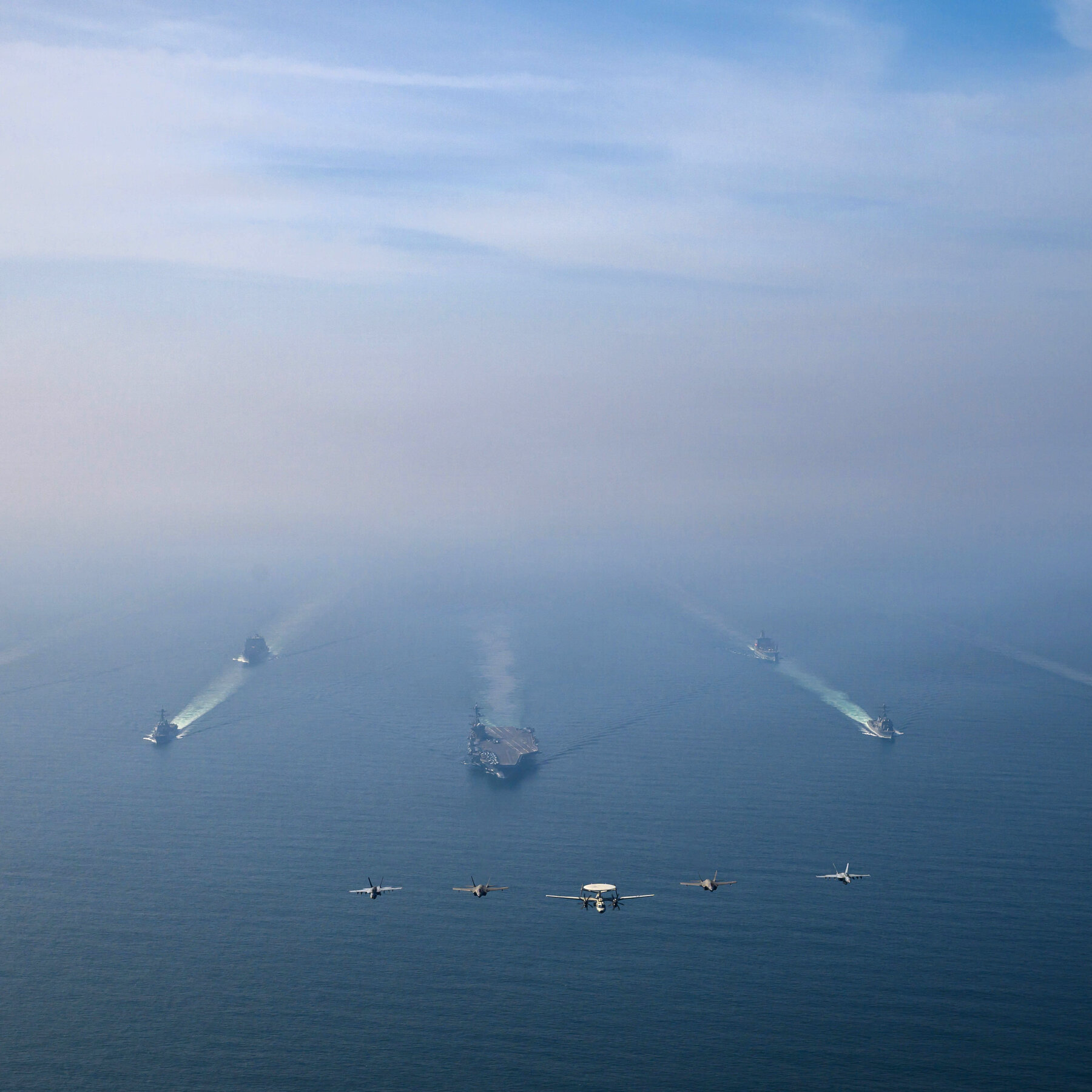
IRAN TENSIONS—As tensions escalate between the United States and Iran, global markets are experiencing increased volatility, with oil prices surging and stocks plummeting. The uncertainty surrounding the conflict has investors on edge, seeking a diplomatic ‘off-ramp’ to alleviate the economic pressures.
The Market Trigger
Escalating Tensions
The recent increase in hostility between the US and Iran has sparked fears of a broader conflict, leading to a surge in oil prices and a decline in stock markets. The Dow Jones Industrial Average fell by over 200 points, while Brent crude oil prices rose by more than 3%.
Economic Implications
The escalating tensions have significant economic implications, particularly for the global oil market. A prolonged conflict could lead to supply chain disruptions, driving up prices and affecting industries that rely heavily on oil.
Market Mechanics
Oil Price Volatility
The recent spike in oil prices has been driven by concerns over potential supply disruptions. The US-Iran conflict has raised fears of a disruption to oil exports from the Middle East, which could lead to a shortage of supply and drive up prices.
Investor Sentiment
Investors are becoming increasingly risk-averse, seeking safe-haven assets such as gold and government bonds. The uncertainty surrounding the conflict has led to a decline in investor confidence, contributing to the market volatility.
Macro Backdrop
Global Economic Implications
The US-Iran conflict has significant implications for the global economy. A prolonged conflict could lead to a decline in global trade, affecting industries that rely on international supply chains.
Monetary Policy
Central banks may need to reassess their monetary policy stance in response to the escalating tensions. The potential for higher oil prices and slower economic growth could lead to a more dovish policy outlook.
Risk & Volatility Layer
Risk Assessment
The US-Iran conflict has increased the risk of a broader conflict, leading to concerns over the potential for a global economic downturn. Investors are pricing in a higher risk premium, contributing to the market volatility.
Vulnerabilities
The global economy is vulnerable to supply chain disruptions, particularly in the oil market. A prolonged conflict could expose these vulnerabilities, leading to a decline in economic growth.
Stakeholder Impact
Investor Confidence
The uncertainty surrounding the US-Iran conflict has led to a decline in investor confidence. Investors are seeking a diplomatic ‘off-ramp’ to alleviate the economic pressures and restore confidence in the markets.
Corporate Impact
Companies that rely heavily on oil imports are likely to be affected by the price volatility. The conflict could lead to a decline in profitability and affect the overall health of the company.
Forward Signals
Diplomatic Efforts
Diplomatic efforts to resolve the conflict are underway, with several countries attempting to broker a peace deal. A successful resolution could lead to a decline in oil prices and an improvement in investor sentiment.
Potential Outcomes
The potential outcomes of the conflict are uncertain, with a range of possible scenarios. A prolonged conflict could lead to a decline in global economic growth, while a diplomatic resolution could lead to a recovery in investor confidence.
