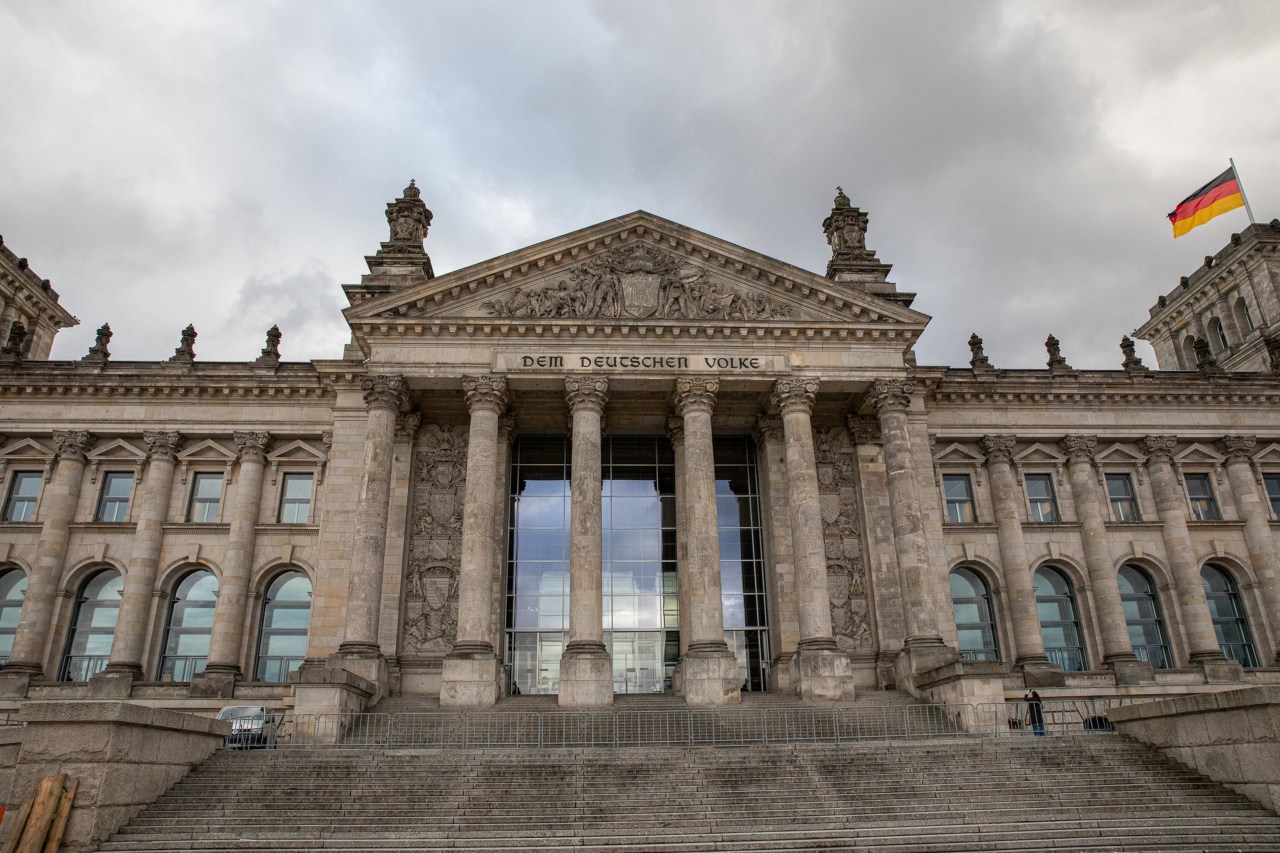
DEMOGRAPHIC CRISIS—Germany, once the powerhouse of Europe, is facing a daunting demographic crisis. With a rapidly aging population, the country is staring at a growth cliff that threatens to destabilize not just its own economy, but that of the entire continent. As the German population ages and shrinks, can the country reclaim its destiny and maintain its position as a leader in Europe?
The Demographic Time Bomb Ticking in Germany’s Economy
Introduction to the Crisis
Germany’s demographic crisis is rooted in its low fertility rates and increasing life expectancy. With fewer young people entering the workforce and more older citizens retiring, the country faces a significant gap in its workforce, leading to potential labor shortages and decreased economic productivity.
Impact on the Workforce
The shrinking workforce in Germany poses a significant challenge to the country’s pension system, healthcare, and social security. As the population ages, the burden on the younger generation to support the elderly increases, potentially leading to intergenerational conflicts and economic strain.
Economic Consequences
The economic consequences of Germany’s demographic crisis are far-reaching. A decrease in the workforce can lead to reduced economic growth, lower tax revenues, and increased burden on social services. Furthermore, the lack of skilled workers in certain sectors can hinder innovation and competitiveness, making it difficult for Germany to maintain its position as a technological and industrial leader.
Germany’s Role in Shaping European Economic Policy and Destabilization
Germany’s Influence on European Economic Policy
As the largest economy in the European Union, Germany plays a crucial role in shaping European economic policy. The country’s economic stability and growth are essential for the overall health of the EU economy. However, Germany’s demographic crisis poses a risk to the stability of the eurozone and the EU as a whole.
Potential for Destabilization
If Germany’s demographic crisis is not addressed, it could lead to economic destabilization not just in Germany, but in the entire EU. A shrinking workforce and reduced economic growth in Germany could have a ripple effect, impacting trade, investment, and economic growth in other EU countries.
Implications for European Integration
The demographic crisis in Germany also has implications for European integration. As the EU faces challenges such as Brexit and rising nationalism, a strong and stable Germany is essential for maintaining the integrity of the EU project. However, if Germany’s demographic crisis leads to economic instability, it could undermine the country’s ability to lead and contribute to European integration efforts.
Potential Solutions to Mitigate the Demographic Crisis in Germany
Immigration and Integration
One potential solution to mitigate the demographic crisis in Germany is to increase immigration and improve integration policies. By attracting skilled workers from other countries, Germany can address labor shortages and fill gaps in the workforce.
Investment in Education and Training
Investing in education and training programs can help increase the productivity and competitiveness of the existing workforce, thereby offsetting the effects of a shrinking workforce.
Encouraging Family-Friendly Policies
Encouraging family-friendly policies, such as childcare support and flexible working arrangements, can help increase fertility rates and reduce the burden on families, potentially leading to an increase in the population.
The Path Forward for Germany and Europe
A Call to Action
To reclaim its destiny and maintain its position as a leader in Europe, Germany must take bold action to address its demographic crisis. This includes implementing policies to increase immigration, investing in education and training, and encouraging family-friendly policies.
European Cooperation
Germany’s demographic crisis is not just a national issue, but a European one. The country must work closely with its EU partners to develop and implement policies that address the demographic challenges facing the continent as a whole.
A New Era for Germany and Europe
By working together and implementing effective policies, Germany and Europe can navigate the challenges posed by the demographic crisis and emerge stronger and more resilient. The path forward will require cooperation, innovation, and a commitment to maintaining the economic and social stability of the continent.
